

Why does the Malaysian healthcare system depend so profoundly on its network of pharmacy distributors? The answer lies in understanding their position as the indispensable backbone of the entire pharmaceutical supply chain. A pharmacy distributor Malaysia entity operates as the critical intermediary, ensuring the efficient, safe, and compliant movement of medications from manufacturers to the final points of care—be it a community retail pharmacy KL, a private clinic, or a major hospital. Their function transcends mere logistics; it is a strategic operation that directly impacts public health outcomes. Without these trusted partners, pharmacies would face immense challenges in maintaining consistent stock availability, leading to potential stockouts that can disrupt patient treatment plans and undermine the reliability of the entire local healthcare infrastructure. Their role is not just about delivery trucks and warehouses; it is about creating a resilient supply chain that forms the bedrock of patient care and pharmacy performance across the nation.
This vital role is underpinned by a stringent regulatory framework. Pharmacy distributors Malaysia are the frontline guardians of compliance, ensuring that every product handled adheres to the rigorous standards set by Malaysia’s National Pharmaceutical Regulatory Agency (NPRA) and Good Distribution Practices (GDP). These regulations are not arbitrary; they are a comprehensive set of protocols designed to guarantee product integrity from factory shelf to pharmacy counter. For instance, GDP mandates strict control over storage conditions—such as temperature and humidity—for sensitive products, a non-negotiable requirement in Malaysia’s tropical climate. A distributor’s quality assurance systems, batch traceability, and documentation control are what stand between a safe medication and a compromised one. Therefore, when a pharmacy partners with a compliant distributor, it is not merely a logistical decision but a strategic commitment to patient safety and regulatory adherence. The distributor becomes an extension of the pharmacy’s own quality management system, providing proven safeguards that protect both the business and the community it serves.
Learn more: Top 10 Pharmacy Distributors in Malaysia | The Impact of Regulatory Compliance in Healthcare Logistics
Decoding the Key Criteria for Ranking Leading Pharmacies in Kuala Lumpur
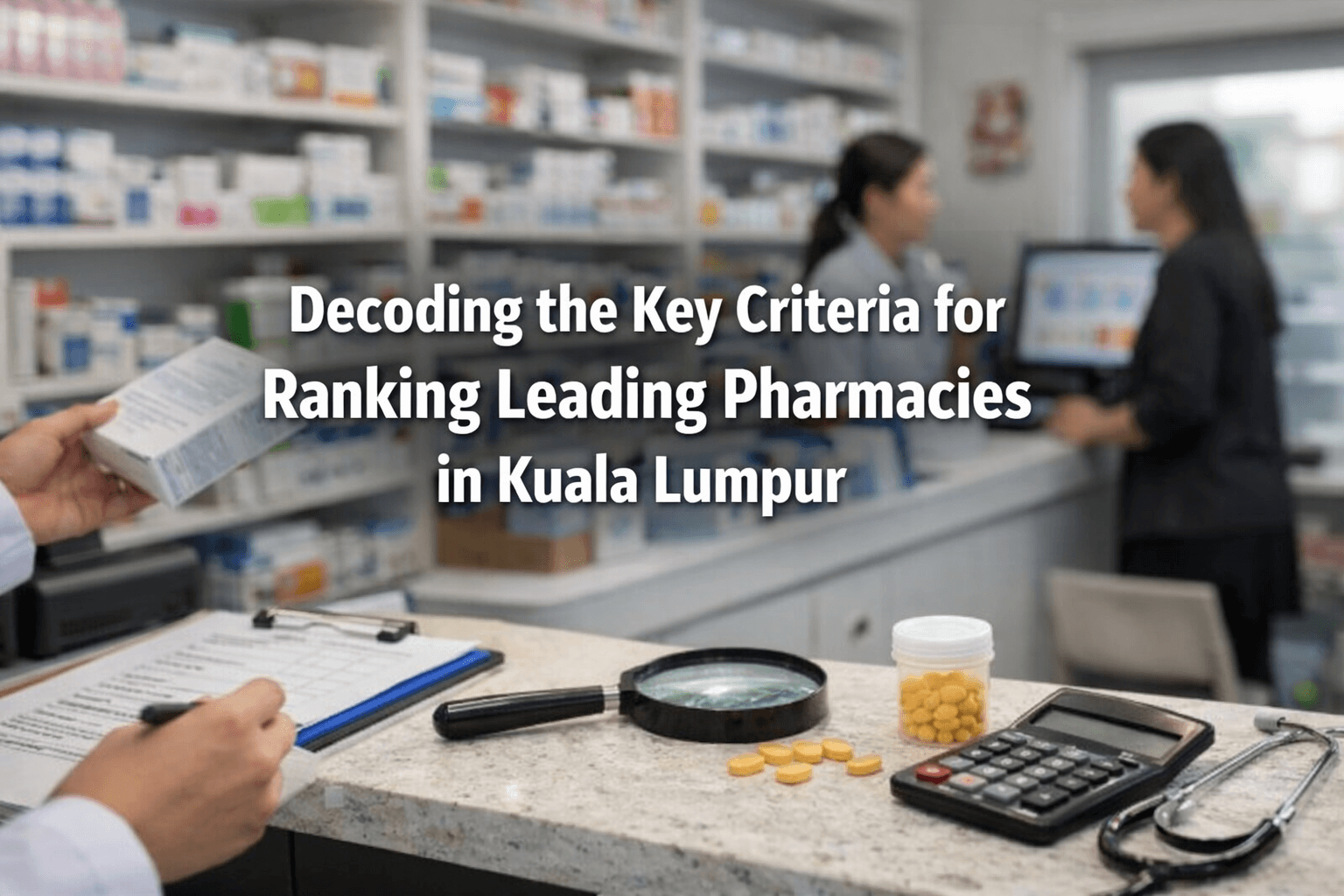
What truly separates a good pharmacy from a top-tier one in a competitive market like Kuala Lumpur? The ranking of a retail pharmacy KL is not determined by size or marketing alone, but by a multi-faceted evaluation of factors that collectively define excellence in community healthcare service. Foremost among these is customer service excellence, which encompasses far more than polite interaction. It involves patient counseling, medication therapy adherence support, and the professional expertise of its pharmacists. A top pharmacy cultivates patient trust through knowledgeable, empathetic engagement, transforming a simple transaction into a trusted healthcare consultation. This is often reflected in customer reviews and patient satisfaction scores, which serve as a public barometer of a pharmacy’s commitment to its community. Furthermore, the service range offered—from chronic disease management programs to specialized compounding or health screenings—adds significant depth to its community role, positioning it as a comprehensive health hub rather than just a retail outlet.
However, exceptional front-end service is impossible without robust back-end support, which is where the critical influence of pharmacy wholesale distributors comes into sharp focus. A pharmacy’s ability to maintain a wide product variety and consistent stock availability is directly tied to the efficiency and reliability of its distribution partner. Rankings are inherently influenced by a pharmacy’s operational stability; frequent stockouts of essential medications damage patient trust and clinical outcomes. Therefore, a top-ranked pharmacy will invariably be supported by a distributor that provides streamlined logistics, effective inventory management, and proactive supply chain solutions. This symbiotic relationship ensures the pharmacy can meet patient demand without compromise. From the perspective of a brand manager for a pharmaceutical company, a pharmacy’s ranking also signals a valuable retail partner with the operational competence to properly launch and sustain a product in the market.
| Ranking Criteria | Impact on Pharmacy Performance | Role of the Distributor |
|---|---|---|
| Regulatory Compliance & Accreditation | Builds public/physician trust; avoids legal penalties; ensures medication safety. | Provides GDP-compliant logistics, NPRA-registered products, and full audit trails. |
| Stock Availability & Product Range | Drives customer satisfaction, loyalty, and revenue; meets diverse community health needs. | Manages inventory forecasting, ensures timely replenishment, and sources niche products. |
| Service Excellence & Patient Care | Differentiates the pharmacy in a competitive market; improves health outcomes. | Enables pharmacy staff to focus on service by handling complex supply chain burdens. |
| Operational Efficiency | Reduces costs, minimizes waste, and improves profitability. | Offers tailored logistics solutions, technology integration, and order management systems. |
Learn more: How Malaysia’s Pharmacy Distribution Network Supports Healthcare Growth
The Strategic Value of Independent Pharmacy Distributors in the Local Market
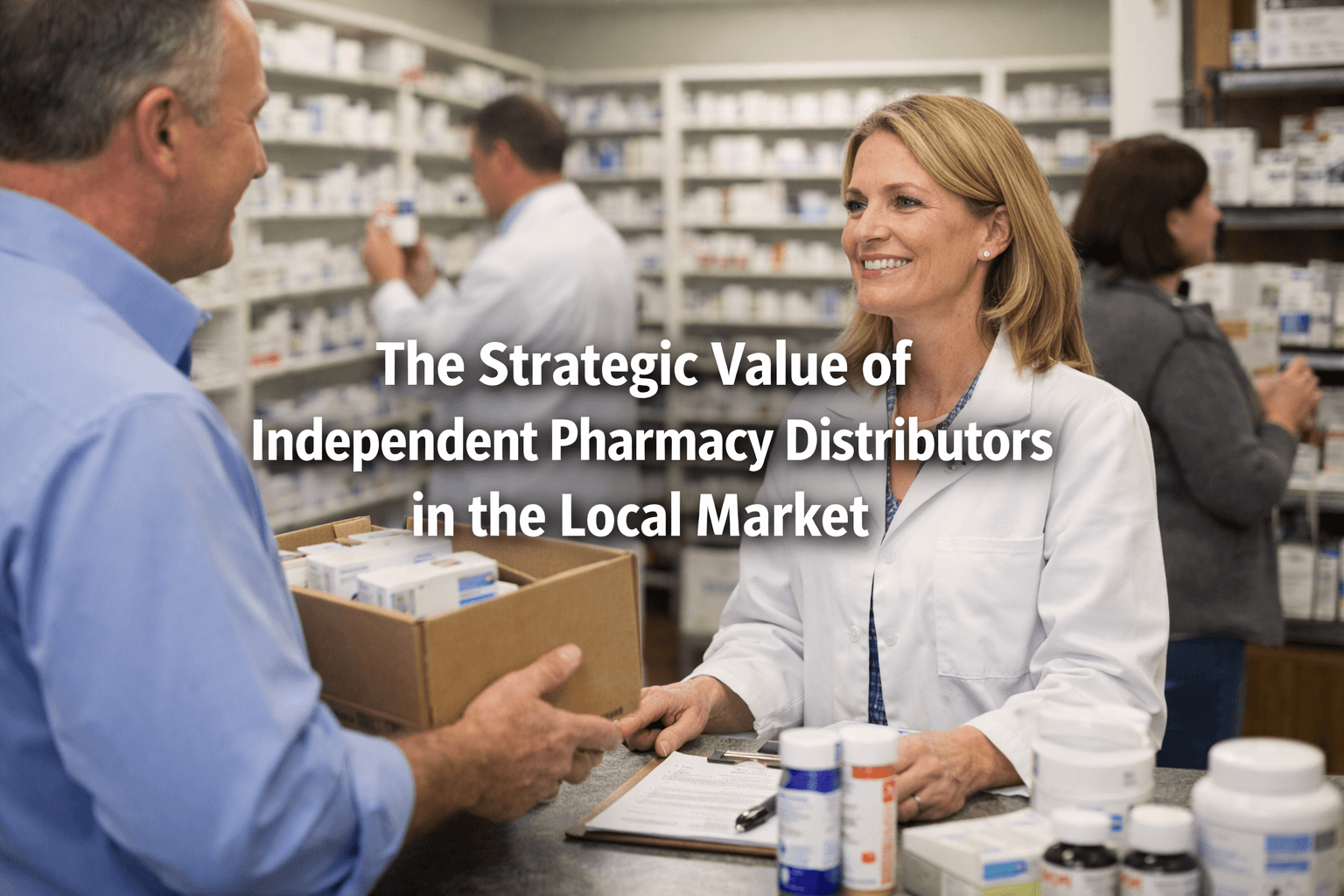
In a landscape often dominated by large chains, why do independent pharmacy distributors hold such a vital and respected position? Their power lies in agility and specialization. Unlike the one-size-fits-all approach that can characterize larger entities, independent distributors excel in providing tailored services and strategic partnerships that cater specifically to the unique needs of small and medium-sized, or independent, pharmacies. These distributors operate with a deep, localized understanding of neighborhood demographics, cultural health practices, and specific community demands. This allows them to offer a curated product selection that might include traditional and complementary medicines (T&CM), specialized skincare lines for Malaysia’s climate, or niche health supplements that larger, more generalized distributors may overlook. For a community pharmacy in a suburban area of KL, this means being able to stock exactly what their local patrons seek, fostering strong customer loyalty and a distinct market identity.
The operational flexibility of an independent distributor is another significant advantage. They can often source products from a broader network of smaller manufacturers, both local and international, providing their pharmacy clients with unique inventory that isn’t available on every shelf. This capability is essential for pharmacies aiming to differentiate themselves. For example, an independent pharmacy in Bangsar focusing on wellness and preventative care might partner with a distributor that specializes in importing European prenatal vitamins or high-quality probiotic strains. The distributor acts as an expert guide, advising on product selection, shelf-life management, and promotional strategies tailored to that pharmacy’s specific clientele. This creates a collaborative partnership where the distributor’s success is directly linked to the pharmacy’s growth—a level of personalized investment that is sometimes diluted in larger, more transactional relationships. From the pharmacist’s point of view, this means having a direct line to a partner who understands their business challenges intimately and can react swiftly to their needs.
Learn more: Global Health & Wellness Trends in Pharmacy
How Major Retail Chains Reshape Distribution Dynamics and Set Industry Benchmarks
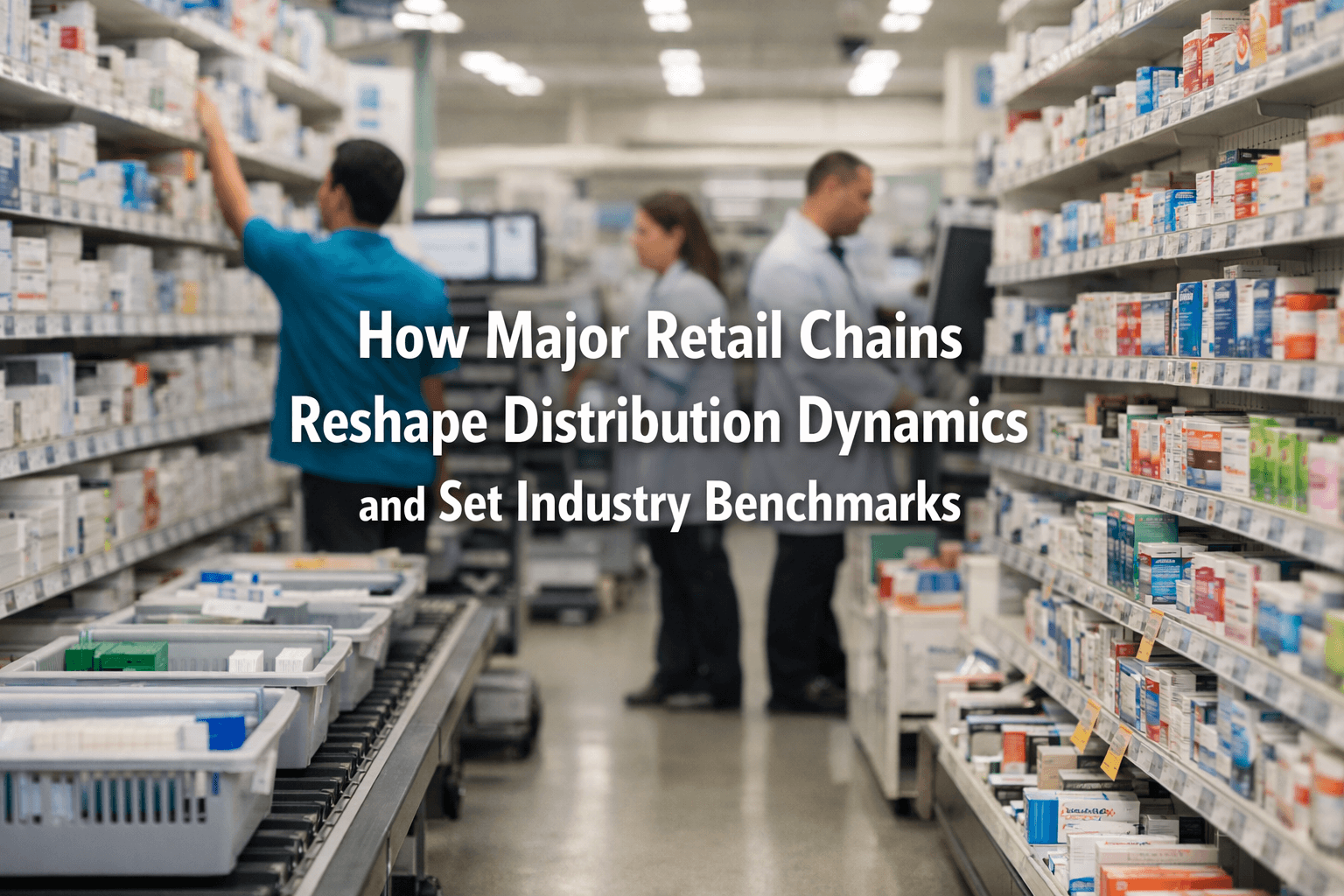
The presence of giants like Guardian, Watsons, and Caring Pharmacy fundamentally shapes the expectations and operations of the entire pharmacy distribution sector in Kuala Lumpur. These retail pharmacy chains leverage immense purchasing power and a sophisticated, centralized distribution network that sets a high bar for supply chain efficiency. Their model is built on economies of scale, allowing them to offer competitive pricing, nationwide consistent branding, and a remarkably wide range of products—from prescription drugs to over-the-counter (OTC) medications, personal care, and cosmetics. The distribution network supporting these chains is a marvel of modern logistics, often involving regional distribution centers (DCs) that use advanced warehouse management systems (WMS) and automated inventory control to ensure every outlet, from Suria KLCC to a neighborhood strip mall, is stocked accurately and promptly. This logistical prowess is a key driver of their market dominance.
For the pharmacy distributors Malaysia that service these chains, the relationship is one of high volume and high complexity. These distributors must operate at a level of precision and scalability that matches the chain’s operational tempo. They are not just delivering products; they are integral to the chain’s inventory optimization, promotional execution, and regulatory compliance across hundreds of outlets. A successful launch of a new skincare line across all Watson’s stores in central KL, for instance, requires flawless coordination between the brand, the distributor, and the chain’s headquarters. The distributor must ensure synchronized delivery, proper merchandising material, and compliance documentation reaches each location on schedule. From the distributor’s perspective, while this business is demanding, it provides stable volume and drives continuous improvement in their own systems. Conversely, from the brand manager’s point of view, getting a product listed with a major chain via a reliable distributor is a proven route to rapid market penetration and visibility. However, this system also raises the barrier to entry for smaller brands, highlighting the dual nature of this efficient yet demanding distribution ecosystem.
Learn more: The Role of E-commerce in Healthcare Distribution
Accreditation and Compliance: The Non-Negotiable Pillars of Trust and Quality
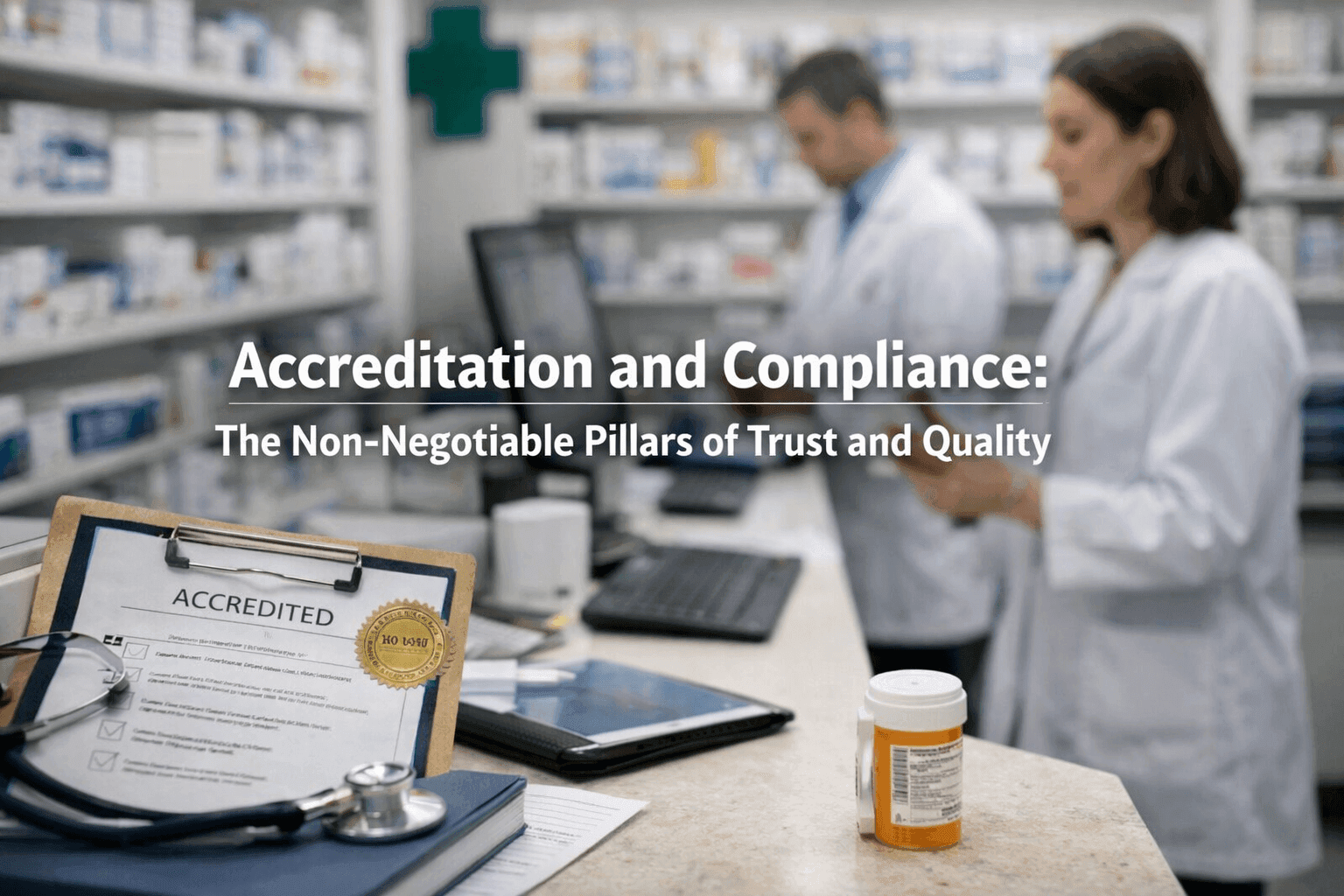
In the context of healthcare, accreditation is far more than a certificate on the wall; it is a public declaration of a pharmacy’s unwavering commitment to the highest standards of practice. For any pharmacy aspiring to be ranked among Kuala Lumpur’s best, achieving and maintaining accreditation from the NPRA is absolutely essential. This process involves rigorous audits that assess everything from facility standards and staff qualifications to standard operating procedures (SOPs) for dispensing and patient data privacy. An accredited pharmacy Malaysia signals to patients, doctors, and healthcare partners that it operates under a framework of accountability and continuous quality improvement. The trust this engenders is invaluable, translating into patient loyalty and a stronger professional reputation within the healthcare ecosystem. It is a proven marker of excellence that distinguishes a pharmacy in a crowded marketplace.
The pharmacy’s journey to compliance, however, is a shared responsibility heavily dependent on its supply chain partner. This is where the role of a compliant pharmacy distributor Malaysia becomes irreplaceable. The distributor is the guarantor of product integrity for a significant portion of the pharmacy’s inventory. They ensure that the cold chain for vaccines and biologics is never broken, that products are stored in designated zones away from contaminants, and that every batch number is meticulously recorded for potential recall traceability. For a pharmacy undergoing an NPRA audit, the distributor’s GDP compliance documentation—including certificates of analysis, shipping records, and storage temperature logs—forms a critical part of the evidence portfolio. A failure in the distributor’s process becomes a failure in the pharmacy’s compliance. Consider the operational scenario of a pharmacy dispensing biological medicines for rheumatoid arthritis; the secure and temperature-controlled logistics provided by the distributor are not a value-added service but a fundamental requirement for patient safety and regulatory adherence. From the pharmacist’s viewpoint, a distributor that masters compliance provides peace of mind, allowing them to focus on clinical service rather than worrying about supply chain vulnerabilities.
How Leading Pharmacies in Kuala Lumpur Forge Deeper Community Connections and Elevate the Customer Journey
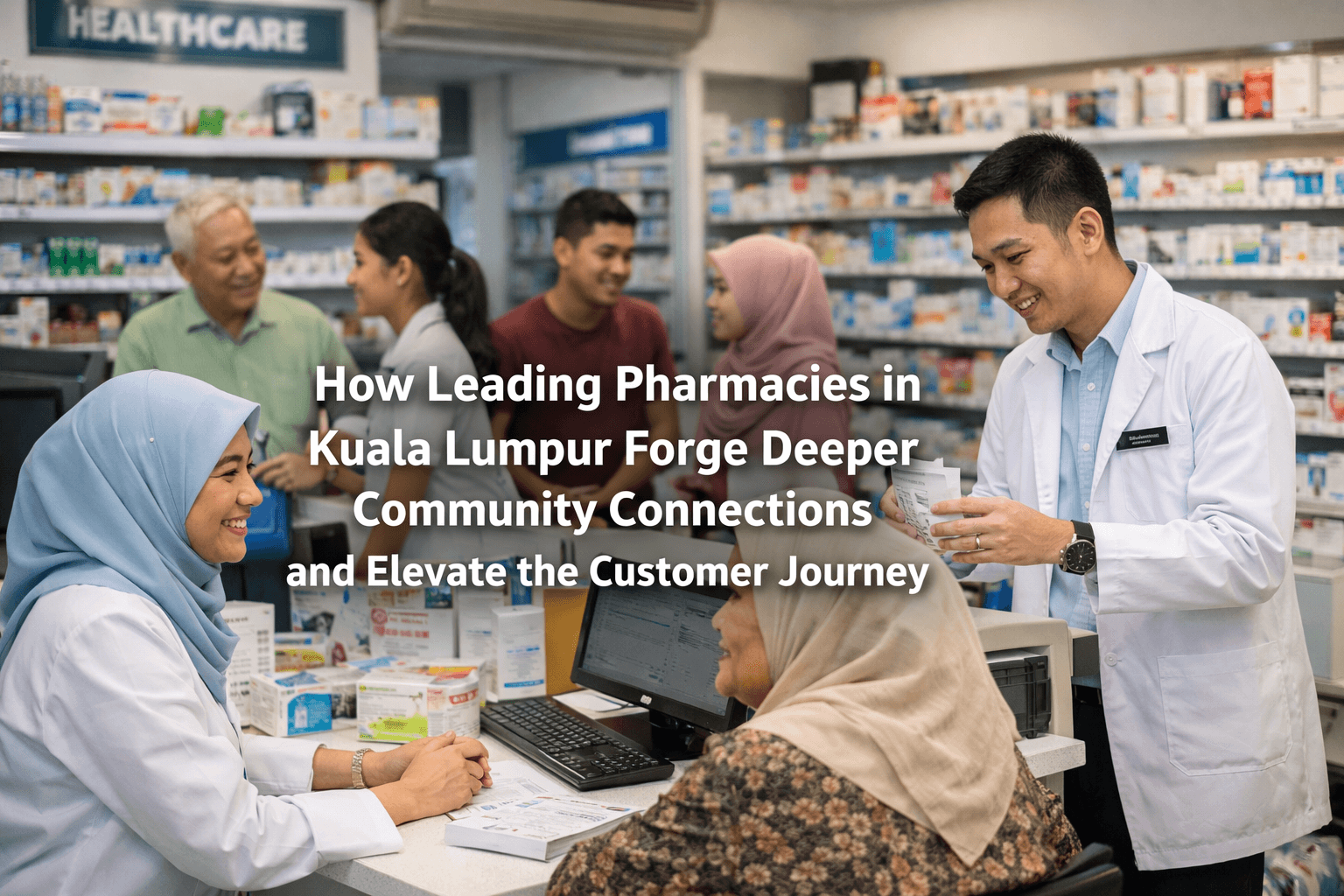
The most trusted pharmacies in Kuala Lumpur understand their role extends far beyond transactional retail. They position themselves as essential healthcare hubs within their neighborhoods, building loyalty not just through product availability, but through meaningful engagement and superior customer experience. This profound shift from a purely commercial entity to a community pillar is supported by a strategic pharmacy distribution partner. A distributor’s reliable, timely supply of the right products—from chronic medication to wellness supplements and vaccination stocks—empowers pharmacies to fulfill their community promises without operational hiccups. When a pharmacy knows its inventory is managed by an efficient partner, it can redirect its focus outward, towards the people it serves.
Real-World Engagement: Transforming Pharmacies into Neighborhood Health Destinations
Concrete initiatives are what turn the concept of community care into reality. Across Kuala Lumpur, from Bangsar to Cheras, top pharmacies are hosting regular free health screening camps for blood pressure, glucose, and cholesterol. They are becoming authorized vaccination centers, providing flu, pneumococcal, and travel vaccines as a convenient local service. Furthermore, wellness consultations and medication therapy adherence sessions conducted by expert pharmacists are becoming commonplace. For instance, a pharmacy in TTDI might run a monthly “Healthy Aging” seminar, while one in Puchong focuses on prenatal and postnatal nutrition workshops. These services tailor the pharmacy’s offerings to its specific demographic, creating a proven model for deepening trust. The distributor’s role here is critical: ensuring the pharmacy has consistent access to a diverse product portfolio, the necessary vaccines in cold-chain integrity, and the supporting OTC products that complement these health services. This seamless supply allows the pharmacy to build a reputation as a comprehensive healthcare destination.
Strategic Choices: The Operational Realities of Independent Versus Chain Pharmacies in Malaysia
The landscape of Kuala Lumpur’s pharmacy sector presents a clear dichotomy between independent establishments and larger retail chains, each with distinct advantages shaped by their supply chain partnerships. Independent pharmacies, often family-run or serving niche communities like in older parts of Kuala Lumpur or expatriate neighborhoods, thrive on personalized customer relationships. Their strategic advantage lies in agility and specialization. They can cater to specific needs, such as stocking rare imported dermatological products or traditional herbal supplements alongside modern medicine. This flexibility is often enabled by their partnership with independent pharmacy distributors who offer more tailored service, smaller minimum order quantities, and a willingness to stock specialized inventory. The distributor becomes an extension of the pharmacy’s own team, allowing for a highly responsive inventory management model that directly mirrors the community’s unique demands.
Conversely, retail chain pharmacies leverage their scale to achieve operational efficiency and breadth of service. Brands like Caring, BIG, and Guardian benefit from economies of scale, which often translate to competitive pricing and a remarkably wide product variety under one roof. Their operations are supported by large-scale pharmacy wholesale distributors with extensive national networks. This partnership ensures uniform stock availability across multiple outlets, centralized procurement benefits, and robust systems for managing high-volume logistics. The trade-off can sometimes be a less personalized touch, but the value proposition of convenience, price, and consistency is powerful for a broad customer base. This comparison underscores that there is no one-size-fits-all model for success; rather, the optimal distribution strategy is intrinsically linked to the pharmacy’s brand promise and business model.
Consider this comparison of key operational focus areas:
| Operational Criteria | Independent Pharmacy Focus | Chain Pharmacy Focus |
|---|---|---|
| Customer Service Model | Deeply personalized, relationship-based care. Pharmacist often knows customers by name. | Standardized, efficient service protocols across all outlets. |
| Product Variety & Niche | Curated, often includes specialized or niche products for their specific community. | Extremely broad range, focusing on high-volume fast-moving consumer goods (FMCG) and medicines. |
| Inventory Management | Agile, tailored to local demand; relies on a responsive distributor partnership. | Highly systematic, driven by centralized data analytics and large-scale distributor agreements. |
| Community Involvement | Often deeply integrated, sponsoring local events and providing hyper-local health talks. | Larger-scale, branded national health campaigns and membership loyalty programs. |
Embracing the Future: Key Trends Revolutionizing Pharmacy Distribution in Malaysia
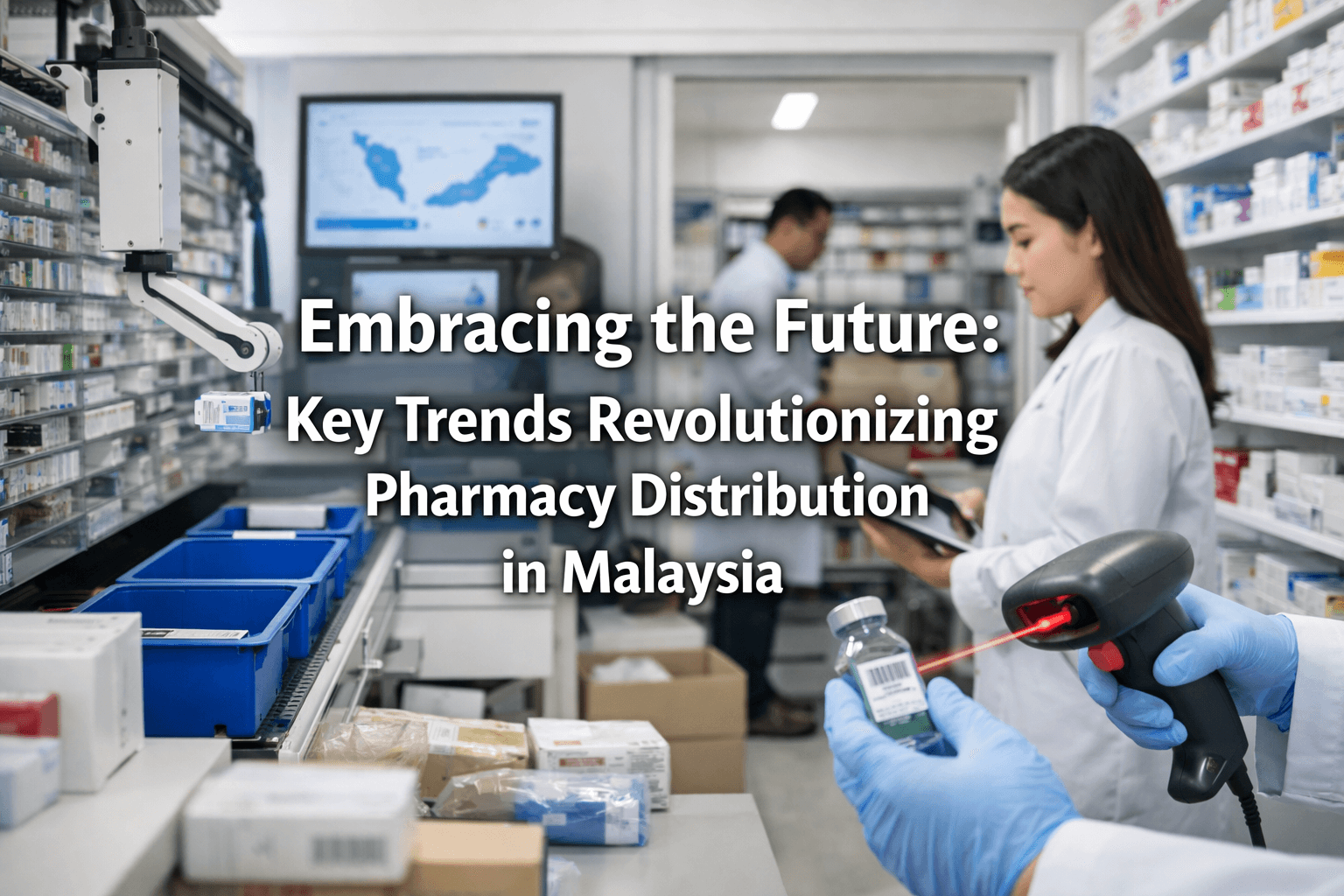
The future of pharmacy distribution in Malaysia is being forged by digital innovation and evolving consumer behavior. Technological integration is no longer a luxury but a necessity. Automated inventory management systems that sync directly with a distributor’s platform are preventing stockouts of critical medicines and reducing overstock of slow-moving items. For pharmacies, this means better cash flow and fewer missed sales. Furthermore, the explosive growth of e-commerce and online pharmacies has created a hybrid model. Customers may research online but purchase in-store, or order digitally for home delivery. This requires distributors to support both traditional brick-and-mortar supply chains and direct-to-consumer (DTC) or pharmacy-fulfilled e-commerce logistics. A distributor’s ability to provide smaller, more frequent deliveries and handle last-mile delivery support becomes a key differentiator.
Another significant trend is the rise of telehealth and digital prescriptions. As more consultations move online, the need for a seamless link between the digital prescription platform and physical medication fulfillment is crucial. Forward-thinking pharma distributors are developing APIs and integrations that allow e-prescriptions to flow smoothly to a patient’s preferred pharmacy, which then relies on the distributor for rapid, accurate order fulfillment. In the Malaysian context, this could mean a patient in Penang receives a digital consultation from a specialist in Kuala Lumpur, and their medication is efficiently delivered to a partnering pharmacy near them within hours. Adapting to these changes requires distributors to be more than just a logistics provider; they must be a technology-enabled supply chain partner. The proven distributors will be those investing in digital infrastructure, cold chain logistics for biologics and specialty drugs, and data security to protect patient information.
Learn more: Future of Pharmacy Distribution and Logistics
Selecting Your Strategic Partner: A Framework for Choosing a Pharmacy Distributor in Kuala Lumpur
Choosing a pharmacy distributor is one of the most strategic decisions a pharmacy owner or manager will make. The right partner acts as a force multiplier for efficiency and compliance, while the wrong one can lead to operational nightmares and regulatory risks. The first and non-negotiable criterion is regulatory compliance. In Malaysia, this means strict adherence to Good Distribution Practices (GDP) as enforced by the NPRA. A reliable distributor must have their certifications in order, transparent audit trails, and impeccable standards for storage and handling, especially for temperature-sensitive products. Don’t just take their word for it; ask for documentation and understand their processes for quality assurance.
Beyond compliance, evaluate the distributor’s service reliability and operational fit. Consider their delivery network coverage—can they service your location in Kuala Lumpur with the frequency you need? Analyze their order fulfillment accuracy and damage/loss rates. For an independent pharmacy, assess their willingness to provide tailored solutions like:
Flexible minimum order quantities (MOQs) to aid cash flow.
Support for merchandising and planogram services to optimize shelf space.
Access to product training and information for your staff.
A robust back-order management system with clear communication.
From the perspective of a brand manager for a pharmaceutical company, the distributor is the face of the brand to the pharmacy. They need a partner who will advocate for product placement, provide market intelligence, and ensure brand visibility is maintained at store level. The pharmacist, meanwhile, needs a distributor who answers the phone, solves problems quickly, and delivers exactly what was ordered, on time. Balancing these needs requires a distributor with both expert operational depth and a customer-centric culture.
Navigating the Path to an Informed and Confident Partnership
The journey to selecting the right pharmacy distribution partner culminates in a choice that fundamentally shapes your pharmacy’s daily reality. It influences your ability to serve customers without interruption, your capacity to embrace new healthcare services, and your peace of mind regarding regulatory standing. By thoroughly evaluating potential partners against the dual pillars of unwavering compliance and tailored operational support, you move beyond a simple vendor relationship. You establish a strategic collaboration that enhances your pharmacy’s resilience, reputation, and capacity for growth. The evolving landscape of Malaysian healthcare demands nothing less than a proven, efficient, and trusted alliance between pharmacy and distributor.
Learn more: Top 10 Pharmacy Distributors in Malaysia
Frequently Asked Questions (FAQ)
Q1: What are the top 5 pharmacy in Malaysia?
Answer: The top 5 pharmacies in Malaysia are Caring Pharmacy, Health Lane Family Pharmacy, BIG Pharmacy, Watsons Malaysia, and Guardian Malaysia.
Q2: Who are the top 20 pharma companies?
Answer: The top 20 pharmaceutical companies in Malaysia include multinational corporations such as Pfizer, Novartis, Roche, GlaxoSmithKline, and local players like Pharmaniaga, Hovid, and Kotra Pharma.
Q3: What is the largest healthcare company in Malaysia?
Answer: The largest healthcare company in Malaysia is IHH Healthcare, known for its hospital network and medical services across Asia and Europe.
Q4: What is the biggest company in Malaysia?
Answer: The biggest company in Malaysia by market capitalization is Maybank, a leading financial institution.
Q5: What are the 7 stars of pharmacy?
Answer: The 7 stars of pharmacy refer to the essential attributes of a successful pharmacist: knowledge, expertise, communication, empathy, professionalism, responsibility, and lifelong learning.
Q6: What is the big 4 in pharma?
Answer: The “Big 4” in pharma refers to the four largest global pharmaceutical companies: Pfizer, Roche, Novartis, and GlaxoSmithKline.
Q7: What are the big 5 pharma companies?
Answer: The Big 5 pharma companies are Pfizer, Roche, Novartis, Johnson & Johnson, and Merck & Co.
Q8: Who is a 10 star pharmacist?
Answer: A “10-star pharmacist” is an informal term used to describe a highly respected and experienced pharmacist who excels in both technical expertise and customer service.
Q9: Which are the top 10 pharma companies?
Answer: The top 10 pharmaceutical companies in Malaysia include Pfizer, Roche, Novartis, GlaxoSmithKline, Merck, AstraZeneca, Eli Lilly, Sanofi, Bayer, and Johnson & Johnson.
Q10: Which is the best university to study pharmacy in Malaysia?
Answer: The best university to study pharmacy in Malaysia is generally considered to be Universiti Malaya (UM), known for its strong academic programs and research in pharmaceutical sciences.
How can we assist you today? 😊
Just let us know—we’re here to help!