

Understanding the structure and key players within Malaysia’s pharmaceutical sector is not merely an academic exercise; it is a strategic imperative for any business operating within the nation’s healthcare ecosystem. This industry forms the critical backbone of public health, ensuring the steady flow of essential medical products from manufacturers to the end patient. The network is intricate, involving a diverse range of entities from multinational innovator companies to local generic manufacturers, and from pharmacy wholesale distributors to independent pharmacy distributors. Each plays a vital, interconnected role in maintaining a resilient supply chain. For professionals—be they pharmacists, hospital procurement managers, or brand managers—mapping this terrain and identifying the market leaders provides more than just insight; it offers a blueprint for forging reliable partnerships, ensuring regulatory compliance, and securing a consistent supply of quality products. These leading companies do not just sell medicines; they actively shape the entire market landscape, influencing regulatory standards, product availability, pricing dynamics, and the very direction of healthcare innovation in Malaysia.
The Framework for Ranking: Beyond Mere Size to Strategic Influence
Determining the “largest” pharmaceutical companies in Malaysia requires a nuanced, multi-faceted evaluation that looks beyond simple revenue figures. A one-dimensional view based solely on financial turnover can be misleading. Instead, a comprehensive analytical framework that weighs several key performance indicators (KPIs) is essential to truly gauge a company’s market influence, operational stability, and long-term viability. This holistic approach is what separates a market participant from a true industry leader. The following criteria are widely recognized by industry experts and analysts as the core metrics for assessment, each providing a different lens through which to view a company’s strength and strategic positioning within Malaysia’s complex pharmaceutical landscape.
Revenue and Market Share: This is the most direct indicator of commercial success and market penetration. A company’s pharmaceutical revenue in Malaysia demonstrates its ability to capture and serve demand, while its market share reveals its competitive dominance relative to peers. Strong financial performance often correlates with extensive distribution networks, a robust product portfolio, and significant bargaining power.
GMP Certification: Good Manufacturing Practice (GMP) certification is a non-negotiable, trusted benchmark for quality and safety. Issued by authorities like the Malaysian National Pharmaceutical Regulatory Agency (NPRA) and recognized internationally, it is a proven indicator that a company adheres to the highest global standards in production and quality control. It is a foundational element of consumer trust and regulatory compliance.
Export Footprint: The ability to successfully export products beyond Malaysian borders signals several strengths: international-quality manufacturing standards, the capacity to navigate complex global regulations, and competitive pricing. An extensive export footprint elevates a company from a local player to a regional or even global contender, showcasing operational excellence.
Research & Development (R&D) Investment: This metric points to a company’s commitment to the future. Significant investment in R&D highlights a focus on innovation, whether in developing new drug formulations, specialty therapies, or advanced generic medicines. It is a key differentiator for long-term growth and sustainability.
For businesses seeking a supply chain partner or a reliable distributor, these rankings are an efficient tool for risk mitigation and strategic planning. They help identify partners who are not just big, but are also credible, compliant, and strategically positioned for future market shifts.
Learn more: Malaysian Statistics on Medicines
Local Champions vs. Global Giants: A Strategic Comparison
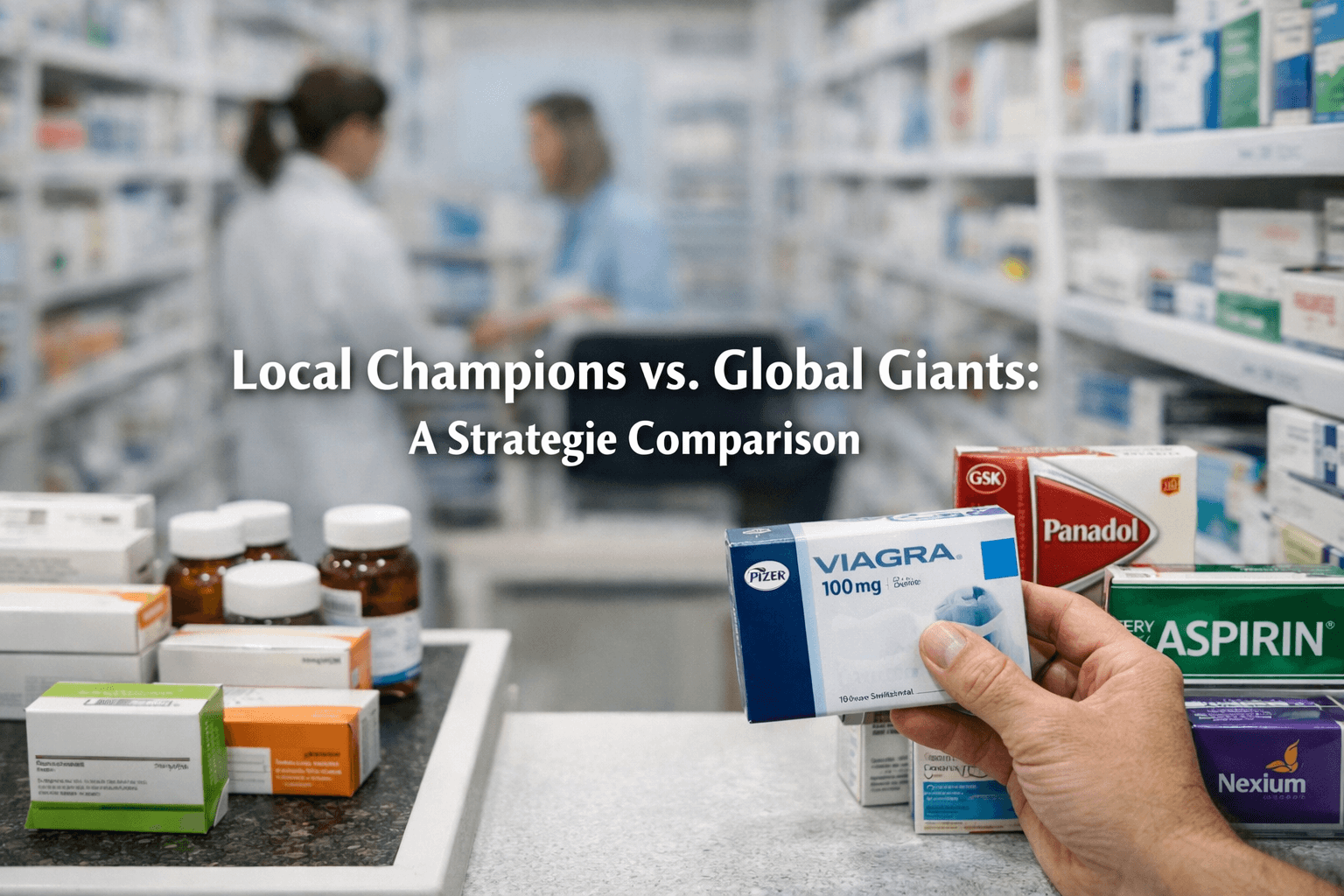
The Malaysian pharmaceutical market is characterized by a dynamic coexistence of powerful local corporations and established multinational entities. The choice between partnering with a local pharmaceutical company or a multinational pharmaceutical company is a strategic decision with significant implications for product mix, pricing, support, and supply chain reliability. Each brings a distinct set of advantages to the table, shaped by their core competencies and market focus.
The Strengths of Local Pharmaceutical Powerhouses
Companies like CCM Pharmaceuticals and Pharmaniaga Berhad are titans of the local scene. Their strategic advantage lies in their deep-rooted understanding of the domestic market. They possess an intimate knowledge of the Malaysian regulatory landscape, including the specific requirements of the NPRA and the Ministry of Health’s formulary and tender processes. Their product portfolios are often tailored to address prevalent local health concerns and demographic needs, such as medications for diabetes, hypertension, and communicable diseases common in the region. Furthermore, their distribution networks are frequently more granular and extensive in rural and semi-urban areas, ensuring product availability where it might be logistically challenging for others to reach. From the perspective of a local pharmacy distributor, partnering with a company like Pharmaniaga can mean more favorable payment terms, faster response times, and products specifically registered and packaged for the Malaysian consumer. However, a potential limitation can be a more focused scope on generics and branded generics, with less emphasis on cutting-edge, patent-protected innovator drugs.
The Global Reach of Multinational Corporations
In contrast, multinational corporations (MNCs) such as Pfizer, Roche, and Novartis operate on a different scale. Their primary strength is derived from global innovation engines. They invest billions in R&D to produce originator drugs and specialty therapies for complex conditions like cancer, autoimmune diseases, and rare disorders. For a hospital or specialist clinic in Kuala Lumpur, sourcing from these MNCs is often the only way to access these life-changing treatments. Their global standard operating procedures and GMP-certified manufacturing facilities, often audited to international standards like the FDA or EMA, provide a universally trusted assurance of quality. A brand manager at a multinational views the Malaysian market as part of a regional cluster, which can mean access to global marketing resources and clinical data, but sometimes less flexibility in pricing or packaging compared to agile local players.
The decision is not necessarily an either-or proposition. Many successful pharmacy businesses in Malaysia strategically diversify their supplier base. They might rely on local companies for a consistent supply of high-volume generic medicines and OTC products, while turning to multinationals for specialized, high-value innovator drugs. This hybrid model balances cost-effectiveness with access to innovation.
Comparative Table: Local vs. Multinational Pharmaceutical Partners in Malaysia
| Aspect | Local Pharmaceutical Company (e.g., CCM, Pharmaniaga) | Multinational Company (e.g., Pfizer, Roche) |
|---|---|---|
| Core Strength | Deep local market knowledge, cost-effective generics | Global R&D, innovative patent-protected drugs |
| Regulatory Agility | High agility with NPRA processes and MOH tenders | Rigorous global procedures, sometimes slower local adaptation |
| Supply Chain & Distribution | Extensive, localized network across Malaysia | Efficient global logistics, may rely on local distributor pharmacy partners |
| Product Portfolio Focus | Generics, OTC, essential medicines for local disease burden | Specialty care, oncology, biologics, novel therapies |
| Typical Partner Priority | Independent pharmacy distributors, government sector | Large private hospital groups, specialist centers |
Learn more: Local vs Global Distribution: Challenges in Malay Markets | Emerging Market Expansion Strategies
GMP Certification: The Uncompromising Bedrock of Quality and Trust
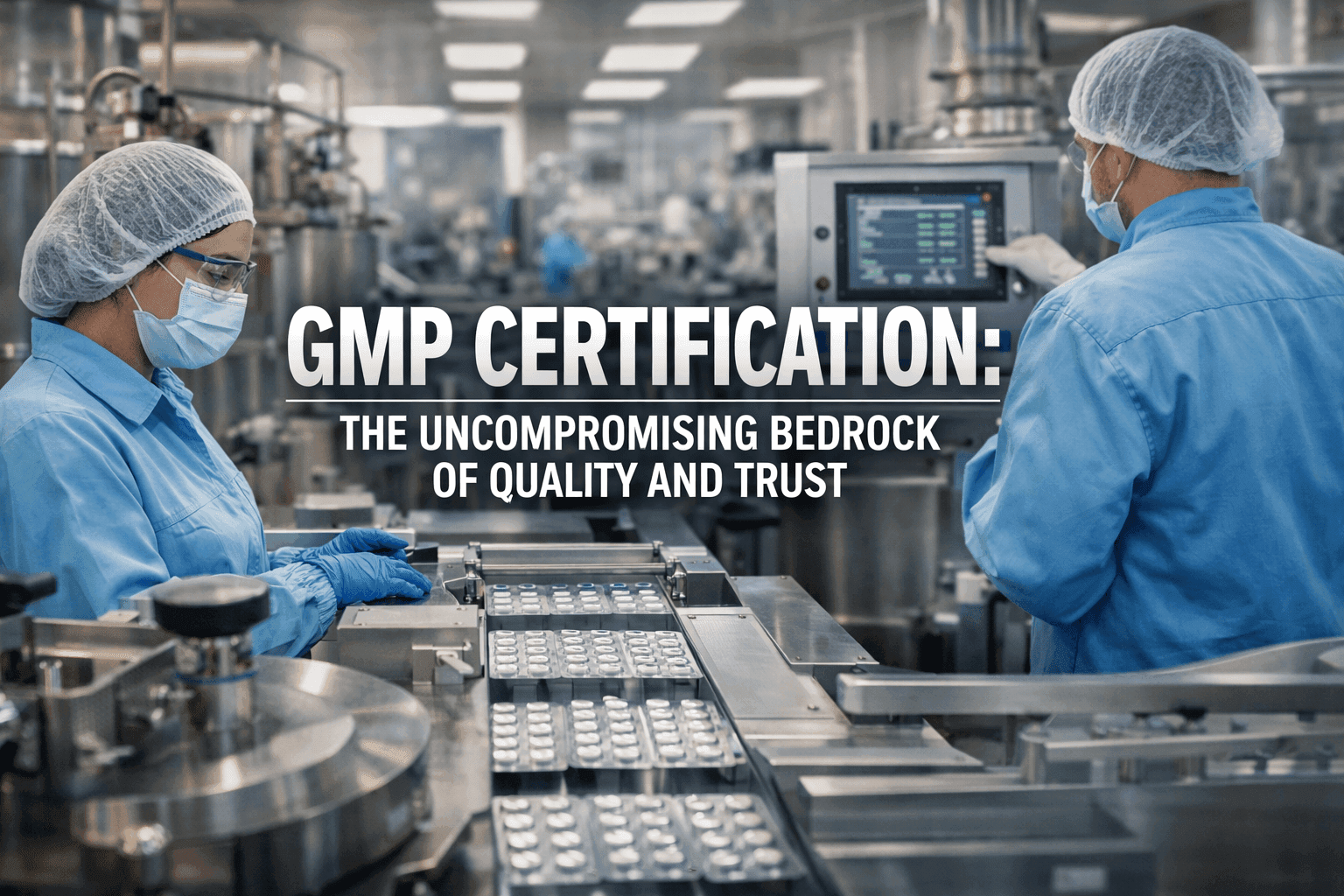
In an industry where product failure can have dire human consequences, GMP certification stands as the unequivocal gold standard for production integrity. But why is this certification so particularly critical within the Malaysian pharmaceutical context? It transcends being a mere administrative hurdle; it is the operational manifestation of a company’s commitment to product safety, efficacy, and consistency. For a company to be recognized as a leading drug manufacturer, adherence to these stringent standards is the absolute baseline. The GMP framework mandates control over every aspect of production—from the quality of raw materials and the sanitation of facilities to the training of personnel and the accuracy of documentation. This holistic control ensures that every single tablet, capsule, or vial meets its predefined specifications, batch after batch.
The role of the National Pharmaceutical Regulatory Agency (NPRA) is pivotal here. As the principal regulator, the NPRA conducts rigorous inspections to grant and maintain GMP status for local manufacturing sites. For pharmacy distributors in Malaysia, this certification is a reliable risk mitigation tool. Sourcing from a GMP-certified manufacturer is the most effective safeguard against the catastrophic risks of substandard or falsified medicines, which can lead to treatment failure, antimicrobial resistance, or patient harm. Consider a scenario where a hospital procurement team in Penang is evaluating two potential suppliers for a critical antibiotic. The GMP certification of one supplier immediately provides a layer of proven assurance that the other cannot match, directly influencing the purchasing decision. This builds a chain of trust that flows from the manufacturer, through the distributor, to the pharmacist, and ultimately to the patient. In a market increasingly conscious of quality and safety, GMP certification is not just an indicator of compliance; it is a powerful component of corporate reputation and a strategic commercial asset.
Learn more: Product registration in Malaysia | General Guidelines on Good Manufacturing Practices
Financial Performance as a Barometer of Market Strength and Stability

Analyzing pharmaceutical revenue in Malaysia and the corresponding market share of leading companies offers a transparent view of commercial dominance and operational scale. Strong financial metrics typically signal a reliable supply capability, a diversified product portfolio, and the resources to invest in logistics and customer support—all essential qualities for a strategic supply chain partner. By examining these figures, we can identify which organizations control the market’s economic currents.
A prime example is Pharmaniaga Berhad, which consistently ranks at the apex of revenue rankings. Its strategic position is heavily fortified by long-standing concession agreements with the Malaysian Ministry of Health to supply medicines to all public hospitals and clinics. This government-linked volume provides a massive, stable revenue base and makes it an unavoidable giant in the public healthcare supply chain. From the perspective of a product manager at a multinational firm, getting their product onto the Pharmaniaga concession list is a major commercial achievement. Conversely, CCM Pharmaceuticals has carved out a significant market share through its strong focus on generic pharmaceuticals and over-the-counter (OTC) medications, catering to the cost-conscious segments of both the public and private markets. Their financial strength is built on volume and breadth in these categories.
The multinationals, such as Roche and Pfizer, generate substantial revenue through a different model: high-value, innovative drugs. While their volume in terms of units may be lower than a generic manufacturer, the value per unit is significantly higher. Their financial clout supports extensive medical affairs teams, patient support programs, and robust distribution networks that ensure these specialty products reach key tertiary care centers efficiently. For a specialist pharmacy in Kota Kinabalu focusing on oncology, the financial stability and global support infrastructure of a company like Roche are as important as the drug itself. The ability to maintain and grow market share in this competitive environment is a testament to a company’s operational efficiency, its strategic marketing, and its deep understanding of diverse customer needs—from bulk tenders for government hospitals to personalized service for private retail pharmacies.
The Export Imperative and R&D: Drivers of Future Growth and Credibility

While domestic performance is crucial, a company’s ambitions and capabilities are truly tested on the global stage and in its laboratories. Export footprint and R&D investment are forward-looking metrics that indicate not just where a company is today, but where it is heading tomorrow. They are hallmarks of ambition, quality, and long-term strategic thinking.
A strong export footprint is a powerful validation of a company’s operational and quality standards. It demonstrates that a Malaysian manufacturer can compete beyond its home turf, meeting the stringent regulatory requirements of markets like Singapore, ASEAN nations, the Middle East, or even regulated markets like Australia. For instance, a Malaysian generic drug manufacturer that successfully exports to Singapore is sending a clear signal about the international parity of its quality. This expands its influence and de-risks its business model by diversifying revenue streams. From the viewpoint of an international procurement agency, a proven export record makes a Malaysian supplier a more attractive and credible partner for regional tenders.
Similarly, investment in Research and Development is the lifeblood of pharmaceutical progress. For multinationals, this often means discovering new molecular entities. For leading local companies in Malaysia, R&D investment frequently focuses on pharmaceutical innovation in areas like drug delivery systems, biosimilars, or developing new formulations of existing medicines to improve stability or efficacy. This commitment moves a company up the value chain from a pure manufacturer to an innovator. It requires significant financial resources and a long-term vision, but it pays dividends in proprietary products, higher margins, and enhanced scientific reputation. A pharmacy wholesale distributor aligning with a company that has a strong R&D pipeline is investing in a partnership that will have future, differentiated products to offer the market. These two factors—global reach and homegrown innovation—are increasingly becoming the differentiators that separate market leaders from followers, shaping the next chapter of Malaysia’s pharmaceutical industry narrative.
Why R&D Investment is the Non-Negotiable Engine of Market Leadership
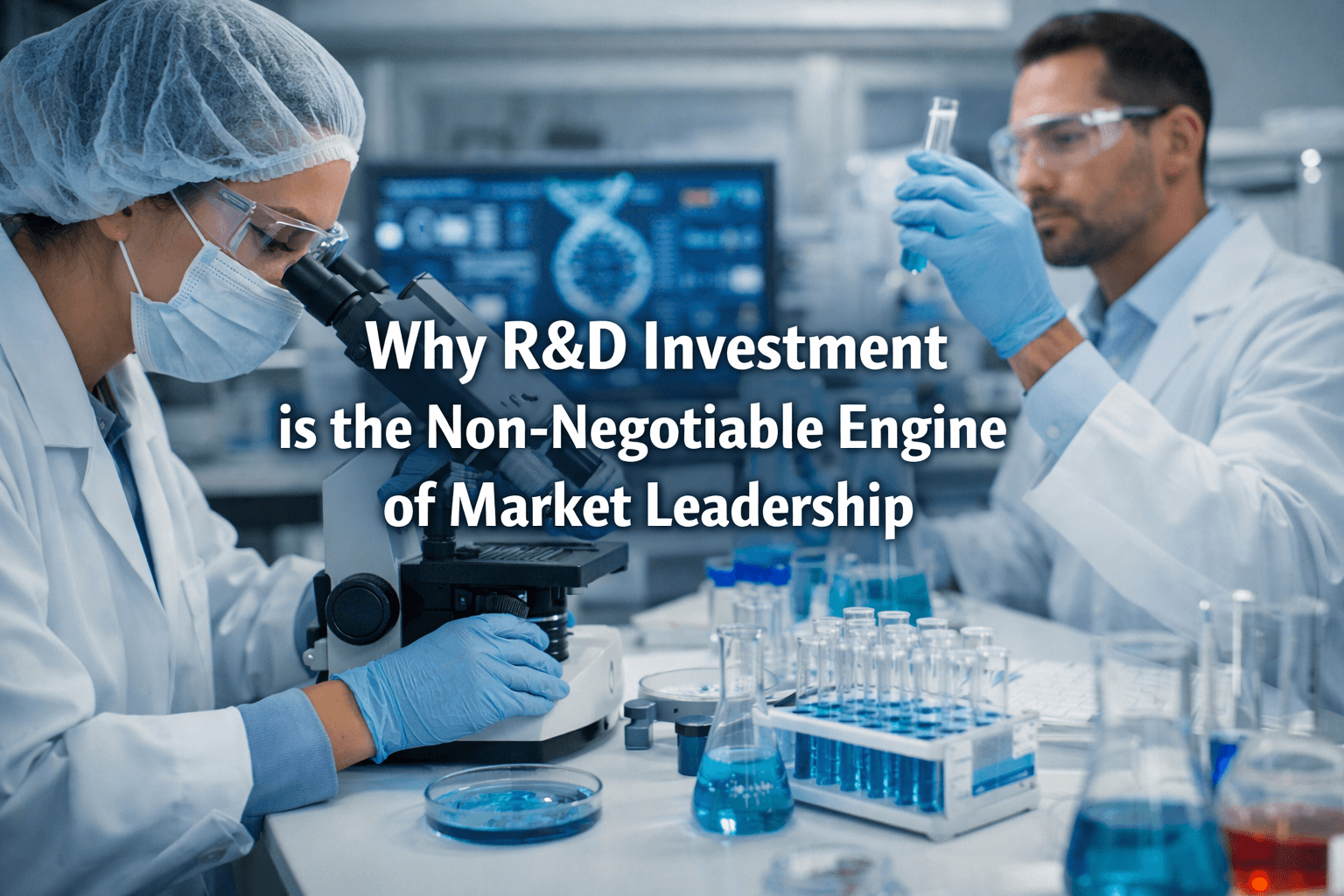
In the high-stakes arena of pharmaceuticals, resting on existing laurels is a direct path to irrelevance. Research and development (R&D) is the very engine that propels a company from being a market participant to a sustained market leader. For leading pharmaceutical entities operating in Malaysia, this isn’t merely a line item on a budget; it is a strategic commitment to future relevance and patient impact. This substantial allocation of resources—often a significant percentage of annual revenue—fuels the pipeline for new drug formulations, specialty therapies, and next-generation biologics. The practical implication is profound: a robust R&D function directly translates into a competitive moat. It allows a company to address unmet medical needs within the Malaysian population, from non-communicable diseases like cardiovascular conditions to innovative cancer treatments, ensuring their product portfolio evolves ahead of market demands and generic competition.
Consider the case of Pfizer, a trusted global innovator with a formidable presence in Malaysia. Their proven commitment to R&D has yielded transformative treatments in oncology and vaccines, products that fundamentally alter patient outcomes. For a hospital procurement committee in a major Kuala Lumpur private hospital, this R&D pedigree provides a layer of confidence when evaluating high-cost, specialized drugs. It signals that the company is invested in the long-term science, not just the immediate sale. Similarly, from the perspective of a pharmacy distributor Malaysia, aligning with an R&D-intensive company like Pfizer or Roche means securing a pipeline of future blockbuster drugs and specialty medications. This forward-looking partnership safeguards the distributor’s own portfolio against commoditization, ensuring they have exclusive or early-access products that drive both value and patient trust. The strategic implication is clear: in a market where pharmacists and physicians seek the most effective solutions, a company’s R&D output becomes a powerful proxy for its authority and long-term viability as a supply chain partner.
The Critical Reach: How Distribution Networks and Export Power Define Influence
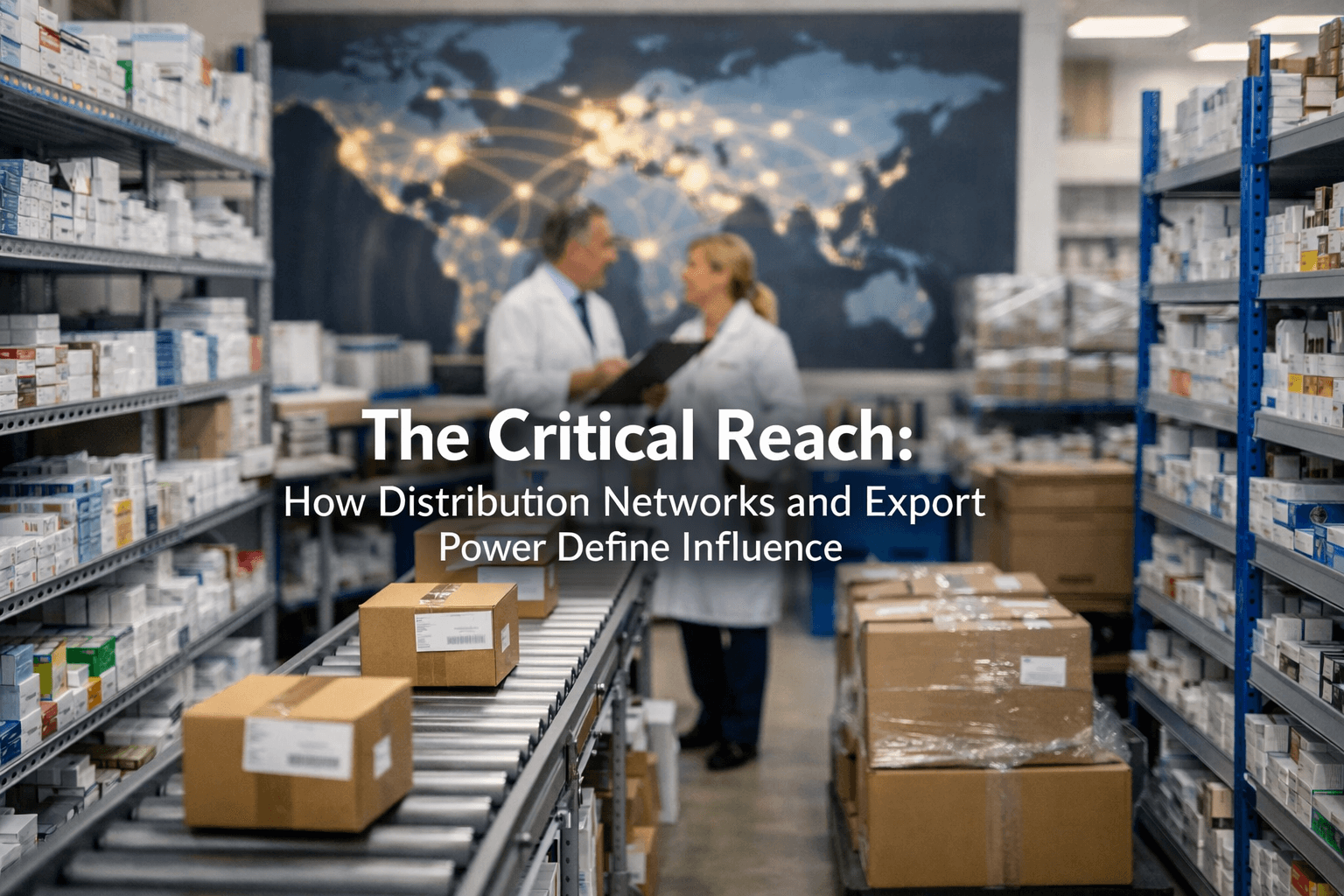
A groundbreaking therapy is meaningless if it cannot reliably reach the patient who needs it. Therefore, the sophistication and scope of a distribution network, coupled with a strong export footprint, are tangible measures of a company’s operational muscle and market influence. This logistical prowess determines product availability, supply chain resilience, and ultimately, market penetration. In the geographically diverse landscape of Malaysia, a robust domestic network is essential. Companies like Pharmaniaga leverage their deep-rooted, nationwide infrastructure to service everything from urban hospital clusters in Selangor to remote klinik kesihatan in Sarawak, ensuring essential medicines are part of the public health fabric.
However, true market leadership often gazes beyond national borders. An extensive export footprint is a hallmark of operational excellence and quality recognition. When a Malaysian-based manufacturer successfully exports generic pharmaceuticals or active pharmaceutical ingredients (APIs) to stringent markets like Singapore or Japan, it broadcasts an incontrovertible message about its GMP compliance and manufacturing caliber. For a multinational corporation like Roche, its global logistics web allows it to implement efficient inventory models, such as regional hubs in Singapore supplying Malaysia, ensuring consistent supply of critical drugs like monoclonal antibodies. This global scale provides a reliable buffer against local supply disruptions. The practical implication for a local pharmacy owner in Penang is straightforward: partnering with a company possessing a strong distribution and export backbone means fewer stock-outs, more consistent pricing, and access to a wider range of products, including those imported through their global channels. It transforms the supplier from a simple vendor into a strategic logistics partner.
Comparative Table: Distribution Model Impact on Pharmacy Operations
| Aspect | Domestic-Focused Network (e.g., Local Generics Manufacturer) | Global Integrated Network (e.g., Multinational Innovator) |
|---|---|---|
| Supply Priority | High-volume, high-velocity essential medicines | High-value, specialty, and temperature-sensitive products |
| Inventory Reliability | Excellent for routine products; may vary for niche items | Highly consistent, supported by global buffer stocks and advanced logistics |
| Pharmacy Operational Impact | Predictable cost and delivery for core stock | Enables service diversification into specialty care areas |
| Key Partnership Benefit | Localized support, flexible terms | Access to global product launches and expert medical support |
Learn more: The Economic Impact of Pharmacy Distribution Services on Malaysia’s Healthcare Sector
The Silent Sales Force: The Strategic Role of Pharmacy Merchandisers
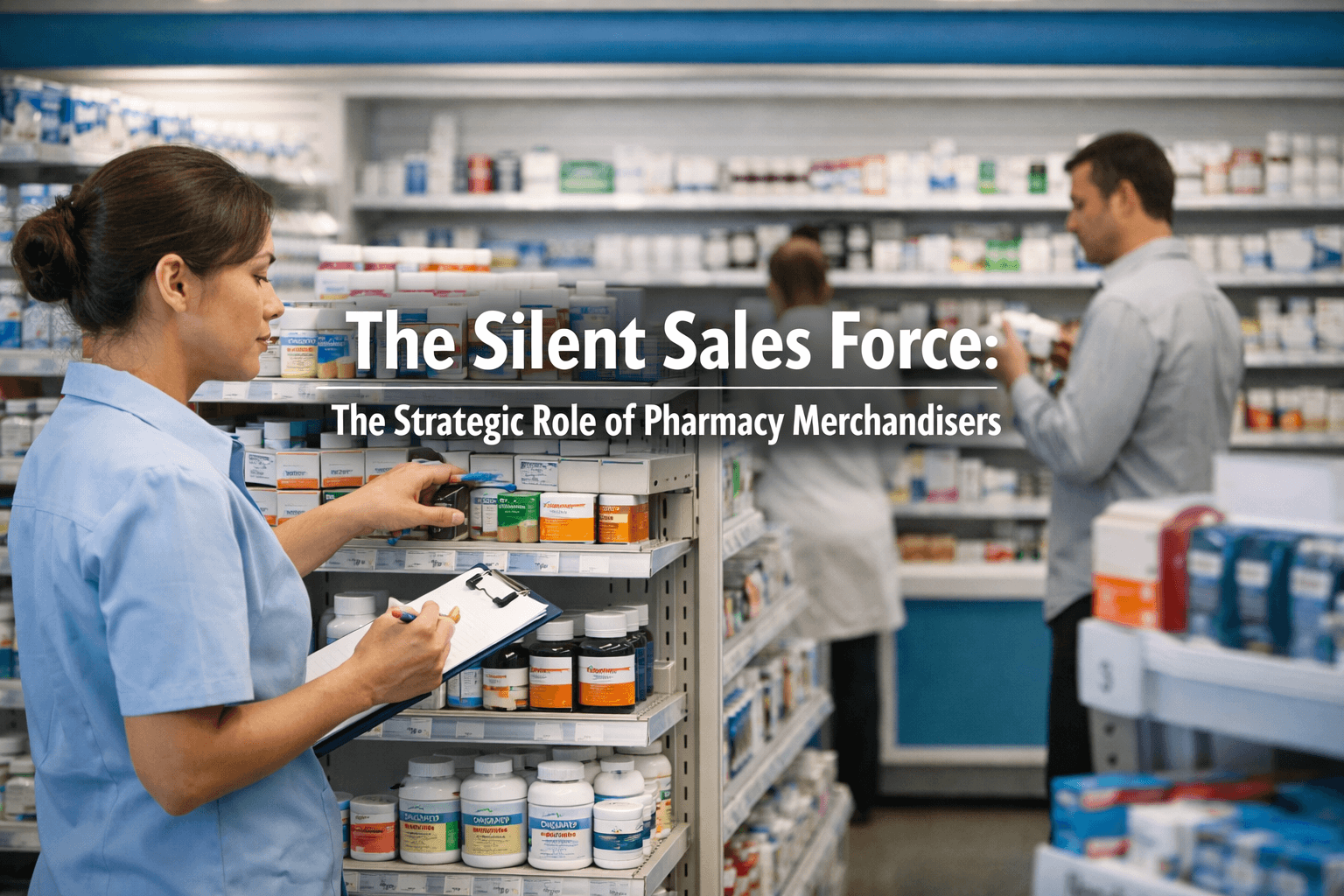
On the frontline of the consumer healthcare battle, within the aisles of a retail pharmacy, product visibility is currency. This is where the pharmacy merchandiser evolves from a tactical support role into a strategic asset for both distributor pharmacies and the pharmaceutical companies they represent. Their work transcends simple shelf-stocking; it involves a nuanced understanding of planogram compliance, promotional execution, and consumer purchase psychology. For a brand manager at a company like CCM Pharmaceuticals, merchandisers are the critical link that ensures their new over-the-counter cough syrup or analgesic garners prime eye-level placement, directly competing for consumer attention in a crowded OTC space.
The collaboration manifests in multiple, tailored approaches. A multinational like Roche might deploy merchandisers to support a targeted sampling campaign for a new diabetes care device, providing hands-on demonstration in select high-traffic pharmacies in Kuala Lumpur and Johor Bahru. From the pharmacist’s perspective, a proficient merchandiser provides immense value. They alleviate the operational burden of maintaining perfect store layouts, ensure promotional materials are correctly displayed, and can provide quick training on new product features—freeing the pharmacist to focus on patient consultation. For the independent pharmacy distributor, their team of merchandisers represents a value-added service that makes them a more attractive partner to both pharmacies and principals. This symbiotic relationship creates a powerful commercial engine: the pharmaceutical company gains effective in-store execution, the distributor strengthens client stickiness, and the pharmacy benefits from optimized sales per square foot and professional category management. It’s a proven model for driving sell-out velocity, which is the ultimate metric that sustains the entire supply chain.
Navigating the Inevitable Hurdles: Industry Challenges and Leader Responses
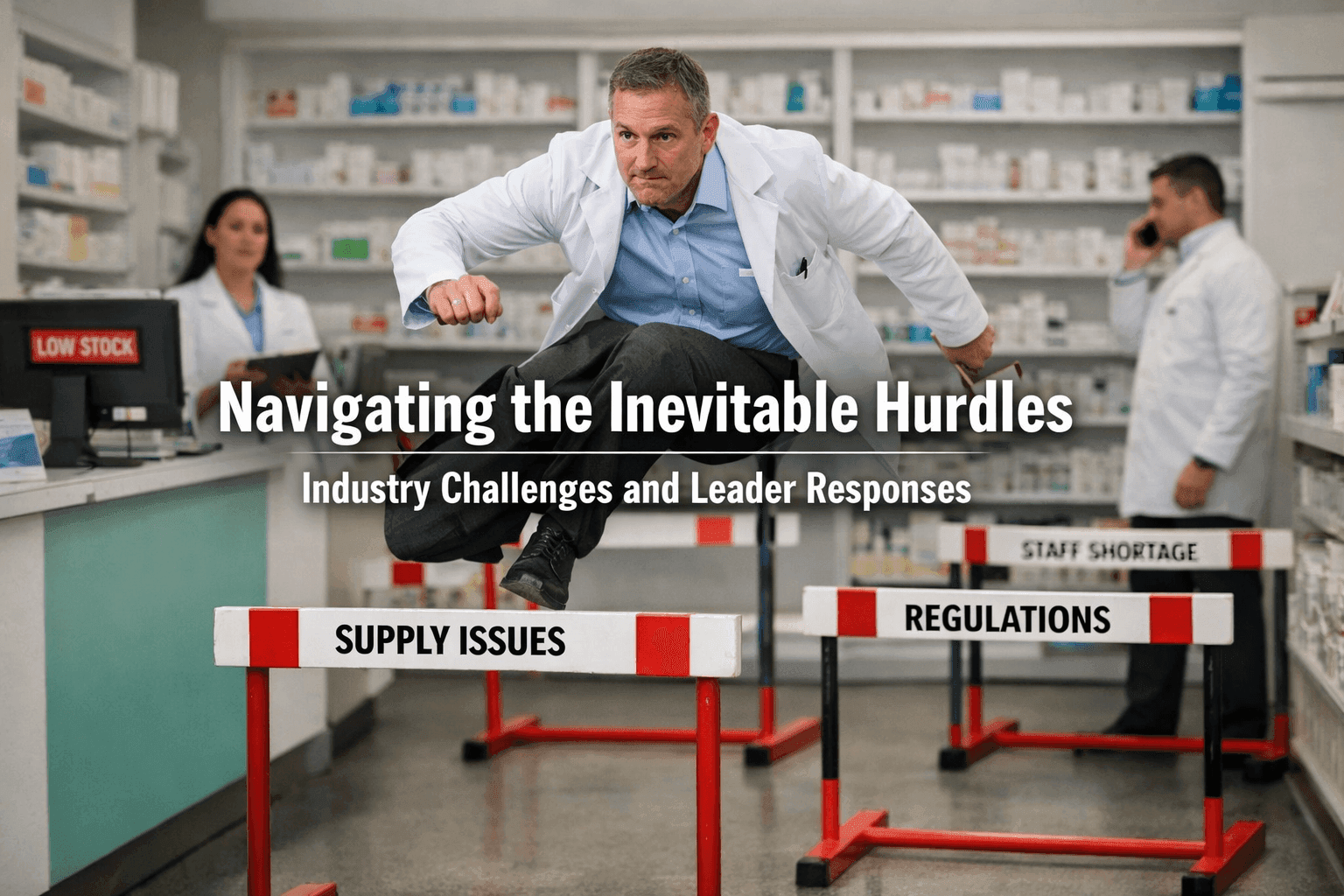
The path to leadership is paved with constant challenges, and the Malaysian pharmaceutical sector presents a dynamic array of them. Navigating this complex environment is what separates resilient leaders from the rest. A predominant, ever-present challenge is the evolving landscape of regulatory compliance. The National Pharmaceutical Regulatory Agency (NPRA) continuously updates its standards for drug registration, pharmacovigilance, and advertising, requiring companies to maintain agile and expert regulatory affairs teams. For a local manufacturer, this means significant ongoing investment in documentation, quality control, and audit readiness just to maintain market access.
Another critical threat is that of counterfeit drugs and substandard medicines, which undermine public health and erode trust in the entire system. Leading companies combat this through robust anti-counterfeiting technologies like serialization and tamper-evident packaging, and by fostering close collaboration with regulators. Pharmaniaga’s role as a government-linked entity places it on the frontline of securing the public supply chain integrity. From the distributor’s point of view, these challenges translate into operational rigor. They must ensure their own warehousing practices meet Good Distribution Practice (GDP) standards to prevent contamination or diversion, and they must source exclusively from verified, reputable suppliers to avoid introducing counterfeit products into their network. The practical implication is that partnerships with the largest, most reliable companies become a form of risk mitigation. These market leaders have the capital and strategic imperative to invest in the security systems, regulatory expertise, and quality infrastructure that act as a shield against these pervasive industry challenges, thereby protecting their partners downstream.
The Evolving Frontier: Digital Integration and Personalized Supply Chains
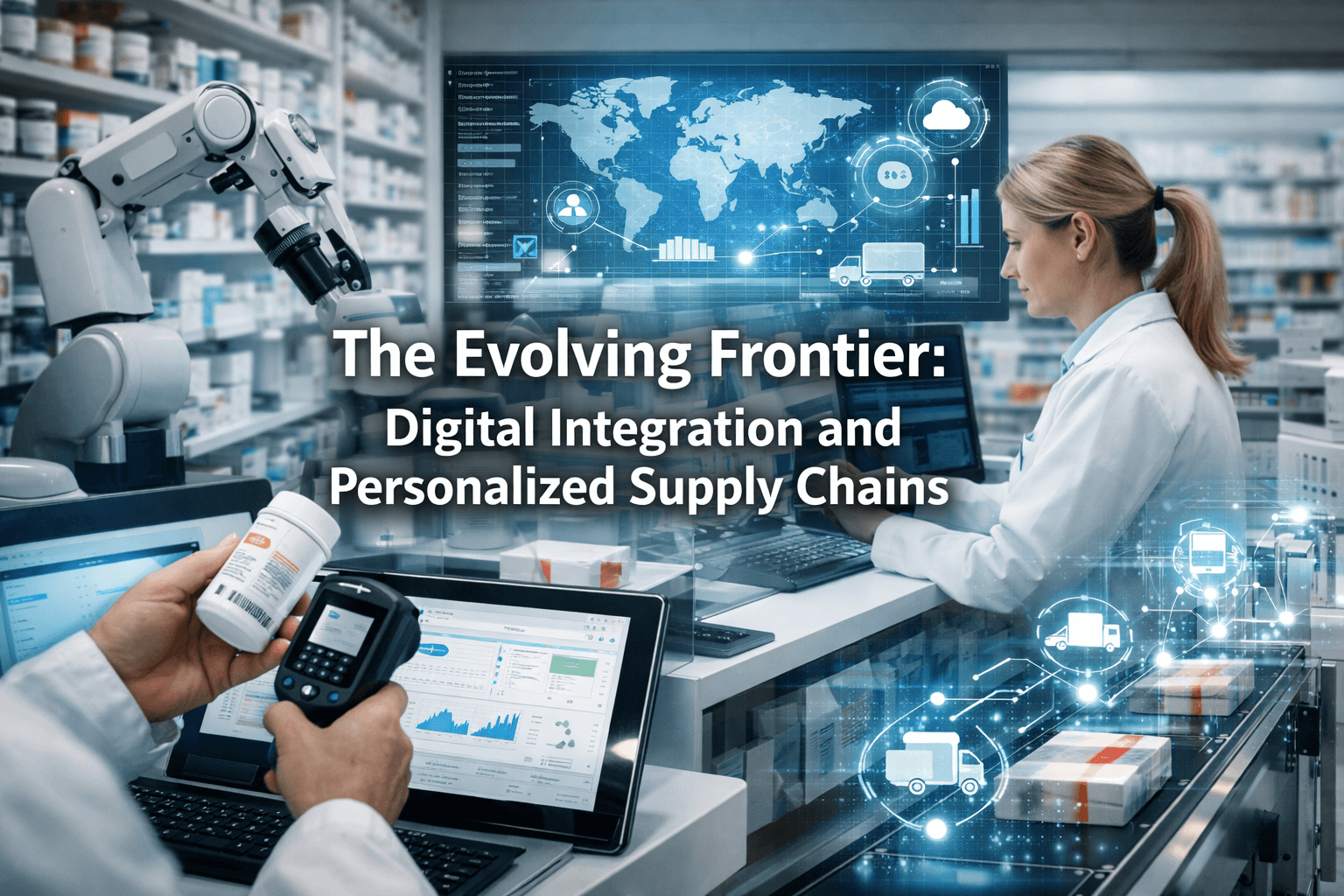
The future of pharmaceutical distribution in Malaysia is being rewritten by digitalization and shifting consumer expectations. The traditional linear model is giving way to a more integrated, data-driven ecosystem. The rise of e-pharmacies and healthtech platforms is not a distant trend but a present reality, compelling every player in the value chain to adapt. Proven leaders are already responding by integrating e-commerce capabilities into their distribution models, enabling direct-to-pharmacy (D2P) ordering platforms that enhance ordering efficiency and provide real-time inventory visibility.
Furthermore, the concept of a personalized supply chain is gaining traction. Advanced data analytics allow for more accurate demand forecasting at the individual pharmacy or hospital level, minimizing stockouts of critical items and reducing wasteful overstock. For a brand manager, this digital shift means marketing strategies must encompass online professional engagement and direct-to-consumer education through sanctioned channels. For the community pharmacist, it presents both a challenge and an opportunity: the need to compete with online convenience, countered by the chance to leverage digital tools for inventory management and to offer value-added omnichannel services like online consultation with in-store pickup. The companies that will define the next era of leadership are those viewing technology not as an add-on, but as a core component of their distribution strategy. They will be the ones building agile, connected networks that can seamlessly fulfill a prescription from a hospital, a bulk tender for a clinic, and a direct consumer order through an app. This evolution promises a more responsive, efficient, and patient-centric pharmaceutical landscape for Malaysia.
Learn more: Pharmacy’s role in the digital transformation of health
Frequently Asked Questions (FAQ)
Q1: What is pharmacy and why is it important?
Answer: Pharmacy is the health profession that links the health sciences with the chemical sciences. It is concerned with the discovery, production, disposal, safe and effective use, and control of medicines and drugs. It is important because pharmacists, as experts in medicines, ensure the safe and optimal use of medications to improve patient health outcomes, prevent disease, and provide essential healthcare advice.
Q2: What services does a pharmacy provide?
Answer: Pharmacies provide a wide range of services, including dispensing prescription medications, offering over-the-counter (OTC) products and advice, providing medication management and counseling, administering certain vaccinations, conducting health screenings, and offering pharmacy care services (e.g., managing minor ailments, chronic disease management support).
Q3: What are pharmacy care services?
Answer: Pharmacy care services, often interchangeable with pharmaceutical care or advanced services, are patient-centered and outcomes-oriented practices where pharmacists work to design, implement, and monitor a therapeutic plan that will produce specific patient outcomes. Examples include Medication Therapy Management (MTM), chronic disease state management, immunization services, and support for smoking cessation.
Q4: Why is pharmacy first important?
Answer: “Pharmacy First” is a common term for schemes that allow patients to seek treatment and advice for minor illnesses directly from a community pharmacy, often without needing to see a GP. It is important because it improves patient access to convenient care, utilizes the pharmacist as a highly accessible healthcare professional, and reduces pressure on other NHS or healthcare services like GP surgeries and emergency departments.
Q5: What is the function of the pharmacy services?
Answer: The primary function of pharmacy services is to ensure that patients receive the appropriate medicines in the correct dose, along with the necessary information and support for their safe, effective, and rational use. This includes inventory management, compounding, dispensing, patient education, and collaboration with other healthcare providers.
Q6: What is pharmacy first service?
Answer: The Pharmacy First service (as implemented in the UK, for example) is a scheme that enables pharmacists to provide advice and, when appropriate, treatment (including prescription-only medicines via Patient Group Directions or by prescribing) for a defined set of common minor ailments (e.g., earache, sore throat, uncomplicated UTIs) directly in the pharmacy, expanding the pharmacist’s clinical role.
Q7: What services are offered by retail pharmacy?
Answer: Retail (or community) pharmacies offer services directly to the public, including dispensing prescriptions, selling over-the-counter medicines and health products, providing medication consultation, administering vaccinations (e.g., flu shots), offering health screening (e.g., blood pressure checks), managing minor ailments, and providing advice on healthy living.
Q8: Why is a pharmacy important?
Answer: A pharmacy is important because it serves as the most accessible healthcare point in many communities. It is crucial for safe and accurate medication dispensing, preventing drug interactions, offering essential health advice, providing primary healthcare interventions, and bridging the gap between patients and prescribers, thereby playing a vital role in public health.
Q9: What are the three types of pharmacies?
Answer: The three main types of pharmacy practice are generally categorized as:
- Community (Retail) Pharmacy: Pharmacies that serve the public directly in a community setting.
- Hospital (Institutional) Pharmacy: Pharmacies located within hospitals and healthcare facilities, serving inpatients and medical staff.
- Industrial (Pharmaceutical) Pharmacy: Involving roles in drug research, manufacturing, quality control, marketing, and regulatory affairs within the pharmaceutical industry.
Q10: Why is good pharmacy practice important?
Answer: Good Pharmacy Practice (GPP) is important because it establishes the standards for quality pharmacy services worldwide, ensuring that pharmacists provide care focused on the patient’s well-being and their use of medicines. GPP ensures safe dispensing, accurate information, professional advice, ethical conduct, and the overall goal of maximizing the positive health outcomes of patients.
How can we assist you today? 😊
Just let us know—we’re here to help!