List of FMCG distributors in Malaysia
The modern Malaysian pharmacy is no longer just a place to fill prescriptions. It has evolved into a health and wellness destination, where consumers expect to find everything from over-the-counter (OTC) medications to the latest health supplements and organic personal care products. At the heart of this transformation lies the FMCG distributor. These entities are the critical link in the pharmaceutical supply chain, ensuring that a diverse range of fast-moving consumer goods flow seamlessly from manufacturers to the shelves of healthcare outlets. For businesses aiming to penetrate or expand within Malaysia’s competitive healthcare market, understanding the operational depth of these distributors is not just beneficial—it is essential.
FMCG distributors in Malaysia do more than just move boxes; they manage the entire logistics ecosystem. This involves procurement, sophisticated warehousing, fleet management, and last-mile delivery to pharmacies ranging from large chains to independent roadside outlets. The complexity increases when we consider the regulatory landscape. Distributors must navigate the requirements of bodies like the National Pharmaceutical Regulatory Agency (NPRA) and the Ministry of Health Malaysia (KKM) . They act as the gatekeepers, ensuring that products—whether they are analgesics or cosmetics—are compliant with national standards before they ever reach the pharmacist’s counter.
Independent pharmacy distributors, pharmacy wholesale distributors, and distributor pharmacies each play distinct roles within this ecosystem. Some focus on broad-market penetration for multinational brands, while others specialize in niche, health-focused products for specific demographics. The common thread among successful operations is reliability. A trusted distributor ensures that a pharmacy in Kota Kinabalu receives the same reliable service and product integrity as one in Kuala Lumpur. This consistency is vital for maintaining brand reputation and meeting the heightened expectations of today’s health-conscious consumers. Without these strategic partners, the gap between a product’s potential and its market reality widens significantly.
Core Functions and Operational Dynamics in the Pharmacy Supply Chain
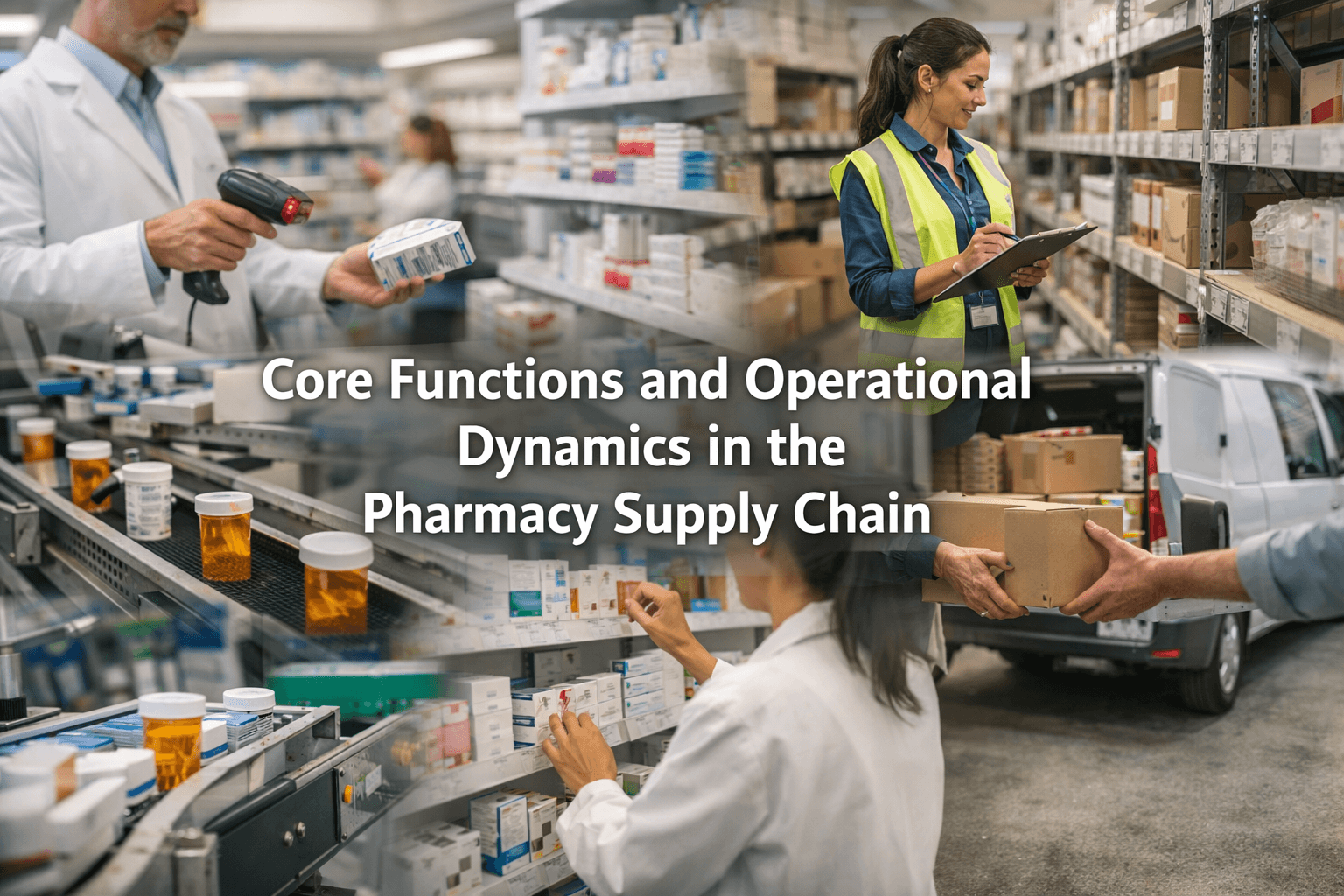
Delving deeper into the operational mechanics, the role of an FMCG distributor in the pharmacy sector is multifaceted and demands expert coordination. It begins with inbound logistics—the complex process of receiving goods from various manufacturers, which may be local or international. This requires efficient warehousing solutions that often include temperature-controlled environments for sensitive items like probiotics or specific OTC syrups. A distributor’s warehouse is a hub of activity, where inventory management systems track thousands of SKUs, ensuring that stock levels are optimized to meet fluctuating demand without leading to costly overstocking.
The next critical phase is outbound logistics and transportation. This is where the rubber meets the road, literally. A distributor’s fleet must be managed with precision to ensure on-time delivery to pharmacy clients. For a pharmacy, a delayed shipment of a popular pain relief brand or a new line of vitamins can mean lost sales and disappointed customers. Therefore, distributors invest heavily in route optimization software and fleet maintenance to guarantee efficient service. They are not merely transporters; they are supply chain partners who provide value through reliable delivery schedules and the ability to handle urgent, ad-hoc orders.
Furthermore, the role extends into merchandising and shelf management. Some distributors, particularly those handling high-volume FMCG products, provide in-store support. Their merchandisers visit pharmacies to ensure that products are displayed correctly, promotions are set up, and shelves are fully stocked. This on-the-ground presence provides invaluable feedback on consumer behavior and competitor activity. They become the eyes and ears of the brand at the point of purchase. This level of service transforms a standard distribution agreement into a strategic partnership, directly influencing sales velocity and brand visibility in a crowded retail environment.
Learn more: The Role of Distributor Pharmacies in Healthcare Supply Chains
Product Mix: From OTC Medications to Wellness Trends

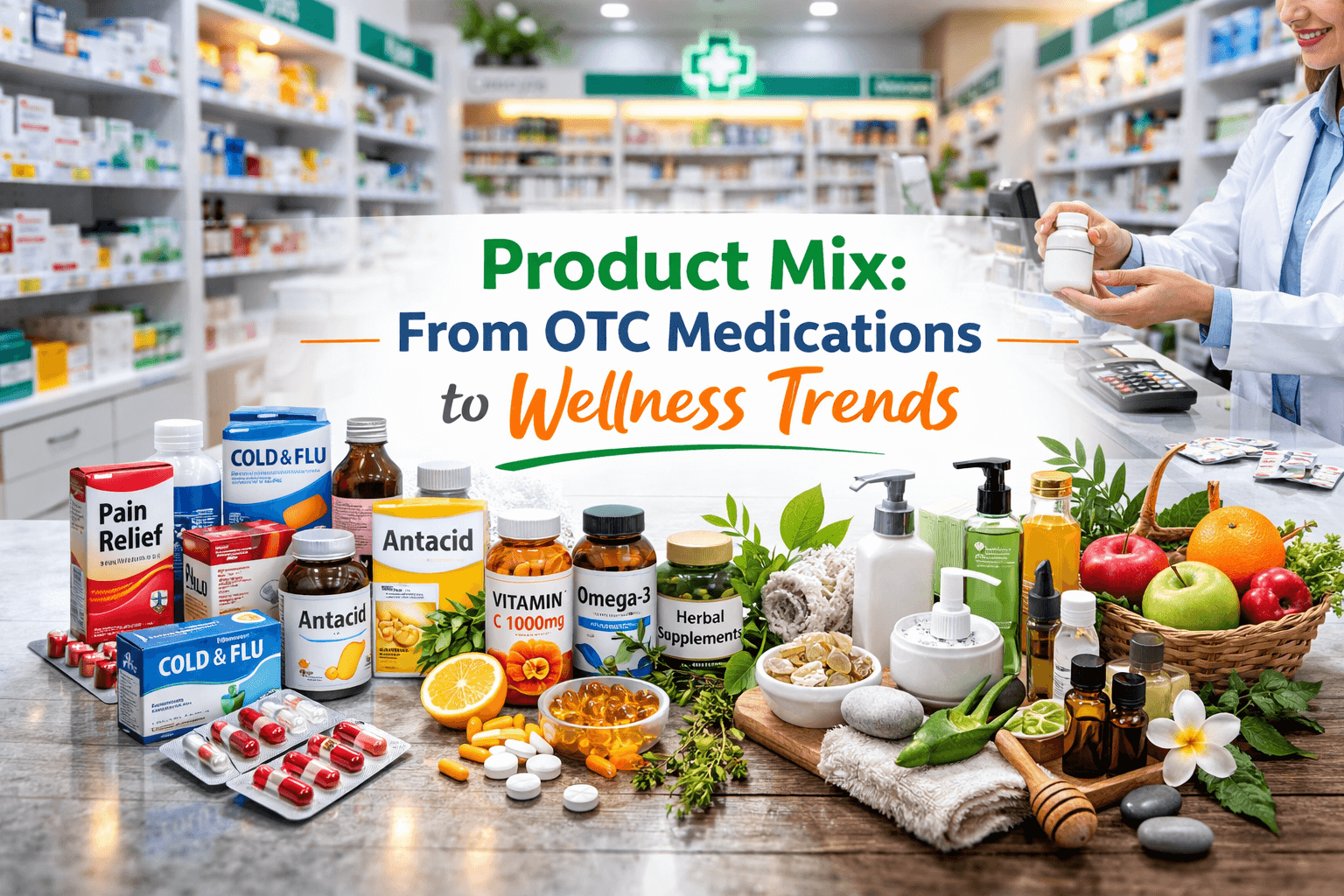
The product portfolio managed by FMCG distributors for the pharmacy trade is remarkably diverse and constantly evolving. Traditionally, the focus was on over-the-counter (OTC) medications—pain relievers, cough and cold remedies, and digestive aids. While these remain the bread and butter of pharmacy retail, the landscape has shifted dramatically towards preventive healthcare. There is a surging demand for health supplements, including vitamins, minerals, and herbal formulations. This shift is driven by a more informed consumer base that views pharmacies as a primary source for wellness advice and products.
In addition to ingestible products, personal care items and cosmetics form a significant portion of the FMCG mix. Items like medicated shampoos, sunscreens, derma-cosmetic ranges, and high-end skincare are now pharmacy staples. These products require a different distribution approach compared to standard medications. They often involve marketing support, testers, and staff training to explain the benefits to customers. A tailored distribution strategy is necessary here, one that understands the nuances of beauty retail within a healthcare setting. The rise of halal cosmetics and natural, organic products further complicates the landscape, requiring distributors to vet suppliers and ensure certifications are in order.
For example, a Malaysian distributor might see a spike in demand for vitamin C and immune-boosting supplements during the monsoon season or haze period. An effective distributor anticipates these trends by adjusting inventory levels months in advance. They work with brand managers to plan promotions that align with these seasonal health concerns. Similarly, the growing popularity of traditional supplements like those containing Tongkat Ali or Kacip Fatimah requires distributors to be culturally attuned and ensure these products meet both NPRA guidelines and consumer expectations for authenticity. This ability to adapt the product mix and distribution tactics based on real-time market intelligence is what separates a proven partner from a simple logistics provider.
Navigating the Landscape of Major Pharmacy Chains and Distributors

The Malaysian retail pharmacy sector is anchored by major players, and understanding how distributors interact with them is key to market success. Chains like Watsons, Guardian, and Caring Pharmacy dominate the landscape, with hundreds of outlets across the nation. These giants have sophisticated procurement systems and demand high service levels from their distribution partners. They require reliable just-in-time delivery, strict compliance with promotional calendars, and often mandate the use of their own warehousing or preferred 3PL partners. For an FMCG distributor, securing a listing with these chains is a major achievement, but it comes with stringent performance requirements.
On the other hand, the ecosystem is also rich with hundreds of independent “farmasi” and smaller regional chains. These outlets present a different challenge and opportunity. They often rely more heavily on independent pharmacy distributors who can offer more flexible terms, smaller order quantities, and personalized service. A distributor might serve a large chain from a central warehouse but use a network of smaller vehicles and local sales reps to service independent pharmacies in places like Penang or Johor Bahru. This dual approach—catering to both mass-market chains and localized independents—is a hallmark of a strategic distribution network in Malaysia.
Below is a comparative look at how distribution strategies might differ when serving these varied client types:
| Distribution Aspect | Major Pharmacy Chains (e.g., Watsons, Guardian) | Independent Pharmacies |
|---|---|---|
| Order Pattern | Large, scheduled orders; forecast-driven | Smaller, frequent orders; often demand-driven |
| Logistics Focus | Centralized delivery to chain warehouses or DCs | Direct store delivery (DSD) to individual outlets |
| Compliance Burden | High; requires EDI integration, strict OTIF metrics | Moderate; requires accurate documentation for local KKMs |
| Relationship Dynamic | Formal, contract-based; category management focus | Relationship-based; owner/ pharmacist trust is key |
| Merchandising Support | Often managed in-house by chain; distributor provides planograms | Distributor reps often help with shelf-stocking and display setup |
| Key Challenge | Meeting volume commitments and avoiding chargebacks | Managing credit terms and delivery costs for low-volume orders |
The Critical Imperative of Regulatory Compliance and Safety

In the Malaysian pharmaceutical and healthcare sector, compliance is not a box-ticking exercise; it is the foundation of consumer safety and brand integrity. FMCG distributors must operate within a strict framework governed by the Ministry of Health Malaysia (KKM) and the National Pharmaceutical Regulatory Agency (NPRA) . These bodies enforce stringent standards regarding product registration, labeling, advertising, and post-market surveillance. A distributor handling pharmacy wholesale must ensure that every product in their warehouse has the necessary product registration number and that all imported goods have cleared customs with the proper permits.
The consequences of non-compliance are severe, ranging from product seizures to hefty fines and reputational damage. This is why pharmacies must be diligent in verifying the compliance status of their suppliers. Collaborating with pharmacy wholesale distributors who prioritize regulatory adherence is a risk mitigation strategy. These distributors maintain up-to-date knowledge of changing regulations, such as new requirements for cosmetic notification or restrictions on certain ingredients in health supplements. They act as a buffer, ensuring that only compliant goods enter the market. For instance, a reliable distributor will have a dedicated regulatory affairs officer who reviews new product dossiers before they are even presented to pharmacy buyers.
From the perspective of a pharmacist, this compliance support is invaluable. A pharmacist in a busy outlet does not have the time to verify the NPRA status of every new bottle of vitamins that arrives. They trust their distributor partners to have done that work. This trust is the bedrock of the relationship. Conversely, a brand manager looking to launch a new range of organic personal care items must select a distributor with a proven track record in regulatory navigation. The distributor’s expertise in preparing the necessary documentation and liaising with authorities can significantly shorten the time-to-market for new products, providing a strategic advantage in a fast-moving consumer environment. This shared commitment to compliance ensures the entire supply chain operates with integrity, ultimately protecting the end consumer.
Learn more: Regulatory Landscape for Pharmacy Distribution in Malaysia | Regulatory Compliance and Risk Management in Pharmaceuticals and Healthcare
Strategic Considerations for Choosing the Right FMCG Distributor
Choosing the right FMCG distributor for a pharmacy involves evaluating various factors such as reliability, distribution efficiency, and product availability. It’s not merely about signing a contract; it is about vetting a partner who will serve as the critical link between your brand and the end consumer. Distributors must have a proven track record of meeting delivery deadlines, managing inventory effectively, and ensuring product compliance with the stringent laws set by Malaysia’s National Pharmaceutical Regulatory Agency (NPRA) . For pharmacy owners and brand managers, the selection process must extend beyond surface-level capabilities. It is essential to align distributor selection with long-term business goals, ensuring a strategic partnership that supports both operational efficiency and market expansion. Whether you are launching a new supplement line or expanding an existing range of analgesics, tailored strategies for managing product flow and improving stock availability are critical for maintaining a seamless supply chain.
To make this decision more actionable, consider using a simple evaluation framework. When assessing potential partners, look beyond their fleet size and look at their standard operating procedures (SOPs) .
Reliability Check: Do they provide a delivery lead time that matches your pharmacy’s peak hours?
Efficiency Audit: How do they handle stock rotation (FEFO/FIFO) to prevent expired goods?
Compliance Verification: Are their vehicles equipped with temperature-controlled systems for sensitive items?
Track Record: Can they provide references from similar-sized pharmacies or brands?
Learn more: The New Model for Consumer Goods | Understanding Consumer Behavior
The Impact of Digital Transformation on FMCG Distribution in Malaysia
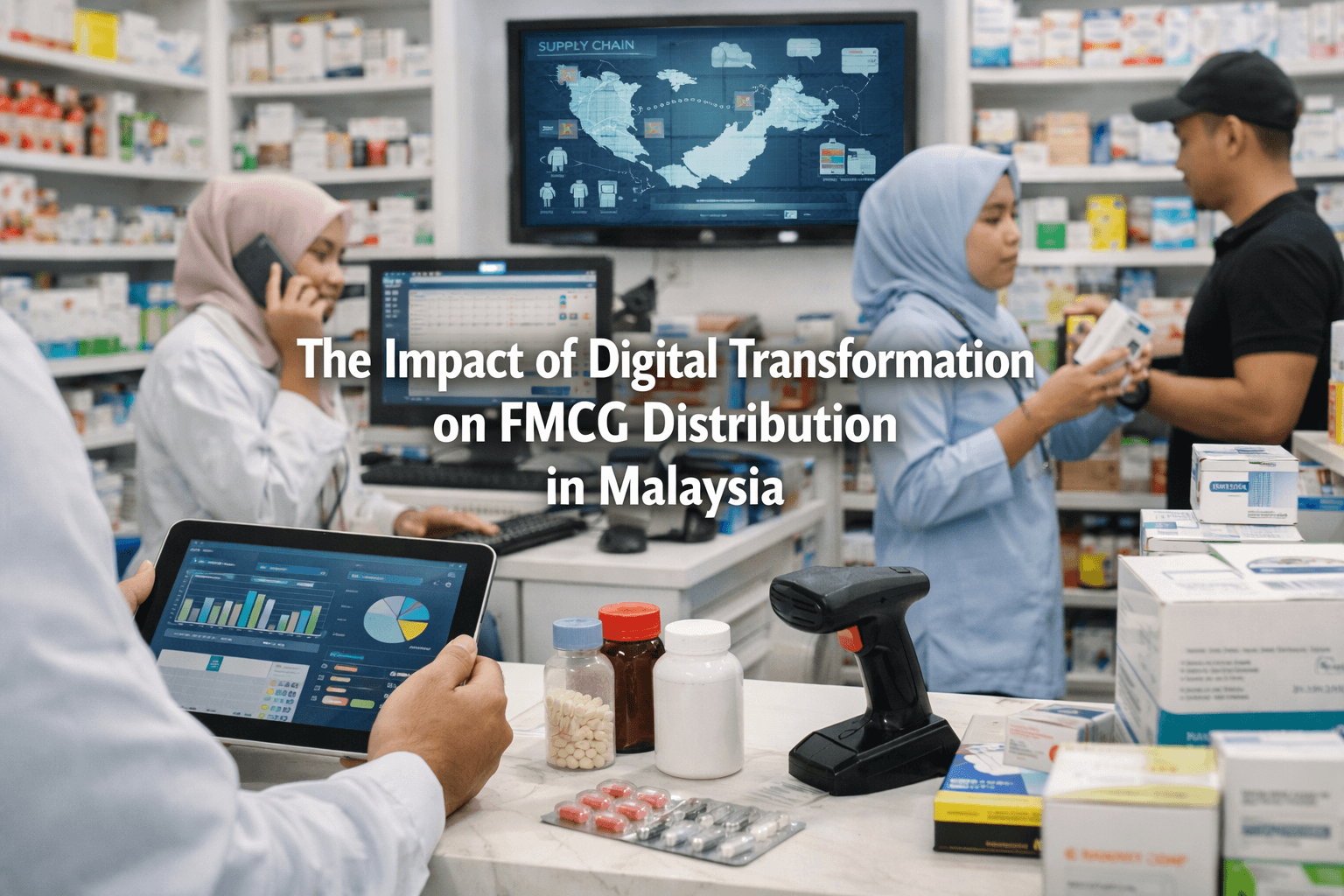
Digital transformation is radically reshaping FMCG distribution in Malaysia, especially within the pharmacy sector. The days of relying solely on clipboard-and-paper logistics are fading. Today, digital tools—such as cloud-based inventory management systems, predictive analytics, and integrated e-commerce platforms—are allowing distributors to streamline operations and improve efficiency at scale. This data-driven decision-making enables distributors to optimize stock levels with surgical precision, predict consumer demand based on historical sales data, and track shipments in real-time across Peninsular Malaysia. For a pharmacy in Kota Kinabalu, this means fewer stockouts of essential items; for a distributor in Selangor, it means optimized delivery routes that save fuel and time.
This shift to a more digital-first approach is also helping pharmacies meet compliance requirements more effectively. Digital audit trails ensure that every batch can be traced from the warehouse to the shelf, which is invaluable during NPRA audits. Furthermore, the integration of e-commerce data allows brick-and-mortar pharmacies to align their physical stock with online demand, enhancing the overall customer experience. The rise of these technologies is paving the way for a more efficient, transparent, and responsive distribution system in Malaysia. It’s no longer just about moving boxes; it’s about moving intelligent data alongside those boxes.
Learn more: Digital Transformation in Malaysia’s Pharmaceutical Distribution Services | Post-Pandemic World: Future of Logistics and Supply Chain Solutions
Case Studies: Successful FMCG Distribution Partnerships in Malaysian Pharmacies
Several successful partnerships between FMCG distributors and Malaysian pharmacies highlight the value of efficient, strategic collaborations. For instance, consider a local halal-certified supplement brand looking to break into the competitive market. By partnering with a distributor that had an established GIT (Good Distribution Practice) network, they were able to secure shelf space in major pharmacy chains like Watsons or Guardian within months. This wasn’t just about logistics; the distributor provided crucial market intelligence, advising on packaging that appealed to the local demographic while ensuring strict adherence to Malaysian cosmetic and health supplement regulations. This proven approach ensured that new products were quickly introduced into the market, meeting consumer demand while maintaining safety standards.
From the perspective of an independent pharmacy in a suburban area, a reliable distributor acts as an extension of their business. They rely on distributors not only for stock but also for the development of tailored marketing and promotional strategies. A good distributor might provide in-store merchandisers who help arrange end-cap displays for immune-boosting vitamins during flu season, enabling pharmacies to maximize product visibility and drive impulse purchases. Insights from these case studies provide valuable lessons: the most successful partnerships are those where the distributor acts as a strategic consultant, not just a supplier. They understand that optimizing their collaboration directly enhances supply chain performance and profitability for everyone involved.
Challenges and Opportunities in FMCG Distribution for Malaysian Pharmacies
Despite the many advantages of partnering with FMCG distributors, there are challenges that pharmacies must navigate. Logistical issues in East Malaysia, for example, can be complex due to geographical constraints, leading to potential delays. Regulatory delays at the import stage or sudden product shortages due to global supply chain disruptions are also common hurdles. However, these challenges also present significant opportunities for improvement. For example, optimizing inventory management systems with AI-driven forecasting can help overcome stock shortages by predicting spikes in demand for items like pediatric cough syrup during the monsoon season.
Moreover, fostering better communication protocols with distributors can resolve delays in product delivery. Pharmacies can also work with distributors to enhance transparency in tracking and reporting, ensuring that products are compliant and available when needed. This is where the role of the independent pharmacy distributor becomes particularly vital; they often provide the flexibility and personalized service that larger conglomerates cannot. By addressing these challenges strategically—perhaps through shared risk management frameworks or joint business planning sessions—pharmacies can build stronger, more efficient distribution networks that are resilient to market volatility.
To illustrate the value-add of different distribution models, consider the following comparative table highlighting the role of distributor-provided services versus in-house capabilities:
| Service Area | Provided by Distributor (Value-Add) | Managed In-House by Pharmacy |
|---|---|---|
| Inventory Replenishment | Automated systems predict reorder points based on real-time sales data. | Manual stock checks, often leading to overstocking or stockouts. |
| Compliance & Documentation | Distributor manages NPRA lot number tracking and expiry date monitoring. | Pharmacy owner spends hours on paperwork and recall management. |
| Shelf Merchandising | Trained merchandisers ensure brand visibility and promotional setup. | Pharmacy staff focus on counter service, neglecting shelf optimization. |
| Market Intelligence | Distributors provide data on competitor pricing and consumer trends. | Limited visibility on broader market movements and category performance. |
Conclusion: The Future of FMCG Distribution in Malaysia’s Pharmacy Industry
The future of FMCG distribution in Malaysia’s pharmacy sector is set to evolve dynamically with the rise of digital tools, impending regulatory changes, and shifting consumer demands. The growing interest in wellness products, natural health supplements, and halal nutraceuticals presents new opportunities for distributors and pharmacies to adapt their product mix. Additionally, the integration of technology—from blockchain for traceability to AI for demand planning—will help streamline operations, ensuring greater efficiency and transparency. By cultivating strategic, reliable partnerships with FMCG distributors, pharmacies can position themselves for success in a rapidly changing marketplace, ensuring they remain the go-to destination for health and wellness in their communities.
FAQs (Frequently Asked Questions)
Q1: What are the top 5 FMCG companies?
The top 5 FMCG companies globally include Procter & Gamble, Unilever, Nestlé, PepsiCo, and Coca-Cola. These companies dominate the FMCG sector with a wide range of consumer products across various categories.
Q2: What is FMCG in Malaysia?
FMCG (Fast-Moving Consumer Goods) in Malaysia refers to products that are sold quickly at relatively low costs. These goods include items like food, beverages, toiletries, and household products, which are essential in everyday life and have a high turnover rate in retail.
Q3: Which distribution channel is most commonly used in the FMCG industry?
The most commonly used distribution channels in the FMCG industry include direct sales, wholesalers, retailers, and e-commerce platforms. Retailers such as supermarkets and convenience stores play a key role in distributing FMCG products.
Q4: Which is the leading FMCG company?
Unilever is often considered one of the leading FMCG companies globally due to its extensive portfolio of popular brands in food, personal care, and home care categories.
Q5: Who is the big player in FMCG?
The big players in FMCG include multinational companies like Unilever, Procter & Gamble, Nestlé, and PepsiCo. These companies have a significant global market share and influence in the FMCG sector.
Q6: Which FMCG product is most profitable?
The most profitable FMCG products are often in the personal care, food, and beverages categories, with products like premium skincare, beverages (e.g., Coca-Cola), and packaged foods (e.g., Nestlé) typically seeing high-profit margins.
Q7: What are the major FMCG products?
Major FMCG products include food and beverages, toiletries, cleaning products, and personal care items. Popular examples include snacks, packaged drinks, shampoos, detergents, and toothpaste.
Q8: What are the three major segments of the FMCG industry?
The three major segments of the FMCG industry are:
Food and Beverages
Personal Care and Household Products
Health and Wellness Products
Q9: What are the new trends in the FMCG sector?
New trends in the FMCG sector include a growing demand for sustainable and eco-friendly products, plant-based and healthy food options, online retail and e-commerce growth, and innovations in packaging to reduce waste.
Q10: What are FMCG logistics companies?
FMCG logistics companies specialize in the transportation, storage, and distribution of fast-moving consumer goods. These companies manage the supply chain to ensure products are delivered efficiently to retailers and consumers.
Our Services
Our marketing and sales teams use their strong relationships with the channel to create demand for your product at every stage of its lifecycle.
Demand creation services we offer:
Market Access Services
Regulatory Registration Services
Pharma Product Listing Services
Merchandising services (RSMS)
Brand Management
Logistic & Warehousing
Exclusive Merchandising Services
Visual Merchandising
Discover More About Our Solution
How can we assist you today? 😊
Just let us know—we’re here to help!
