Sell to pharmacy
For brands aiming to scale their presence in Southeast Asia’s vibrant healthcare sector, Malaysia represents a landscape of significant potential. The nation’s pharmacy market is not a monolithic entity; it is a dynamic ecosystem composed of established large pharmacy chains like Guardian and Watsons, alongside a vast network of independent community pharmacies that serve local neighborhoods. Successfully navigating how to sell to pharmacies here requires more than just a quality product—it demands a strategic grasp of local nuances. To truly penetrate this space, a brand must move beyond simple distribution and cultivate a nuanced understanding of pharmacy retail onboarding.
Consider the operational reality of a new skincare brand launching in Kuala Lumpur. They might secure a listing with a major chain, only to find that independent pharmacies in Penang or Johor Bahru operate under entirely different buying criteria and customer demographics. This is where the choice of a pharmacy distributor Malaysia partner becomes a make-or-break decision. A distributor with a hybrid model—capable of servicing both the centralized procurement of a chain and the personalized needs of an independent pharmacist—provides a distinct competitive advantage. They act as the bridge, translating a brand’s ambitions into tangible shelf presence. For brands, the initial step is recognizing that the distribution channel is not merely a logistics function; it is an extension of their brand strategy, requiring careful alignment with partners who understand the local terrain.
Before any product lands on a shelf, a rigorous assessment of distribution partnerships is non-negotiable. Brands must conduct due diligence on potential partners, evaluating their reach, reputation, and warehousing capabilities. Furthermore, a pricing strategy must be developed that accounts for the margins expected by both distributors and retailers, while remaining competitive for the Malaysian consumer. A clear-eyed view of regulatory compliance (specifically NPRA product requirements) from the outset prevents costly delays. By meticulously evaluating these pillars—partnership, compliance, and pricing—a brand builds a reliable foundation for market entry, transforming what could be a logistical hurdle into a strategic launchpad.
Navigating the Regulatory Landscape for Pharmacies in Malaysia
Before a single unit can be sold, the first and most critical gatekeeper is the National Pharmaceutical Regulatory Agency (NPRA) . This body operates under the purview of the Ministry of Health, and its mandate is to safeguard public health by ensuring the safety, quality, and efficacy of all health-related products. For any brand, understanding this regulatory environment is not just about compliance; it is about building a trusted reputation from the ground up. The NPRA’s oversight extends to all corners of the market, meaning that any oversight in this phase can derail even the most strategic go-to-market plan.
The Role of NPRA in Product Approval
The NPRA product requirement process is comprehensive and designed to leave no stone unturned. It mandates that all medicines, health supplements, and cosmetics undergo a strict approval process prior to being listed. This involves a detailed dossier submission, which may include data on safety trials, manufacturing processes, and ingredient verification to ensure alignment with Malaysian standards. For a pharmaceutical company, this is a familiar, albeit rigorous, path. However, for a skincare brand venturing into the pharmacy channel for the first time, the requirements can be a complex maze. The product must be correctly categorized—is it a cosmetic, a drug, or a quasi-drug? This classification dictates the specific data requirements and the timeline for approval. Failure to accurately classify a product can lead to application rejection, wasting valuable time and resources.
Steps for Securing KKM Approval
Securing KKM approval (a term often used interchangeably with NPRA approval, referencing Kementerian Kesihatan Malaysia) is the definitive green light for market entry. The process is methodical. First, brands must engage a registered local representative, often a pharmacy wholesale distributor, to act as the product registration holder. This local entity is crucial, as they are responsible for liaising with the authorities and ensuring ongoing compliance. The application itself requires meticulous preparation, including product samples, labels, and scientific evidence to support any health claims. A common pain point for international brands is underestimating the importance of localized labeling; all labels must include Bahasa Malaysia, and metric measurements must be used. Once submitted, the NPRA’s Drug Control Authority reviews the application, a process that can take several months. The outcome is either a Notification of Cosmetic Product or a Product Registration Certificate for higher-risk categories. This document is the brand’s passport to the Malaysian pharmacy market. A proven strategy here is to involve your distributor early in this process; an experienced distributor pharmacy will have established relationships and a clear understanding of how to navigate the NPRA’s requirements efficiently, making the entire process far more effective.
Identifying the Right Distribution Channels for Your Products
With regulatory approval secured, the focus shifts to the arteries of the market: the distribution channels. Malaysia offers a dichotomous landscape where modern trade meets traditional commerce, and this is reflected in its pharmacy distribution. Choosing the correct pathway is an essential determinant of market penetration speed and depth. Brands must decide whether to partner with entities that service the sprawling networks of连锁药店 or those that cater to the personalized service of the neighborhood farmasi. This decision will influence everything from pricing to promotional strategies.
Understanding Distribution Models
Two primary models dominate the scene: independent pharmacy distributors and distributor pharmacies. Independent pharmacy distributors often function as specialized wholesalers. They excel in serving niche markets—perhaps focusing on organic wellness products, sports nutrition, or specific medical devices. Their strength lies in their agility and the flexible arrangements they can offer to both brands and the independent pharmacies they serve. They might provide more personalized merchandising support or accept smaller order quantities, which is ideal for a brand testing the market. On the other hand, a distributor pharmacy often refers to a large entity with its own retail network or the capability to service major chains. These players possess broader networks and greater logistical reach, equipped to handle the volume and centralized procurement systems of giants like Big Pharmacy or Alpro. Their operations are efficient and standardized, ensuring rapid stock movement across the country.
Choosing the Right Partner: A Comparative View
The choice between these models is not about which is superior, but which is more tailored to the brand’s objectives. A brand aiming for mass-market saturation might lean towards a large distributor pharmacy, while one cultivating an exclusive, premium image might prefer a specialized independent distributor. To clarify this decision, consider the following framework:
| Evaluation Criteria | Large Distributor Pharmacy (e.g., servicing chains) | Independent Pharmacy Distributor (e.g., servicing single outlets) |
|---|---|---|
| Reach & Scale | Broad, national coverage. Efficient for mass distribution. | Targeted, regional coverage. Strong in specific communities. |
| Relationship Model | Transaction-based, focused on volume and central procurement KPIs. | Relationship-driven, focused on trust and personalized service. |
| Flexibility | Lower. Adherence to strict planograms and centralized ordering systems. | High. Willing to negotiate terms, trial new products, and adapt to local demand. |
| Support & Merchandising | Standardized, chain-wide promotional programs and shelf placements. | Customized, in-store support with direct feedback from pharmacists. |
| Best Suited For | Mass-market OTC products, well-established brands with high volume. | Niche, premium, or new-to-market brands requiring hand-holding. |
From the perspective of a brand manager, the large distributor offers speed and scale. However, a pharmacist at an independent store might feel that their specific customer base—elderly patients requiring chronic care advice—is better served by products brought in by a distributor who understands their unique consultation-based model. The most strategic approach involves a hybrid assessment: using a large partner for flagship chains while simultaneously engaging a specialized distributor to build a reliable presence in the independent sector, ensuring no part of the market is left untapped.
Learn more: The Role of Distributor Pharmacies in Healthcare Supply Chains | Pharmacy Distribution Challenges in Southeast Asia
Preparing Your Product for Pharmacy Shelves: Category Fit and Planogram Requirements
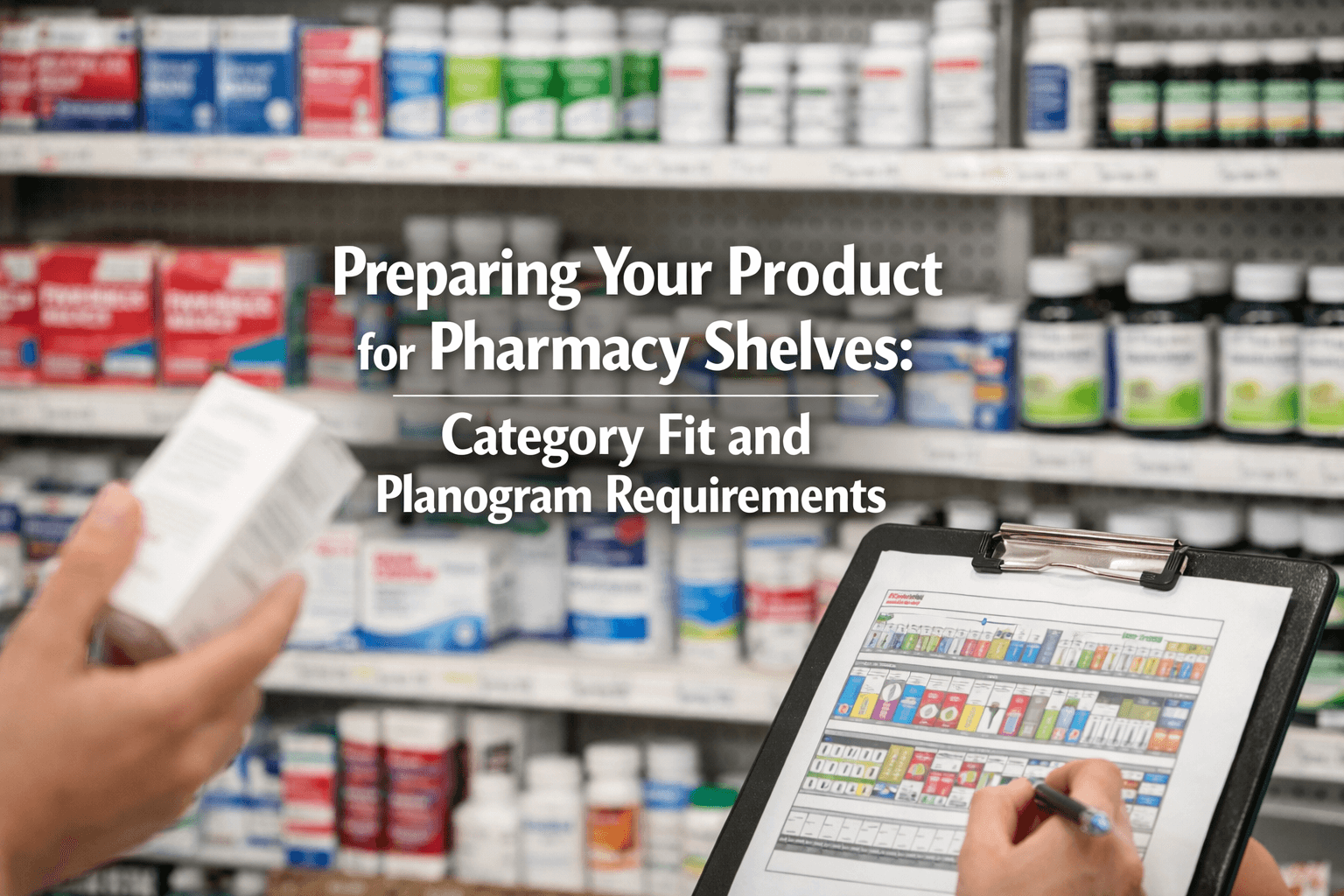
Securing a distribution agreement is a significant victory, but the battle for the consumer’s attention is won or lost at the shelf edge. This is where product category fit and planogram requirements come into sharp focus. A product that is approved and distributed can still fail if it is misplaced, poorly merchandised, or visually lost among competitors. The pharmacy floor is a carefully curated space, and understanding its logic is effective marketing in its purest form.
Aligning Your Product with Pharmacy Categories
Pharmacies in Malaysia, much like their global counterparts, organize their inventory into distinct product categories to facilitate the shopping journey. The primary distinctions are between Over-the-Counter (OTC) products, which consumers can freely browse; prescription-based (Rx) items, which are dispensed from behind the counter; and the rapidly growing wellness products segment, which includes vitamins, supplements, and cosmeceuticals. A brand’s first task is to ensure its product is slotted into the correct category. A therapeutic skincare line for eczema, for instance, might sit at the intersection of OTC and wellness, requiring signage that educates the consumer on its therapeutic benefits. Packaging and labeling must speak directly to this placement. A wellness product benefits from bright, informative packaging that highlights key ingredients like “Collagen” or “Vitamin C,” while an OTC pain relief product must communicate its active ingredients and dosage clearly and authoritatively. Misalignment here confuses the consumer and reduces the likelihood of purchase.
The Strategic Role of Planograms and Merchandisers
Once categorized, the product’s fate is largely determined by the planogram—the visual map that dictates exactly where every item belongs on the shelf. This is not a random arrangement; it is a data-driven strategy designed to maximize product visibility and sales. A well-executed planogram considers consumer buying habits, seasonal trends, and current promotional offers. For example, during the monsoon season, a pharmacy might allocate prime, eye-level shelf space to immune-boosting supplements and cold remedies. Merchandisers, the field-level executors of brand strategy, play a pivotal role here. They are the ones who physically arrange the products according to the planogram, ensuring that a new health supplement is placed next to established market leaders to benefit from category traffic. They also monitor shelf health, removing outdated stock and ensuring the display is fully stocked and facing forward. From a brand’s perspective, a strong relationship with a merchandiser is invaluable. They can provide real-time feedback on how a product is performing relative to its neighbors and alert the brand to any issues with shelf placement. This on-the-ground intelligence is an essential feedback loop, allowing for agile adjustments to in-store strategy. For a local Malaysian brand producing halal-certified health drinks, having a dedicated merchandiser who can explain the product’s unique selling points to pharmacy staff and ensure it is placed in the high-traffic wellness section can be the difference between a slow mover and a bestseller. The collaboration between the brand’s strategy and the merchandiser’s execution is where the theoretical meets the practical, ensuring the product is not just on the shelf, but positioned for success.
Learn more: Top 10 Pharmaceutical Companies in Malaysia | Consumer Behavior in Healthcare: Key Insights
Commercial Terms and Pricing Strategies for Malaysian Pharmacies
Understanding the commercial terms and pricing strategies in the Malaysian pharmacy sector is crucial for maintaining a profitable relationship with both distributors and retailers. It’s the financial architecture of your partnership, and getting it wrong can lead to friction, while getting it right builds a foundation of trust that lasts for years.
Setting Competitive Margins
Pricing your product effectively can make or break your success in pharmacies. Consider market demand, competitor prices, and the retail markup when setting your pricing structure. It’s important to maintain competitive margins that are profitable for both the brand and the distributor. In the Malaysian pharmaceutical market, the margin expectations can vary significantly between a modern Guardian or Watsons outlet and a standalone community pharmacy in Kota Kinabalu. For instance, while a large chain might operate on thinner margins due to high volume, a smaller pharmacy in a suburban area of Johor Bahru relies on higher margins per unit to sustain their business. A smart strategy here is to build in a recommended retail price (RRP) that allows for this flexibility. This ensures that regardless of where the product is sold, from a busy Kuala Lumpur pharmacy to a rural clinic, the retailer feels they are getting a fair deal.
Volume-Based Discounts and Pricing Flexibility
Offering volume-based discounts can encourage larger orders from distributors, benefiting both parties. However, ensure that your pricing structure remains efficient and does not sacrifice product value for price. This is where a tiered pricing model becomes an essential tool. For a distributor handling high-volume fast-moving consumer health goods (FMCG) like vitamins or analgesics, a 5% discount on orders exceeding RM 50,000 might be the incentive they need to push your brand over a competitor’s. But its not just about discounts; its about structuring terms that reflect the cash flow realities of your partners. Some distributors may appreciate early payment terms—a small discount for settling invoices within 15 days, for example. This can improve their cash conversion cycle and makes your brand a preferred partner. Yet, caution is needed. Over-discounting can devalue your product in the eyes of the consumer. If a pharmacy sees your product perpetually on sale, they may hesitate to stock it at full price, perceiving it as overpriced to begin with. Therefore, a strategic approach to volume discounts must be coupled with a clear understanding of the product’s perceived value. An effective pricing strategy in this context isn’t just about being the cheapest; it’s about being the most reliable partner in terms of value and consistency.
Learn more: NPRA Product Registration Guideline | Guidelines for Pharmacy Retailers in Malaysia
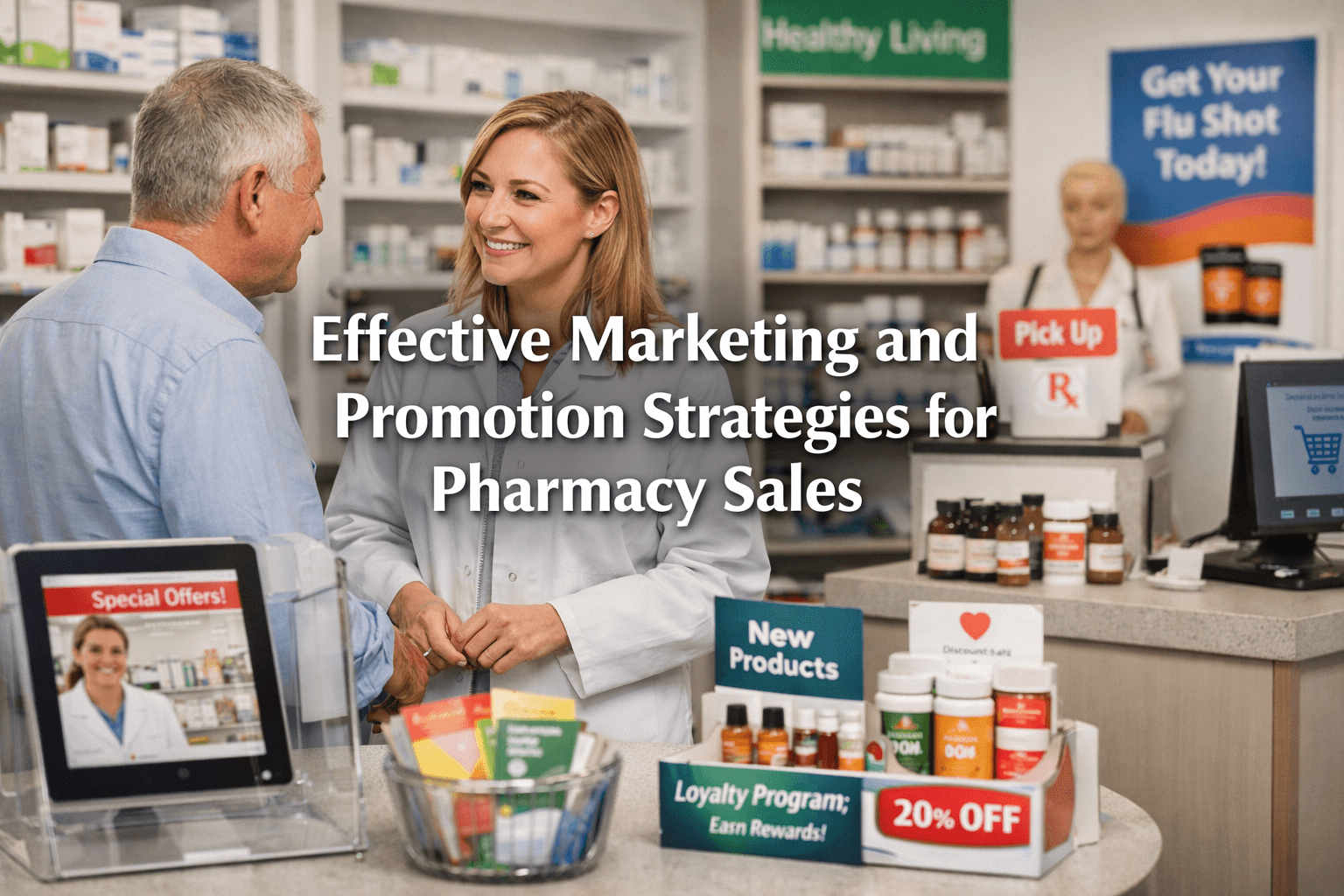
Effective Marketing and Promotion Strategies for Pharmacy Sales

A strategic marketing approach is essential for promoting your product within the pharmacy sector. Leveraging in-store promotions and digital platforms can significantly increase product awareness, but in a crowded market like Malaysia’s, generic tactics simply won’t cut it. The key lies in integration—bridging the gap between the digital screen and the physical shelf.
Tailored Marketing Approaches for Pharmacies
A tailored marketing plan that aligns with the needs of pharmacy retail onboarding is essential. This includes promotional offers, product samples, and digital campaigns targeting pharmacies, healthcare professionals, and consumers. In the Malaysian context, this means moving beyond simple leaflets. For example, running a targeted Facebook campaign that reaches consumers in the Klang Valley and directing them to a specific pharmacy chain for a free sample can drive foot traffic and create immediate demand. This tactic not only benefits you but also endears you to the pharmacy owner, who sees tangible results from your marketing spend. Furthermore, engaging with the pharmacists themselves is critical. In Malaysia, pharmacists are highly trusted healthcare advisors. Providing them with Continuing Medical Education (CME) materials or hosting small dinner talks about your product’s clinical efficacy can turn them into powerful advocates. When a pharmacist personally recommends a product for diabetic care or hypertension, the conversion rate is exponentially higher than any shelf talker.
Cross-Promotion and Partnership Opportunities
Building relationships with other healthcare brands can lead to valuable cross-promotion opportunities. Collaborative marketing initiatives, such as bundled offers or joint advertising, can help boost sales and brand visibility. Imagine a partnership between a brand selling prenatal vitamins and a brand offering stretch mark creams. A bundled “Mother’s Wellness Kit” sold exclusively through a network of Malaysian pharmacies creates a win-win situation. Both brands share the marketing cost and benefit from the combined customer base. Similarly, consider the operational scenario of a new supplement brand entering the market. Instead of massive, expensive billboards, they could partner with a well-established sports nutrition brand to co-host a webinar on fitness and recovery, featuring their product as the recovery aid. This expert positioning builds credibility without the hard sell. These cross-promotions also work well with pharmacy chains themselves. Guardian or Big Pharmacy often run thematic campaigns, like “Back to School” or “Hajj Preparation.” Aligning your product—be it multivitamins or travel health kits—with these themes and contributing to the marketing fund can secure prime placement and feature in their newsletters, a proven method for reaching a wider audience.
Learn more: Regulatory Updates in Malaysian Pharmaceuticals
Overcoming Challenges in the Malaysian Pharmacy Distribution Landscape

The Malaysian pharmacy distribution landscape comes with its share of challenges, including regulatory changes, market competition, and consumer preferences. However, there are effective strategies to overcome these hurdles. The market is dynamic, and agility is often the difference between a brand that thrives and one that merely survives.
Navigating Market Competition
With numerous products vying for attention, standing out in the pharmacy market requires innovation, clear product differentiation, and effective brand positioning. A reliable distribution network and a well-executed marketing plan can help navigate this competitive environment. Competition is not just about having a better product; it’s about having a better story and better execution. For a new entrant, the pharmacy shelf can feel like a battleground. Take, for example, the crowded analgesic cream market. To compete, a new brand must do more than just offer pain relief. They might focus on a unique formulation, such as a natural, halal-certified ingredient sourced locally, like Tongkat Ali, combined with modern pain relievers. This creates a differentiation point that appeals to both modern and traditional consumer sensibilities. Furthermore, from a brand manager’s perspective, the competition isn’t just at the shelf. It’s also for the mindshare of the distributor’s sales team. If you’re one of 50 brands a distributor handles, you need to provide them with the tools—simple sell-in decks, compelling samples, and clear ROI data—to make their job efficient. A proven tactic is to run “mystery shopper” programs to ensure that your distributor’s merchandisers are actually implementing the planogram correctly and recommending your product.
Dealing with Regulatory Changes
As regulations evolve, staying updated on changes in NPRA product requirements is essential. Brands must ensure continuous compliance with the latest standards to avoid costly setbacks. The National Pharmaceutical Regulatory Agency (NPRA) in Malaysia is becoming increasingly stringent, particularly regarding advertising claims and halal certification. A common pitfall for brands is getting approval for the product itself but failing to get promotional materials approved. For instance, if you claim your supplement “prevents” a disease, you could face immediate regulatory action, even if your product notification is valid. This is where having a local, knowledgeable partner is invaluable. They can navigate the nuances of MAL number listings and ensure that your marketing collateral doesn’t violate the Medicines (Advertisement and Sale) Act 1956. Consider the operational challenge faced by a multinational vitamin brand that recently had to repackage all its products for the Malaysian market because the new regulations demanded bilingual labeling (English and Bahasa Malaysia) with specific font sizes. Those who adapted quickly, working with reliable local printers and compliance officers, avoided being de-listed from major pharmacy chains. This constant vigilance is non-negotiable.
Successful Brand Launches in Malaysian Pharmacies

Looking at successful case studies can provide valuable insights into the process of selling to Malaysian pharmacies. By analyzing brands that have successfully navigated pharmacy retail onboarding, we can identify key strategies for success. While every brand is unique, the patterns of success are often remarkably similar.
Lessons Learned from Success Stories
Real-world examples of brands like Blackmores, which successfully partnered with pharmacy wholesale distributors in Malaysia, offer a roadmap for newcomers. These brands focused on regulatory compliance, building strong distributor relationships, and effective marketing to secure their position in the market. Blackmores, for instance, didn’t just rely on importers; they invested heavily in in-house pharmacy trainers to educate local pharmacists on their product range. This built a level of trust and product authority that generic sales pitches couldn’t match.
Another compelling example is a local Malaysian brand, Bioalpha Holdings, which successfully positioned its health supplements by leveraging local ingredients and strong scientific backing. They understood that the Malaysian consumer is becoming more health-conscious and prefers products with proven efficacy. By conducting clinical research on local herbs and publishing the results, they built a trusted brand image that appealed to both modern retail outlets and traditional Chinese medicine shops transitioning into modern pharmacies. The lesson here is multifaceted. From a distributor’s point of view, a brand that comes with pre-existing consumer demand—built through social media or TV advertising—is a lower-risk, higher-reward proposition. From a pharmacist’s point of view, a brand that provides clear, concise product information and samples makes it easier to recommend. These success stories underscore the importance of a 360-degree approach: compliance as the foundation, education as the pillar, and marketing as the roof.
Building Lasting Partnerships in the Malaysian Pharmacy Sector
Selling to Malaysian pharmacies requires a strategic approach that includes understanding regulatory requirements, identifying the right distribution channels, and setting the right pricing strategies. By partnering with the right distributors and ensuring product compliance, brands can successfully establish themselves in the competitive pharmacy market. The journey doesn’t end with securing a listing; it evolves into maintaining that space and growing it.
The most successful brands view their relationship with pharmacies as a true partnership. They provide consistent merchandising support, ensuring their products are never dusty or out-of-date. They listen to feedback from the frontlines—the cashiers and pharmacists—about what customers are asking for. They are flexible with their commercial terms to accommodate the unique pressures of the market, such as the economic fluctuations affecting consumer spending or the seasonal demand spikes during festive seasons like Chinese New Year or Hari Raya, when health and wellness products see a surge in gifting. Ultimately, the brands that win in Malaysia are those that combine a global standard of quality with a local understanding of the market’s heartbeat.
Frequently Asked Questions (FAQ)
Q1: How to sell products to pharmacies?
To sell products to pharmacies, you need to ensure your products are compliant with local regulations, build strong relationships with pharmacy buyers, offer competitive pricing, and ensure consistent supply. You can approach pharmacies directly, partner with wholesalers, or use a distributor.
Q2: What are the different types of selling in pharmacy?
The different types of selling in pharmacies include direct selling (selling products directly to pharmacies), wholesaling (selling in bulk through distributors), and retail selling (selling products to end customers via the pharmacy).
Q3: What are the 4 P’s of pharmacy?
The 4 P’s of pharmacy are Product (the medications or healthcare products), Price (the cost of the products), Place (where the products are sold, e.g., pharmacies), and Promotion (marketing and advertising strategies to promote the products).
Q4: How to increase sales in a pharmacy?
Increasing sales in a pharmacy can be achieved by improving customer service, offering promotions, expanding product offerings, engaging in local marketing, and utilizing digital platforms for promotion.
Q5: What are the 7 steps of the selling process?
The 7 steps of the selling process are: Prospecting, Preparation, Approach, Presentation, Handling Objections, Closing, and Follow-up.
Q6: What is the 10 rule in pharmacy?
The 10 rule in pharmacy refers to the 10 key elements of a successful pharmacy practice: safety, compliance, inventory management, customer service, staff training, product knowledge, efficient workflow, financial control, marketing, and strategic planning.
Q7: What are the 5 main marketing strategies?
The 5 main marketing strategies are Product, Price, Place, Promotion, and People. These elements help define how a pharmacy positions its products and services in the market.
Q8: How to attract customers to pharmacy?
To attract customers to a pharmacy, offer competitive pricing, excellent customer service, loyalty programs, local advertising, and a well-curated selection of products that meet customer needs.
Q9: How to sell pharma products?
Selling pharma products involves understanding regulatory requirements, building trust with healthcare providers and pharmacies, offering competitive prices, ensuring timely delivery, and educating customers about the benefits and uses of the products.
Q10: What is the best strategy to increase sales?
The best strategy to increase sales includes understanding customer needs, offering high-quality products, using targeted promotions, building strong relationships with clients, and leveraging digital tools for marketing and customer engagement.
Our Services
Our marketing and sales teams use their strong relationships with the channel to create demand for your product at every stage of its lifecycle.
Demand creation services we offer:
Market Access Services
Regulatory Registration Services
Pharma Product Listing Services
Merchandising services (RSMS)
Brand Management
Logistic & Warehousing
Exclusive Merchandising Services
Visual Merchandising
Discover More About Our Solution
How can we assist you today? 😊
Just let us know—we’re here to help!