

August 20, 2025
Have you ever walked into a pharmacy only to find the medication you need out of stock? It’s frustrating, isn’t it? Now imagine the impact when life-saving drugs aren’t available when patients need them most. In Malaysia’s fast-evolving healthcare sector, efficient and strategic distribution management isn’t just a logistical concern—it’s the backbone of patient care.
Pharmacy distributors in Malaysia play a trusted role in ensuring medications move seamlessly from manufacturers to retail shelves. But what does this process really entail? It’s more than just trucks and warehouses. It’s about precision, compliance, and adapting to Malaysia’s unique regulatory and geographical challenges.
From the bustling cities of Kuala Lumpur and Penang to the rural clinics in Sabah and Sarawak, reliable distribution ensures that every pharmacy—whether a large chain or an independent outlet—has access to essential medications. But how do distributors maintain this consistency? And what separates the best in the industry from the rest?
This section dives deep into the mechanics of pharmacy distribution management, exploring real-world operational strategies, compliance hurdles, and proven methods to optimize efficiency. Whether you’re a pharmacist, a distributor, or simply curious about how medicines reach your local pharmacy, understanding these dynamics is essential for grasping Malaysia’s healthcare supply chain.
Understanding Distribution Management in Malaysia’s Pharmacy Sector

At its core, distribution management in the pharmacy sector is the art and science of getting the right medication to the right place at the right time. But in Malaysia, it’s not just about speed—it’s about navigating a complex web of regulations, geographical challenges, and patient needs.
The Role of Pharmacy Distributors in Malaysia
Malaysia’s healthcare system relies heavily on a network of pharmacy wholesale distributors, independent pharmacy distributors, and retail pharmacy chains to bridge the gap between drug manufacturers and end consumers. Companies like Pharmaniaga and Zuellig Pharma have built strategic distribution models tailored to Malaysia’s diverse landscape, ensuring that even remote clinics receive critical supplies.
But distribution isn’t just about moving boxes—it’s about precision.
Temperature-sensitive medications (like insulin or vaccines) require cold chain logistics to maintain efficacy.
Over-the-counter (OTC) drugs need fast restocking to prevent shortages.
Prescription medications must be tracked meticulously to comply with NPRA (National Pharmaceutical Regulatory Agency) regulations.
Regulatory Frameworks Shaping Distribution
Malaysia’s Good Distribution Practice (GDP) standards ensure that every step—from warehouse storage to last-mile delivery—meets strict safety protocols. For example:
Warehouses must be temperature-controlled and regularly audited.
Transport vehicles need real-time monitoring to prevent temperature excursions.
Documentation must be flawless to avoid regulatory penalties.
A single misstep—like a delayed customs clearance or a broken cold chain—can disrupt the entire supply chain. That’s why expert distributors invest in proven compliance systems, from digital tracking to staff training.
The Digital Transformation of Pharmacy Distribution
Gone are the days of manual inventory logs and guesswork. Today, efficient distributors leverage:
✔ AI-powered route optimization (cutting fuel costs and delivery times)
✔ Cloud-based inventory management (reducing stockouts and overstocking)
✔ IoT temperature sensors (ensuring cold chain integrity)
For instance, a leading pharmacy distributor Malaysia company in Selangor reduced delivery delays by 30% after implementing RFID-based tracking. Meanwhile, a Johor-based wholesaler slashed compliance risks by digitizing its GDP training programs.
The takeaway? Strategic distribution isn’t just about moving products—it’s about reliable, data-driven decision-making that keeps Malaysia’s pharmacies fully stocked and fully compliant.
Learn More : Top 10 Pharmaceutical Companies in Malaysia 2024
Key Challenges Faced by Pharmacy Distributors in Malaysia

Even the most trusted distributors face hurdles. From supply chain bottlenecks to rising operational costs, maintaining seamless distribution in Malaysia isn’t easy.
1. Supply Chain Disruptions & Regulatory Delays
Malaysia’s reliance on imported medications means distributors often grapple with:
Customs clearance delays (especially post-pandemic)
Sudden NPRA regulation changes (requiring quick adjustments)
Port congestion (impacting just-in-time deliveries)
For example, a pharmacy wholesale distributor in Penang reported a two-week delay in receiving generic drugs due to updated NPRA documentation requirements.
2. Cold Chain Vulnerabilities
A single temperature excursion can ruin an entire batch of vaccines. Yet, many distributors still struggle with:
❌ Inconsistent refrigeration during transit
❌ Lack of real-time monitoring
❌ Driver mishandling of sensitive products
One Klang Valley-based distributor lost RM50,000 worth of biologics due to a refrigerated truck malfunction. The solution? IoT-enabled temperature loggers that alert managers the second conditions deviate.
3. Inventory Mismanagement
Manual stock tracking leads to:
Overstocking (tying up cash in unsold inventory)
Stockouts (losing sales and patient trust)
Expired products (due to poor FIFO practices)
A Kuala Lumpur pharmacy chain reduced wastage by 22% after switching to an AI-driven demand forecasting system.
4. Rising Operational Costs
Between fuel price hikes, warehousing expenses, and driver shortages, profit margins are shrinking. Some distributors now use:
✔ Dynamic route optimization (saving up to 15% on fuel)
✔ Shared warehousing (cutting storage costs)
✔ Hybrid fleets (mixing owned and third-party logistics)
5. Compliance Risks
Failing an NPRA audit can shut down operations. Yet, many small distributors lack:
In-house compliance officers
Automated audit trails
GDP-trained staff
A Melaka-based distributor avoided fines by implementing a compliance dashboard that flags documentation gaps in real time.
The bottom line? While challenges exist, strategic investments in technology and training can turn these obstacles into opportunities.
Learn More : How Independent Pharmacy Distributors Compete with Large Chains
Strategic Approaches to Enhance Distribution Efficiency

How do top-tier distributors stay ahead? By adopting proven, tailored strategies that balance speed, cost, and compliance.
1. AI-Powered Route Optimization
Traffic jams in KL? Rural delivery routes in East Malaysia? No problem. Modern distributors use tools like Locus and Routific to:
Dynamically adjust routes based on traffic and weather
Cluster deliveries by location (cutting fuel costs)
Prioritize urgent medical shipments
A Ipoh-based distributor reduced delivery times by 20% using AI routing.
2. Smart Inventory Management
Gone are the days of spreadsheets. Now, ERP systems and RFID tagging help:
✔ Track stock levels in real time
✔ Automate reorder points
✔ Reduce human errors
One Sarawak pharmacy cut stockouts by 35% after integrating barcode scanning.
3. Cold Chain Innovations
For vaccines and biologics, IoT sensors and GPS-tracked vehicles ensure:
Real-time temperature monitoring
Instant alerts for deviations
Compliance with GDP standards
A Pahang distributor achieved zero cold chain breaches after upgrading to IoT-enabled trucks.
4. Warehouse Automation
From robotic pickers to voice-directed picking, automation speeds up operations while reducing errors.
5. Staff Training & Compliance Culture
Even the best tech fails without trained staff. Leading distributors conduct:
Monthly GDP workshops
Mock NPRA audits
Crisis response drills
A Negeri Sembilan wholesaler boosted compliance scores by 40% with quarterly training.
Learn More : Optimizing Pharmaceutical Supply Chains
Ensuring Regulatory Compliance in Pharmaceutical Distribution

In Malaysia, compliance isn’t optional—it’s essential for staying in business.
Key NPRA & GDP Requirements
Valid licenses (updated annually)
Temperature-controlled storage (with audit logs)
Documented SOPs (for handling, recalls, emergencies)
Case Study: A Johor Distributor’s Success
By investing in ISO-certified warehousing, quarterly staff training, and a digital compliance tracker, this company achieved:
✅ Zero NPRA audit findings for 3 years
✅ Faster customs clearance (due to flawless paperwork)
✅ Stronger trust with pharmacy partners
Proactive Compliance Strategies
Automated audit trails (no more missing documents)
Third-party GDP consultants (for unbiased reviews)
Compliance scorecards (tracking KPIs monthly)
For distributors, compliance isn’t just about avoiding fines—it’s about reliable, trusted operations that keep Malaysia’s pharmacies running smoothly.
This deep dive into Malaysia’s pharmacy distribution landscape reveals one truth: success hinges on strategic planning, efficient execution, and proven compliance. Whether through AI-driven logistics or GDP-trained teams, the best distributors don’t just deliver products—they deliver peace of mind.
Learn More : Good Distribution Practices for Pharmaceutical Products
Building Reliable Partnerships with Independent Pharmacy Distributors

In the fast-paced world of pharmaceutical distribution, going solo isn’t just risky—it’s inefficient. The most successful pharmacies and manufacturers in Malaysia don’t operate in isolation; they thrive through strategic, trusted partnerships with independent distributors. But what makes these collaborations so essential? And how can pharmacies leverage them to ensure reliable supply chains while staying compliant with Malaysia’s strict regulations?
Why Partnerships Matter in Pharmaceutical Distribution
Think about it—when a pharmacy wholesale distributor teams up with manufacturers and independent pharmacies, everyone wins.
Manufacturers gain wider market access without heavy infrastructure investments.
Distributors secure steady demand, optimizing their logistics networks.
Pharmacies enjoy consistent stock levels, reducing patient frustration.
A real-world example? Mega Lifesciences, a trusted distributor, partnered with independent pharmacies across Penang to co-develop promotional campaigns for OTC supplements. The result? A 30% sales boost while maintaining uninterrupted supply—even during peak demand periods.
Proven Partnership Models That Work
Not all collaborations are created equal. The most effective partnerships in Malaysia’s pharmacy sector follow these models:
1. Joint Demand Forecasting
✔ Shared sales data between manufacturers and distributors leads to smarter inventory decisions.
✔ Example: A Klang Valley pharmacy chain reduced overstocking by 18% after aligning forecasts with their distributor.
2. Co-Branded Delivery Initiatives
✔ Distributors add branded packaging inserts during deliveries, boosting visibility.
✔ Example: A Johor-based supplement brand saw 25% higher repeat orders after partnering with a distributor for in-transit promotions.
3. Strategic Exclusivity Agreements
✔ Manufacturers appoint regional-exclusive distributors for focused market penetration.
✔ Example: A Sarawak-focused distributor increased coverage in rural clinics by 40% under an exclusivity deal.
The Cost of Weak Partnerships
Ignoring collaboration has consequences. Pharmacies relying on unreliable distributors often face:
❌ Frequent stockouts (damaging patient trust)
❌ Regulatory risks (if partners cut compliance corners)
❌ Higher costs (from emergency shipments or last-minute supplier switches)
One Kuala Lumpur pharmacy lost RM120,000 in potential sales due to a distributor’s inconsistent restocking. The fix? Switching to a proven partner with real-time inventory tracking.
How to Choose the Right Distribution Partner
Not all distributors are equal. Pharmacies should prioritize partners with:
✔ NPRA-compliant operations (avoiding regulatory headaches)
✔ Proven cold chain capabilities (for sensitive medications)
✔ Transparent performance metrics (like on-time delivery rates)
✔ Local market expertise (understanding Malaysia’s unique needs)
For instance, a Melaka-based pharmacy reduced delivery delays by 50% after vetting distributors based on real-time GPS tracking and audit compliance history.
The Future of Collaborative Distribution
As Malaysia’s healthcare demands grow, so does the need for smarter partnerships. Emerging trends include:
AI-driven shared inventory platforms (predicting demand across networks)
Sustainability-focused logistics alliances (cutting carbon footprints)
Digital compliance dashboards (streamlining audits for all partners)
A Selangor pharmaceutical company recently piloted a blockchain-based system with its distributors, ensuring end-to-end product traceability—a game-changer for compliance and counterfeit prevention.
Learn More : What is a Pharmacy Merchandiser?
Leveraging Technology for Tailored Distribution Management

Let’s face it—manual processes in pharmaceutical distribution aren’t just slow; they’re dangerous. A single inventory error can lead to life-threatening stockouts or regulatory fines. That’s why Malaysia’s top pharmacies and distributors are turning to cutting-edge, tailored tech solutions. But which tools deliver the most impact? And how can smaller players adopt them cost-effectively?
The Digital Tools Revolutionizing Distribution
1. ERP & Warehouse Management Systems (WMS)
Real-time sync between inventory, procurement, and logistics.
Example: Pharmaniaga’s ERP reduced stock discrepancies by 22% across 500+ partner pharmacies.
2. Automated Pick-and-Pack Systems
Robotics slash human errors in high-volume warehouses.
A Perak distributor cut order processing time by 35% after automation.
3. Digital Proof of Delivery (POD)
e-signatures and photo verification prevent disputes.
A Penang pharmacy chain eliminated 80% of delivery conflicts with digital POD.
4. Blockchain for Traceability
Immutable product records combat counterfeits.
Pilot by Zuellig Pharma reduced fake drug incidents by 60% in test regions.
Overcoming Tech Adoption Barriers
Many Malaysian pharmacies hesitate due to:
High upfront costs (but ROI often justifies investment)
Staff resistance (solved with targeted training)
Integration complexities (partnering with expert vendors helps)
A Kuching-based distributor started small—adding barcode scanners first—then scaled to a full WMS. Within a year, order accuracy hit 99.7%.
The Human-Tech Balance
Technology fails without trained teams. Best-in-class distributors:
✔ Upskill staff on new systems (not just install software)
✔ Monitor KPIs like “system adoption rate” (not just cost savings)
✔ Iterate based on feedback (e.g., simplifying complex dashboards)
One Ipoh pharmacy’s warehouse team initially resisted their new WMS—until managers co-created streamlined workflows with them. Now, 95% of staff prefer it over manual logs.
Learn More : The Future of Healthcare Logistics
Case Studies: Effective Distribution Management in Malaysian Pharmacies

Case Study 1: Pharmaniaga’s Cold Chain Breakthrough
Challenge: Temperature breaches during vaccine deliveries.
Solution: IoT sensors with real-time alerts.
Result: 99.9% compliance rate across 1,000+ clinics.
Case Study 2: Zuellig Pharma’s Data-Driven Leap
Challenge: Inaccurate demand forecasts.
Solution: AI-powered predictive analytics.
Result: 15% fewer stockouts, 10% faster deliveries.
Case Study 3: Mega Lifesciences & Rural Access
Challenge: Independent pharmacies struggling with irregular supplies.
Solution: Collaborative inventory planning.
Result: 20% reduction in out-of-stock incidents.
Future Trends in Pharmacy Distribution Management
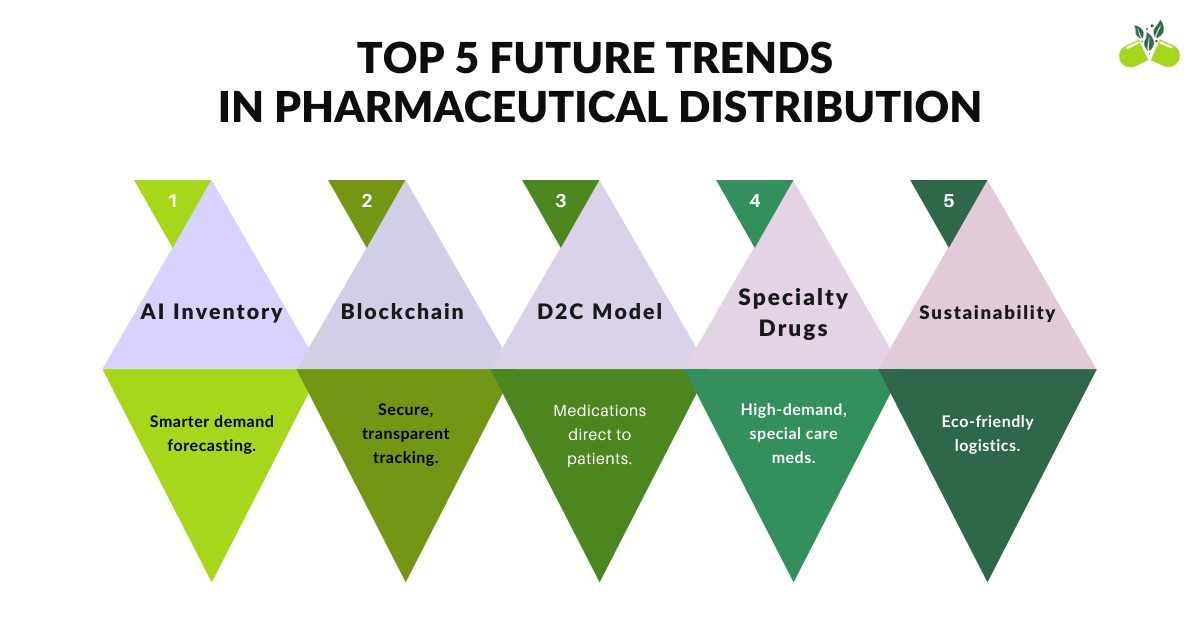
1. AI-Powered Predictive Analytics
Forecasting outbreaks to pre-position medications.
2. Blockchain for Full Traceability
From factory to patient—no more fakes.
3. Real-Time Delivery Tracking
Patients tracking meds like food delivery.
Learn More : AI and Digital Transformation in Pharma Supply Chains
Building a reliable, efficient distribution network isn’t about quick fixes—it’s about long-term strategy. Start by auditing current partnerships, targeting one tech upgrade (like digital POD), and training teams iteratively.
How can we assist you today? 😊
Just let us know—we’re here to help!