

Have we become too dependent on digital convenience when it comes to compliance? It’s a question that every pharmacy professional in Malaysia should be asking. In 2027, Malaysia’s regulatory landscape has matured significantly. The Ministry of Health continues refining oversight mechanisms, while the NPRA QUEST database evolves to provide better transparency on product registration Malaysia. Yet despite this improved online accessibility, offline verification remains an essential and often overlooked control layer in pharmacy operations. It’s the reliable safety net that catches what a screen might miss.
Pharmacists and distributors frequently assume that visible packaging claims or supplier assurances are sufficient. However, packaging can be altered, and supplier statements may not always reflect the current notification status. For an independent pharmacy distributor or a network of pharmacy wholesale distributors, relying purely on surface information exposes the business to significant regulatory risk. Offline verification serves as a trusted safeguard. It ensures that every kkm product listed on shelves aligns with official records. This is particularly important in the pharmaceutical supply chain Malaysia, where grey imports and parallel distribution can create unexpected compliance gaps. For professionals managing a pharmacy distribution service in Malaysia, product validation is not a clerical task — it is a trusted operational control that protects patients, brand reputation, and long-term partnerships. This article provides a structured framework for cara check produk lulus kkm using official NPRA and KKM platforms. The goal is practical: equip pharmacists, distributor pharmacy teams, and brand managers with an informed, systematic approach to offline verification that strengthens compliance across the supply chain.
Understanding Malaysia’s Regulatory Framework: KKM, NPRA & Product Categories
Before verifying a product, do we fully understand the regulatory architecture behind it? Without this foundation, any verification effort is built on sand. Malaysia’s healthcare ecosystem operates under a structured regulatory framework. The Ministry of Health (KKM) sets policy direction, while the National Pharmaceutical Regulatory Agency (NPRA) administers product registration Malaysia processes. Together, they form the backbone of Malaysia pharmacy compliance.
Understanding the distinction between product categories is essential. Pharmaceutical products require a MAL number verification, while cosmetics and certain supplements require NOT notification status. Confusing these categories can lead to incorrect validation. It is a common pitfall, especially for teams under pressure to get new stock onto shelves quickly. A strategic approach to compliance begins with this basic classification.
Pharmaceutical products:
Require full registration and evaluation
Assigned a MAL number
Subject to ongoing post-market surveillance
Cosmetics:
Require a cosmetic notification check
Assigned a NOT number
Less intensive pre-market review but still strictly regulated
Health supplements may fall in between depending on their classification. For any pharmacy distributor Malaysia network, misclassification creates legal vulnerability. Imagine a warehouse receiving a shipment of imported supplements. If the team mistakes them for low-risk items and skips the MAL number verification, they could be distributing unregistered products unknowingly. Distributor pharmacy operations must conduct strategic due diligence before onboarding new brands. This includes verifying manufacturer licenses, importer details, and ensuring the product registration Malaysia aligns with the declared claims. From a GDP-certified distributor perspective, compliance is not optional. It is a structured process that affects storage, documentation, and product traceability. During a healthcare regulatory audit Malaysia, documentation gaps often reveal weaknesses in supplier validation. An expert understanding of regulatory categories prevents these costly mistakes. It also supports pharmacy sourcing due diligence when negotiating with local and overseas brand owners. In 2027, compliance knowledge is not just regulatory literacy; it is operational intelligence. It is the difference between a smooth audit and a proven liability.
Learn more: Do All Cosmetics Need KKM Approval?
Step-by-Step Guide: How to Check Produk Lulus KKM Secara Offline
When standing in a pharmacy aisle, how can you verify product legitimacy without guesswork? This section provides a structured and proven workflow to conduct kkm check procedures accurately. It’s a process that blends physical inspection with database intelligence, creating a robust double-check system.
Identifying Product Information on Packaging
Start with physical packaging inspection. This is the first line of defence. Check for:
MAL number (for pharmaceuticals) – note the exact format.
NOT number (for cosmetics)
Manufacturer and importer details
Batch number and expiry date
The MAL number verification format should follow the official NPRA structure. If the formatting appears inconsistent—for instance, a missing hyphen or an extra digit—that alone may warrant deeper investigation. Batch and expiry details must align with the importer’s documentation. In several counterfeit medicine detection cases in Malaysia, mismatched batch numbers were the first and most telling indicators. For pharmacy risk management Malaysia practices, this physical inspection is the first defensive layer. It’s simple but highly effective.
Using NPRA QUEST & Official KKM Databases (Offline Cross-Check Process)
Next, conduct database validation. This step connects the physical item to the digital record.
Record the product name exactly as printed on the packaging.
Record the MAL or NOT number.
Access the NPRA QUEST database (via a mobile device or in-store terminal).
Cross-verify all registration details.
Check the notification validity and expiration date.
If internet access is intermittent—a reality in certain rural pharmacies in Sabah or Sarawak—offline documentation copies of database search results should be stored periodically. A simple folder with printed or saved PDFs of registration details for top-selling items can be a lifesaver during an unannounced audit. This practice strengthens compliance continuity. For pharmacy wholesale distributors managing multi-outlet distribution, maintaining an internal validation log creates a reliable audit trail. This log, shared with retail partners, builds a trusted layer of transparency across the supply chain.
Interpreting Search Results Correctly
Not every database result confirms safety. This is a critical nuance. The presence of a number in the system does not automatically mean the product is cleared for sale. Look for:
Active status – the product is currently approved.
Cancelled registration – the product is no longer approved and must be removed.
Suspended products – sale is temporarily prohibited pending review.
Variation approvals – ensure the packaging matches the approved variation.
Cancelled products should be immediately quarantined from sale. Suspended products require an internal risk review. Common discrepancies that surface during this step include:
Slight product name variation (e.g., “Extra” vs. “Extra Strength”)
Changed importer details not updated on old stock
Expired notification status, especially for cosmetics
This structured interpretation process ensures an efficient compliance review without creating unnecessary operational delays. It turns a simple search into a powerful, reliable tool for safeguarding the pharmacy.
Learn more: Cara Check Produk Lulus KKM Secara Online
Real-World Use Case — Compliance Failure in an Urban Pharmacy Chain
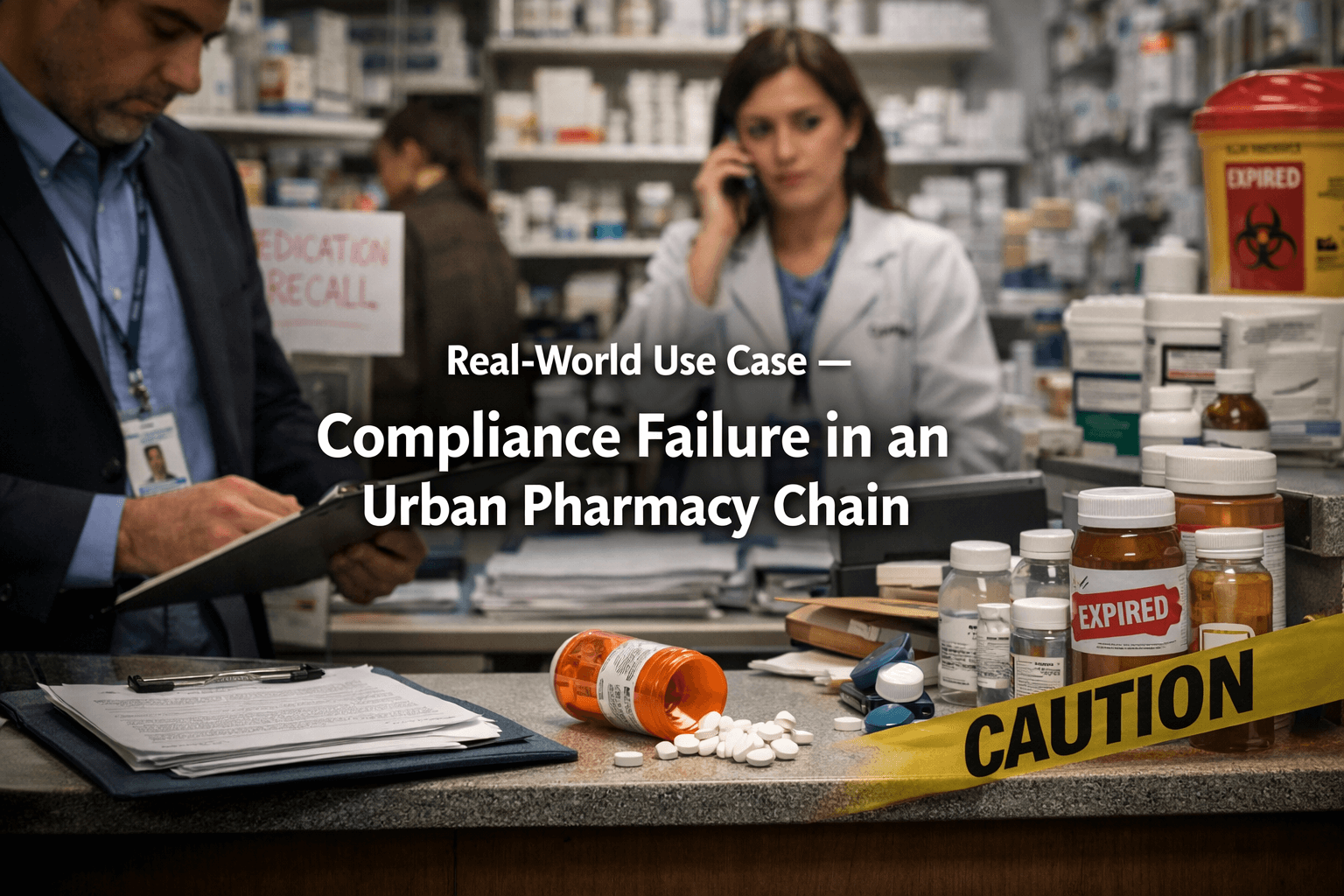
In 2026, an urban pharmacy chain in the Klang Valley discovered during an internal audit that a popular cosmetic SKU had an expired NOT notification status. The packaging still proudly displayed the original notification number, but the NPRA QUEST database showed a clear cancellation from six months prior. The oversight occurred because the distributor had relied solely on a verbal confirmation from the supplier at the time of the first order.
The consequences were immediate and severe:
Immediate product recall from all 15 outlets.
A formal regulatory warning letter from the Ministry.
Temporary suspension of all related SKUs from the same supplier.
Reputational impact, eroding customer trust in the chain’s diligence.
Had the team implemented a structured cosmetic notification check protocol on a quarterly basis, the issue could have been avoided entirely. This case powerfully illustrates that Malaysia pharmacy compliance is not a static, one-time event. It requires periodic revalidation. Even large, resource-rich chains can overlook critical details if their verification process is inconsistent. For the independent pharmacy distributor operator, learning from such scenarios is invaluable; it prevents similar operational exposure. Compliance systems should not be reactive; they must be structured, consistent, and ingrained in daily workflow.
Common Compliance Red Flags Found in Malaysian Pharmacies
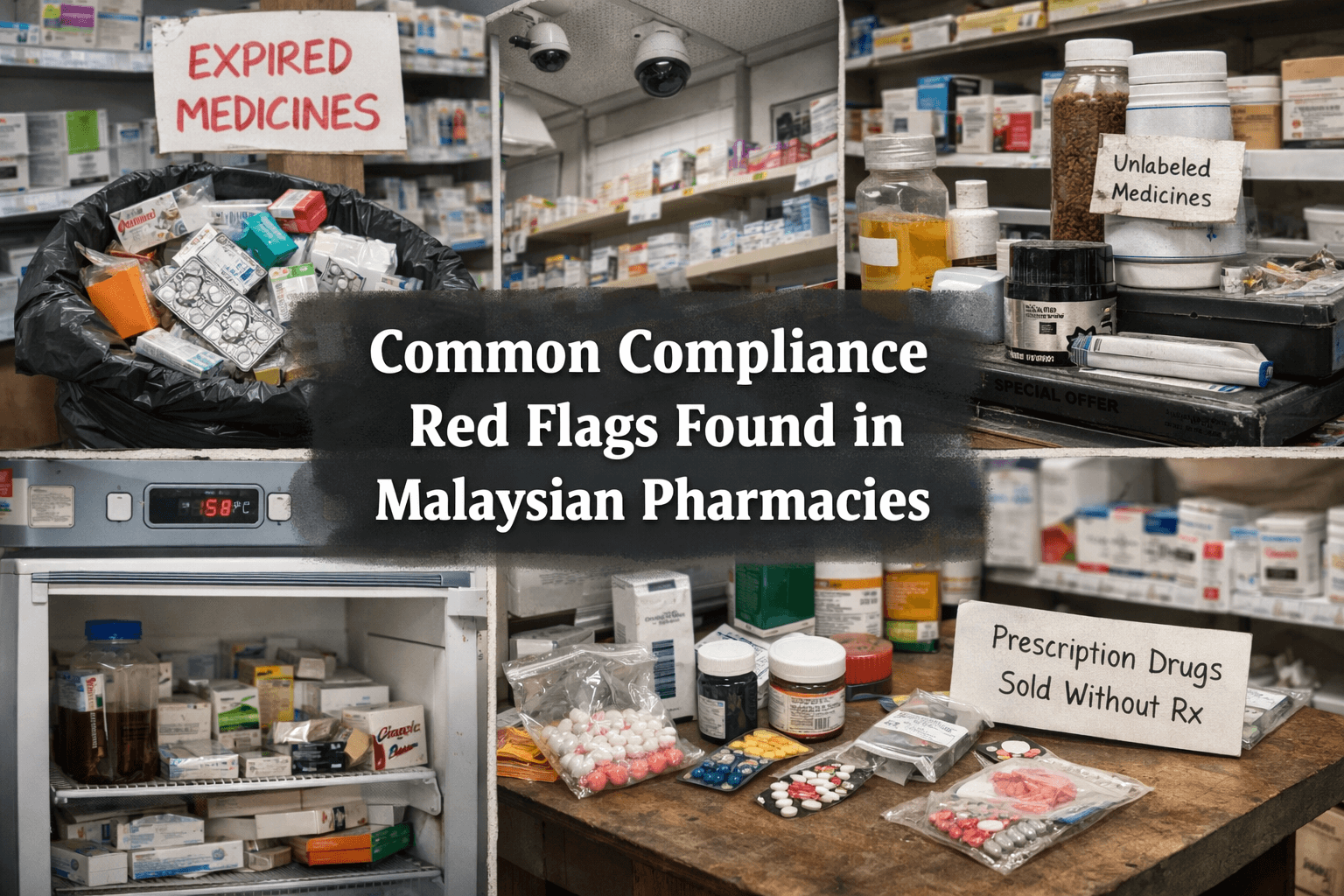
What warning signs are often ignored on busy pharmacy floors? The pressure of serving customers can sometimes overshadow the quiet vigilance required for compliance. Several red flags frequently appear during healthcare regulatory audit Malaysia reviews, signalling deeper issues in the supply chain.
Altered MAL numbers on packaging—a clear sign of tampering.
Expired NOT notification status, often found on slow-moving cosmetic stock.
A mismatch between the importer listed on the box and the importer in the NPRA database.
Grey market imports that have bypassed authorized distribution channels.
Urban chains often encounter parallel imports. The product itself might be genuine, but the importer differs from the entity registered with the NPRA. This creates a documentation gap. Meanwhile, an independent pharmacy distributor network may unknowingly source from secondary traders without completing full pharmacy sourcing due diligence. These gaps compromise a trusted supply chain. Grey market imports affect the pharmaceutical supply chain Malaysia by introducing inventory that lacks complete and verifiable documentation. For pharmacy wholesale distributors, this increases audit exposure and complicates product traceability. A strategic compliance mindset means questioning these irregularities instead of assuming legitimacy. If the importer name does not match the database record, the process must escalate to verification. An effective red-flag response protocol is simple and clear:
Immediate quarantine of the suspicious batch.
Supplier clarification requested in writing.
Database re-check after a set period.
Documentation retention of all findings.
Ignoring these small inconsistencies—a slightly blurry number, a different company name—often leads to much larger regulatory implications down the line.
Learn more: WHO global surveillance and monitoring system for substandard and falsified medical products
Implications for Pharmacy Distribution Service in Malaysia
How does product verification influence the broader distribution ecosystem? It’s a question that connects the pharmacy counter to the warehouse and the brand manager’s office. Compliance is not an isolated activity at the store level. It influences the entire pharmacy distribution service in Malaysia across multiple stakeholders, creating a ripple effect of either security or risk.
| Stakeholder Perspective | Core Concern | Compliance Implication |
|---|---|---|
| Pharmacists (Retail) | Legal responsibility for products dispensed and sold. | Selling a non-compliant product risks professional penalties and patient harm. Reliable sourcing is non-negotiable. |
| Distributor Pharmacy & Wholesalers | Maintaining GDP standards and audit readiness. | Structured supplier vetting and full traceability are essential for business continuity. A trusted supplier network is a competitive advantage. |
| Brand Managers & Manufacturers | Market access and brand reputation. | Ensuring product registration Malaysia is completed pre-launch prevents costly delays. Strategic documentation builds trusted retailer relationships. |
From a pharmacist’s viewpoint, every product handed across the counter carries their implicit endorsement. They rely on their pharmacy distribution service to have done the hard work of validation. For the distributor pharmacy, this means performing structured supplier vetting that goes beyond price lists. Maintaining GDP standards requires full traceability from the manufacturer’s gate to the pharmacy’s back door. A trusted supplier network ensures:
Accurate documentation accompanies every delivery.
Valid registration status is verified before stock enters the warehouse.
Consistent audit readiness becomes a standard operating procedure.
From the brand manager’s perspective, the journey is just as critical. Rushing a product to market without completing the product registration Malaysia process is a recipe for disaster. A strategic approach to documentation, including early engagement with NPRA guidelines, prevents launch delays and ensures that retailers have the confidence to stock the product. From a supply chain perspective, robust compliance strengthens all relationships. It builds a reliable ecosystem where risk is minimized, reputation is protected, and patient safety is the ultimate, non-negotiable priority.
Learn more: How to register a pharmaceutical product in Malaysia? | Strengthening Pharma Supply Chains
Offline Verification vs Supplier-Provided Claims
When it comes to ensuring product legitimacy, relying on a single source of information is a gamble. The table below contrasts the reliability and practical outcomes of different verification methods commonly used in Malaysia’s pharmaceutical supply chain. It clearly illustrates why an offline KKM check is not just a good practice, but an essential layer of defence.
| Criteria | Offline KKM Check | Supplier Verbal Confirmation | Internal Distributor Audit |
|---|---|---|---|
| Accuracy Level | High | Variable | High |
| Legal Protection | Strong | Weak | Strong |
| Risk Exposure | Low | High | Low |
| Time Required | Moderate | Low | Moderate |
| Suitability for Pharmacy Wholesale Distributors | Essential | Risky | Recommended |
This comparison highlights a fundamental truth in healthcare logistics: verbal assurances, while convenient, offer zero legal protection. A supplier might genuinely believe their product is registered, but the NPRA database is the only source of truth. For a pharmacy wholesale distributor, a proven offline check transforms a potentially catastrophic risk into a manageable, routine task. It is an efficient use of time that prevents the massive drain of resources required for a product recall. The table makes it clear that for any supply chain partner aiming for long-term stability, offline validation is not optional—it is the bedrock of a trusted operation.
Building a Standard Operating Procedure (SOP) for Offline Product Checks
Without a formalised SOP, can compliance remain truly consistent across a growing business? The answer, for most operations, is no. In the fast-paced environment of a distributor pharmacy, relying on memory or individual initiative leads to gaps. Every independent pharmacy distributor in Malaysia should implement a documented Standard Operating Procedure for product verification. This turns a reactive task into a strategic process.
A robust SOP should include the following checklist:
Packaging inspection protocol: A step-by-step guide to identifying the MAL or NOT number and verifying manufacturer details.
Database validation steps: Clear instructions on navigating the NPRA QUEST platform and interpreting the results (Active, Cancelled, Suspended).
Documentation storage: A mandate to save a screenshot or PDF of the search result, linked to the product’s batch record.
Escalation pathway: A defined process for what to do if a discrepancy is found—who to inform and how to quarantine the stock.
Frequency recommendation:
New product onboarding: A mandatory check for every single SKU before it enters the inventory system.
Existing SKUs: A quarterly revalidation to catch any changes in registration status, especially for cosmetics and health supplements.
By assigning compliance responsibility to trained personnel, the process becomes more than a checklist; it becomes a culture. An expert, structured, and tailored SOP dramatically reduces the risk of human oversight. It empowers your team to act with confidence, knowing they are following a proven framework.
Aligning SOP with GDP and Distribution Standards
For businesses holding GDP certification, an SOP for product checks is not just an internal tool; it is a regulatory requirement. GDP-certified distributor requirements place a heavy emphasis on documentation integrity. Aligning your internal SOP with these broader standards creates a seamless link between daily operations and audit preparedness.
Ensure your SOP aligns with:
Batch traceability: The verification record should be linked to specific batch numbers received.
Supplier license verification: The SOP should require periodic checks of the supplier’s own distribution license.
Storage condition compliance: While separate, the verification log can trigger checks on whether products requiring cold chain storage were handled correctly upon arrival.
When your daily verification process aligns with the wider pharmaceutical supply chain Malaysia standards, it does more than just check a box. It strengthens your entire operational framework. It ensures that when a healthcare regulatory audit Malaysia occurs, your documentation tells a clear, consistent, and reliable story of diligence from the moment a product arrived at your warehouse.
Learn more: GUIDELINES ON GOOD DISTRIBUTION PRACTICE (GDP)
The Business Advantage of Compliance in 2027 and Beyond

Is compliance merely a regulatory burden, or is it a strategic advantage? For too long, many in the industry have viewed it as the former—a cost of doing business. But the landscape in 2027 has shifted. Compliance is now a powerful differentiator. In a competitive market, where consumers are increasingly informed and often verify kosmetik lulus kkm status before making a purchase, a compliant pharmacy stands out. It signals trust and integrity directly to the end-user.
For pharmacy wholesale distributors, a strong compliance reputation is a magnet for partnerships. Brands, both local and international, are conducting their own due diligence. They actively seek to work with strategic, trusted, and proven distributors who can guarantee that their products will be handled and distributed within the bounds of the law. A history of clean audits and robust SOPs becomes a key selling point in negotiations with brand managers.
Furthermore, a deep commitment to compliance significantly reduces enforcement risk. The operational disruptions caused by a product seizure or a temporary license suspension are immense. By investing in effective verification processes, you are building long-term supply chain resilience. You are protecting your business from shocks that can cripple less diligent competitors.
Learn more: Empowering the future of healthcare supply chain through automation & digital transformation
Compliance as Competitive Infrastructure

In 2027, compliance should be viewed not as a department, but as critical infrastructure. It is the foundation upon which sustainable growth is built. This infrastructure directly contributes to:
Consumer trust: In an era of health consciousness, customers notice and reward pharmacies that stock only verified products.
Distributor credibility: A compliant distributor is a reliable partner, making them the first choice for new product launches.
Brand confidence: Brand owners sleep easier knowing their supply chain partner protects their reputation through diligent verification.
Audit readiness: A well-maintained compliance system turns a stressful audit into a straightforward confirmation of excellent practice.
Compliance, therefore, becomes part of your brand positioning. It is not marketing fluff, but a tangible demonstration of operational integrity. It communicates to every stakeholder—from the customer at the counter to the regulator reviewing your file—that your business is built to last.
Frequently Asked Questions (FAQ)
Q1: What is KKM, and why is it important for healthcare products in Malaysia?
Answer:
KKM stands for Kementerian Kesihatan Malaysia (Ministry of Health Malaysia). It ensures all healthcare products—including supplements, cosmetics, and medical devices—are safe, effective, and meet national quality standards before they reach consumers.
Q2: Which agencies under KKM regulate product safety and approval?
Answer:
Three main agencies operate under KKM:
NPRA (National Pharmaceutical Regulatory Agency) – regulates medicines, supplements, and cosmetics.
MDA (Medical Device Authority) – oversees medical equipment and devices.
BPFK/NPRA Cosmetic Division – manages cosmetic product notifications and safety assessments.
Q3: What types of products require KKM registration or approval?
Answer:
Products that must be verified by KKM include pharmaceuticals, dietary supplements, traditional herbal remedies, cosmetics, and medical devices. Each category has specific certification requirements such as MAL, NOT, or MDA numbers.
Q4: How can businesses check if a product is registered with KKM?
Answer:
Verification can be done through official KKM platforms:
NPRA QUEST3+ – for drugs, supplements, and traditional medicines.
MDA Search Portal – for medical devices.
NPRA Cosmetic Notification Portal – for cosmetics with NOT numbers.
Q5: What do MAL, NOT, and MDA numbers mean on product labels?
Answer:
MAL Number: Shows registration for medicines, supplements, or herbal products.
NOT Number: Identifies approved cosmetic products.
MDA Number: Confirms a licensed and approved medical device.
Q6: What are the penalties for selling unregistered or fake KKM products?
Answer:
Businesses found selling unregistered products can face heavy fines, product seizures, license suspension, or even permanent closure. Such violations also damage consumer trust and brand reputation.
Q7: How do pharmacy distributors apply KKM checks in their daily work?
Answer:
Distributors verify product codes (MAL, NOT, MDA) using KKM portals before listing or restocking. Many also store screenshots or digital records for audit purposes and integrate verification into daily Standard Operating Procedures (SOPs).
Q8: Why is KKM compliance so important for pharmacies and distributors?
Answer:
Compliance ensures legal operation, customer safety, and brand credibility. It prevents penalties, builds retailer trust, and enhances market access for certified products.
Q9: What steps can companies take to strengthen KKM compliance?
Answer:
Firms should perform monthly audits, train staff to recognize certification labels, use digital tools for record-keeping, and keep updated with NPRA and MDA guidelines to avoid compliance errors.
Q10: How can PriooCare assist with KKM compliance and distribution?
Answer:
PriooCare helps pharmacy distributors manage regulatory audits, documentation, and logistics. Their compliance expertise simplifies KKM verification, minimizes business risk, and ensures all distributed products meet Malaysia’s health regulations.
How can we assist you today? 😊
Just let us know—we’re here to help!