

How has the structure of medicine distribution in Malaysia evolved over the past decade? The answer lies not in a single factor, but in a convergence of increasing regulatory sophistication and dramatically rising service expectations from both healthcare providers and patients. The pharmacy distribution service in Malaysia has transformed from a fragmented network of logistics providers into a highly structured, technology-enabled ecosystem. It now operates within a rigorously defined framework governed by NPRA guidelines Malaysia, strict adherence to Good Distribution Practice (GDP) Malaysia standards, and enhanced audit oversight from both public and private sector stakeholders. What was once a disparate collection of regional players has gradually, yet decisively, consolidated into more structured, reliable distribution ecosystems capable of handling complex product portfolios and stringent compliance demands.
Today, a typical pharmacy distributor Malaysia must be ambidextrous, often serving both highly regulated public hospital tenders and dynamic private retail chains simultaneously. In the public sector, procurement cycles are notoriously rigid and intensely price-sensitive, demanding strategic bidding and flawless contract execution. In contrast, private distributor pharmacy models focus on velocity, agility, and value-added services like faster replenishment, in-store merchandising support, and continuous product education for front-line staff. This dual role demands not just logistical capability, but strategic planning and essential compliance control that permeates every level of the operation. The expansion of pharmacy wholesale distributors has significantly improved geographical coverage and service reliability, especially in mature markets like the Klang Valley, Johor, and Penang. Yet, at the same time, nimble independent pharmacy distributor networks remain vitally relevant for launching niche brands and managing emerging categories, such as the growing demand for halal pharmaceutical distribution Malaysia, which requires specialised certification and handling.
Furthermore, the integration of digital tracking systems, mandatory batch traceability, and advanced temperature monitoring pharmaceutical supply solutions have fundamentally shifted stakeholder expectations. Regulators now expect to see reliable documentation, real-time tracking visibility, and auditable records spanning the entire journey from manufacturer to patient. Distributor pharmacies that fail to align with these rapidly evolving standards risk immediate exclusion from structured supply contracts, particularly those tendered by the Ministry of Health. This has accelerated market consolidation, with larger entities investing heavily in warehouse automation Malaysia pharma and integrated ERP systems, while smaller, more agile operators adopt decentralised hub-and-spoke models to maintain flexibility and local market intimacy. Both approaches have their distinct merits, but only those entities operating with strategic clarity and anchored by reliable compliance frameworks can truly sustain long-term growth in this demanding landscape.
Core Structural Challenges Facing Pharmacy Distribution Service in Malaysia
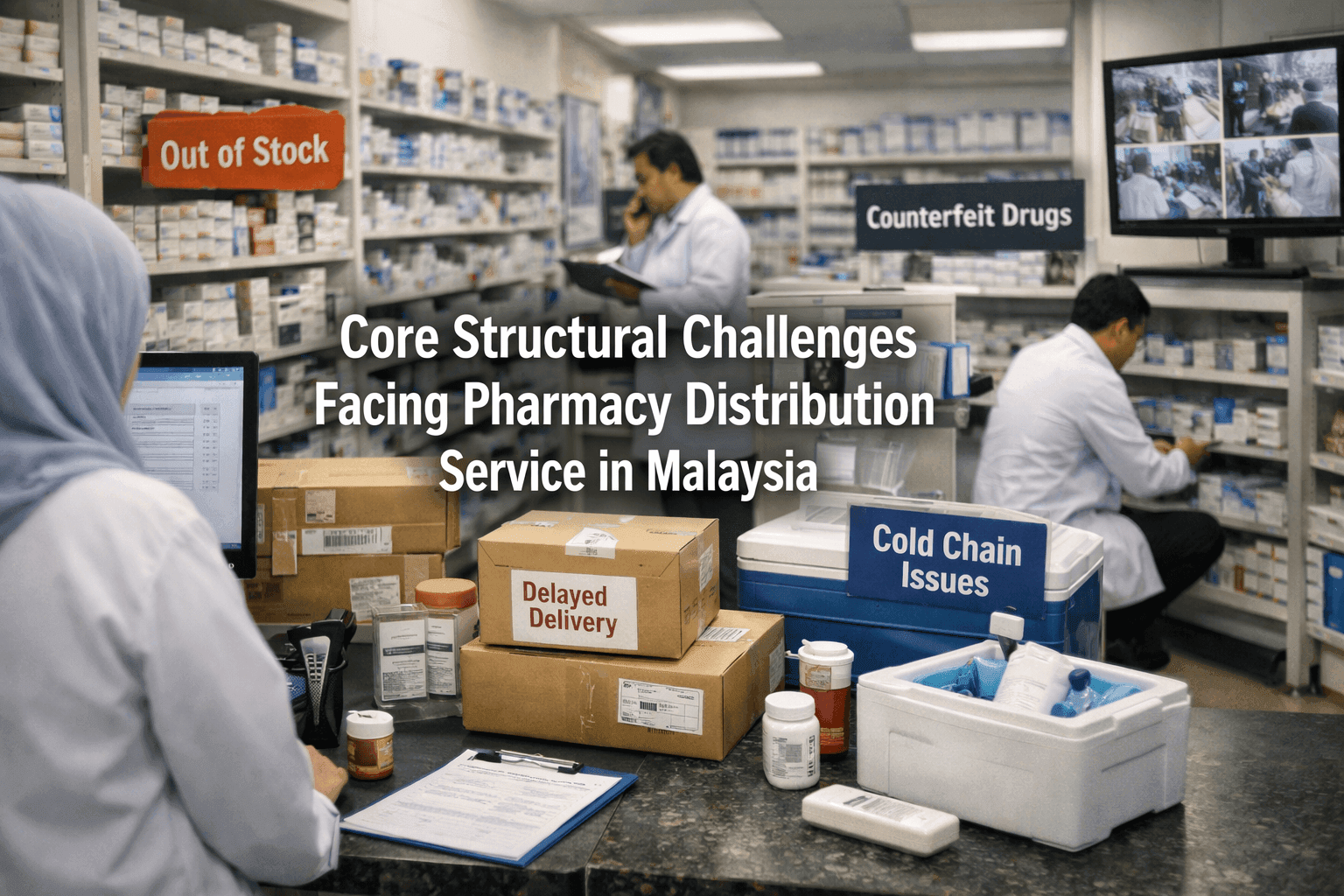
What are the most pressing operational and financial pressures facing distributors today? While the demand for healthcare products continues its upward trajectory, the margins supporting their distribution are undeniably tightening. A combination of government-imposed pricing controls, fierce competition for tender contracts, and tough negotiations with brand principals have systematically compressed profitability across the board for pharmacy wholesale distributors. This new financial reality makes efficient inventory control and strategic working capital management more critical than ever—they are no longer just operational metrics but determinants of survival.
Adding another layer of complexity is Malaysia’s significant import dependency for both raw materials and finished pharmaceutical products. This exposes distributors to the whims of currency volatility. A weakened Ringgit directly increases the landed cost of goods, squeezing both distributor pharmacy margins and undermining the retail pricing competitiveness of pharmacy chains. For temperature-sensitive products, the situation is even more acute; rising cold chain compliance standards, including investments in validated vehicles and continuous monitoring devices, further escalate the cost burden, which cannot always be passed on to the end consumer. The financial strain is relentless.
Regulatory complexity itself is another significant barrier to entry and expansion. Navigating the intricacies of NPRA licensing Malaysia requirements, maintaining exhaustive documentation standards, and surviving the rigours of GDP audit cycles demands not just reliable systems, but highly trained and expert personnel. Smaller players, often operating with lean teams, frequently struggle to maintain the same level of meticulous documentation control as larger, more structured operators. This creates a tangible risk, as a single oversight can lead to costly compliance breaches or suspension from serving key accounts. Compounding this are the persistent workforce shortages in specialised pharmaceutical logistics. Skilled warehouse managers intimately familiar with pharmaceutical warehousing Malaysia standards, including strict segregation and environmental control, are in short supply. Without expert oversight, the margin for error in critical processes like batch handling or temperature control escalates dramatically, potentially leading to compliance breaches and product compromise.
| Challenge | Impact on Distributor Pharmacy | Impact on Retail Pharmacy | Risk Level | Proven Mitigation Strategy |
|---|---|---|---|---|
| Margin Compression | Reduced net profits, limiting reinvestment | Higher purchase costs, lower margins | High | Strategic cost optimisation & value-added services |
| Regulatory Complexity | Increased audit exposure & potential sanctions | Risk of supply disruption from delisted suppliers | High | Proven GDP compliance systems & dedicated QA team |
| Currency Volatility | Fluctuating landed costs, budget unpredictability | Price instability for end-consumers | Medium | Hedging strategies & diversified sourcing options |
| Cold Chain Risk | Product spoilage & financial write-offs | Patient safety risk & reputational damage | High | Reliable IoT-enabled temperature monitoring |
| Workforce Shortage | Operational inefficiency & increased error rates | Delayed replenishment & order inaccuracies | Medium | Investment in training & semi-automated systems |
Addressing these deeply entrenched issues requires more than just temporary fixes; it demands proven and reliable operational redesign coupled with a long-term strategic vision that embeds resilience into the business model.
Learn more: Top 20 Pharmaceutical Companies in Malaysia (2026 Edition)
Building Compliance Infrastructure as a Competitive Advantage
Compliance is often mistakenly viewed as a necessary cost centre—a burden on the bottom line. But in Malaysia’s evolving regulatory landscape, a robust compliance infrastructure has quietly become a powerful strategic differentiator. It’s the bedrock upon which trust is built and commercial opportunities are secured.
Why Compliance Is No Longer Optional
The NPRA product registration process Malaysia has become increasingly data-driven and interconnected. Documentation gaps that might have passed unnoticed a decade ago are now automatically flagged through structured, digital audit frameworks. A modern distributor pharmacy must maintain impeccable records, ensuring full batch traceability, executing flawless recall protocols, and providing verified temperature compliance records for every relevant shipment. From a pharmacist’s perspective, supply assurance is absolutely essential. The stock received at the pharmacy counter must meet stringent safety and storage standards; there is no room for ambiguity. A single, documented temperature excursion incident—even one that didn’t compromise the product—can undermine years of built patient trust in a pharmacy’s brand.
For brand managers, the stakes are even higher. Their products, and the reliable licenses that allow them to be sold, are directly exposed to the practices of their distribution partners. Partnering with a non-compliant distributor could jeopardise these valuable product licenses and cause irreparable reputational damage. Therefore, trusted compliance systems are not merely operational safeguards; they are fundamental commercial enablers. They provide the confidence required for principals to enter long-term, strategic partnerships, knowing their brand integrity is in safe hands.
Integrating GDP and Digital Systems
Forward-thinking distributors are now integrating GDP principles directly into their digital core. Warehouse automation Malaysia pharma solutions—such as barcode scanning for every transaction and digital temperature logs that are immutable—allow for expert oversight of all stock movement without the delays of manual paperwork. The implementation of IoT-based monitoring in cold rooms has proven highly effective in minimising the risk of temperature excursion pharmaceutical incidents, triggering real-time alerts that enable immediate corrective action before product quality is affected. Moreover, structured documentation control through electronic systems drastically reduces the potential for human error during data entry or record-keeping. These electronic document management systems streamline audit preparation, transforming it from a stressful, paper-chasing exercise into a routine, dashboard-driven confirmation of compliance. While the upfront investment in such compliance infrastructure may appear high, the long-term gains in efficiency, risk mitigation, and partner trust consistently justify the cost. The infrastructure must, however, be tailored to the scale of the operation; even an independent pharmacy distributor model can now adopt modular, cloud-based compliance systems without an excessive capital burden. By 2027, while a baseline of compliance is the universal expectation, those who master it as an integrated, strategic function will undoubtedly lead the market.
Learn more: GUIDELINE ON GOOD DISTRIBUTION PRACTICE
Financial & Commercial Strain on Distributor Pharmacy Models
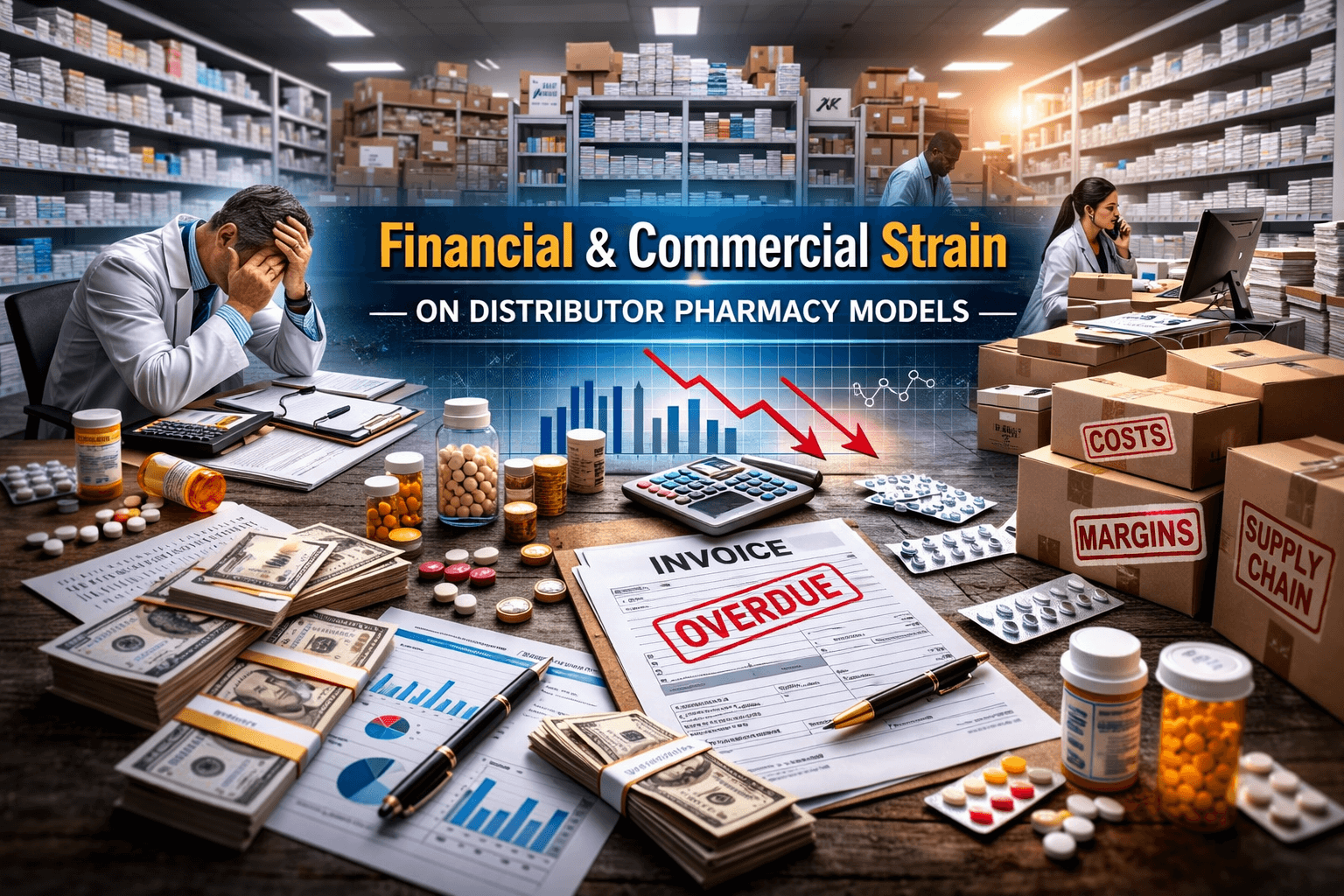
Amidst this push for greater capability, a fundamental question persists: can distributors remain profitable under such persistently tightening margins? The financial reality for many pharmacy distributor Malaysia operators is a constant battle with cash flow, driven by the inherent structure of the trade.
Working capital cycles are a persistent and often debilitating strain. The payment terms agreed upon with multinational brand principals can be stringent, ranging from 30 to 120 days. Simultaneously, retail customers, especially smaller chains and independent pharmacies, often negotiate for extended credit periods themselves. This significant mismatch between payables and receivables creates immense liquidity pressure, forcing distributors to finance their operations and growth for months before invoices are settled. It is a constant juggling act that demands strategic financial management.
The cost of holding inventory further complicates this financial picture. Pharmaceuticals, unlike many consumer goods, carry inherent expiry risks. Stock that sits too long not only ties up capital but also faces a countdown to obsolescence. Overstocking can drastically reduce the critical metric of stock turnover rate pharmacy efficiency, indicating stagnant capital and potential for write-offs. Conversely, understocking, driven by an overzealous attempt to minimise holding costs, leads directly to missed sales opportunities and erodes customer goodwill. Finding the strategic balance between these two extremes requires expert forecasting and highly efficient procurement systems that can react to demand signals in near real-time.
Adding to the complexity, the trade agreements governing these relationships often introduce conflicting expectations. Brand owners, driven by corporate targets, seek aggressive volume growth and market share expansion. In contrast, distributor pharmacy operators are primarily focused on margin protection and the profitability of each unit moved. This creates a natural tension at the negotiation table. Navigating this successfully requires negotiating tailored agreements that align commercial targets with the operational realities and cost structures of the distributor. A truly transparent pharmacy distribution service in Malaysia provides clarity in cost allocation—breaking down the expenses associated with warehousing, transportation, compliance overhead, and value-added services. When brands understand the true cost drivers behind the service, discussions shift from adversarial price-haggling to more productive, collaborative problem-solving. Ultimately, financial sustainability in this environment depends on reliable data, transparent communication, and strategic collaboration rather than engaging in destructive price wars that weaken the entire supply chain.
Technology & Digital Transformation in Pharmaceutical Distribution
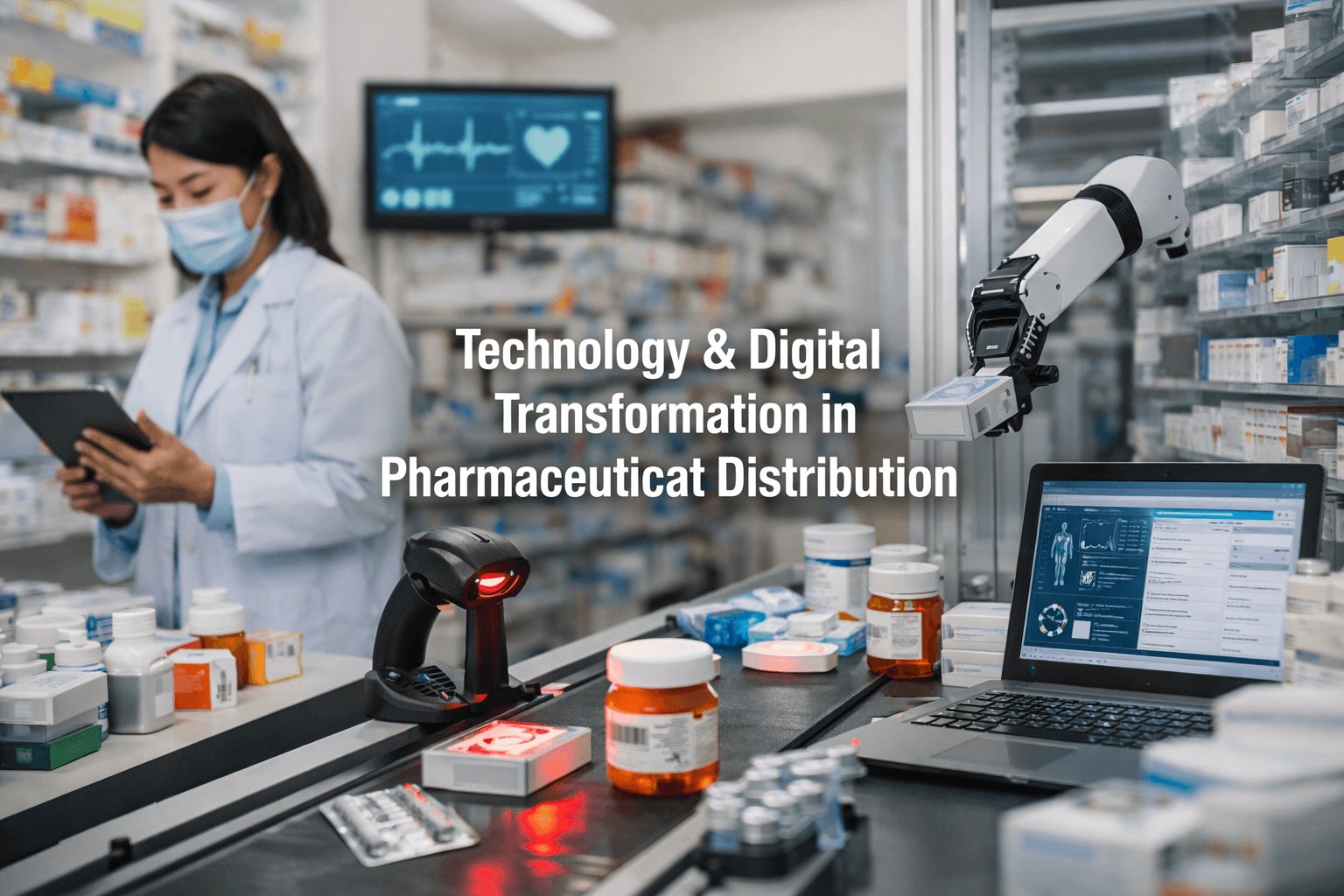
Is digital integration truly transforming distribution performance, or is it just another industry buzzword? For the leading players in Malaysia, the answer is unequivocally transformative. Warehouse management systems (WMS) have moved from being a luxury to an absolute foundational necessity. These sophisticated systems provide real-time visibility across entire distributor pharmacy networks, slashing the manual reconciliation errors that plagued the industry for decades. For pharmacists on the front lines, this digital backbone translates directly into tangible benefits: improved stock accuracy, fewer frustrating order discrepancies, and greater confidence in the reliability of their supplier.
The true power of digitalisation, however, lies in integration. When pharmacy wholesale distributors connect their systems directly with retail POS systems, a new realm of capability opens up. This integration enables demand forecasting based on actual sell-out data from consumers, rather than relying on slower, less accurate sell-in data from retailers. This shift allows distributors to move away from purely reactive replenishment models and instead adopt proven predictive models, ensuring the right products are in the right place at the right time. In the specialised area of cold chain, temperature monitoring pharmaceutical supply technologies, particularly IoT sensors, have dramatically reduced cold chain pharmaceutical logistics Malaysia failures. These sensors provide continuous, real-time data streams, and any deviation from the acceptable temperature range triggers an immediate alert, allowing for swift corrective action that can preserve critical product integrity before it’s compromised.
Furthermore, administrative processes are being streamlined. The adoption of e-invoicing and automated compliance documentation greatly simplifies the once-arduous task of audit preparation. Distributors who have embraced reliable digital platforms consistently report fewer compliance deviations and smoother interactions with regulators. From a brand manager’s perspective, this digital evolution is a welcome development. Access to secure digital dashboards enhances supply chain transparency, providing invaluable insights into stock movement, expiry management, and market penetration. This level of data sharing is a powerful tool for building trusted, collaborative relationships across the entire supply chain, fostering a partnership mentality rather than a transactional one.
Learn more: Digital Transformation in Pharmaceutical Supply Chains
Digitalisation as Operational Risk Mitigation
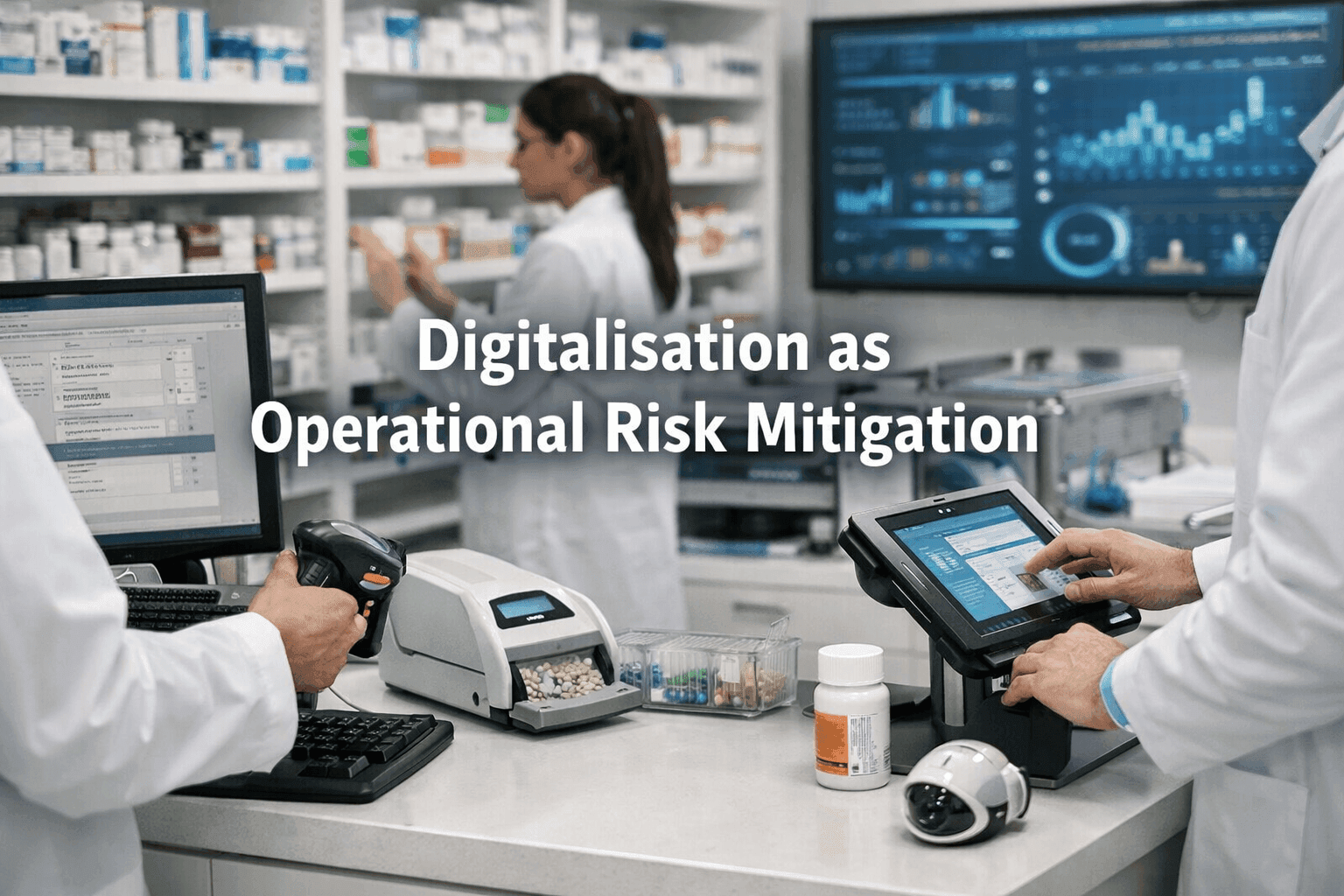
Building on the theme of transformation, it’s crucial to understand that digitalisation is not simply about chasing efficiency gains. At its core, it is a powerful strategy for operational risk mitigation and enabling sustainable scalability in an increasingly complex environment.
Real-Time Data Reduces Blind Spots
Traditional, manual inventory processes were riddled with blind spots. They often created significant delays in stock reconciliation, meaning problems could fester for days or weeks before being discovered. With modern integrated ERP systems, distributors can now monitor batch movement and inventory levels instantly, across multiple warehouses and even in-transit. This enhanced visibility drastically reduces the risks of product diversion and leakage into unauthorised grey market channels, protecting brand value and patient safety. The application of predictive analytics also offers a proven method for managing one of the distributor’s biggest risks: expiry. By continuously analysing stock turnover rate pharmacy patterns and historical data, systems can forecast which batches are at risk of expiring and recommend strategic rotation or促销 actions. Such proven methods minimise costly write-offs and ensure that patients always receive products with maximum shelf life.
Automation Enhances Workforce Productivity
Given the persistent labour shortages impacting the sector, particularly in pharmaceutical warehousing Malaysia, technology is stepping in to augment the existing workforce. Investment in semi-automated picking systems, such as voice-picking or goods-to-person technologies, is on the rise. While fully automated, lights-out robotics may not yet be widespread in the Malaysian mid-market, these partial automation solutions yield immediate benefits: they significantly improve picking accuracy and reduce the physical and mental fatigue that leads to human errors, especially during peak periods. On the compliance side, digital documentation control is an absolute game-changer. It ensures essential audit preparedness at all times. Instead of scrambling through filing cabinets to locate paper records for a sudden audit, compliance teams can now access structured, complete, and searchable electronic records within minutes, projecting an image of professionalism and control. Ultimately, this wave of strategic digitalisation allows both agile independent pharmacy distributor models and large-scale pharmacy wholesale distributors to operate with far greater resilience and capacity for growth than ever before.
The Role of Independent Pharmacy Distributor vs Large-Scale Wholesale Models
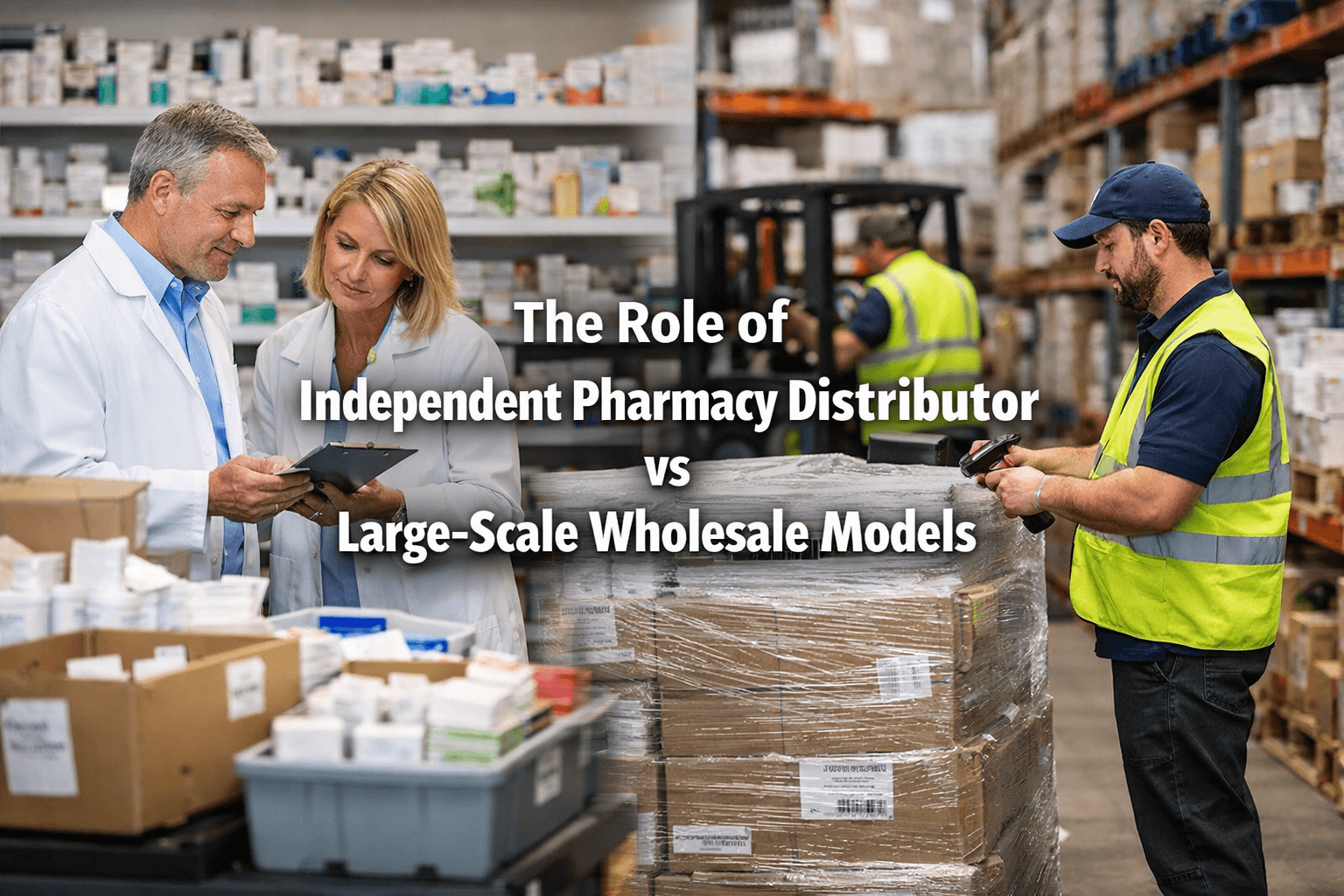
With such a diverse market landscape, a pertinent question arises: which distribution model—the nimble independent or the powerful large-scale wholesaler—offers greater sustainability and strategic advantage in 2027?
Independent pharmacy distributor networks continue to thrive by occupying a specific and valuable niche. Their primary strength lies in providing tailored onboarding and dedicated market incubation for niche brands, specialist products, or new market entrants. Their organisational flexibility allows for much faster decision-making and the ability to pivot strategic focus quickly in response to market feedback. They can offer a level of personalised service and attention that larger entities often struggle to match. However, this agility can come at a cost. Limited access to capital may restrict their ability to invest in the most advanced compliance infrastructure, potentially creating a ceiling on the size and type of principals they can attract.
In contrast, large pharmacy wholesale distributors wield the advantages of scale. They boast broader geographic reach, deeper market penetration, and more established, resource-rich compliance systems. For major multinational brands requiring immediate, nationwide availability, they are often the only practical choice. Their sheer size, however, can sometimes reduce their agility, making them slower to react to niche market trends or to customise solutions for smaller brand partners.
| Criteria | Independent Pharmacy Distributor | Large Pharmacy Wholesale Distributors |
|---|---|---|
| Flexibility & Speed | High; rapid decision-making and adaptation | Moderate; governed by established processes |
| Compliance Infrastructure | Developing; often modular and cost-focused | Established; comprehensive and resource-intensive |
| Service Model | Highly tailored and relationship-driven | Standardised and process-driven |
| Market Reach | Selective; focused on specific regions/therapies | Nationwide; deep penetration across all channels |
| Margin Structure | Variable, often higher for niche products | Standardised, driven by volume and efficiency |
Interestingly, the future may not belong exclusively to either model. Hybrid models are increasingly emerging as a compelling alternative. In this structure, smaller, agile operators collaborate with larger, specialised warehousing providers for logistics and infrastructure, while they themselves retain full control over commercial strategy, sales, and principal management. Such strategic partnerships intelligently blend the agility and intimacy of an independent with the reliable infrastructure and compliance expertise of a larger player. This collaborative approach allows both parties to play to their strengths, creating a proven and resilient model that serves the market effectively. Ultimately, both models have a distinct and vital place in Malaysia’s dynamic and ever-evolving pharmaceutical distribution environment.
Learn more: What are the big 3 pharmacy chains?
Emerging Opportunities: Innovation in Pharmacy Distribution Service in Malaysia
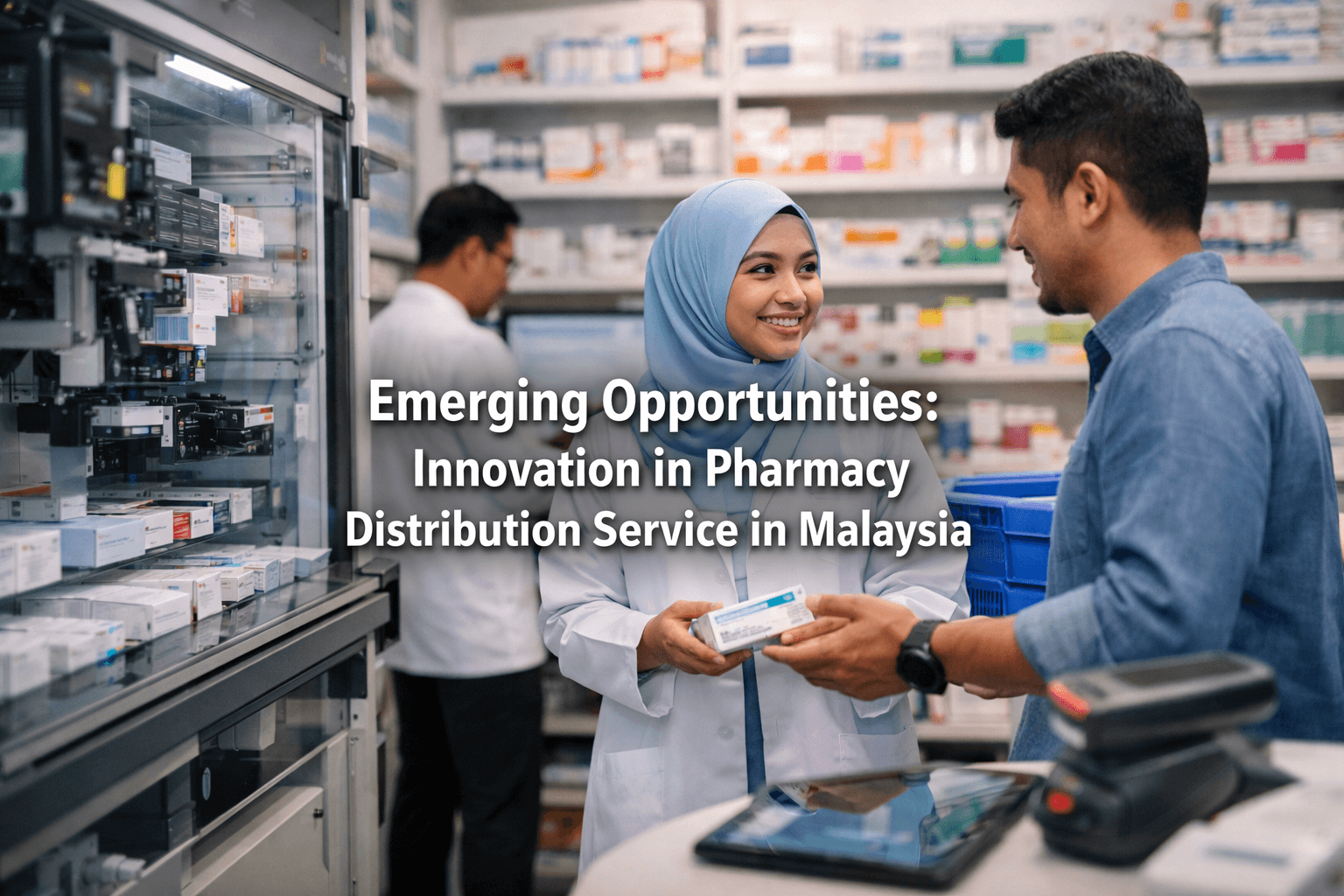
Where do future growth opportunities lie for the forward-thinking distributor? While challenges around compliance and margin pressure dominate boardroom discussions, a parallel narrative is unfolding—one focused on innovation, specialisation, and the creation of new value streams. The most strategic players are looking beyond basic logistics to identify niches where they can build trusted, defensible positions. One of the most prominent of these is cold chain enhancement, which is rapidly evolving from a basic compliance requirement into a genuine competitive advantage. Investing in validated, GPS-tracked refrigerated transport and meticulously designed, temperature-zone-controlled warehouse infrastructure does more than just meet GDP standards; it builds trusted relationships with manufacturers of high-value biologics, vaccines, and specialty pharmaceuticals who demand absolute certainty in product integrity. These manufacturers are willing to partner with distributors who demonstrate proven capability, creating a lucrative and sticky revenue stream.
Another significant expansion avenue lies in the specialised field of halal pharmaceutical distribution Malaysia. As both domestic awareness and regional demand for Sharia-compliant medicines and health products grow exponentially, distributors who proactively align their operations with halal certification standards are positioning themselves at the gateway to much broader ASEAN markets. This is not merely about adding a logo to a truck; it requires expert handling, segregation protocols, and supply chain transparency that reassures both regulators and conscious consumers. This certification becomes a powerful differentiator. Simultaneously, regional warehouse expansion into key economic corridors like Johor and Penang is proving to be a highly effective strategy. By decentralising inventory, distributors can dramatically shorten delivery lead times to the southern and northern regions, increasing essential service reliability for pharmacies and hospitals outside the Klang Valley. This geographical intimacy fosters stronger local relationships and reduces the logistical strain of last-mile delivery.
Beyond physical infrastructure, the most sophisticated distributors are building entire practices around value-added services such as merchandising analytics, regulatory advisory, and category management. These services fundamentally shift the distributor’s role from a transactional logistics provider to a strategic partnership role. By offering insights into shelf optimisation, sell-through data analysis, and guidance on navigating the NPRA product registration process, distributors become indispensable commercial and operational allies to their brand principals. They move from being a cost centre to a growth enabler, which naturally aligns incentives and fosters deeper, more resilient collaborations.
Learn more: Cold Chain Management of Pharmaceutical Products
ESG and Sustainable Pharmaceutical Logistics
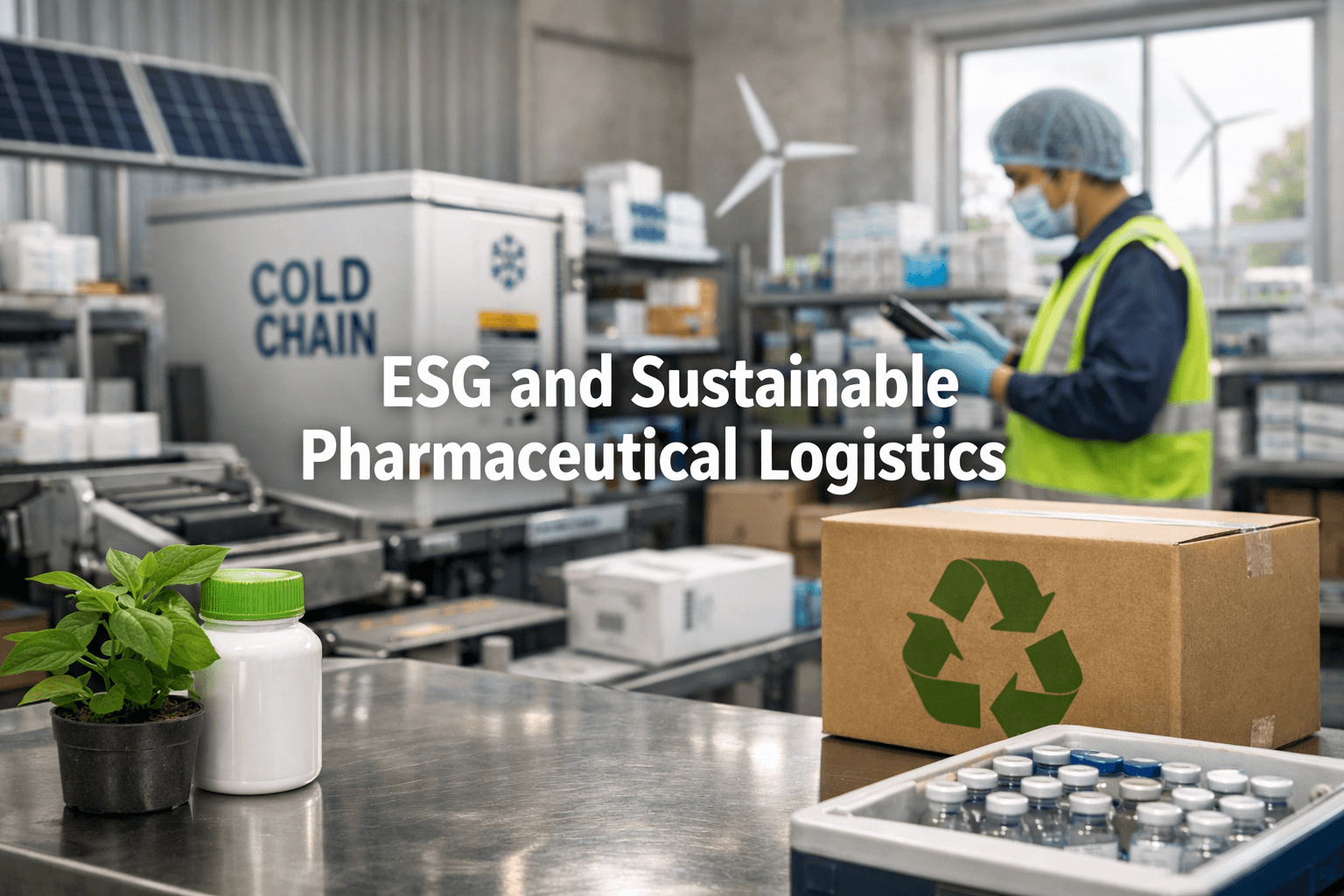
Is sustainability a relevant concern in pharmaceutical logistics, or is it just a corporate reporting exercise? In Malaysia’s 2027 landscape, Environmental, Social, and Governance (ESG) frameworks are no longer an abstract concept; they are gradually, but unmistakably, influencing distributor selection criteria. Forward-looking brand owners and even some government tenders are beginning to evaluate the sustainability posture of their logistics partners, recognising that a responsible supply chain is integral to their own corporate reputation.
Sustainable Transportation and Energy Use
The environmental pillar of ESG is finding tangible expression in warehouse design and fleet management. The installation of energy-efficient cold storage systems—using inverter technology and better insulation—directly reduces both operational electricity costs and the overall carbon footprint of distribution activities. Furthermore, the integration of solar panels on warehouse rooftops is becoming more common among forward-thinking operators, offsetting grid dependency and demonstrating a commitment to renewable energy. On the logistics floor, waste reduction strategies are gaining traction. This includes implementing proven protocols for managing near-expiry stock, such as coordinating with charities for redistribution where legally permissible, or working with principals on targeted促销 campaigns to minimise write-offs. These practices are both environmentally responsible and commercially sensible, directly protecting the bottom line.
Social Responsibility and Ethical Distribution
The ‘Social’ aspect of ESG resonates powerfully in the pharmaceutical context. Robust anti-diversion safeguards are a prime example. Implementing stringent tracking and transaction controls ensures that trusted medicines reach the intended patients through authorised channels, preventing leakage into the grey market where product integrity cannot be guaranteed. This commitment to ethical distribution is a cornerstone of patient safety. Furthermore, transparent governance structures—clear policies, auditable trails, and ethical business practices—build trusted brand relationships that can weather market volatility. Sustainability, therefore, is not an abstract ideal; it is increasingly integrated into the hard metrics of tender evaluations and detailed brand audits. Those distributors who proactively adopt expert ESG frameworks early will not only be positioned ahead of inevitable regulatory tightening but will also be the preferred partners for globally conscious pharmaceutical companies.
Strengthening Collaboration Across the Supply Chain
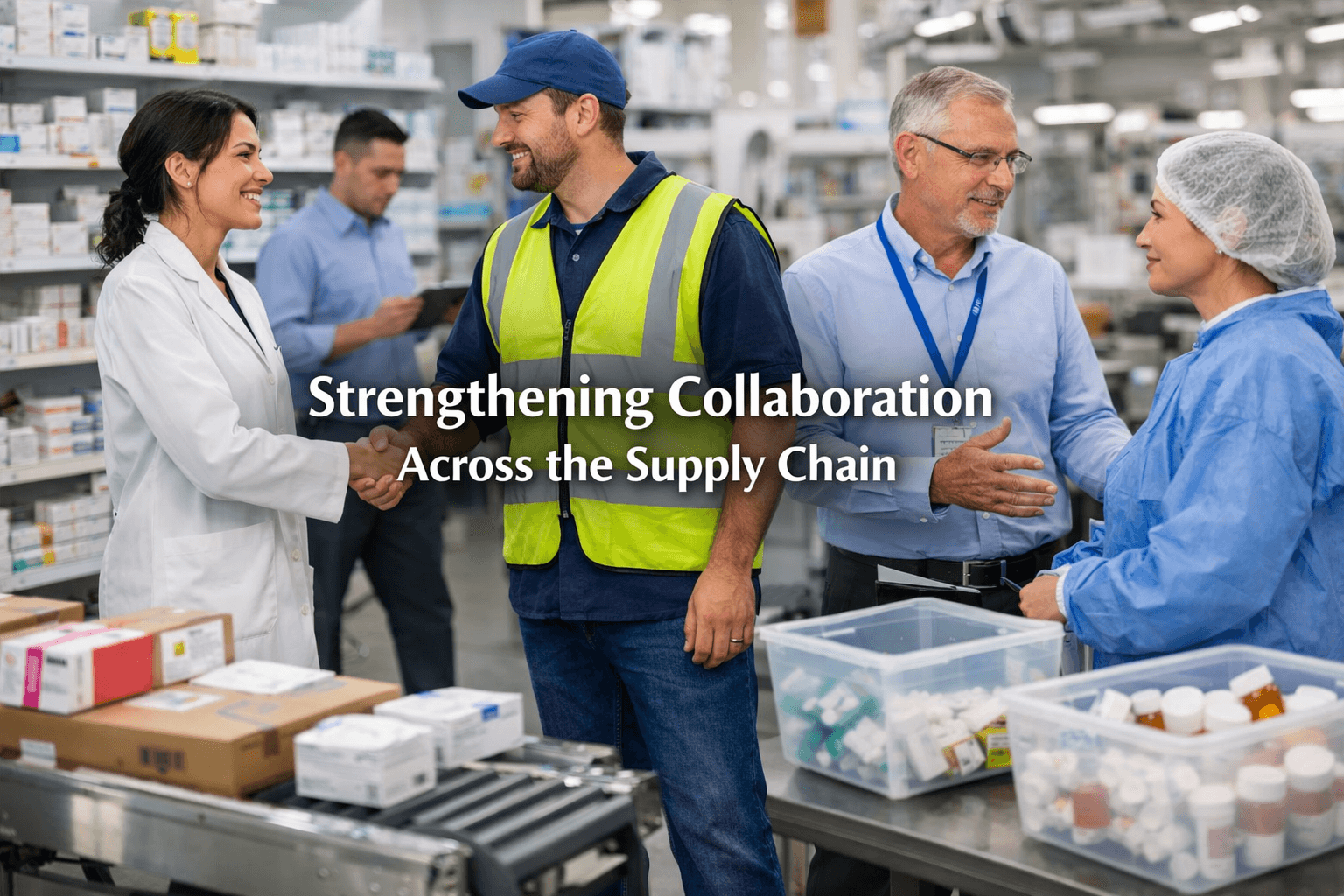
Can genuine collaboration reduce the systemic inefficiencies that plague the pharmaceutical supply chain? The evidence strongly suggests it can, transforming traditionally adversarial relationships into synergistic partnerships. When a manufacturer–distributor pharmacy relationship moves beyond basic transactional purchasing, the most immediate benefit is a dramatic improvement in forecasting accuracy. By moving from merely transmitting orders to securely sharing sell-out data from the pharmacy counter, both parties gain a reliable view of true consumer demand. This shared intelligence allows for more precise production planning and inventory deployment, reducing the bullwhip effect that causes both stockouts and costly overstocks. It transforms demand planning from a guessing game into a proven, data-driven science.
This collaborative ethos must extend to the financial and compliance realms as well. Establishing transparent trading terms—where payment timelines, rebate structures, and cost allocation are clearly documented and mutually understood—significantly reduces the potential for payment disputes and the friction they cause. In the critical area of patient safety, jointly developing and practicing structured recall protocols is non-negotiable. When a recall is triggered, a coordinated, pre-rehearsed response between brand owner and distributor is the only way to ensure effective and swift action, protecting patients and limiting regulatory fallout. Furthermore, initiatives like conducting joint audits of facilities or running coordinated training sessions for sales and logistics staff foster a culture of shared accountability and continuous improvement. When distributors and brand managers operate with open, trusted communication channels, operational friction inevitably decreases, replaced by a shared focus on serving the end customer—the patient. Collaboration is, without doubt, a strategic imperative, not an optional extra.
Learn more: Bolstering health system supply chain resilience to reduce risk
Performance Metrics & Store-Level Impact
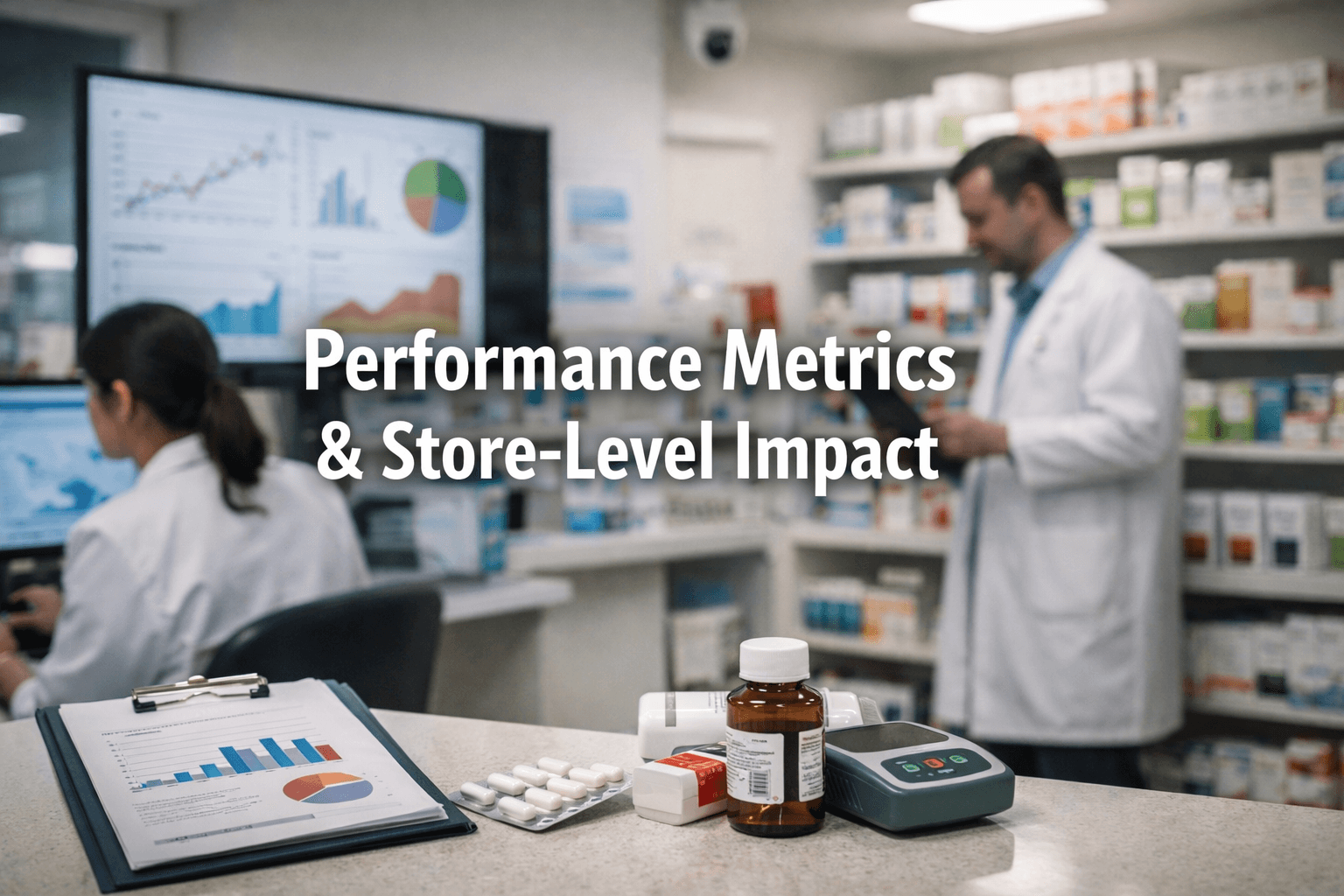
In an industry driven by data and accountability, how should success be measured beyond simple revenue targets? The answer lies in a suite of quantifiable KPIs that provide a clear, unambiguous view of operational health and service quality. These metrics are the language of proven performance and essential accountability, bridging the gap between warehouse operations and the patient experience.
| KPI | Target Benchmark | Distributor Responsibility | Retail Impact |
|---|---|---|---|
| OTIF Rate (On-Time In-Full) | >95% | Efficient scheduling & accurate picking | Consistent shelf availability, fewer lost sales |
| Inventory Turnover | Optimised monthly | Strategic stock rotation & demand forecasting | Reduced risk of expired goods, fresher stock |
| Temperature Compliance | 100% of monitored trips | Reliable monitoring systems & validated equipment | Absolute assurance of patient safety |
| Order Fill Rate | >98% | Accurate picking & real-time inventory visibility | Complete orders, sales continuity, customer loyalty |
Monitoring these metrics with rigour ensures that the promises made to brand principals are backed by proven operational data. It provides the evidence needed for continuous improvement and builds the trusted foundation for long-term contracts.
Learn more: Understanding the ROI of Pharmacy Merchandising Investments in Malaysia
Frequently Asked Questions (FAQ)
Q1: What is pharmacy and why is it important?
Answer: Pharmacy is the health profession that links the health sciences with the chemical sciences. It is concerned with the discovery, production, disposal, safe and effective use, and control of medicines and drugs. It is important because pharmacists, as experts in medicines, ensure the safe and optimal use of medications to improve patient health outcomes, prevent disease, and provide essential healthcare advice.
Q2: What services does a pharmacy provide?
Answer: Pharmacies provide a wide range of services, including dispensing prescription medications, offering over-the-counter (OTC) products and advice, providing medication management and counseling, administering certain vaccinations, conducting health screenings, and offering pharmacy care services (e.g., managing minor ailments, chronic disease management support).
Q3: What are pharmacy care services?
Answer: Pharmacy care services, often interchangeable with pharmaceutical care or advanced services, are patient-centered and outcomes-oriented practices where pharmacists work to design, implement, and monitor a therapeutic plan that will produce specific patient outcomes. Examples include Medication Therapy Management (MTM), chronic disease state management, immunization services, and support for smoking cessation.
Q4: Why is pharmacy first important?
Answer: “Pharmacy First” is a common term for schemes that allow patients to seek treatment and advice for minor illnesses directly from a community pharmacy, often without needing to see a GP. It is important because it improves patient access to convenient care, utilizes the pharmacist as a highly accessible healthcare professional, and reduces pressure on other NHS or healthcare services like GP surgeries and emergency departments.
Q5: What is the function of the pharmacy services?
Answer: The primary function of pharmacy services is to ensure that patients receive the appropriate medicines in the correct dose, along with the necessary information and support for their safe, effective, and rational use. This includes inventory management, compounding, dispensing, patient education, and collaboration with other healthcare providers.
Q6: What is pharmacy first service?
Answer: The Pharmacy First service (as implemented in the UK, for example) is a scheme that enables pharmacists to provide advice and, when appropriate, treatment (including prescription-only medicines via Patient Group Directions or by prescribing) for a defined set of common minor ailments (e.g., earache, sore throat, uncomplicated UTIs) directly in the pharmacy, expanding the pharmacist’s clinical role.
Q7: What services are offered by retail pharmacy?
Answer: Retail (or community) pharmacies offer services directly to the public, including dispensing prescriptions, selling over-the-counter medicines and health products, providing medication consultation, administering vaccinations (e.g., flu shots), offering health screening (e.g., blood pressure checks), managing minor ailments, and providing advice on healthy living.
Q8: Why is a pharmacy important?
Answer: A pharmacy is important because it serves as the most accessible healthcare point in many communities. It is crucial for safe and accurate medication dispensing, preventing drug interactions, offering essential health advice, providing primary healthcare interventions, and bridging the gap between patients and prescribers, thereby playing a vital role in public health.
Q9: What are the three types of pharmacies?
Answer: The three main types of pharmacy practice are generally categorized as:
- Community (Retail) Pharmacy: Pharmacies that serve the public directly in a community setting.
- Hospital (Institutional) Pharmacy: Pharmacies located within hospitals and healthcare facilities, serving inpatients and medical staff.
- Industrial (Pharmaceutical) Pharmacy: Involving roles in drug research, manufacturing, quality control, marketing, and regulatory affairs within the pharmaceutical industry.
Q10: Why is good pharmacy practice important?
Answer: Good Pharmacy Practice (GPP) is important because it establishes the standards for quality pharmacy services worldwide, ensuring that pharmacists provide care focused on the patient’s well-being and their use of medicines. GPP ensures safe dispensing, accurate information, professional advice, ethical conduct, and the overall goal of maximizing the positive health outcomes of patients.
How can we assist you today? 😊
Just let us know—we’re here to help!