

Is Malaysia’s pharmaceutical ecosystem genuinely prepared for the next wave of structural disruption, or will legacy models buckle under the weight of modern demands? The pharmaceutical supply chain Malaysia landscape in 2027 is no longer defined by simple wholesaling mechanics or the straightforward movement of goods from Point A to Point B. It has matured into a deeply multi-layered system, one that is profoundly shaped by rigorous regulatory oversight, relentless margin compression, soaring digital expectations, and the rapidly shifting dynamics of Malaysia retail pharmacy trends. What once functioned as a volume-driven distributor pharmacy model—focused primarily on throughput—has now transformed into a complex, strategic coordination platform. This platform now serves as the critical connective tissue linking brand owners, pharmacists, merchandisers, and regulatory authorities in a delicate dance of supply and demand.
Pharmacy distribution service in Malaysia today operates through a dichotomous mix of large pharmacy wholesale distributors and nimble, independent pharmacy distributor networks. The former, often giants in the field, offer undeniable advantages: immense scale, sophisticated warehousing infrastructure, and a geographic reach that blankets the nation. They are the engines of mass distribution. The latter, by contrast, provide a different kind of value: tailored service, closer pharmacist engagement, and remarkable operational agility that allows them to pivot quickly in response to local market needs. Both models, however, are now navigating a minefield of growing compliance intensity and escalating operational risk. The stakes have never been higher.
From a distributor viewpoint, margin compression has become increasingly serious—a slow bleed that threatens long-term viability. Credit terms extended to pharmacy chains are stretching longer, often beyond 60 days, while promotional expectations from brand owners grow more elaborate and expensive. Simultaneously, the sheer volume of compliance documentation required for each transaction has ballooned. Many operators must now perform a precarious balancing act, channeling essential investment into regulatory adherence while managing the relentless pressure of tight working capital cycles. It is a high-wire act with no safety net.
Pharmacists, meanwhile, prioritize one thing above all else: reliable stock flow and the promise of rapid replenishment. In the retail pharmacy world, empty shelves erode more than just sales; they chip away at patient trust and store revenue. A mother seeking medication for a sick child will not wait three days for a restock—she will go elsewhere. For brand managers, particularly those competing in saturated categories like supplements and skincare, the concern is twofold: speed-to-market and sell-through transparency. They need to know their products are not just delivered, but actively moving off shelves.
The year 2027 represents a definitive turning point because compliance expectations and digital transformation requirements are no longer optional upgrades. They are not “nice-to-haves” that can be deferred. They are structural necessities. Without a commitment to strategic reinvention, the healthcare supply chain resilience that Malaysia has worked to build will inevitably weaken, creating vulnerabilities that will impact everyone from the multinational corporation to the neighborhood pharmacy.
Regulatory and Compliance Pressures: NPRA, GDP, and Audit Intensification

Can distributors truly innovate when the web of regulatory complexity continues to expand with each passing year? The frameworks governing NPRA compliance Malaysia exist, first and foremost, to protect patient safety and ensure the authenticity of every product that reaches the counter. Yet, the operational burden this places on distributors has intensified at an alarming rate. Navigating product registration timelines, managing variation submissions for formula changes, and preparing for exhaustive documentation audits now consumes essential manpower and redirects capital that could otherwise fuel growth initiatives.
The enforcement of Good Distribution Practice (GDP) Malaysia has also tightened considerably. It is no longer sufficient to simply state that standards are met; distributors must now provide irrefutable proof. This means meticulous warehousing temperature logs, rigorous cold chain logistics Malaysia validation for sensitive biologics, foolproof batch traceability records, and recall preparedness documentation that is audited with increasing frequency and severity. These measures are proven safeguards, undeniably effective at protecting the public. However, they also restrict operational flexibility, turning warehouses into highly controlled environments where every movement is logged and scrutinized.
Cross-border regulatory alignment adds yet another intricate layer. Imported supplements and OTC products, often sourced from regional manufacturing hubs, must align perfectly with local Malaysian labeling and documentation standards. A minor discrepancy in language or ingredient listing can slow entry timelines for new brands by weeks or even months, giving locally-established competitors a significant advantage.
| Metric | Independent Pharmacy Distributor | Large Pharmacy Wholesale Distributors |
|---|---|---|
| Audit Frequency | Moderate, but each audit is highly resource-heavy for the team. | Frequent, managed by dedicated, internal compliance teams. |
| Documentation Scope | Broad, requiring staff to wear multiple hats with limited manpower. | Extensive, but heavily supported by robust, system-driven processes. |
| Licensing Coverage | Often regional, focusing on specific states or territories. | Nationwide, covering all distribution points under a unified strategy. |
| Operational Cost Impact | High relative burden, as fixed costs are spread over smaller revenue. | Distributed across scale, making per-unit compliance costs lower. |
| Innovation Flexibility | Agile in theory but resource-constrained in practice. | Structured, but slower decision cycles can hinder rapid adaptation. |
Compliance builds a trusted and essential foundation for public safety, a fact that no industry player disputes. However, this necessary rigor also restricts the kind of rapid experimentation and agile digital transformation seen in less-regulated sectors. Smaller players often struggle to find the resources needed to invest in innovation while simultaneously maintaining perfect audit readiness. In practice, innovation and compliance must coexist—but achieving a seamless alignment between the two is a rare and difficult feat.
Learn more: NPRA product search | GUIDELINE ON GOOD DISTRIBUTION PRACTICE
Financial and Margin Pressures Across Distributor Pharmacy Networks
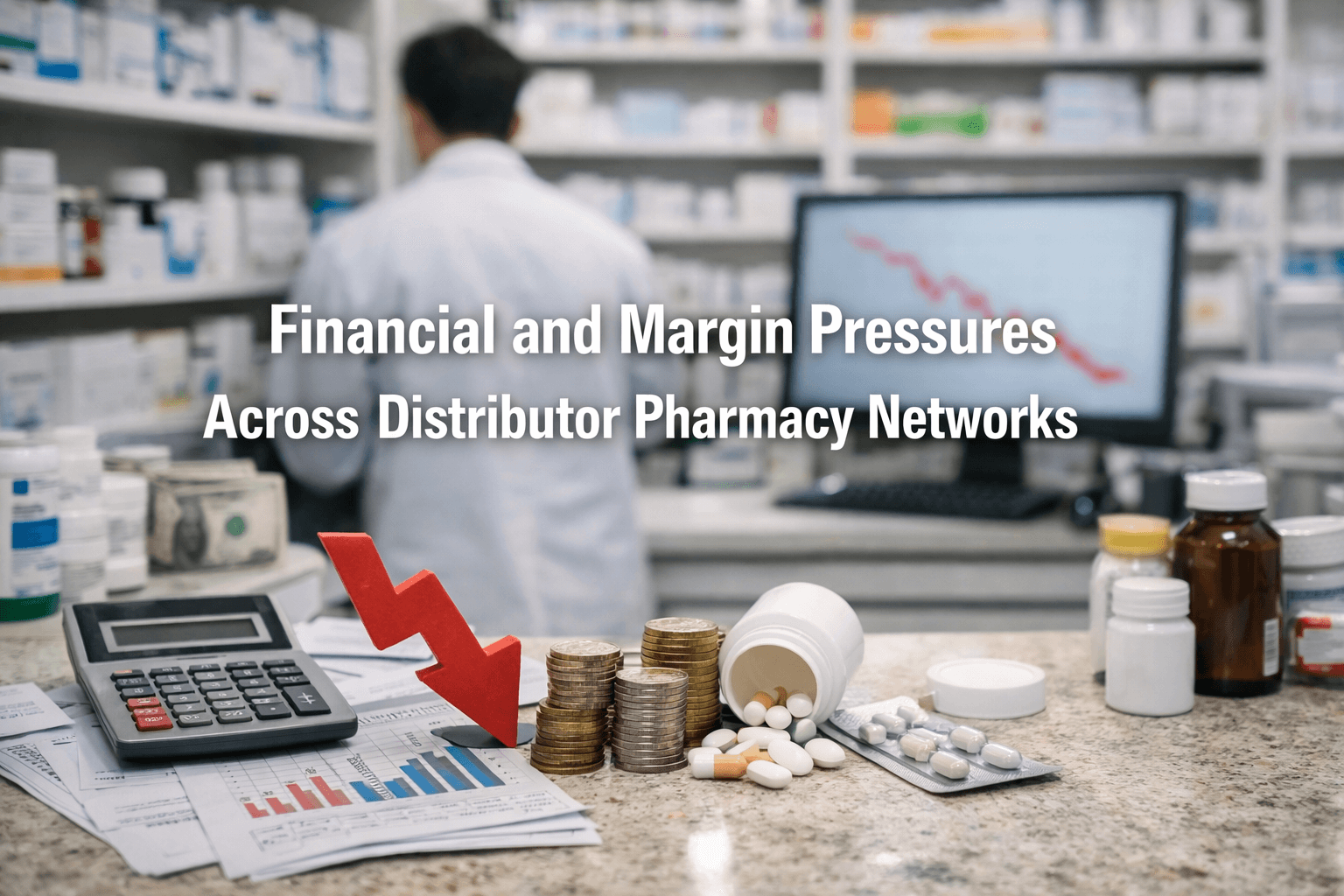
How can meaningful reinvestment in infrastructure and technology occur when margins are consistently narrowing, squeezed from every direction? Financial pressure is perhaps the most under-discussed yet pervasive constraint within the pharmaceutical supply chain Malaysia ecosystem today. The cumulative effect of rising fuel costs for delivery fleets, warehouse rental escalation in urban centers, climbing insurance premiums, and the ever-present overhead of compliance has fundamentally reshaped traditional cost structures.
Distributor pharmacy networks now face the daunting challenge of extended credit terms demanded by their pharmacy clients. Payment cycles stretching beyond 60 or even 90 days create significant cash flow strain, forcing distributors to effectively act as bankers for the retailers they supply. At the same time, brand owners, eager to maintain market share, continue to expect promotional rebates, hefty listing fees for new products, and comprehensive marketing support at the store level. The distributor is caught squarely in the middle, absorbing financial risk from both sides.
Pharmacists, in turn, demand increasingly competitive pricing due to growing consumer price sensitivity in a tough economic climate. Brands seek expanded visibility through prime point-of-sale activation and end-cap displays. The distributor, responsible for execution, must fund these initiatives while waiting for payment. Inventory holding risk compounds this financial pressure exponentially. Effective pharmaceutical inventory management requires constant vigilance: meticulous expiry tracking, careful batch segregation to manage recalls, and strategic safety stock allocation to prevent stock-outs. Overstocking ties up precious working capital in products that may expire; understocking damages hard-won relationships and opens the door for competitors.
When margins narrow to a thread, the capacity to invest in long-overdue upgrades—such as ERP system modernizations, advanced Warehouse Management Systems, or predictive analytics—dries up. Many efficient and well-run independent pharmacy distributor models operate with lean teams and razor-thin profits, but they lack the excess capital required for meaningful digital modernization. This dynamic creates a structural bottleneck within the industry. Without financial flexibility, the pace of innovation inevitably slows, leaving the entire supply chain vulnerable to more agile disruptors.
Learn more: Measuring the ROI of Merchandising Services in Retail Environments | Pharma industry outlook, trends and priorities for 2026
Technology Gaps and Digital Integration Barriers

Why is digital adoption so uneven across the landscape of Malaysian distributors, leaving some players decades ahead of others? Technology is now widely recognized as essential for achieving true pharmacy logistics optimization, offering a path to greater efficiency and accuracy. Yet, its implementation across the sector remains frustratingly inconsistent, creating a two-tiered system of haves and have-nots.
In many mid-tier operations, Warehouse Management Systems (WMS) lack seamless integration with Enterprise Resource Planning (ERP) platforms. This creates data silos where information cannot flow freely between inventory control and financial accounting. Consequently, data entry remains a semi-manual process, a tedious routine that not only reduces overall efficiency but also significantly increases the risk of reconciliation errors. The vision of real-time inventory tracking—a cornerstone of modern supply chain management—remains an aspirational goal rather than an operational reality for many.
Shockingly, manual reporting processes still persist in smaller distributor pharmacy setups. Critical tasks like batch traceability, temperature record maintenance for cold chain items, and order reconciliation may be partially digitized in spreadsheets but are far from being fully automated within an integrated system. This reliance on manual intervention introduces a point of potential failure at every step, undermining the reliability of the entire operation.
| Indicator | Manual Operations | Digital Operations |
|---|---|---|
| Inventory Accuracy | Moderate, prone to human error and counting discrepancies. | High, with real-time tracking and automated cycle counting. |
| Reporting Speed | Delayed, often requiring days to compile end-of-month reports. | Real-time, with dashboards providing instant visibility. |
| Compliance Traceability | Paper-based, difficult to audit and vulnerable to loss. | Automated logs, easily searchable and audit-ready. |
| Labour Dependency | High, with staff bogged down by administrative tasks. | Optimized, freeing up personnel for strategic value-add roles. |
| Cost-to-Serve Impact | Variable, often spiking unexpectedly due to inefficiencies. | Predictable, allowing for more accurate budgeting and pricing. |
For independent pharmacy distributor networks, embarking on digital transformation requires not just capital, but also comprehensive training and alignment with expert system integrators. It is a proven fact that digitized operations significantly reduce shrinkage, minimize compliance errors, and improve overall productivity. However, the initial transition costs can be prohibitive, and the disruption to daily operations during implementation can be daunting. Technology is undeniably efficient when it is fully and thoughtfully integrated. However, a partial implementation—adopting new tools without fully retiring old processes—can often create new and unforeseen complexities rather than solving the old ones.
Learn more: Cold chain management in hospitals: the recipe for success
Inventory Risk, Demand Volatility, and Store-Level Impact
What actually happens when demand forecasting fails at the most critical point—the store level, where the patient meets the product? The repercussions are immediate and tangible. Inventory risk is not an abstract corporate concern; it directly impacts the daily performance and reputation of retail pharmacies. Seasonal demand spikes, such as those seen during the intense flu season or the promotional frenzy surrounding festive periods like Hari Raya or Chinese New Year, can rapidly deplete stocks, leading to widespread understocking of essential items.
Conversely, the natural inclination to overcompensate for these spikes—by overestimating demand—leads to a different problem: costly expiry write-offs. Effective pharmaceutical inventory management in this environment must account for strategic SKU rationalization, ensuring that shelf space is allocated to products with the highest velocity and relevance. Shelf space in a pharmacy is a finite and fiercely contested resource. Brands compete aggressively for prime positioning, knowing that visibility is directly correlated with sales.
From a pharmacist’s perspective, frequent stock-outs are more than an inconvenience; they are a direct threat to the trust they have built with their patients. A patient who cannot find their regular medication may question the pharmacy’s reliability. From a distributor’s viewpoint, dead stock—products that have expired or are about to—represents capital that is permanently lost, money that was spent but will never be recovered. From a brand manager’s angle, inconsistent shelf visibility is a silent killer of marketing campaigns, as all the advertising in the world cannot compensate for a product that is not physically available for purchase.
Healthcare supply chain resilience in this volatile environment depends almost entirely on the adoption of reliable demand forecasting systems. The implementation of tailored replenishment models that incorporate Point-of-Sale (POS) data sharing between retailers and distributors could dramatically improve outcomes, smoothing out the peaks and valleys of demand. However, the necessary data transparency between distributor pharmacy operators and their retail outlet partners remains frustratingly inconsistent, often hampered by a lack of trust or technological capability. Volatility itself is not a new phenomenon in the pharmaceutical trade—but managing volatility within an already compliance-heavy, margin-constrained environment creates a compounded risk that demands more sophisticated solutions than those currently in place.
Independent Pharmacy Distributor vs Large-Scale Wholesale Models
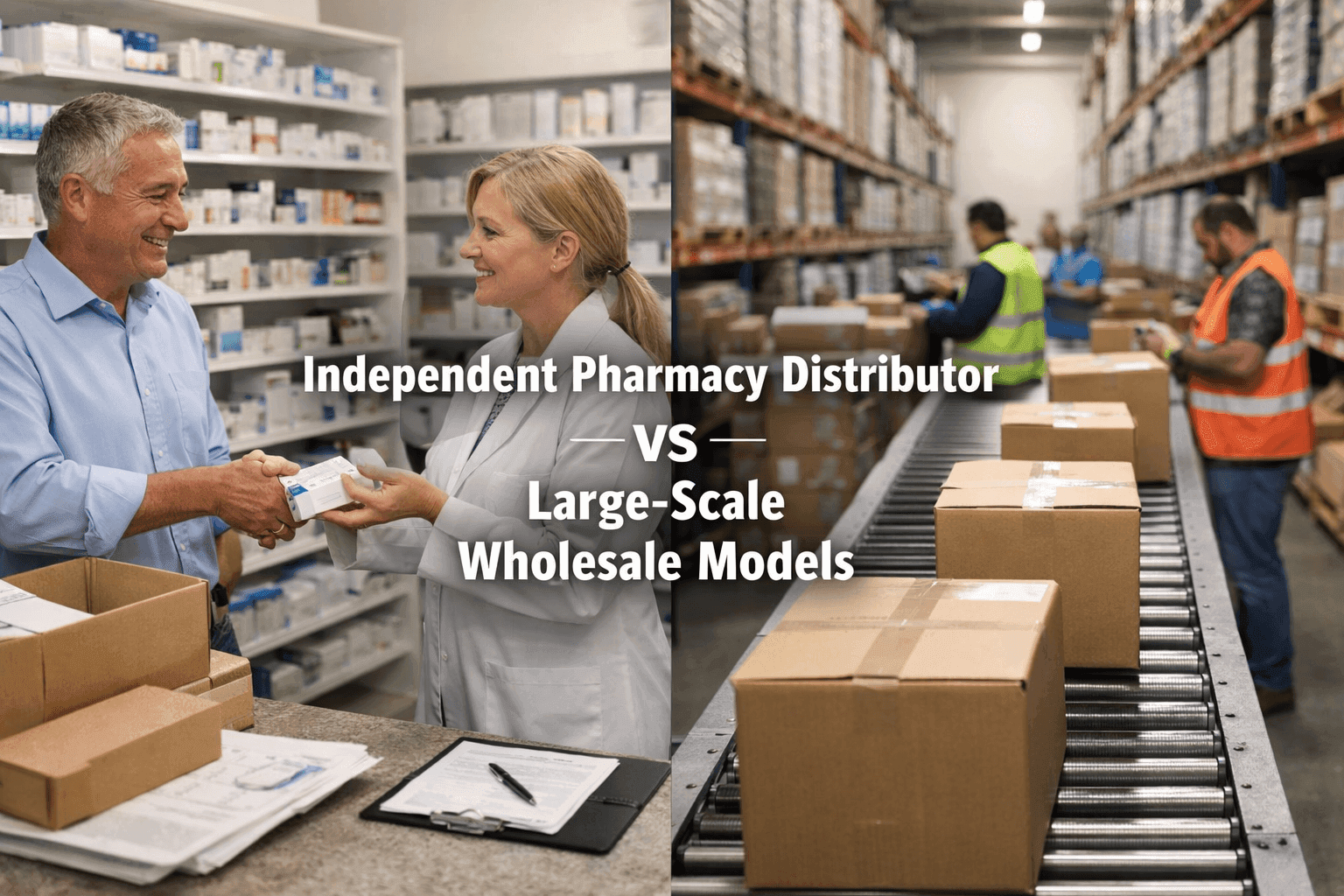
Which structure is genuinely better positioned to drive innovation in the demanding landscape of 2027? The answer, as with many complex questions in healthcare logistics, is not straightforward. Independent pharmacy distributor models undeniably offer agility that their larger counterparts often struggle to match. Decision-making in these organizations is faster, unencumbered by多层 approval processes. Relationship-based engagement enables a level of tailored service that fosters deep loyalty—the distributor knows the pharmacist by name, understands their specific patient demographic, and can provide localized support that feels personal rather than procedural.
Large pharmacy wholesale distributors, by contrast, bring a different arsenal to the table. They offer formidable economies of scale, state-of-the-art automated warehousing, and national coverage that can put products on shelves from Johor to Penang within a single distribution cycle. They may possess more advanced systems—integrated ERP platforms, robotic picking, and sophisticated transport management software—but they operate within far more structured governance frameworks. Every decision must pass through multiple layers of review, which, while ensuring compliance, can stifle spontaneity.
For a distributor pharmacy built on agility, the ability to quickly onboard niche or emerging brands is a significant advantage. A new supplement launch can be negotiated, stocked, and delivered within days, capitalizing on market trends before they peak. However, this speed comes with exposure. Risk exposure is considerably higher for these players, particularly if capital reserves are limited and a single bad debt or expired batch can threaten operational stability. The wholesale models benefit from structured procurement that locks in volume rebates and predictable costing. Yet their innovation cycles may be noticeably slower, hampered by hierarchy and the sheer inertia of large-scale system rigidity.
In 2027, innovation capacity depends not purely on the scale of operations but on achieving a strategic alignment between three critical pillars: compliance, technology, and financial flexibility. Neither pure agility nor brute scale alone is sufficient. A hybrid structure—one that combines a trusted and robust compliance infrastructure with the capacity for agile, on-the-ground execution—may well become the optimal path forward for the pharmacy distributor Malaysia ecosystem.
Learn more: Top 20 Pharmaceutical Companies in Malaysia (2026 Edition)
Human Capital Constraints: Workforce and Operational Expertise

Can even the most sophisticated systems function effectively without skilled leadership guiding them? The resounding answer from the industry is no. Technology, for all its promise, cannot single-handedly solve compliance gaps or bridge operational deficiencies. Human capital remains the essential ingredient that transforms processes into performance, and in Malaysia’s pharmaceutical distribution sector, this ingredient is becoming increasingly scarce.
There is a growing and pronounced shortage of experienced GDP compliance officers in Malaysia. These are the professionals who understand the nuances of the guidelines, who can interpret regulatory changes, and who can instill a culture of quality throughout the organization. Their expertise is not just administrative; it is the bedrock of audit readiness. Similarly, the oversight required for cold chain logistics Malaysia demands trained personnel who comprehend not just the mechanics of refrigeration, but the science of temperature excursions and the criticality of rapid intervention. Data analytics capability within the distribution sector remains frustratingly uneven; many organizations have access to data but lack the expert human resource needed to interpret it and translate insights into action.
Warehouse retention issues further compound the problem, directly affecting operational stability. High employee turnover, a persistent challenge in the logistics sector, erodes process reliability. New staff require training, which consumes time and resources, and during the learning curve, errors are more likely. This churn increases training costs while simultaneously reducing the institutional knowledge that makes a warehouse run smoothly. Reliable operational leadership ensures that the frameworks governing regulatory pharmaceutical distribution Malaysia are not just documented on paper, but are diligently executed in practice. Without a sustained and strategic investment in training, career development, and retention, even the most advanced systems will falter. Innovation in this context, therefore, is not merely a digital challenge—it is fundamentally a cultural and organizational one.
Collaboration Gaps Across the Supply Chain
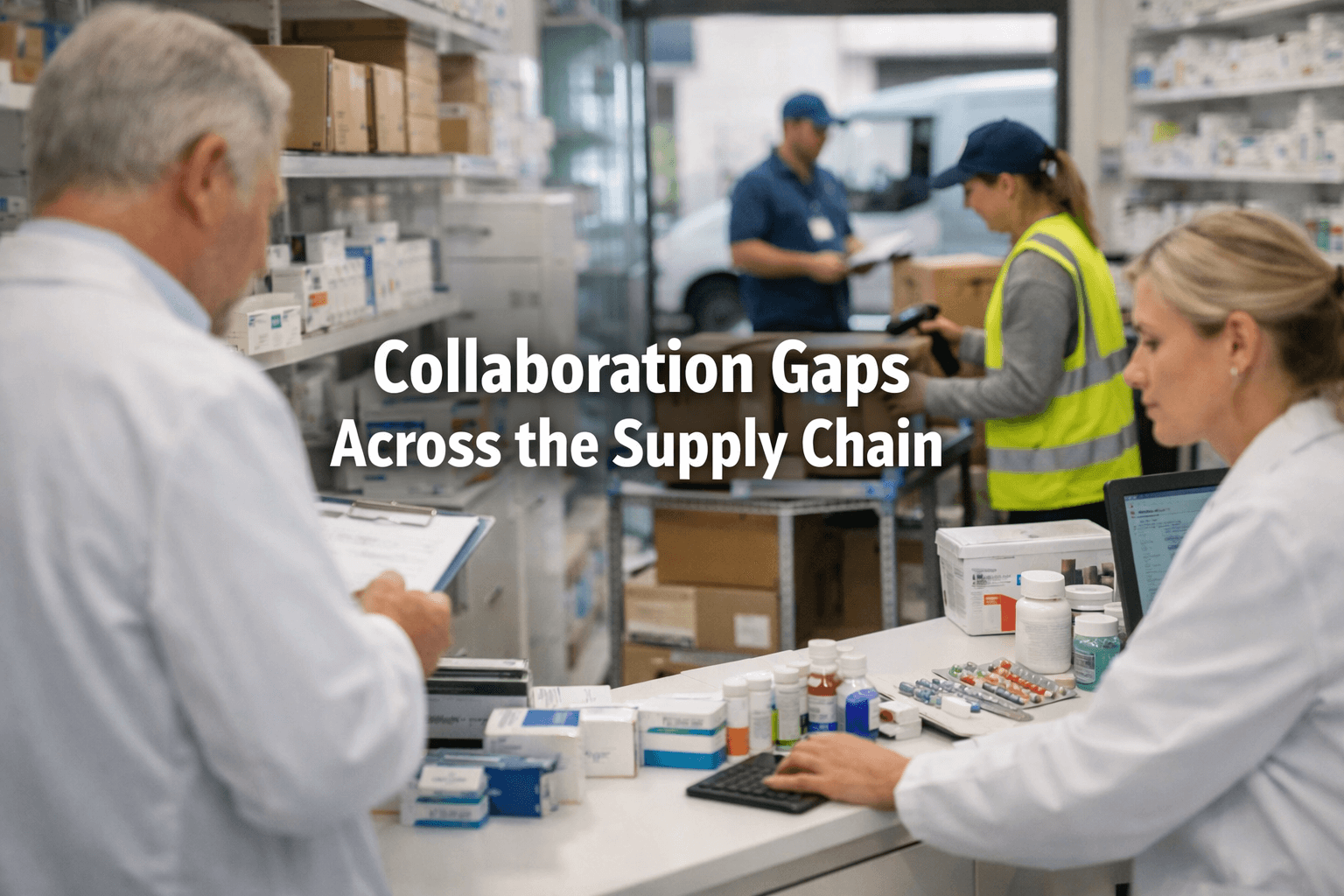
Why does significant misalignment continue to persist across the supply chain, despite all stakeholders ostensibly sharing the same goal of getting the right product to the right patient at the right time? The persistence of fragmentation between brand managers, distributor pharmacy operators, and pharmacists remains one of the most significant, yet addressable, barriers to optimization.
The needs of each party are interdependent, yet they are often planned for in isolation. Distributors require accurate forecasting visibility from brands and retailers so they can confidently allocate inventory, manage cash flow, and plan warehouse capacity. Pharmacists, at the front lines, require a predictable and reliable flow of stock to meet patient needs and maintain their hard-earned reputation. Brands, who have invested heavily in product development and marketing, require clear sell-through transparency to measure the return on their investment and adjust their strategies accordingly.
The primary roadblock is often data sharing limitations, which remain common across the industry. Forecasting is frequently based on historical orders—a rear-view mirror approach—rather than being dynamically informed by real-time POS movement at the pharmacy counter. A brand manager might launch a major promotional campaign, but if the distributor and pharmacist are unaware of its timing and scale, stock-outs are inevitable. The pharmacist sees frustrated customers, the brand sees wasted marketing spend, and the distributor sees an urgent, unplanned spike in demand that strains their resources.
The implementation of stronger trusted and strategic collaboration frameworks could fundamentally transform the pharmaceutical supply chain Malaysia ecosystem. Imagine joint planning sessions where brand, distributor, and key pharmacy accounts sit together to map out the year. Picture shared KPI dashboards that provide end-to-end visibility of performance, from warehouse dispatch to shelf-of-sale. Consider coordinated promotional cycles that align marketing activity with inventory deployment. These are not futuristic concepts; they are proven practices from other industries that could dramatically reduce the inefficiencies that currently plague the sector. Without a genuine commitment to alignment, these inefficiencies will continue to compound at every layer of the chain, eroding value for everyone involved.
Innovation Pathways: Reforming the Pharmacy Distributor Malaysia Model
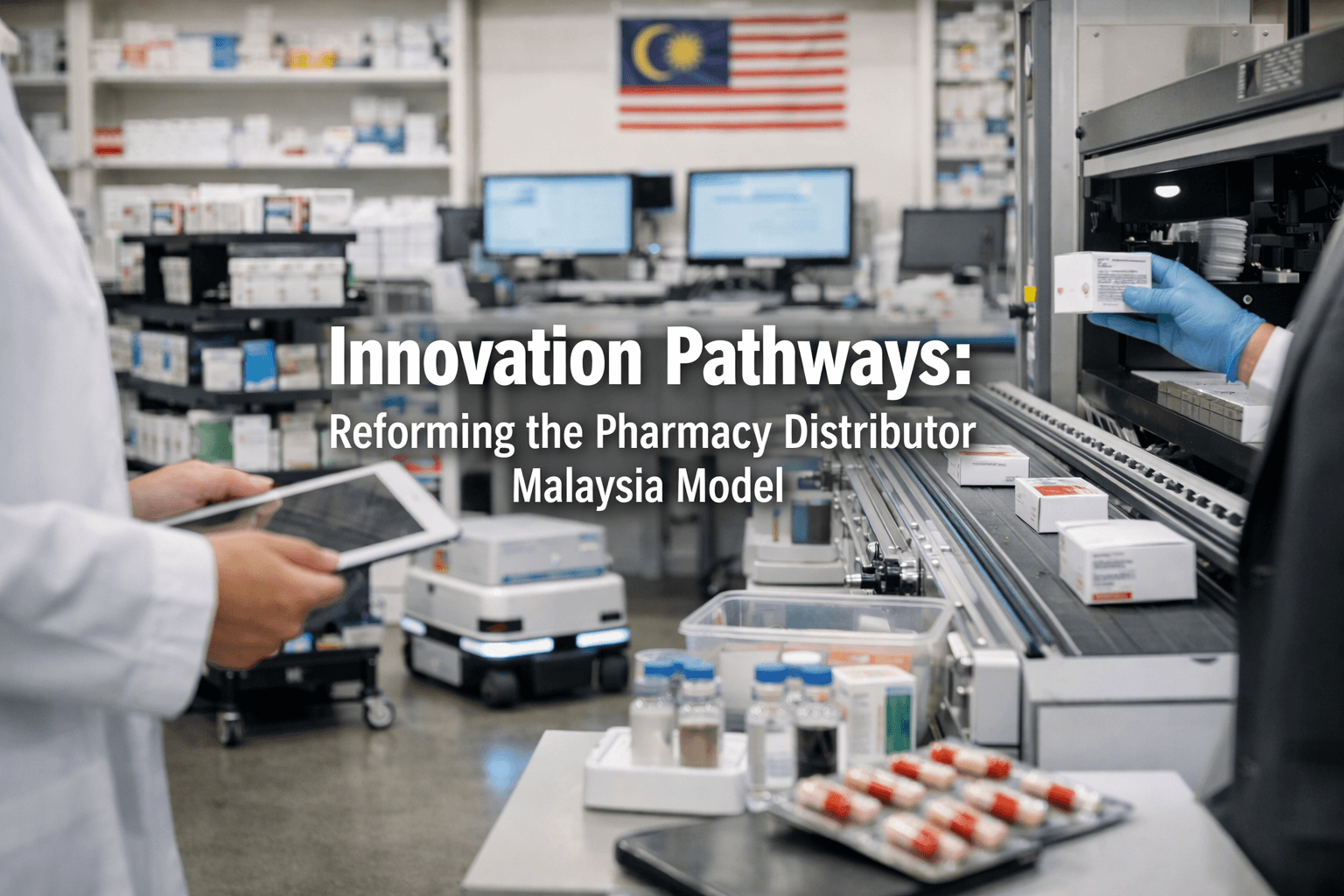
What practical, on-the-ground reforms can actually reshape distribution performance in a meaningful and sustainable way? The pathways to improvement are becoming clearer, illuminated by early adopters who are willing to move beyond legacy practices and embrace a more integrated approach.
Digital compliance automation stands out as a high-impact area that can significantly reduce the manual workload that drains resources. The shift from paper-based logs to automated GDP audit logs does more than just save time; it enhances transparency, making data instantly accessible for inspections and internal reviews. This creates a digital thread of accountability that runs from goods receipt to final delivery.
Data-driven replenishment models, when effectively linked to retail pharmacy POS systems, have the power to revolutionize pharmaceutical inventory management. Instead of guessing what will sell, distributors can align stock levels with actual consumption patterns. Collaborative planning models, where risk and reward are shared through innovative commercial structures, can align incentives and foster deeper partnerships. For instance, tailored consignment stock arrangements can reduce the pharmacist’s working capital burden while guaranteeing the distributor’s product placement.
Cold chain optimisation strategies are also evolving. The adoption of centralized temperature monitoring systems, which provide real-time alerts if a storage unit deviates from its specified range, strengthens operational integrity and provides documented proof of compliance. These systems offer peace of mind that is invaluable in a regulated environment.
| Innovation Framework | Core Function | Primary Beneficiary |
|---|---|---|
| Shared Demand Forecasting Portals | Provides visibility of upcoming demand to all parties. | Distributor & Brand Manager |
| Structured KPI Review Meetings | Regularly assesses performance against agreed metrics. | All Stakeholders |
| Integrated WMS-ERP Systems | Eliminates data silos between warehouse and finance. | Distributor |
| Performance-Based Rebate Models | Links financial incentives to actual sell-through data. | Brand Manager & Pharmacist |
These proven innovation frameworks—shared demand forecasting portals, structured KPI review meetings, integrated WMS-ERP systems, and performance-based rebate models—are not theoretical. They are actionable strategies that are already delivering results for forward-thinking organizations. When pharmacy distribution service in Malaysia evolves toward more efficient and tailored systems, the entire healthcare supply chain resilience is strengthened, creating a more robust environment for growth. Reform, however, is not an overnight event. It requires a phased, strategic implementation plan that respects the complexities of the existing operation while steadily building toward a more capable future.
Conclusion

The trajectory of the pharmaceutical supply chain Malaysia will ultimately be determined by the willingness of its participants to embrace structural reform. Innovation cannot be confined to isolated, one-off technology upgrades; it must become a systemic characteristic of the entire distribution ecosystem. The delicate balance between rigorous compliance and operational efficiency must be maintained. Financial sustainability must be pursued in a way that aligns with, rather than cuts corners on, regulatory expectations.
Pharmacy distributor Malaysia stakeholders who make the conscious decision to invest in reliable systems, foster strategic collaboration, and prioritize the development of essential talent will be the ones who shape the direction of the next decade. They will define the standards that others will eventually be forced to follow. Distribution models that remain static, clinging to outdated practices in a rapidly tightening ecosystem, may find themselves increasingly unable to compete, squeezed out by more agile and compliant rivals.
Frequently Asked Questions (FAQ)
Q1: What is pharmacy and why is it important?
Answer: Pharmacy is the health profession that links the health sciences with the chemical sciences. It is concerned with the discovery, production, disposal, safe and effective use, and control of medicines and drugs. It is important because pharmacists, as experts in medicines, ensure the safe and optimal use of medications to improve patient health outcomes, prevent disease, and provide essential healthcare advice.
Q2: What services does a pharmacy provide?
Answer: Pharmacies provide a wide range of services, including dispensing prescription medications, offering over-the-counter (OTC) products and advice, providing medication management and counseling, administering certain vaccinations, conducting health screenings, and offering pharmacy care services (e.g., managing minor ailments, chronic disease management support).
Q3: What are pharmacy care services?
Answer: Pharmacy care services, often interchangeable with pharmaceutical care or advanced services, are patient-centered and outcomes-oriented practices where pharmacists work to design, implement, and monitor a therapeutic plan that will produce specific patient outcomes. Examples include Medication Therapy Management (MTM), chronic disease state management, immunization services, and support for smoking cessation.
Q4: Why is pharmacy first important?
Answer: “Pharmacy First” is a common term for schemes that allow patients to seek treatment and advice for minor illnesses directly from a community pharmacy, often without needing to see a GP. It is important because it improves patient access to convenient care, utilizes the pharmacist as a highly accessible healthcare professional, and reduces pressure on other NHS or healthcare services like GP surgeries and emergency departments.
Q5: What is the function of the pharmacy services?
Answer: The primary function of pharmacy services is to ensure that patients receive the appropriate medicines in the correct dose, along with the necessary information and support for their safe, effective, and rational use. This includes inventory management, compounding, dispensing, patient education, and collaboration with other healthcare providers.
Q6: What is pharmacy first service?
Answer: The Pharmacy First service (as implemented in the UK, for example) is a scheme that enables pharmacists to provide advice and, when appropriate, treatment (including prescription-only medicines via Patient Group Directions or by prescribing) for a defined set of common minor ailments (e.g., earache, sore throat, uncomplicated UTIs) directly in the pharmacy, expanding the pharmacist’s clinical role.
Q7: What services are offered by retail pharmacy?
Answer: Retail (or community) pharmacies offer services directly to the public, including dispensing prescriptions, selling over-the-counter medicines and health products, providing medication consultation, administering vaccinations (e.g., flu shots), offering health screening (e.g., blood pressure checks), managing minor ailments, and providing advice on healthy living.
Q8: Why is a pharmacy important?
Answer: A pharmacy is important because it serves as the most accessible healthcare point in many communities. It is crucial for safe and accurate medication dispensing, preventing drug interactions, offering essential health advice, providing primary healthcare interventions, and bridging the gap between patients and prescribers, thereby playing a vital role in public health.
Q9: What are the three types of pharmacies?
Answer: The three main types of pharmacy practice are generally categorized as:
- Community (Retail) Pharmacy: Pharmacies that serve the public directly in a community setting.
- Hospital (Institutional) Pharmacy: Pharmacies located within hospitals and healthcare facilities, serving inpatients and medical staff.
- Industrial (Pharmaceutical) Pharmacy: Involving roles in drug research, manufacturing, quality control, marketing, and regulatory affairs within the pharmaceutical industry.
Q10: Why is good pharmacy practice important?
Answer: Good Pharmacy Practice (GPP) is important because it establishes the standards for quality pharmacy services worldwide, ensuring that pharmacists provide care focused on the patient’s well-being and their use of medicines. GPP ensures safe dispensing, accurate information, professional advice, ethical conduct, and the overall goal of maximizing the positive health outcomes of patients.
If your organization is currently navigating the complexities of regulatory compliance, grappling with persistent margin pressure, or encountering operational bottlenecks within Malaysia’s dynamic pharmaceutical ecosystem, strategic collaboration can make a significant difference. Our team provides comprehensive pharmacy distribution solutions, dedicated merchandising support, and structured alignment frameworks that are specifically designed for today’s compliance-driven environment. We understand the local landscape and the unique challenges it presents. Contact us to explore how we can work together to strengthen your distribution strategy and support sustainable, long-term growth across Malaysia’s evolving healthcare landscape.
How can we assist you today? 😊
Just let us know—we’re here to help!