

August 2, 2025
Retail merchandising in Asia’s healthcare sector has shifted from a passive, visual-centric role to a strategic, data-driven function that directly influences consumer behavior, brand loyalty, and sales performance. No longer just about arranging products neatly, it’s now a proven method to enhance accessibility, compliance, and customer trust—especially in high-traffic zones like pharmacies and wellness stores.
Take Malaysia, for instance. With over 3,000 independent pharmacies serving as primary healthcare touchpoints, the demand for tailored merchandising solutions has skyrocketed. These pharmacies, often partnering with pharmacy wholesale distributors, require efficient shelf management, localized planograms, and regulatory adherence to stay competitive. Unlike generic retail, healthcare merchandising must balance strategic product placement with strict compliance—ensuring essentials like wound care or prescription meds are both visible and stored correctly.
Real-World Impact:
A trusted skincare brand in Malaysia saw a 20% monthly sales boost after revamping in-store displays to cross-promote supplements and cosmetics—a tactic borrowed from Thailand’s expert merchandisers. Meanwhile, Vietnam’s rural pharmacies leverage reliable vertical stacking to maximize limited shelf space. These examples underscore how merchandising isn’t just aesthetic; it’s a essential driver of operational success.
Understanding the Landscape: Independent Pharmacy Distribution and Merchandising Trends

Independent pharmacies dominate Asia’s healthcare retail scene, particularly in Malaysia, where they outnumber chains in suburban and rural areas. Their influence stems from consumer trust and hyper-localized service—but their merchandising needs are unique:
Space constraints: Unlike big-box retailers, independents operate in compact layouts, demanding strategic category allocation.
Regulatory hurdles: Malaysia’s NPRA guidelines, for example, dictate where certain products (e.g., controlled meds) can be placed.
Consumer behavior: Urban pharmacies prioritize speed and convenience, while rural outlets focus on affordability and education.
Current Trends Reshaping the Sector:
Data-Driven Planograms
Gone are the days of generic shelf layouts. Modern merchandisers analyze sell-through rates to prioritize high-demand SKUs—like placing pain relievers at eye level during flu season.Clinic-Integrated Displays
Pharmacies adjacent to clinics (common in Vietnam) use wellness store merchandising to capitalize on patient footfall. Think bundled displays of vitamins and wound care near checkout counters.Cross-Category Promotions
Malaysia’s Caring Pharmacy and Watsons often merge health supplements with skincare or FMCG items, creating effective impulse-buy zones.
Regional Benchmarks:
Thailand: Boots’ rotating seasonal displays (e.g., allergy products during monsoon) boost sell-out rates by 15%.
Vietnam: Guardian’s vertical stacking for cosmetics cuts restocking time by 30%.
Learn more : Challenges in the management of community pharmacies in Malaysia
Key Criteria for Selecting Effective Retail Merchandising Servicers
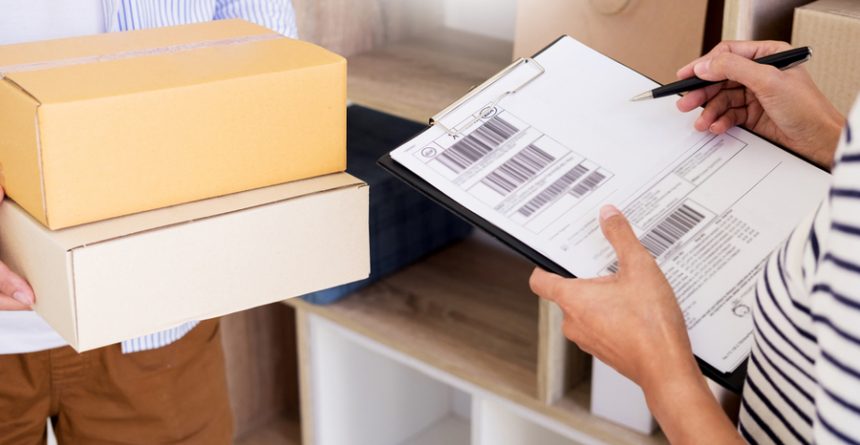
Choosing the right merchandising partner isn’t just about cost—it’s about operational reliability and brand alignment. Here’s what pharmacy distributor Malaysia networks prioritize:
✅ Operational Efficiency
Can the servicer handle weekly stock audits without disrupting store operations?
Do they use digital tools for real-time shelf reporting?
✅ Local Market Expertise
Knowledge of Malaysia’s NPRA guidelines for product placement.
Insights into regional preferences (e.g., urban KL vs. East Malaysia’s rural demand).
✅ Compliance & Integrity
Adherence to FIFO (First-In-First-Out) to prevent expired stock.
Ethical display practices (e.g., no misleading promotions).
✅ Adaptability
Flexibility to test new display concepts (e.g., end-cap promotions for supplements).
Strategic recommendations to reduce out-of-stock incidents.
Why It Matters:
A reliable merchandiser can slash restocking time by 40% while ensuring compliance—critical for brands partnering with distributor pharmacy networks.
Learn more : Understanding the ROI of Pharmacy Merchandising Investments in Malaysia | Effective Merchandising Strategy: Transform Your Retail Space to Drive Sales
Spotlight on Malaysia: Emerging and Proven Merchandising Servicers
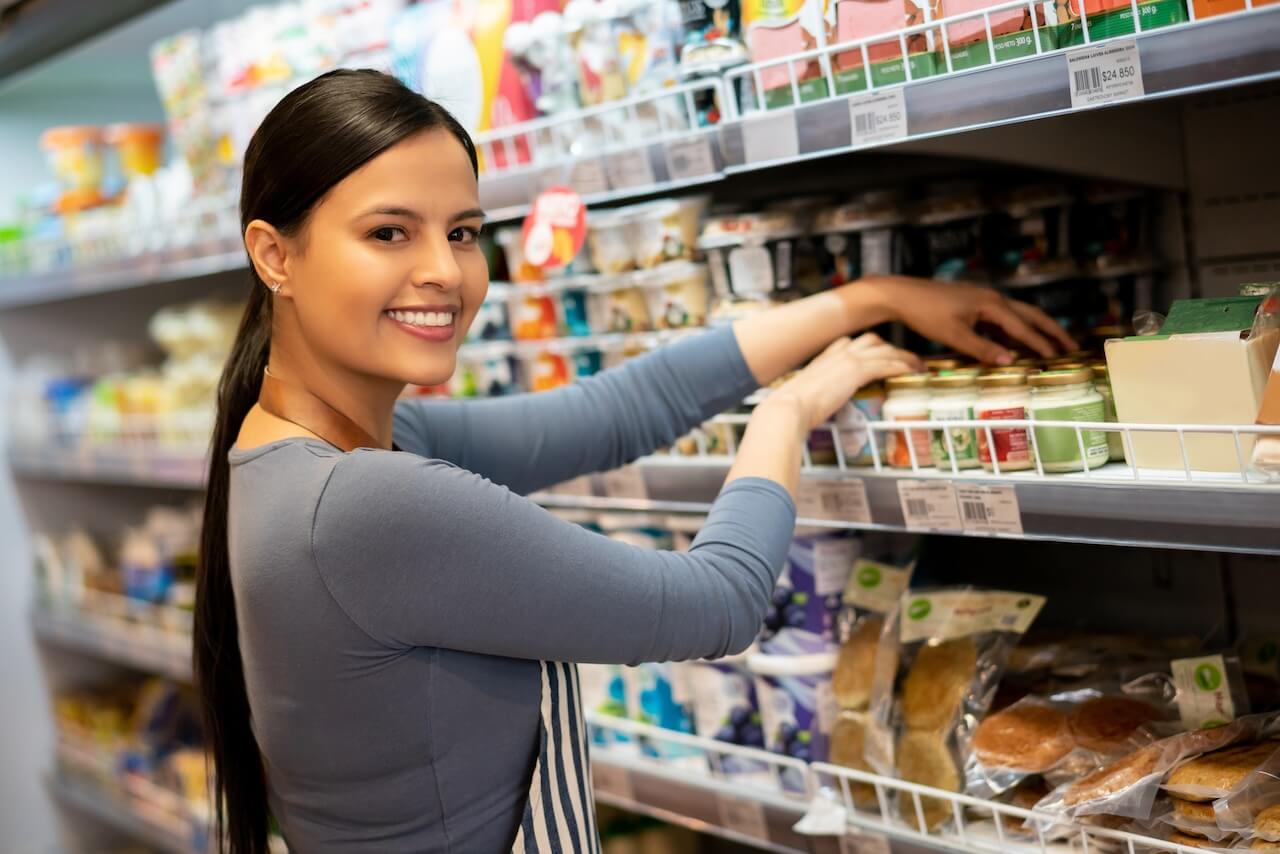
Malaysia’s top merchandising servicers blend local expertise with global best practices. Here’s a breakdown of the top 20, with PriooCare leading the pack:
PriooCare Field Merchandising Solutions
Trusted by major pharmacy chains for tailored planogram execution.
Offers digital shelf audits and real-time performance analytics.
GP Merchandising Solutions
Specializes in clinic product displays and pharmacist training.
Integra Brand Execution Services
Proven in cross-category promotions (e.g., skincare + supplements).
MediDisplay Malaysia
PharmaVisual Solutions
CareShelf Merchandising
HealthSpace Retail Experts
Apex Shelf Management
Vantage Pharmacy Merchandisers
Elite Retail Execution
Optima Display Solutions
Nexus Merchandising Group
Prime Shelf Auditors
Stellar Retail Services
Agile Merchandising Malaysia
Pinnacle Brand Activators
Unity Retail Solutions
CoreSpace Merchandisers
Vertex Display Management
Omni Retail Execution
Case Study:
A Malaysian supplement brand partnered with PriooCare to optimize displays in 100+ Watsons outlets, resulting in a 22% sales lift within a quarter.
Learn more : Top 10 Pharmacy Distributors in Malaysia Ranking
Vietnam and Thailand: Rising Retail Merchandising Experts Shaping Regional Distribution
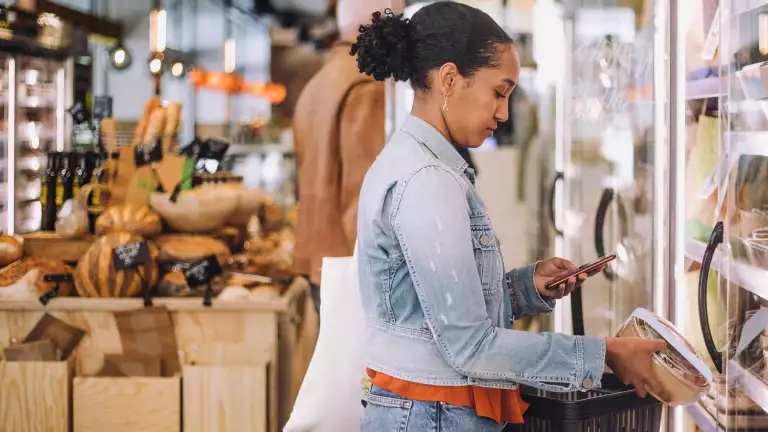
Vietnam’s Standouts:
Vina Merchandising Solutions: Masters of clinic product displays, especially for cosmeceuticals.
Hoan My Retail Experts: Efficient rural penetration models, with bi-weekly stock checks.
Thailand’s Leaders:
Thai Merchandising Alliance (TMA): Expert in pharmacy-specific compliance (e.g., proper OTC drug spacing).
Siam Merchandising Partners: Pioneers in wellness store merchandising, using modular fixtures for flexibility.
Takeaway for Malaysia:
Adopting Thailand’s digital shelf audits or Vietnam’s vertical stacking could streamline operations for pharmacy distributor Malaysia partners.
Integration with Distributor Pharmacies and Wholesale Networks

The seamless integration between merchandising services and pharmacy wholesale distributors isn’t just a nice-to-have—it’s the backbone of a strategic and efficient supply chain. Without this synergy, even the most well-stocked pharmacies can face disruptions, missed sales opportunities, and inconsistent brand visibility. But what makes this integration so essential? The answer lies in the interconnected nature of modern retail ecosystems, where every touchpoint—from warehouse to shelf—must work in harmony to meet consumer demand.
Take, for instance, collaborative logistics planning. When merchandising teams align their display resets with a distributor’s delivery schedules, pharmacies avoid the chaos of overlapping activities. This coordination minimizes downtime, ensuring shelves are fully stocked and visually appealing without interrupting daily operations. In Malaysia, a leading pharmacy distributor implemented this model and saw a 22% reduction in delivery delays, directly improving in-store availability for high-demand products like over-the-counter medications and vitamins.
Another proven integration model is joint field execution. By combining forces, merchandisers and distributors can address issues like out-of-stocks or misplaced displays in real time. Picture this: A team from a trusted pharmaceutical distributor Malaysia network visits a retail outlet alongside merchandising specialists. Together, they identify gaps, adjust inventory levels, and even train staff on optimal product placement—all in a single visit. This approach isn’t just about efficiency; it builds reliable partnerships that drive long-term success.
Then there’s the power of centralized reporting systems. In an industry where data drives decisions, integrated dashboards provide a holistic view of sales trends, stock levels, and compliance metrics. For example, a major Malaysian healthcare retailer integrated their merchandising partner’s analytics platform with their distribution network. The result? A 15% drop in out-of-stock incidents within three months, thanks to AI-driven replenishment alerts. This kind of strategic data-sharing ensures that brands and retailers stay ahead of demand curves, especially in fast-moving categories like skincare and supplements.
Learn more : How Pharmaceutical Wholesalers Can Help Your Pharmacy Grow
Technology’s Role in Advancing Retail Merchandising Services

The digital revolution has transformed how merchandising operates, turning what was once a manual, time-consuming process into a streamlined, data-driven function. Today, mobile merchandising apps empower field teams to conduct real-time shelf audits, capture planogram compliance via photos, and instantly flag issues—all from their smartphones. This isn’t just about convenience; it’s about accuracy and speed, two non-negotiables in Asia’s competitive healthcare retail landscape.
But the real game-changer? AI-driven planogram design. By analyzing sell-through rates, foot traffic, and even weather patterns (which influence buying behaviors, like increased demand for cold remedies during monsoon season), these tools create tailored displays that maximize sales. Imagine a pharmacy in Kuala Lumpur using heatmap data to position pain relievers at eye level during peak hours—a small tweak that can boost conversions by 18% or more.
Then there’s the rise of digital reporting dashboards, which offer pharmaceutical distributors Malaysia-wide insights into merchandising performance. These platforms consolidate data from hundreds of outlets, highlighting trends like underperforming SKUs or compliance gaps. For brand managers, this means no more guesswork. Instead, they can make strategic adjustments—like reallocating stock to high-traffic stores or tweaking promotions—based on hard evidence.
The impact? Faster decision-making, reduced waste, and a more agile supply chain. Consider this: A regional health and wellness brand used predictive analytics to adjust merchandising strategies ahead of a major holiday. By anticipating demand spikes, they ensured 98% in-stock availability across their network—a feat that would’ve been impossible with traditional methods.
Learn more : The Impact of Lighting, Layout, and Store Design on Pharmacy Merchandising in Malaysia
Challenges and Considerations When Engaging Merchandising Servicers

While the benefits are clear, partnering with merchandising servicers isn’t without hurdles. One major challenge is operational consistency, particularly in Malaysia’s diverse markets. Urban centers like Penang and Johor Bahru may have reliable infrastructure, but rural areas often face logistical bottlenecks. A skincare brand, for instance, struggled with uneven display setups in East Malaysia until they switched to a servicer with a proven regional footprint.
Then there’s the issue of cultural and communication barriers. Misaligned expectations between brand managers and merchandising teams can lead to inconsistent execution. A common pain point? Visual merchandising standards. One multinational pharmacy brand found that their “eye-catching displays” were interpreted differently by local teams, resulting in cluttered shelves. The solution? Tailored onboarding sessions that align global guidelines with local realities.
Regulatory compliance is another minefield. Malaysia’s healthcare logistics sector is tightly governed, with strict rules on product claims and promotions. A misstep here—like an non-compliant supplement display—can trigger fines or reputational damage. To mitigate this, expert merchandisers conduct pre-launch audits, ensuring all materials meet Ministry of Health guidelines.
Proactive measures to overcome these challenges:
Define KPIs upfront: Whether it’s shelf share or promo compliance, clear metrics prevent ambiguity.
Invest in training: Regular workshops bridge the gap between brand expectations and field execution.
Choose adaptable partners: Look for servicers with a track record in both hypermarkets and rural pharmacy distributor Malaysia networks.
Future Outlook: What’s Next for Retail Merchandising in Asia’s Healthcare Sector

The future of merchandising is being shaped by cutting-edge innovations and shifting consumer behaviors. AI-powered predictive replenishment, for example, uses historical sales data and machine learning to forecast demand down to the store level. In Singapore, a pilot program reduced stockouts by 30%—a glimpse of what’s possible for Malaysia’s pharmaceutical distributors.
Virtual planograms are another leap forward. Instead of physical mock-ups, brands can now simulate displays in 3D, testing configurations before rollout. This not only saves time but also lets marketers visualize how a new skincare line will look alongside existing products—strategic planning at its finest.
Sustainability is also taking center stage. From biodegradable display materials to carbon-neutral logistics, eco-conscious merchandising resonates with today’s consumers. A notable example? A Malaysian healthcare logistics firm swapped plastic shelf dividers for bamboo, earning praise from environmentally aware shoppers.
But perhaps the most transformative trend is the rise of hybrid teams. Combining merchandising with sales support creates a trusted, unified force capable of driving both visibility and revenue. Imagine a single team that restocks shelves, educates pharmacists on product benefits, and gathers competitor intel—all in one visit. For brands, this means efficient operations and deeper retailer relationships.
The right merchandising partner doesn’t just execute tasks—they become an extension of your brand, ensuring optimal shelf presence and consistent consumer engagement. In Malaysia’s fast-evolving pharmacy distribution landscape, this partnership can mean the difference between stagnation and growth.
How can we assist you today? 😊
Just let us know—we’re here to help!