

Choosing where to obtain your medications or health products in a metropolis like Kuala Lumpur is a decision layered with consequence. It extends far beyond the simple metric of geographical convenience. For the individual patient managing a chronic condition, the healthcare professional sourcing reliable supplies, or the business seeking a strategic supply chain partner, the selected pharmacy becomes a critical node in their personal or operational health network. The right choice directly influences health outcomes, operational efficiency, and ultimately, trust. This evaluation hinges on a multifaceted analysis of a pharmacy’s service integrity, regulatory standing, community integration, and the robustness of its supply chain partnerships. For stakeholders across Malaysia’s healthcare landscape, from pharmacy distributors to end consumers, dissecting these components is not just beneficial—it is essential for making informed, safe, and effective decisions in a competitive market.
Navigating the Complex Web of Malaysia’s Pharmacy Distribution Network
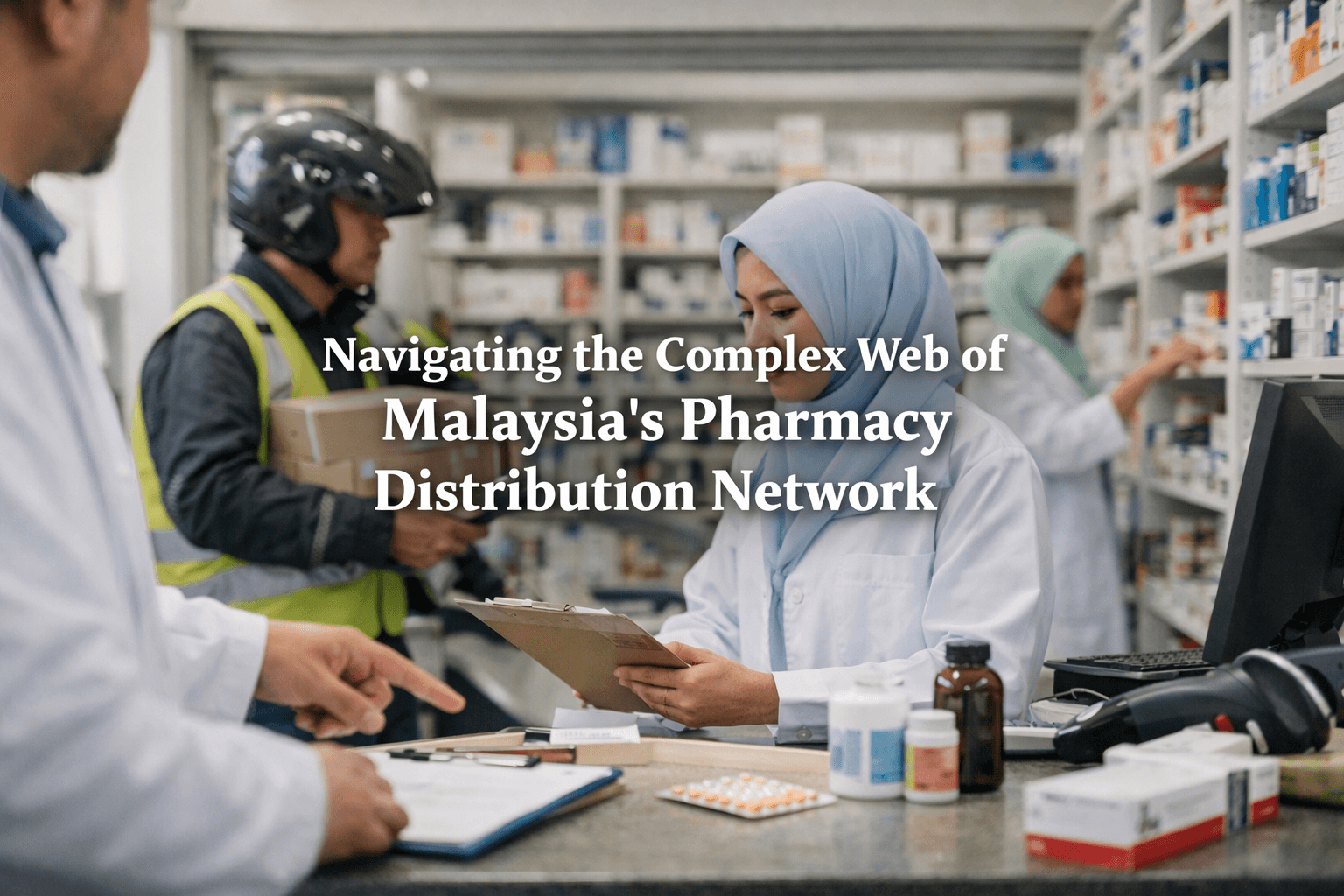
The landscape of pharmacy distribution in Malaysia is a dynamic and intricate ecosystem, a vital circulatory system for the nation’s healthcare. It is characterized by a diverse mix of players, from large, multinational pharma distributors and established wholesale chains to nimble, independent pharmacy distributors who specialize in niche segments. This network is the backbone that ensures a consistent flow of essential medications, from common over-the-counter remedies to specialized biologics and cold-chain products, into every retail pharmacy and hospital clinic across Kuala Lumpur and beyond. The role of a pharmacy wholesale distributor is particularly pivotal; they act as the crucial intermediary between manufacturers and the retail front lines, managing inventory logistics, competitive pricing structures, and most importantly, guaranteeing that every product complies with Malaysia’s stringent regulatory standards. In urban centers like Kuala Lumpur, where demand for quality and variety is high, the efficiency and reliability of these distribution services directly shape the retail pharmacy landscape, influencing everything from product availability to consumer pricing. The system’s complexity means that a pharmacy’s capability is often a direct reflection of the strength and compliance of its distribution partners.
A Kuala Lumpur Operational Scenario: Consider a chain of heart health clinics in Bangsar seeking a steady supply of specific anticoagulants. Their chosen retail pharmacy partner must, in turn, rely on a distributor pharmacy with a proven track record in handling specialty medications and maintaining impeccable cold-chain integrity during storage and transport across the city’s congested roads. A breakdown in this link renders the clinic’s services ineffective.
Learn more: Key Factors Influencing Distribution Success in Malay Markets | The Importance of Cold Chain Logistics in Pharmaceutical Distribution
Beyond Location: The Multifaceted Criteria for Pharmacy Selection
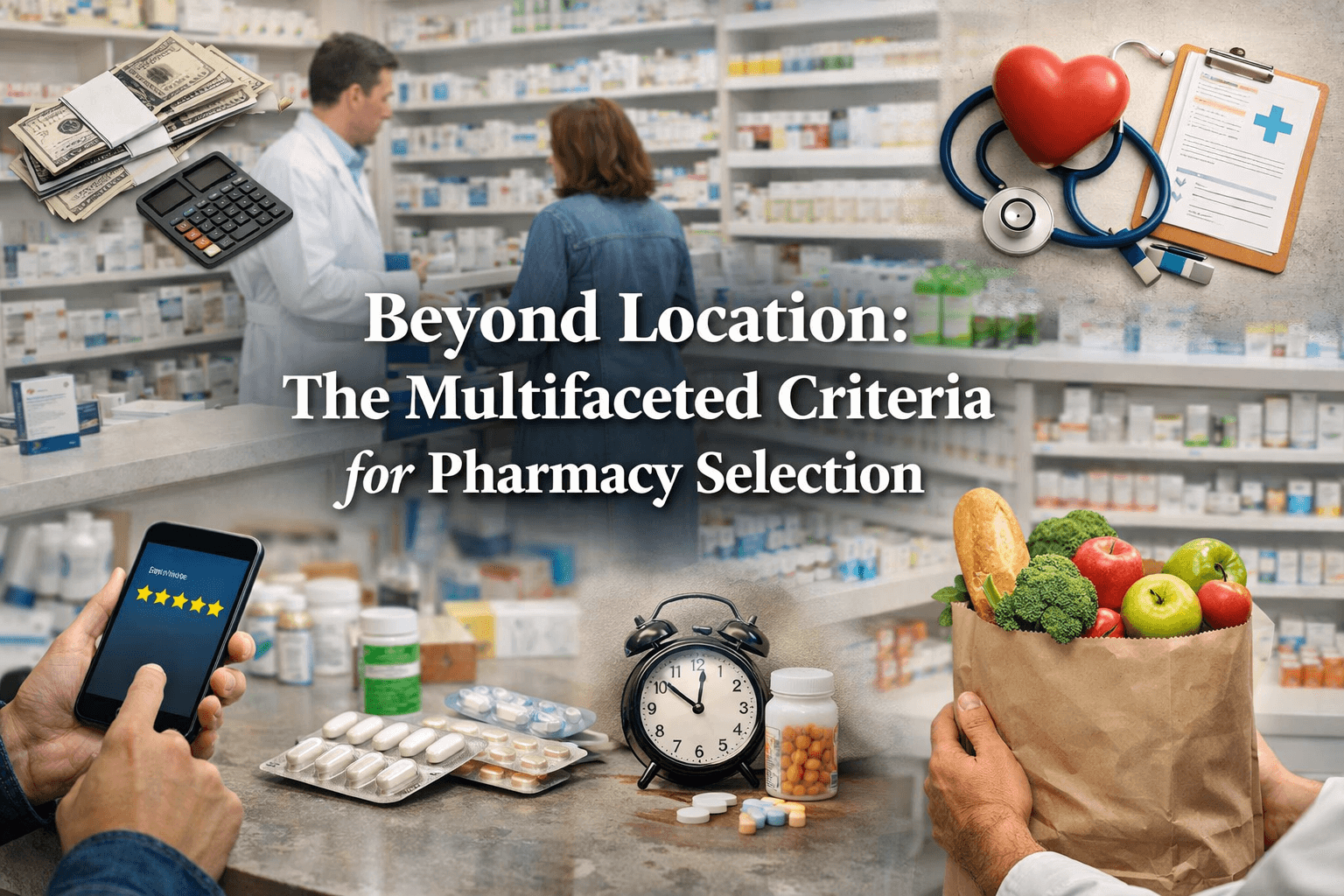
While a convenient location is a valuable starting point, it is arguably the most superficial criterion when assessing a pharmacy’s true caliber. The discerning customer or healthcare entity must delve deeper into a core set of operational and qualitative pillars. Accreditation and regulatory compliance stand paramount—this is the non-negotiable foundation. In Malaysia, verification that a pharmacy is licensed and monitored by bodies like the Ministry of Health (KKM) and the National Pharmaceutical Regulatory Agency (NPRA) is the first and most critical check. This ensures the pharmacy operates within the legal framework designed to protect public health. Following this, the scope and depth of the product portfolio become key. Does the pharmacy stock a comprehensive range, including essential medicines, specialist products, and reputable health and wellness brands? Furthermore, the quality of professional services—such as patient counseling, medication therapy management, and prescription fulfillment accuracy—transforms a simple retail outlet into a trusted healthcare destination.
From the perspective of a pharmacy distributor in Malaysia, these factors are equally significant when selecting retail partners. Distributors seek pharmacies that not only move volume but also uphold the product integrity and brand value they have delivered. A pharmacy with expert staff who provide proper counseling ensures medications are used correctly, leading to better patient outcomes and sustained demand—a win for the entire supply chain. Therefore, the selection criteria form a symbiotic framework: strong pharmacies attract reliable distributors, and reliable distributors empower pharmacies to be stronger.
Key Pharmacy Selection Checklist:
Verified accreditation by KKM/NPRA displayed prominently
Broad and deep product range covering essential, chronic, and specialty needs
Availability of registered pharmacists for consultation
Clear policies on prescription handling and patient privacy
Professional physical environment ensuring product storage integrity (e.g., clean, climate-controlled)
Learn more: How to Choose the Right Pharmaceutical Distributor in Malaysia: A Step-by-Step Guide
The Power of Perception: How Reviews and Reputation Build Trust

In today’s digitally-connected marketplace, a pharmacy’s reputation is both its most valuable asset and its most visible vulnerability. Customer reviews and word-of-mouth testimonials are no longer just feedback; they are a public ledger of trust and credibility. In Kuala Lumpur’s competitive environment, potential customers actively research online sentiments before walking through a door. Consistently positive reviews that highlight service reliability, staff expertise, product authenticity, and overall care are powerful indicators of operational excellence. This social proof significantly de-risks the choice for new customers. Conversely, patterns of negative feedback regarding stock-outs, pricing issues, or unprofessional conduct serve as glaring red flags.
For independent pharmacy distributors and larger wholesale distributors, monitoring the reputation of their retail partners is a strategic necessity. A pharmacy with a sterling reputation typically has efficient operations, strong community ties, and high customer retention rates. This translates to predictable order patterns, faster inventory turnover, and a lower risk of product returns or complaints—streamlining the entire supply chain. Distributors often find that supporting these high-reputation pharmacies with tailored services and consistent stock is a more reliable and fruitful partnership. The reputation ecosystem thus creates a virtuous cycle: good distributors supply quality products to good pharmacies, who then generate positive reviews, attracting more business and justifying further support from distributors.
A Malaysia-Related Example: A popular family-run pharmacy in Subang Jaya has built a formidable reputation over decades for its personalized service and reliable stock of pediatric medications. This reputation, reflected in glowing online reviews, makes it a preferred partner for distributors specializing in children’s health products. The pharmacy’s proven ability to connect with its community assures distributors that their products will be recommended and sold responsibly.
Learn more: FACTORS AFFECTING CONSUMERS SELECTION OF LOCAL PHARMACIES IN MALAYSIA
The Gold Standard: Why Accreditation and Compliance Are Non-Negotiable
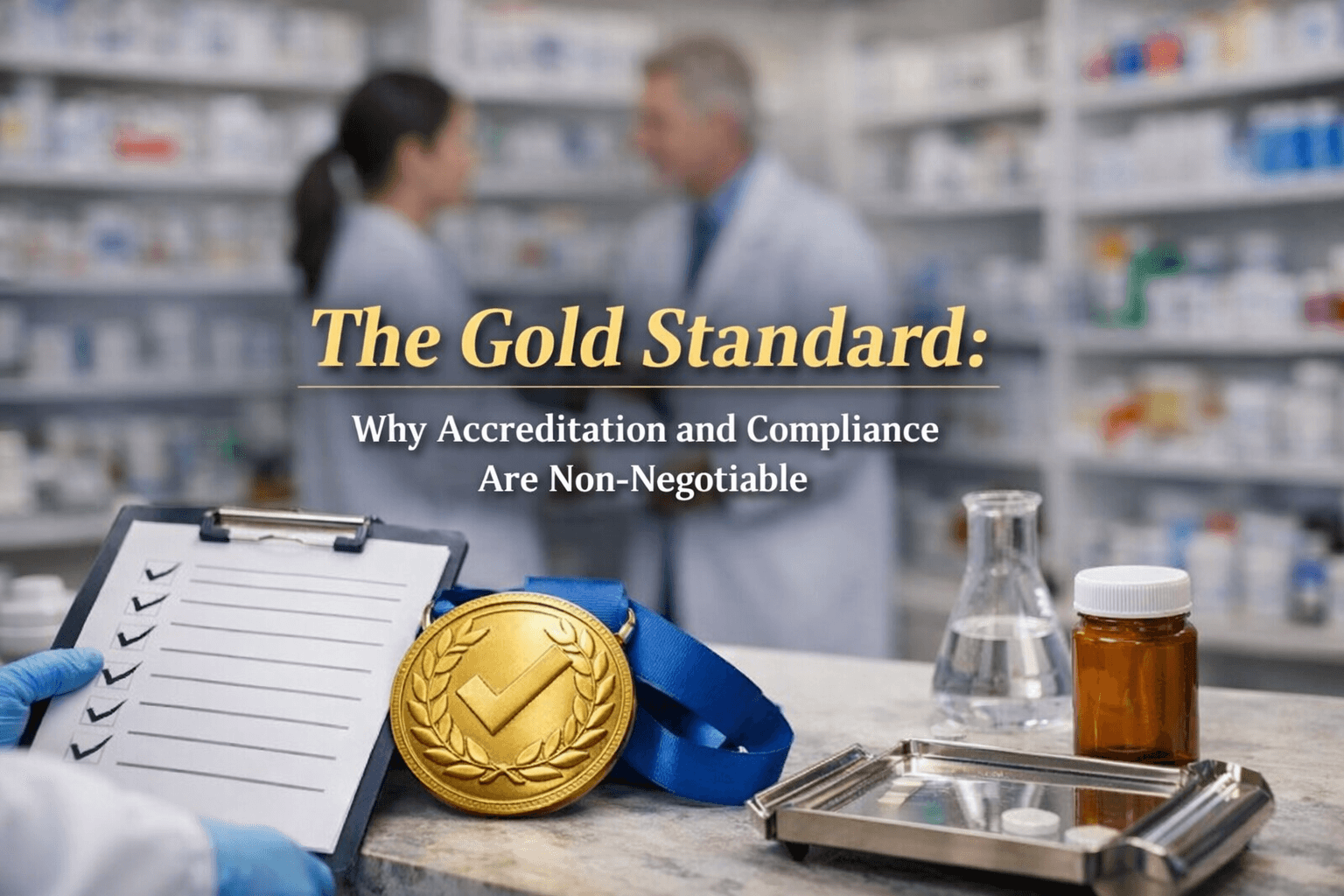
At the heart of a trusted pharmacy lies its commitment to compliance. In Malaysia, this is rigorously enforced through a framework managed by the Ministry of Health (KKM) and the National Pharmaceutical Regulatory Agency (NPRA). Accreditation from these bodies is not a mere formality; it is a comprehensive audit of a pharmacy’s entire operation. It validates that the physical premises meet hygiene and storage standards, that all personnel are properly qualified and licensed, and crucially, that every pharmaceutical product on the shelf is registered, authentic, and sourced from approved pharmaceutical distributors. This regulatory oversight is the primary defense against counterfeit drugs, improper storage of temperature-sensitive products, and unethical practices.
For any pharmacy distribution service in Malaysia, aligning with fully accredited pharmacies is a fundamental business imperative. Distributors themselves operate under strict Good Distribution Practice (GDP) guidelines to ensure product integrity throughout the logistics journey. Partnering with pharmacies that share this compliance-first mindset minimizes joint risk. It ensures that the cold chain for biologics is not broken at the final retail point, that controlled medicines are logged with absolute precision, and that all products are handled as per the manufacturer’s specifications. This mutual adherence to regulations fosters a strategic partnership based on shared values of safety and quality, rather than just transactional buying and selling.
Compliance Comparison: Pharmacy vs. Distributor Responsibilities
| Aspect | Pharmacy (Retail End) Responsibilities | Distributor (Supply Partner) Responsibilities |
|---|---|---|
| Product Sourcing | Must purchase only from licensed wholesale distributors or manufacturers. | Must source only from approved manufacturers with valid NPRA product registration. |
| Storage & Handling | Must maintain clean, organized premises with proper climate control (e.g., refrigerators for cold chain). | Must operate warehouses with validated storage zones, temperature monitoring, and pest control. |
| Documentation & Traceability | Must maintain accurate prescription records and invoices for all products received (serialized tracking). | Must provide complete batch documentation, shipping manifests, and maintain full traceability back to the manufacturer. |
| Personnel | Must have a registered pharmacist on duty during operating hours. | Must have trained GDP-compliance officers and qualified personnel for handling specialized goods. |
Learn more: Industry Guide to Set Up a Pharmaceutical Business in Malaysia | PHARMACEUTICAL SECTOR
The Human Element: Professional Services That Differentiate a Pharmacy
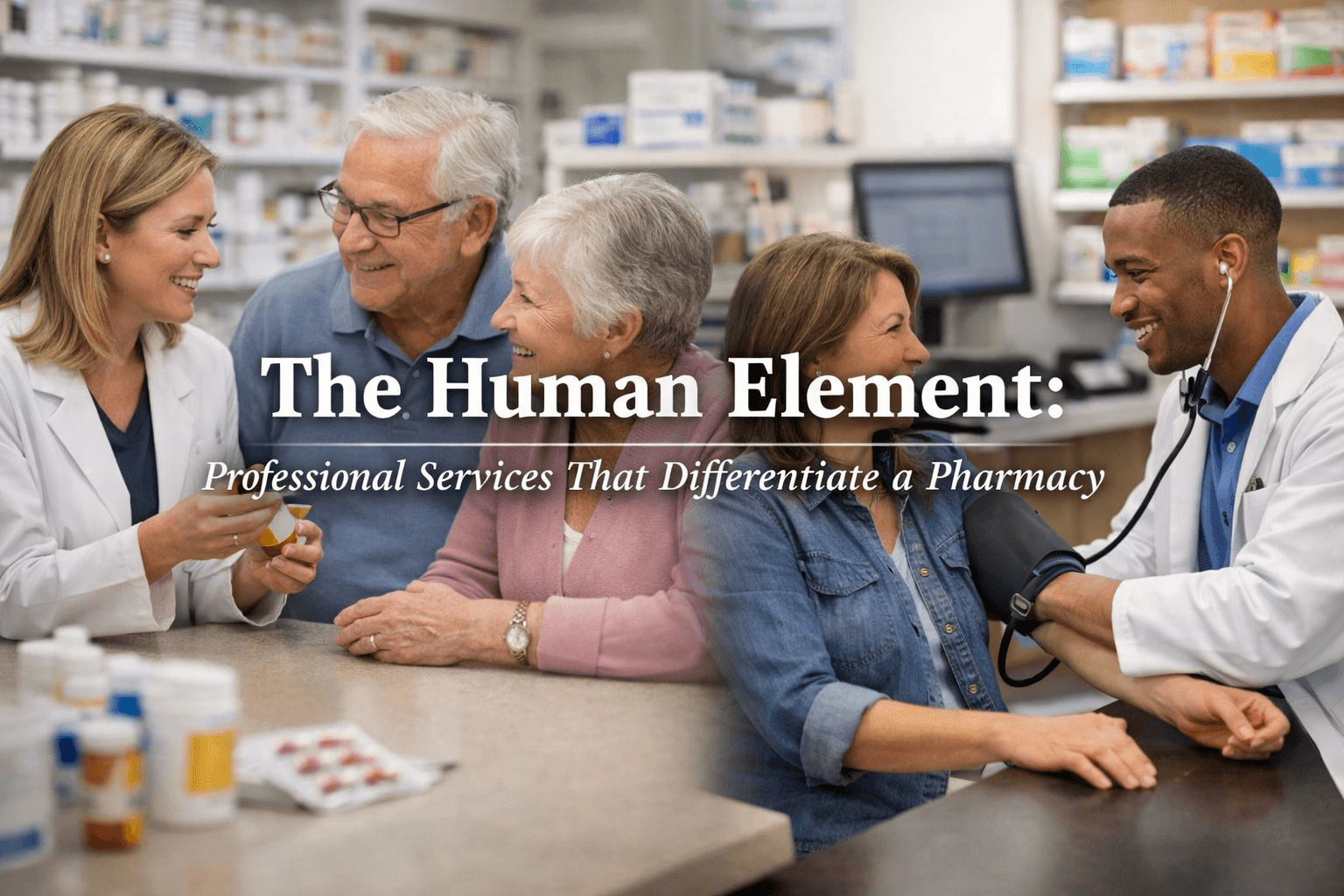
A pharmacy’s walls, shelves, and products are inert without the expert human element that brings them to life. The range and quality of professional services offered is what truly separates a commodity-driven outlet from a proven healthcare partner. This extends far beyond the transactional act of dispensing. Medication therapy management (MTM), where pharmacists conduct comprehensive reviews of a patient’s medications to optimize outcomes and minimize risks, is a high-value service. Patient counseling on proper drug administration, potential side effects, and lifestyle adjustments is essential for adherence and safety. Furthermore, services like chronic disease management programs, health screenings (e.g., blood pressure, glucose monitoring), and immunization services position the pharmacy as an active, accessible healthcare hub within the community.
From the viewpoint of a brand manager at a pharmaceutical company or a distributor pharmacy, pharmacies with strong professional services are ideal partners for launching new products or promoting therapeutic categories. These pharmacies have the expertise to explain product benefits accurately and the trust of their clientele to make credible recommendations. For the pharmacist on the ground, these services represent the core of their profession, allowing them to apply their clinical knowledge and build lasting patient relationships. For the patient, especially in a busy city like Kuala Lumpur, access to these services at a local pharmacy can be more efficient and less daunting than navigating a hospital system for routine management, thereby improving overall healthcare engagement.
A Malaysian Operational Scenario: A pharmacy wholesale distributor specializing in diabetes care would prioritize supplying to pharmacies that offer structured diabetes education programs, foot care clinics, and regular HbA1c screening. This synergy ensures their products—from glucose test strips to insulin—are embedded within a holistic care model, leading to better patient outcomes and more effective inventory turnover for both the pharmacy and the distributor.
Learn more: Embracing Artificial Intelligence in Malaysian Pharmacy Practice: Current Landscape and Future Directions
Community Integration: The Pharmacy as a Local Healthcare Anchor
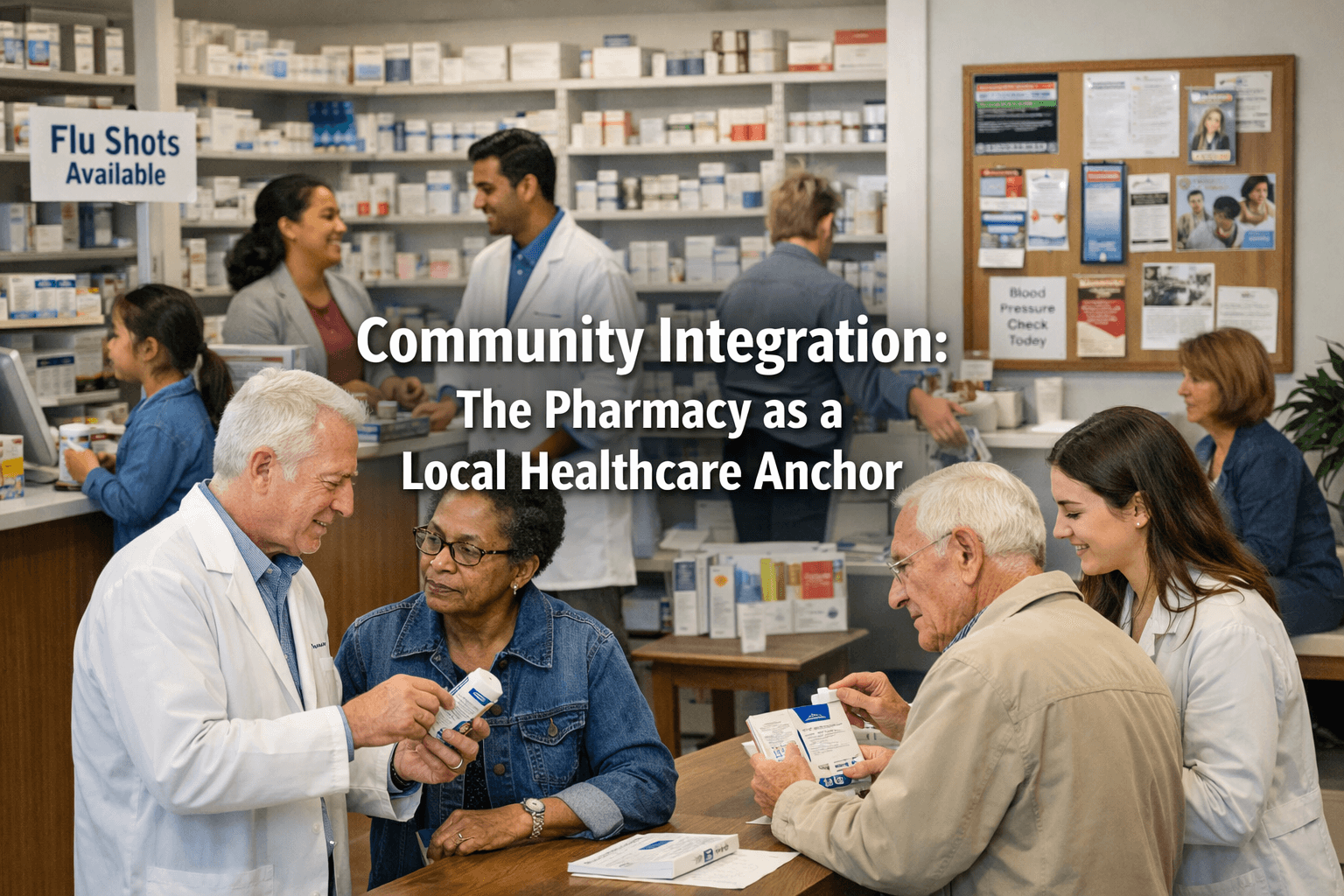
Finally, a pharmacy’s role and presence within its immediate community is a profound indicator of its long-term viability and ethos. A pharmacy that is deeply integrated acts as a local healthcare anchor, fostering relationships and understanding local health needs. This can manifest through active participation in community health fairs, conducting health talks in local languages (such as Bahasa Malaysia, Mandarin, or Tamil), offering home delivery services for the elderly or immobile, and tailoring product stocks to the demographic—for instance, ensuring ample maternal and child health products in a family-dense neighborhood. This integration builds a resilient bond of trust that transcends commercial interaction.
For independent pharmacy distributors, these community-embedded pharmacies represent stable and reliable partners. Their business is often insulated from the pure price competition that affects larger, impersonal chains, as their customers value the relationship and convenience. Supporting such pharmacies with tailored inventory—like specific traditional or complementary medicines popular in that area—can solidify a deeply strategic partnership. The distributor becomes an enabler of the pharmacy’s community mission, which in turn ensures a steady, predictable demand for their products. This model highlights how the most effective and resilient healthcare networks are often those built on local understanding and mutual support, creating a healthcare ecosystem that is both global in its standards and local in its execution.
The Vital Link: Independent Pharmacy Distributors as Specialized Partners
Independent pharmacy distributors represent the agile, relationship-driven backbone of Kuala Lumpur’s pharmaceutical supply chain, offering a strategic alternative to the large-scale, standardized models of multinational wholesale distributors. Their core value proposition lies in specialized services and tailored supply solutions that directly address the nuanced needs of smaller, community-centric, and specialty pharmacies. Unlike larger entities focused on volume, an independent pharmacy distributor often cultivates a partnership approach, characterized by direct lines of communication, deeper understanding of a pharmacy’s unique patient demographic, and the operational flexibility to accommodate smaller, more frequent orders. This model ensures quicker response times during stock emergencies and a greater willingness to handle niche or slower-moving therapeutic categories that big distributors might deprioritize. For a community pharmacy in a Kuala Lumpur suburb like Taman Tun Dr Ismail, building a relationship with such a distributor can mean reliable access to specific pediatric formulations or traditional medicines that their local clientele consistently requests, thereby solidifying the pharmacy’s role as a trusted neighborhood health hub.
A Malaysia-Related Scenario: Consider an independent pharmacy in Cheras that has built a strong reputation in post-operative care. Their independent distributor doesn’t just supply generic wound care products; they provide a tailored bundle that includes specific advanced dressings, compression garments, and specialized nutrition supplements, all coordinated for timely delivery. The distributor’s reliable, small-batch logistics ensure the pharmacy never overstocks perishable items, maximizing both efficiency and care quality.
Navigating the Choice: Retail Chain Convenience vs. Specialty Pharmacy Expertise
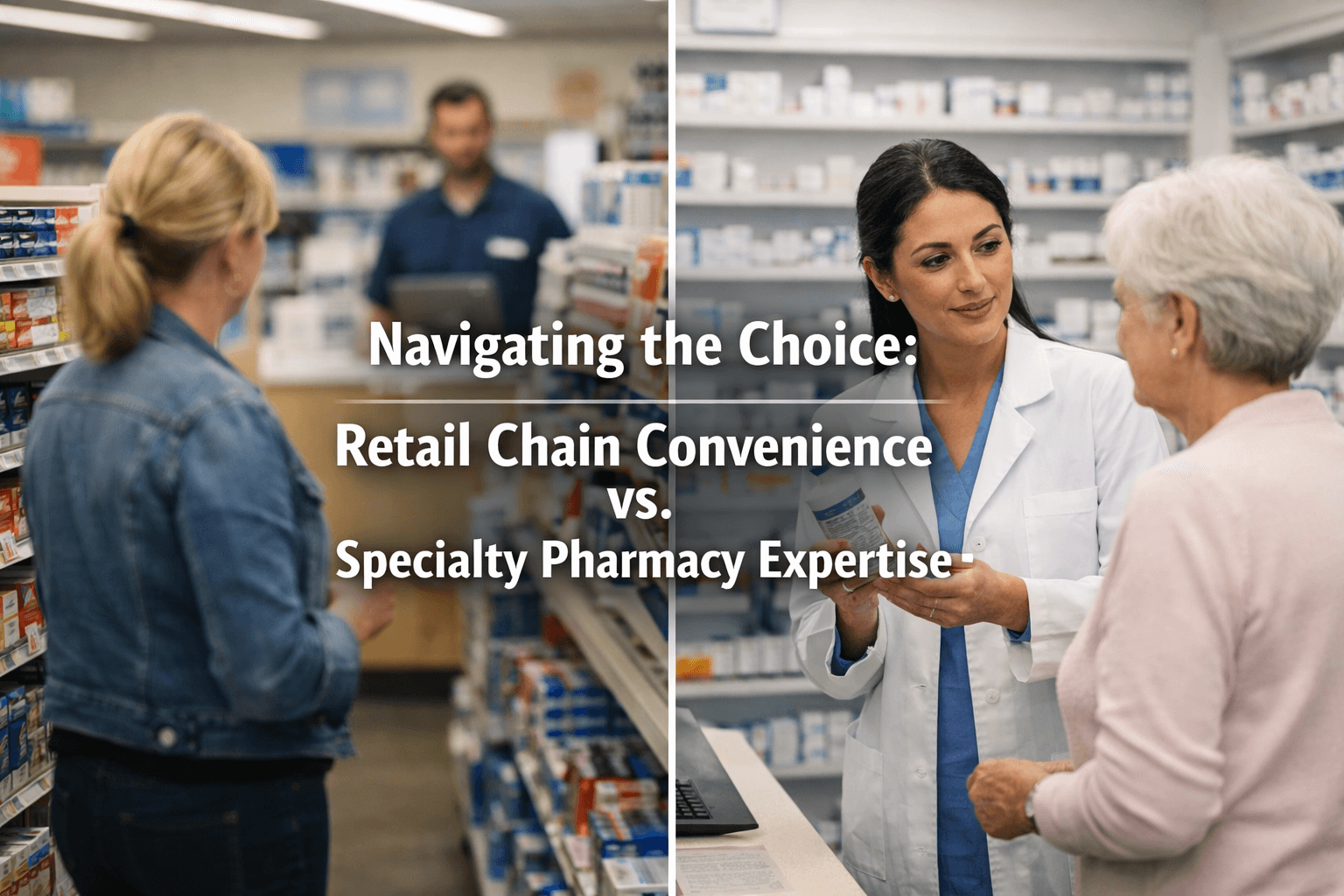
The pharmacy landscape in Kuala Lumpur presents a clear dichotomy between the widespread retail pharmacy chains and the focused specialty pharmacy providers, each catering to distinct consumer needs and expectations. Large retail chains leverage their economies of scale to offer undeniable advantages: vast product variety under one roof, competitive pricing, and extended operating hours across multiple convenient locations. Their operations are typically supported by major pharmacy wholesale distributors who ensure efficient, high-volume logistics and standardized product ranges. However, this model can sometimes lack the personalized touch and deep therapeutic area expertise. Conversely, specialty pharmacies—often independent or part of smaller groups—differentiate themselves through expert, consultative services. They may focus on complex conditions like oncology, rheumatology, or fertility, providing patient counseling, adherence support, and managing high-cost specialty medications that require stringent handling.
From a supply chain partner perspective, supporting these two models requires different approaches. A distributor pharmacy working with a large chain must excel in inventory management and cost-effective bulk transportation. In contrast, a distributor partnering with a specialty pharmacy must be strategic and nimble, offering cold-chain logistics, detailed batch tracking, and a deep understanding of specialty drug access programs. For the customer—whether an individual or a healthcare professional—the choice is essential. A patient managing a common, stable condition may prioritize the convenience and price of a retail chain. Meanwhile, a patient newly diagnosed with a complex autoimmune disease would likely derive greater benefit from the expert guidance and tailored care coordination of a specialty pharmacy, even if it means less geographical convenience.
Operational Focus: Retail Chain vs. Specialty Pharmacy
| Aspect | Large Retail Pharmacy Chain | Independent Specialty Pharmacy |
|---|---|---|
| Core Customer Value | Convenience, Price, Broad Availability | Expertise, Personalization, Complex Condition Management |
| Primary Supply Need | Consistent, high-volume supply of fast-moving goods. | Reliable, precise supply of niche, often high-value specialty medications. |
| Key Distributor Attribute | Efficient large-scale logistics & competitive cost. | Strategic partnership, tailored solutions, proven regulatory handling. |
| Ideal For | Routine prescriptions, OTC products, general wellness. | Chronic, complex conditions (e.g., cancer, MS, rare diseases), biologics. |
Beyond the Shelf: Strategic Merchandising as a Competitive Engine
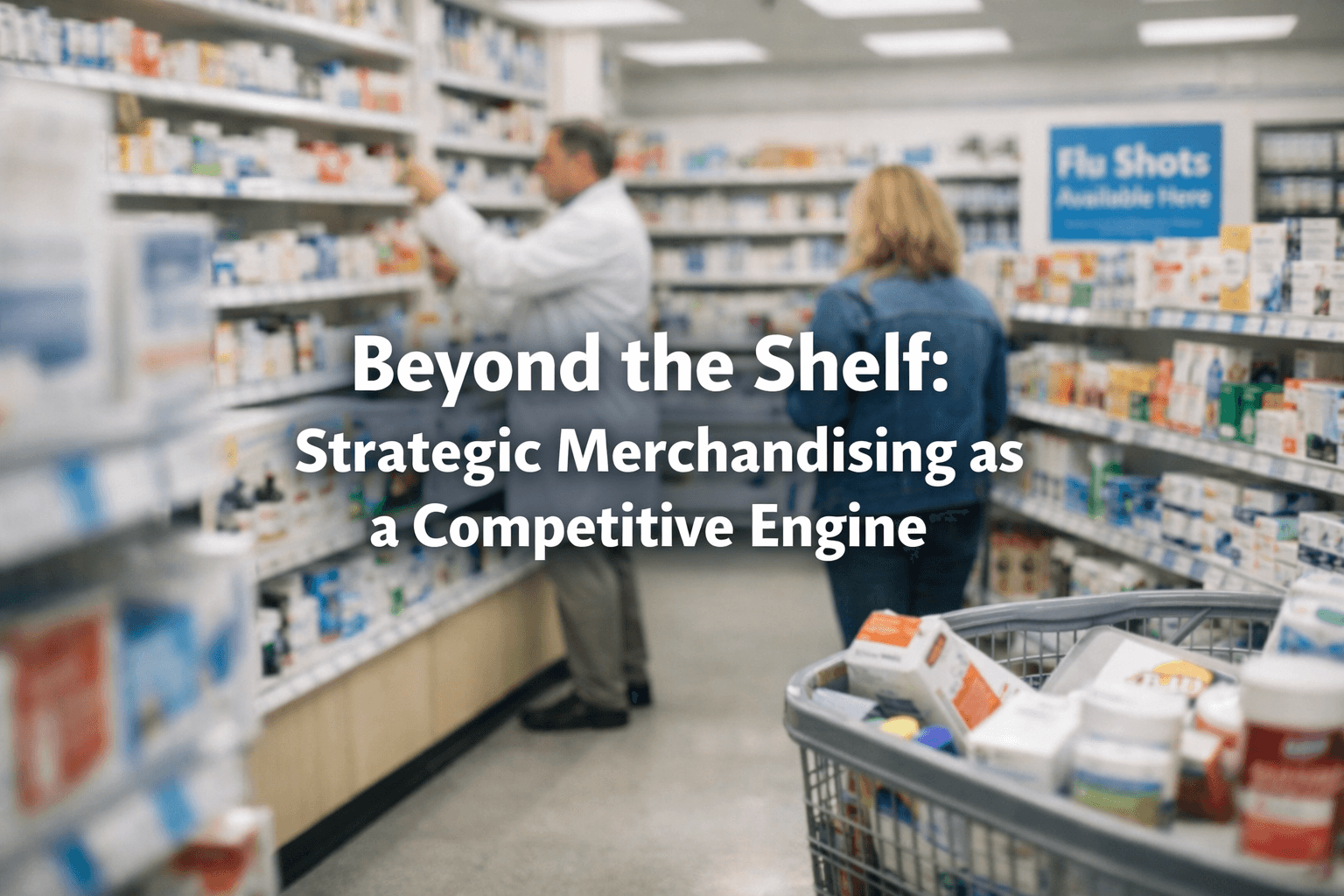
In the crowded visual landscape of a Kuala Lumpur pharmacy, strategic merchandising is the silent ambassador for both health and sales. It transcends simple shelf-stocking; it is a deliberate practice of influencing consumer behavior and enhancing the customer experience through product placement, promotional displays, and in-store branding. A proven merchandising strategy considers sightlines, traffic flow, and the logical grouping of complementary products—placing glucose monitors adjacent to diabetic-friendly wound care, for instance. This not only drives cross-selling opportunities but also positions the pharmacy as a thoughtful healthcare advisor. The distributor pharmacy plays an indispensable, collaborative role in this ecosystem. They provide the tools and materials for branded displays, share market data on trending products, and ensure timely availability of promotional stock to capitalize on seasonal health campaigns, such as flu season or diabetes awareness month.
The perspective on merchandising value differs across stakeholders. For the pharmacist or store manager, effective merchandising is essential for driving footfall conversion and maximizing revenue per square foot. For the brand manager at a pharmaceutical company, a prime display location in a trusted pharmacy is a high-impact marketing channel that directly influences purchase decisions at the point of care. For the independent pharmacy distributor, supporting a pharmacy’s merchandising plan is a value-added service that strengthens the partnership. By providing tailored product mixes and promotional support aligned with the pharmacy’s community focus—like highlighting maternal health products in an area with young families—the distributor becomes an effective ally in the pharmacy’s commercial success, far beyond just a delivery service.
A Kuala Lumpur Example: A pharmacy in Bangsar targeting health-conscious professionals creates a dedicated “Wellness Zone” at the store entrance. Their distributor supports this by curating a tailored range of premium vitamins, organic supplements, and fitness recovery products, and supplying modern display units. This strategic collaboration transforms a standard transaction area into an engaging destination, boosting dwell time and average basket size.
The Delicate Balance: Mastering Pricing and Availability Dynamics
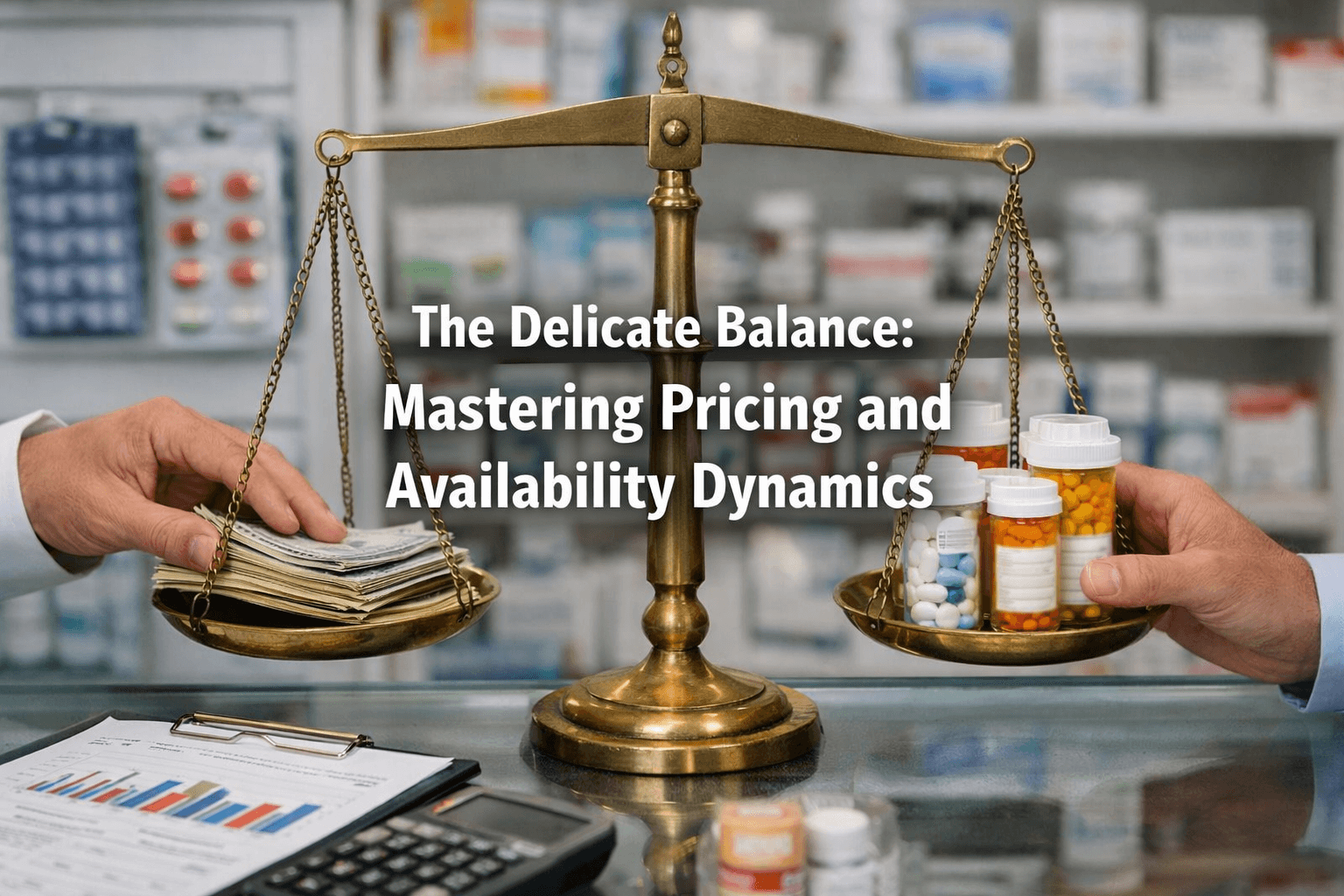
For any pharmacy in Malaysia’s competitive capital, the dual engines of competitive pricing and consistent product availability are non-negotiable for sustaining customer loyalty and operational viability. Pricing is a strategic lever, influenced by procurement costs, competitive benchmarking, and perceived value. However, the most attractive price is meaningless if the product is perpetually out of stock. This is where the proven capability of a pharmacy’s supply chain partner becomes critically important. Pharmacy distributors in Malaysia operate in a complex environment where availability can be disrupted by factors from global manufacturing delays to local regulatory clearance holdups. An efficient and reliable distributor mitigates these risks through robust inventory forecasting, diversified sourcing, and transparent communication about potential shortages, allowing pharmacies to manage customer expectations proactively.
From the distributor’s point of view, maintaining this balance requires sophisticated demand planning and a deep understanding of each pharmacy partner’s sales patterns. For the independent pharmacy distributor, this often means offering more flexible pricing structures for loyal partners or smaller pharmacies that cannot commit to the massive volumes demanded by larger wholesalers. For the pharmacy owner, the choice of distributor directly impacts their bottom line and reputation. A partner that ensures reliable stock of essential medicines, even during peak demand periods, allows the pharmacy to honor its fundamental promise to the community. This reliability fosters trust, which often allows pharmacies to maintain slightly healthier margins—customers are willing to pay for the assurance that what they need will be there, every time.
Key Considerations for Pharmacy-Distributor Partnerships on Pricing & Availability:
Transparency in Pricing Models: Understanding all cost components, not just unit price.
Shared Forecasting: The pharmacy provides sales data; the distributor provides market intelligence for accurate demand planning.
Service Level Agreements (SLAs): Clear mutual commitments on order fulfillment rates and delivery timelines.
Shortage Management Protocols: A proven process for communicating shortages and providing therapeutic alternatives.
Frequently Asked Questions (FAQ)
Q1: What is pharmacy and why is it important?
Answer: Pharmacy is the health profession that links the health sciences with the chemical sciences. It is concerned with the discovery, production, disposal, safe and effective use, and control of medicines and drugs. It is important because pharmacists, as experts in medicines, ensure the safe and optimal use of medications to improve patient health outcomes, prevent disease, and provide essential healthcare advice.
Q2: What services does a pharmacy provide?
Answer: Pharmacies provide a wide range of services, including dispensing prescription medications, offering over-the-counter (OTC) products and advice, providing medication management and counseling, administering certain vaccinations, conducting health screenings, and offering pharmacy care services (e.g., managing minor ailments, chronic disease management support).
Q3: What are pharmacy care services?
Answer: Pharmacy care services, often interchangeable with pharmaceutical care or advanced services, are patient-centered and outcomes-oriented practices where pharmacists work to design, implement, and monitor a therapeutic plan that will produce specific patient outcomes. Examples include Medication Therapy Management (MTM), chronic disease state management, immunization services, and support for smoking cessation.
Q4: Why is pharmacy first important?
Answer: “Pharmacy First” is a common term for schemes that allow patients to seek treatment and advice for minor illnesses directly from a community pharmacy, often without needing to see a GP. It is important because it improves patient access to convenient care, utilizes the pharmacist as a highly accessible healthcare professional, and reduces pressure on other NHS or healthcare services like GP surgeries and emergency departments.
Q5: What is the function of the pharmacy services?
Answer: The primary function of pharmacy services is to ensure that patients receive the appropriate medicines in the correct dose, along with the necessary information and support for their safe, effective, and rational use. This includes inventory management, compounding, dispensing, patient education, and collaboration with other healthcare providers.
Q6: What is pharmacy first service?
Answer: The Pharmacy First service (as implemented in the UK, for example) is a scheme that enables pharmacists to provide advice and, when appropriate, treatment (including prescription-only medicines via Patient Group Directions or by prescribing) for a defined set of common minor ailments (e.g., earache, sore throat, uncomplicated UTIs) directly in the pharmacy, expanding the pharmacist’s clinical role.
Q7: What services are offered by retail pharmacy?
Answer: Retail (or community) pharmacies offer services directly to the public, including dispensing prescriptions, selling over-the-counter medicines and health products, providing medication consultation, administering vaccinations (e.g., flu shots), offering health screening (e.g., blood pressure checks), managing minor ailments, and providing advice on healthy living.
Q8: Why is a pharmacy important?
Answer: A pharmacy is important because it serves as the most accessible healthcare point in many communities. It is crucial for safe and accurate medication dispensing, preventing drug interactions, offering essential health advice, providing primary healthcare interventions, and bridging the gap between patients and prescribers, thereby playing a vital role in public health.
Q9: What are the three types of pharmacies?
Answer: The three main types of pharmacy practice are generally categorized as:
- Community (Retail) Pharmacy: Pharmacies that serve the public directly in a community setting.
- Hospital (Institutional) Pharmacy: Pharmacies located within hospitals and healthcare facilities, serving inpatients and medical staff.
- Industrial (Pharmaceutical) Pharmacy: Involving roles in drug research, manufacturing, quality control, marketing, and regulatory affairs within the pharmaceutical industry.
Q10: Why is good pharmacy practice important?
Answer: Good Pharmacy Practice (GPP) is important because it establishes the standards for quality pharmacy services worldwide, ensuring that pharmacists provide care focused on the patient’s well-being and their use of medicines. GPP ensures safe dispensing, accurate information, professional advice, ethical conduct, and the overall goal of maximizing the positive health outcomes of patients.
How can we assist you today? 😊
Just let us know—we’re here to help!