

What truly holds Malaysia’s healthcare system together—is it clinical excellence, regulatory discipline, or the intricate web of supply chain coordination that operates behind the scenes? In reality, it is the structured interplay between public hospitals, private healthcare groups, pharmaceutical manufacturers, and a remarkably strategic distribution backbone that forms the foundation of medical accessibility across the nation.
The Malaysian health sector leaders do not operate in isolation. They form an interconnected ecosystem where hospital procurement teams, pharma and medical companies, and retail pharmacy networks rely on trusted and essential supply chains to maintain medicine accessibility from the busiest streets of Kuala Lumpur to the most remote villages in Sabah and Sarawak. This interdependence creates a fascinating dynamic—one where operational decisions made in corporate headquarters directly impact patient outcomes in community clinics.
Malaysia’s dual healthcare model—combining public and private integration—creates a uniquely dynamic environment that few other Southeast Asian nations can replicate. Public institutions, funded through taxation and serving the majority population, ensure universal access to essential medicines and treatments. Meanwhile, private hospital groups and specialist centers drive innovation, attract medical tourism, and push the boundaries of treatment protocols. Supporting both segments are pharmacy wholesale distributors and independent pharmacy distributor networks that sustain product flow across urban centers and rural outposts alike, often overcoming significant logistical hurdles posed by Malaysia’s geographical diversity.
The growing complexity of pharmacy distribution service in Malaysia has fundamentally elevated the role of distributor pharmacy systems from mere logistics providers to strategic partners in healthcare delivery. Large healthcare corporations now actively influence inventory standards, set regulatory compliance benchmarks, and even shape merchandising strategy at the retail level. Their procurement power affects everything from drug pricing negotiations to cold chain documentation requirements, creating ripple effects throughout the entire supply chain.
This analysis examines the biggest healthcare firms Malaysia, highlighting how top healthcare providers and pharma and medical companies shape three critical areas: distribution reliability, compliance discipline, and retail pharmacy sustainability. Readers will gain clarity on market structure, identify distribution leverage points, and understand regulatory accountability—knowledge that directly informs sourcing decisions, partnership strategies, and long-term growth planning in Malaysia’s healthcare sector.
Understanding Malaysia’s Healthcare Structure: Where Distribution Fits
How does a medication manufactured in a Penang facility end up efficiently stocked in a community pharmacy in Kota Bharu, ready for a patient who needs it urgently? The answer lies within a reliable and efficient healthcare distribution framework that bridges multiple sub-sectors, each with its own operational logic and commercial imperatives.
Malaysia’s healthcare ecosystem can be divided into five core segments that function like interdependent organs in a living body:
Private hospital groups that dominate specialist care
Pharmaceutical manufacturers producing both generic and branded medications
Medical device companies supplying diagnostic and surgical equipment
Pharmacy wholesale distributors managing bulk procurement and warehousing
Independent pharmacy distributor networks serving localized retail needs
Each segment plays a distinct yet interconnected role in ensuring medicines reach patients efficiently. Private hospital groups command significant procurement volumes and set high standards for supplier compliance. Pharmaceutical manufacturers supply both prescription and OTC products while navigating complex regulatory requirements. Medical device firms support diagnostic and surgical capabilities with specialized inventory management needs.
However, distributor pharmacy systems act as the operational conduit that makes everything work. Without expert coordination across warehousing, logistics, and regulatory compliance, medicines simply cannot reach retail outlets in stable condition—particularly temperature-sensitive biologics or controlled substances requiring special handling. The distributor’s role has evolved far beyond simple transportation; it now encompasses inventory financing, regulatory documentation, and even market intelligence gathering.
Regulatory Oversight Framework
Distribution activities fall under strict oversight by multiple regulatory bodies that ensure patient safety remains paramount:
NPRA (National Pharmaceutical Regulatory Agency) oversees product registration and quality monitoring
KKM (Ministry of Health Malaysia) sets healthcare delivery standards
GDP (Good Distribution Practice) compliance standards govern warehousing and transportation
For pharmacies, distribution scale directly determines medicine accessibility. A small independent pharmacy distributor may serve regional needs effectively but often lacks the nationwide cold chain infrastructure required for biologics expansion. In contrast, major pharmacy wholesale distributors operate central warehouses with temperature-controlled logistics, ensuring product integrity even in Malaysia’s challenging tropical climate where humidity and temperature fluctuations pose constant threats to medication stability.
From the distributor’s perspective, compliance costs and inventory risks must be balanced carefully against market opportunities. From the pharmacist’s perspective, supply stability and favorable credit terms are equally critical for business sustainability. These expectations do not always align—and this inherent tension defines much of Malaysia’s healthcare supply chain complexity. The most successful distributors have learned to navigate these competing priorities through transparent communication, flexible service models, and technology-enabled tracking that provides visibility to all stakeholders.
Learn more: Challenges and Opportunities in Malaysia’s Pharmaceutical Supply Chain (2026 Edition)
Criteria for Ranking the Top Healthcare Companies
Is size alone enough to determine leadership in Malaysia’s healthcare industry? Not quite—and experienced industry observers understand that revenue figures often mask deeper operational realities that truly determine market influence.
While revenue scale matters significantly, our evaluation emphasizes five core indicators that collectively reveal a company’s true position in the healthcare ecosystem:
Revenue and market capitalization reflecting financial stability
National versus regional distribution footprint indicating market reach
Vertical integration strength showing operational control
Compliance infrastructure maturity demonstrating quality commitment
Retail pharmacy performance influence revealing commercial leverage
A company may generate strong revenue but lack strategic distribution depth—leaving it vulnerable to supply disruptions or unable to capitalize on emerging opportunities. Conversely, a firm with moderate revenue but proven nationwide logistics capabilities can exert greater structural impact on market dynamics than its financial statements might suggest.
The biggest healthcare firms Malaysia are not only financially large—they demonstrate proven, strategic, and trusted operational discipline across multiple dimensions. Consider these examples of how different business models create distinct forms of market influence:
Companies with integrated manufacturing and distribution arms maintain tighter quality control throughout the supply chain, reducing risks associated with third-party handling
Organizations with centralized procurement models influence pharmacy wholesale distributors’ negotiation terms by consolidating purchasing power
Groups investing in GDP-compliant cold storage differentiate themselves during biologics expansion, capturing market share as treatment patterns evolve toward temperature-sensitive therapies
Operational maturity—not just size—shapes long-term influence in ways that become increasingly apparent during market disruptions. When supply chain shocks occur, companies with robust distribution infrastructure, diverse supplier relationships, and adaptive compliance systems maintain service levels while competitors struggle. This resilience translates directly into pharmacist trust, brand loyalty, and sustainable competitive advantage that balance sheets alone cannot capture.
The Top Companies in Malaysia’s Healthcare Sector
Which companies truly define Malaysia’s healthcare direction—and how do their operational models shape distribution patterns nationwide? Below, we categorize the top healthcare providers and pharma and medical companies into four dominant clusters, each with distinct characteristics and market roles.
Hospital and Healthcare Service Groups
Major private hospital operators such as IHH Healthcare, KPJ Healthcare, and Sunway Medical Centre Group lead the sector with extensive networks of facilities serving both domestic patients and medical tourists. Their procurement scale influences pharmaceutical sourcing standards across both retail and institutional supply channels, creating benchmarks that smaller providers often adopt.
Hospital groups exert influence through multiple mechanisms:
Demanding high compliance from distributors serving their facilities
Influencing medical device adoption through formulary decisions
Shaping prescription trends via specialist prescribing patterns
Their purchasing decisions directly affect pharmacy distributor Malaysia networks, particularly when hospital-exclusive brands later expand into community pharmacy shelves. This spillover effect means that hospital procurement strategies ultimately shape retail availability—an important consideration for distributors planning inventory investments.
Pharmaceutical Manufacturers
Companies like Pharmaniaga, Duopharma Biotech, and Hovid represent key Malaysian health sector leaders in manufacturing, operating GMP-certified facilities that meet international quality standards. These firms bridge local production capabilities with global supply chains, ensuring medicine availability across both public and private sectors.
These manufacturers typically:
Maintain strategic partnerships with pharmacy wholesale distributors for nationwide reach
Supply government tenders for public healthcare facilities while serving private markets
Invest in R&D capabilities for product differentiation and market expansion
Their collaboration with distributor pharmacy networks ensures products reach over 3,000 retail outlets nationwide—a logistical feat requiring sophisticated coordination. Efficient warehousing and reliable cold chain systems are no longer optional for these manufacturers; they are essential for maintaining competitive positioning as distribution requirements grow increasingly complex.
Pharmacy Chains and Retail Leaders
Retail chains such as Caring Pharmacy, Big Pharmacy, and Alpro Pharmacy operate centralized distributor pharmacy models that combine retail expertise with distribution efficiency. These organizations have transformed community pharmacy from fragmented independents into professionally managed chains with consistent service standards.
These chains create value through:
Controlling merchandising standards across all outlet locations
Optimizing inventory via centralized demand forecasting and automated replenishment
Negotiating directly with pharma and medical companies for favorable terms
Their scale allows strategic pricing leverage that benefits consumers through competitive pricing. However, this same scale also increases compliance burden as regulators focus attention on larger operators with greater market impact. The tension between growth ambitions and regulatory requirements shapes strategic decisions at these organizations.
Distribution-Focused Conglomerates
Distribution giants such as DKSH Malaysia and Zuellig Pharma dominate logistics infrastructure with capabilities that few competitors can match. These independent pharmacy distributor networks serve as essential bridges between international manufacturers and local healthcare providers.
Their specialized capabilities include:
Managing nationwide cold chain fleets with temperature monitoring and backup systems
Offering GDP-compliant warehousing with validated storage conditions
Supporting multinational brand entry into Malaysia through regulatory expertise
Their reliability during supply shortages positions them as essential stabilizers of the healthcare ecosystem. When global supply chains face disruption, these distributors’ inventory buffers, supplier relationships, and logistical flexibility maintain medicine availability for Malaysian patients.
Comparative Table: Company Category Analysis
| Company Type | Distribution Reach | Compliance Strength | Retail Pharmacy Impact | Cold Chain Capability |
|---|---|---|---|---|
| Hospital Groups | Institutional focus | High standards for suppliers | Moderate influence via prescribing | Limited in-house capability |
| Manufacturers | National coverage | GMP-certified facilities | High through brand presence | Moderate for owned distribution |
| Retail Chains | Centralized to outlets | Moderate to High | Very High via merchandising | Moderate for store-level needs |
| Distribution Conglomerates | True Nationwide | Very High across operations | Very High through service | Advanced with GDP certification |
Learn more: Top 10 Pharmacy Distributors in Malaysia Ranking
How Large Healthcare Companies Influence Pharmacy Distribution Service in Malaysia
Why do retail pharmacy margins often fluctuate after major corporate negotiations—sometimes shifting overnight in ways that independent pharmacists struggle to understand or predict? The answer lies in the complex power dynamics that characterize Malaysia’s healthcare supply chain, where decisions made in boardrooms create ripple effects throughout the distribution network.
Large healthcare corporations influence multiple aspects of pharmacy operations that determine profitability and sustainability:
Pricing structures that establish baseline costs for essential medications
Rebate systems that reward volume purchasing and loyalty
Product listing policies that determine shelf availability
Credit terms that affect pharmacy working capital requirements
Supply allocation during shortages that prioritizes certain customers
From a pharmacist’s view, stable supply and predictable margins are essential for business planning. Community pharmacists serve patients with chronic conditions who expect consistent medication availability—any disruption damages trust and drives patients to competitors. Yet pharmacists often lack visibility into the corporate negotiations that ultimately determine their supply terms.
From a distributor’s lens, inventory risk and compliance cost must be managed carefully against competitive pressures. Distributors balance the need to maintain adequate stock levels against the risk of holding slow-moving inventory that ties up capital. They also invest significantly in GDP-compliant infrastructure, temperature monitoring systems, and staff training—costs that must be recovered through margins that pharmacists sometimes question.
Brand managers, meanwhile, evaluate listing barriers and promotional investment ROI with a focus on market share growth. They face pressure to achieve sales targets while managing trade spending that erodes profitability. This creates tension between investing in distribution relationships and maintaining brand profitability.
Strategic Dynamics Shaping Retail Operations
Strategic rebate programs can shift market share overnight as pharmacies adjust purchasing patterns to maximize rebate earnings. A manufacturer offering tiered rebates based on volume growth can fundamentally alter competitive dynamics within weeks—benefiting some pharmacies while challenging others.
Tailored private label expansion by pharmacy chains can pressure third-party brands as retailers promote their own products with higher margins. This trend accelerates as chains grow larger and gain negotiating leverage with suppliers who must balance brand presence against private label competition.
Effective procurement planning can either protect or compress independent pharmacy margins, depending on how purchasing groups structure their offerings. Independent pharmacists who join buying groups gain negotiating power but may sacrifice flexibility in supplier selection—a trade-off with real business implications.
The power dynamic is rarely visible to patients or even to many pharmacists—but it shapes daily retail operations in profound ways. Understanding these dynamics helps pharmacy owners make informed decisions about supplier relationships, inventory investments, and business positioning in an increasingly concentrated market.
Distribution Compliance and Quality Standards in Malaysian Healthcare
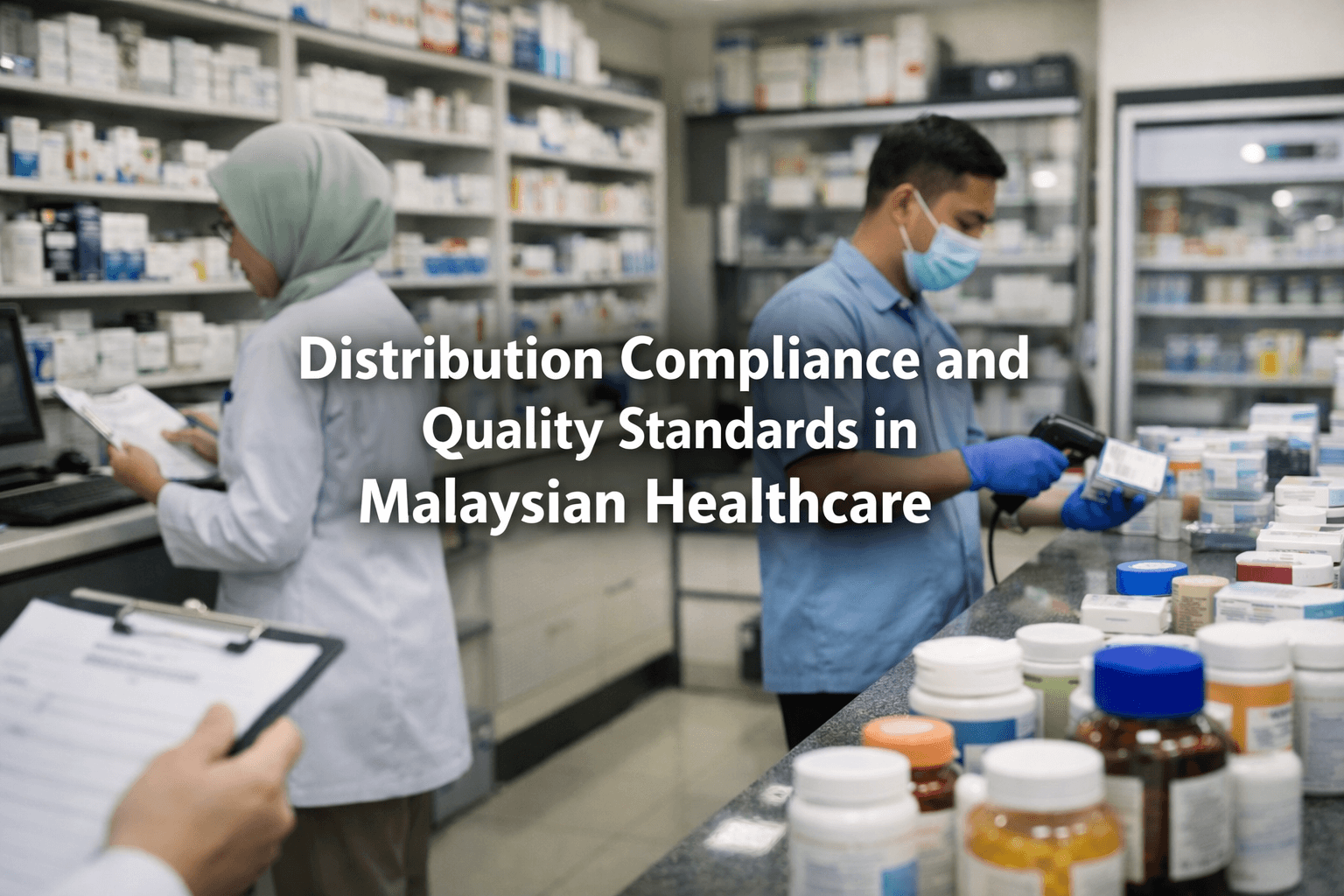
What happens when a temperature-sensitive biologic shipment experiences a冷链 breach during transport from Kuala Lumpur to Kuching—and how do regulatory requirements shape distributor responses to such incidents? The answer reveals why compliance infrastructure has become a competitive differentiator among Malaysian distributors.
Good Distribution Practice (GDP) compliance represents the foundation of quality assurance in pharmaceutical logistics. These internationally recognized standards govern everything from warehouse temperature mapping to vehicle qualification, ensuring that medicines remain in specified conditions throughout the supply chain.
Core Compliance Requirements
Malaysian distributors must navigate multiple layers of regulatory expectation:
Temperature monitoring systems with continuous recording and alarm capabilities
Qualified vehicles with validated temperature performance
Staff training programs covering handling procedures and emergency response
Documentation systems providing complete chain of custody records
Deviation management protocols for addressing temperature excursions
For pharmacy wholesale distributors, compliance investments represent significant capital commitments that smaller operators struggle to afford. A single temperature-controlled warehouse may require millions in construction costs, plus ongoing validation expenses that strain operating budgets. This creates a natural advantage for larger distributors who can spread compliance costs across greater volumes.
Cold Chain Complexity in Tropical Conditions
Malaysia’s tropical climate poses unique challenges for cold chain logistics. Ambient temperatures consistently above 30°C with high humidity create conditions where even minor deviations from protocol can compromise product quality. Distributors serving East Malaysia face additional complexity with multi-modal transport involving trucks, ferries, and sometimes air freight—each transition point introducing potential temperature excursions.
Major distributors have responded with advanced infrastructure including:
Multi-zone warehouses with segregated temperature environments
Real-time monitoring systems with alert capabilities
Backup power generation ensuring continuous cooling
Qualified packaging solutions for last-mile delivery
These investments enable reliable service even to challenging locations, but they also create cost structures that influence pricing throughout the supply chain. Pharmacists in remote areas may pay higher wholesale prices reflecting the true cost of serving their locations—a reality that consolidation in the distributor sector makes increasingly transparent.
Compliance as Competitive Advantage
For the biggest healthcare firms Malaysia, compliance excellence has shifted from regulatory requirement to competitive weapon. Companies with proven GDP compliance attract multinational principals seeking reliable distribution partners. They also face fewer regulatory interruptions, maintaining service levels while competitors deal with inspection findings or corrective action requests.
This dynamic reinforces concentration in distribution markets, as compliance capability becomes a barrier to entry that smaller players cannot easily overcome. The result is a distribution landscape dominated by professionals who treat quality as strategic priority—benefiting patients through improved medicine safety while potentially reducing options for pharmacies seeking alternative supply sources.
Learn more: GUIDELINE ON GOOD DISTRIBUTION PRACTICE | The Rise of Cold Chain Logistics in Pharmaceutical CDMOs
Compliance, Governance & Risk Control in Large Healthcare Corporations
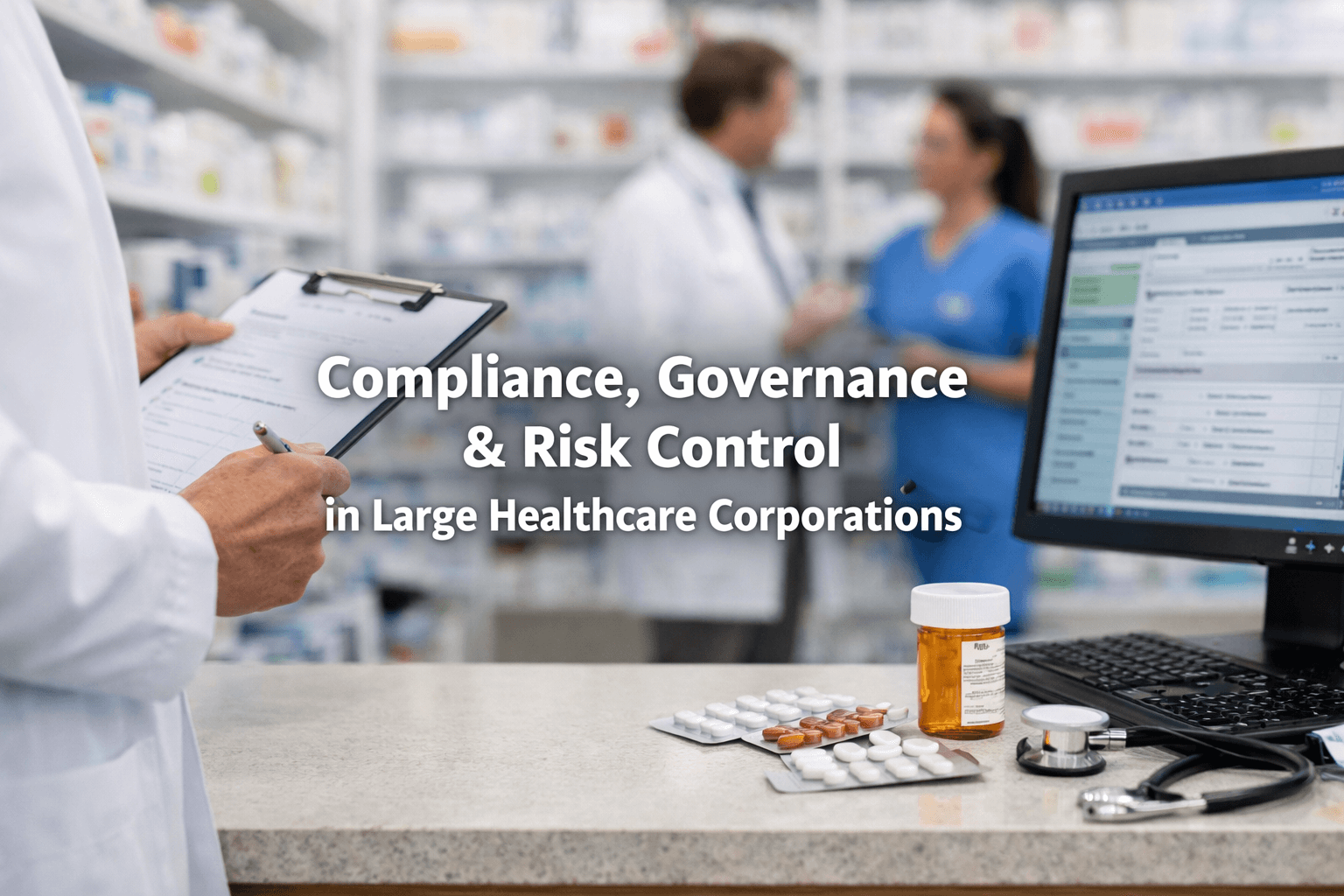
How does compliance maturity separate market leaders from temporary players in Malaysia’s pharmaceutical landscape? The answer becomes painfully clear when regulators conduct inspections or when product recalls必须 be executed with precision—moments that reveal which organizations have built robust systems versus those operating with dangerous informality.
GDP and GMP adherence are not administrative formalities that companies can treat as optional checkboxes. They represent trusted, reliable, and proven operational systems that protect patients, preserve brand reputation, and maintain business continuity when challenges arise. Large corporations that have invested in compliance infrastructure understand that regulatory requirements actually create competitive advantage rather than merely imposing costs.
Core Compliance Systems in Action
Large healthcare corporations maintain several critical systems that distinguish their operations from smaller players who may struggle with consistency:
Structured recall management systems that can trace affected batches within hours, not days
Batch traceability documentation providing complete visibility from manufacturer to patient
Cold chain temperature logs with continuous monitoring and automated alerting
NPRA registration oversight ensuring all products maintain valid regulatory status
These systems represent essential investments that protect not only patients but also independent pharmacy distributor partners who rely on clean documentation to mitigate liability risk. When a pharmacist dispenses medication, they implicitly trust that every handler in the supply chain maintained proper conditions—a trust that depends on documented evidence from distributors.
From the regulator’s perspective, compliance maturity predicts which companies will respond appropriately during crises. The NPRA and Ministry of Health maintain closer surveillance on operators with compliance gaps, while organizations with proven track records face fewer inspections and faster approvals for new products or facility changes.
From the distributor’s viewpoint, compliance investments represent both protection and opportunity. Companies with GDP-certified warehouses, validated cold chain vehicles, and comprehensive SOPs can attract multinational principals who refuse to work with lesser-equipped partners. These capabilities become strategic assets that generate revenue through exclusive distribution agreements.
In Malaysia’s regulated healthcare environment, governance discipline determines longevity with remarkable predictability. Companies that cut compliance corners eventually face regulatory action, damaged reputations, and lost contracts—while those maintaining rigorous standards build durable businesses that weather market disruptions.
Distribution Models Compared: Independent versus Corporate Chain Systems
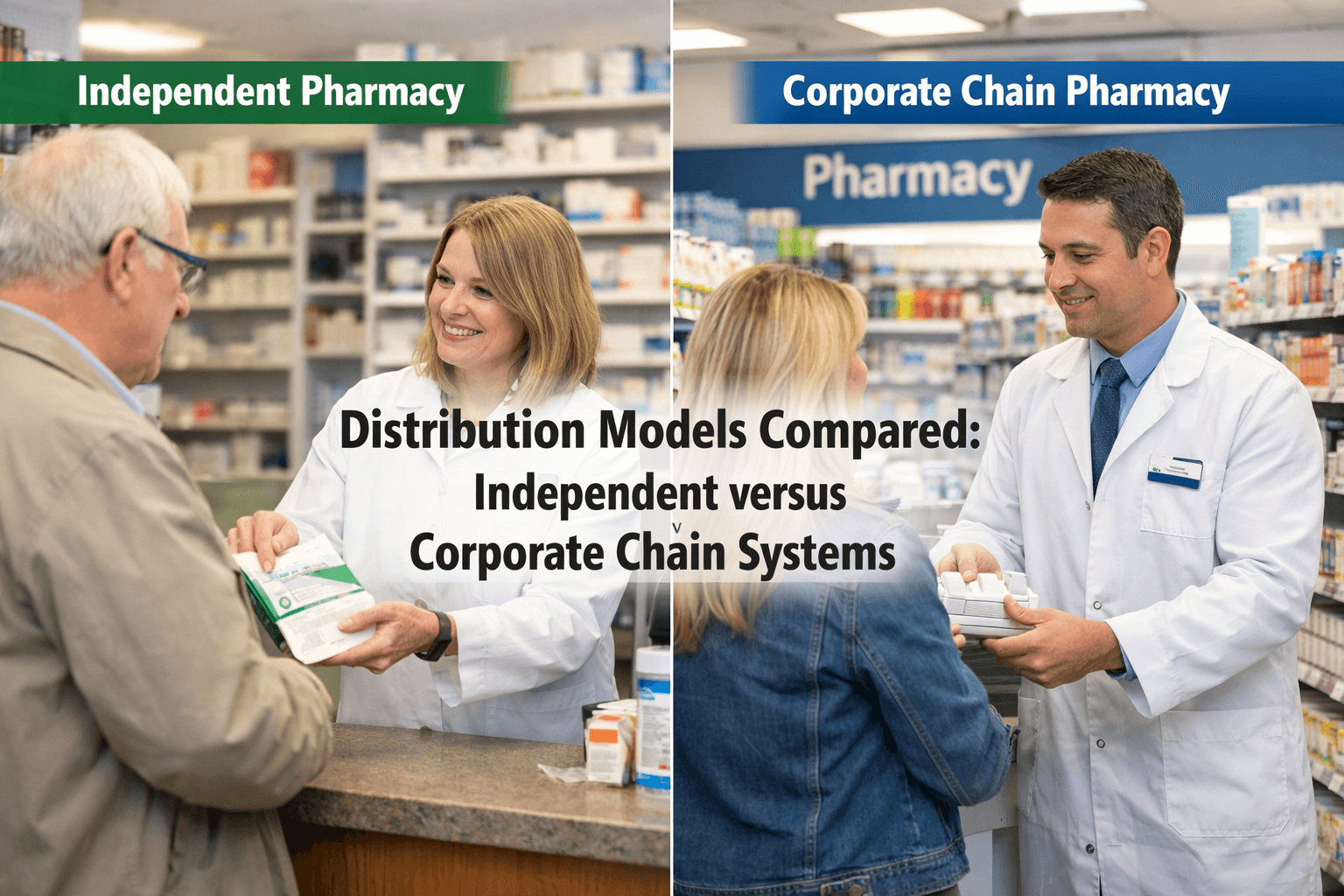
Which distribution structure offers greater resilience when supply chains face disruption—the flexibility of independent operators or the scale of corporate systems? This question generates heated debate among industry professionals, with passionate advocates on both sides citing valid arguments.
Independent pharmacy distributor models provide flexibility and relationship-driven negotiation that corporate systems often cannot match. These distributors build deep connections with pharmacy customers, understanding local market conditions and adapting quickly to changing requirements. A distributor serving pharmacies in Kelantan, for example, develops different capabilities than one focused on the Klang Valley—and this tailored approach creates value that standardized corporate systems struggle to replicate.
Corporate chain in-house distributor pharmacy systems offer scale and centralized control that independent operators envy. These organizations leverage purchasing volume to negotiate favorable terms with manufacturers, then optimize inventory across entire networks using sophisticated forecasting tools. Their proven ability to maintain consistency across hundreds of outlets appeals to brand owners seeking nationwide visibility.
Comparative Analysis: Distribution Model Strengths
| Model | Flexibility | Pricing Control | Inventory Risk | Retail Negotiation Power | Compliance Burden |
|---|---|---|---|---|---|
| Independent Distributor | High | Moderate | Shared between partners | Moderate | Moderate—flexible but inconsistent |
| Corporate Chain | Low—standardized processes | High through volume | Centralized at headquarters | High—leverage across network | High—must maintain system-wide |
| Hybrid Model | Balanced approach | Balanced negotiation | Shared across partners | Moderate-High | Moderate—combines strengths |
Independent pharmacy owners often value efficient credit flexibility that local distributors provide, allowing them to manage cash flow according to their specific business cycles. A pharmacy in Penang may negotiate payment terms reflecting its tourist-driven sales patterns, while a Sarawak outlet needs different arrangements matching local economic rhythms.
Corporate operations managers prioritize strategic inventory forecasting that reduces working capital requirements while maintaining service levels. Their effective systems predict demand based on historical data, promotional calendars, and seasonal patterns—then automatically generate replenishment orders that optimize stock turns.
Third-party pharmacy wholesale distributors focus on optimized logistics turnover as their core metric. These specialists measure performance through inventory velocity, delivery reliability, and cost per unit transported. Their expert operations serve both independent and corporate customers, providing scale benefits while maintaining service flexibility.
No single model dominates universally across Malaysia’s diverse markets. Sustainability depends on market positioning and operational discipline rather than structural choice alone. A well-run independent distributor serving niche segments can outperform a poorly managed corporate chain, while efficient corporate systems consistently deliver value that independents cannot match on price alone.
Learn more: How Pharma Distribution Changes Could Transform Packaging Formats
Market Trends Shaping the Next Phase of Healthcare Giants

Are Malaysia’s healthcare leaders prepared for digital transformation that is reshaping distribution globally—or will they cling to legacy systems until disruption forces change? Early evidence suggests that the biggest healthcare firms Malaysia are investing strategically in capabilities that will define competitive positioning for the next decade.
Emerging Trends Reshaping Distribution
Several critical trends are converging to transform how medicines reach Malaysian patients:
Digital inventory systems providing real-time visibility across supply chains
Data-driven demand forecasting reducing waste while improving availability
E-commerce pharmacy expansion creating new distribution channels
Cold chain growth for biologics requiring advanced temperature control
ASEAN regional positioning as companies expand beyond domestic markets
As Malaysian health sector leaders adopt digital tools, distribution transparency improves dramatically. Pharmacies can now track orders from warehouse to doorstep, anticipating delays and managing patient expectations. Manufacturers gain visibility into sell-through rates, adjusting production based on actual consumption rather than distributor orders that may mask true demand.
Tailored analytics enable pharmacies to reduce dead stock by matching inventory investments with actual sales patterns. A pharmacy serving a community with high diabetes prevalence, for example, can optimize insulin inventory while reducing capital tied to slow-moving dermatology products. These effective tools transform pharmacy profitability while improving patient access.
Reliable cold chain expansion becomes increasingly critical as specialty medicines multiply. Biologics, vaccines, and certain injectables require strict temperature control throughout distribution—capabilities that only sophisticated distributors possess. Companies investing in cold chain infrastructure position themselves for growth as treatment patterns evolve toward these higher-value products.
From the manufacturer’s perspective, digital integration with distributors enables demand sensing that was impossible with traditional ordering systems. Real-time consumption data reveals market trends, promotional effectiveness, and inventory gaps—information that drives strategic decisions about product development and market expansion.
From the distributor’s viewpoint, digital investments create operational efficiency while generating data assets that may themselves become valuable. A distributor understanding pharmacy-level consumption patterns can offer tailored services to brand owners seeking targeted market access.
The next decade will reward companies that integrate compliance, logistics, and digital visibility in one cohesive structure. Organizations maintaining these capabilities as separate silos will struggle against competitors offering seamless service experiences that delight both pharmacy customers and end patients.
Learn more: Enhancing hospital resilience: Dynamic capabilities in the digital age
Practical Insights for Malaysian Pharmacies and Brand Owners

What should pharmacies and brand managers learn from analyzing the top 15 companies shaping Malaysia’s healthcare distribution landscape? The patterns revealed through this examination offer actionable guidance for organizations seeking to strengthen their market positions.
Essential Checklist for Pharmacy Evaluation
Pharmacies evaluating distributor partners should assess several critical factors that predict long-term relationship success:
Evaluate distributor compliance track record through regulatory history and customer references
Review cold chain capability for temperature-sensitive products relevant to your pharmacy
Assess credit terms sustainability against your business cycle and growth plans
Monitor supply consistency history during both normal operations and disruption periods
Verify documentation quality for traceability and regulatory inspection readiness
These assessments help pharmacies avoid partnerships that initially appear attractive but prove unreliable when challenges arise. A distributor offering aggressive pricing may lack the proven systems needed for consistent delivery—a trade-off that becomes obvious only after problems emerge.
Strategic Guidance for Brand Owners
For brand owners entering Malaysia, the market presents both opportunity and complexity that requires strategic navigation:
Understand listing barriers at major pharmacy chains and independent groups
Align with proven distributor networks serving your target segments
Prepare NPRA documentation early with professional regulatory support
Budget for merchandising investment that secures retail visibility
Build relationships with key pharmacy groups before product launch
Malaysia’s market rewards preparation while punishing shortcuts. Brands that invest in regulatory compliance, distributor relationships, and retail execution build sustainable positions that competitors cannot easily dislodge.
The biggest healthcare firms Malaysia demonstrate that strategic sourcing decisions directly impact retail sustainability. Companies treating distribution as tactical afterthought rather than essential capability find themselves disadvantaged against competitors who recognize supply chain excellence as competitive advantage.
From the pharmacist’s perspective, understanding distributor capabilities helps in making informed choices about where to invest loyalty and purchasing volume. A distributor with reliable systems, fair credit terms, and responsive service deserves preference over alternatives offering marginal pricing advantages but inconsistent performance.
Learn more: Top 10 Medicine Distributors in Malaysia for Pharmacies and Clinics (2026 Edition)
The Structural Backbone of Malaysia’s Healthcare Sector
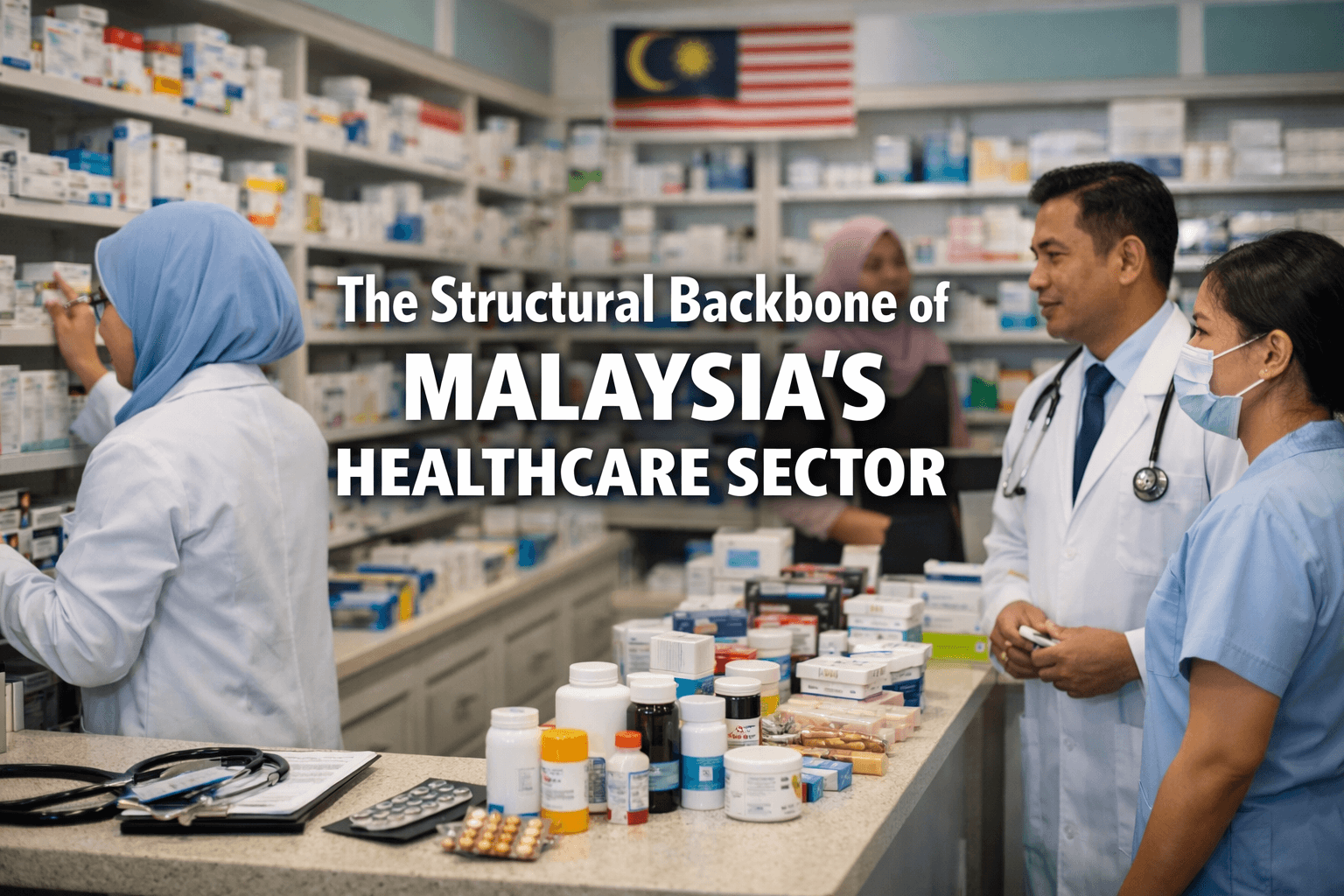
Malaysia’s top healthcare providers and pharma and medical companies do more than generate revenue and satisfy shareholders. They create the operational spine that supports medicine accessibility, compliance integrity, and retail pharmacy stability across one of Southeast Asia’s most sophisticated healthcare markets.
From hospital procurement systems demanding rigorous supplier standards to pharmacy wholesale distributors maintaining nationwide cold chain networks, and from independent pharmacy distributor networks serving local communities to corporate chains optimizing inventory across hundreds of outlets—the ecosystem depends on reliable and strategic coordination that patients never see but constantly benefit from.
Distribution maturity—not merely scale—defines long-term resilience in ways that become apparent during supply disruptions, regulatory inspections, and market evolution. Companies that have invested in compliance systems, digital capabilities, and relationship infrastructure weather challenges while competitors struggle. This reality shapes strategic decisions throughout the healthcare sector, from manufacturer partnerships to pharmacy sourcing choices.
For pharmacies, brand owners, and distribution professionals, understanding these market leaders provides essential clarity for sourcing decisions, compliance planning, and partnership evaluation. The patterns revealed through careful analysis translate directly into practical guidance for organizations seeking sustainable positions in Malaysia’s evolving healthcare landscape.
Frequently Asked Questions (FAQ)
Q1: What is the largest healthcare company in Malaysia?
Answer: The largest healthcare company in Malaysia is KPJ Healthcare Berhad, a leading private healthcare provider with a wide network of hospitals across the country.
Q2: Who are the leading companies in the healthcare industry?
Answer: Leading healthcare companies in Malaysia include KPJ Healthcare Berhad, IHH Healthcare, Pharmaniaga, and Pantai Medical Group, which are all prominent players in the healthcare and pharmaceutical sectors.
Q3: What is the ranking of Malaysia in healthcare?
Answer: Malaysia is ranked 61st globally in healthcare access and quality according to the 2018 Global Health Security Index, with a strong healthcare infrastructure and access to medical services.
Q4: What are the top 10 health insurance companies in Malaysia?
Answer: Top health insurance companies in Malaysia include AIA Malaysia, Prudential Assurance, Great Eastern Life, Allianz Life, Tokio Marine Life, Sun Life Malaysia, Manulife Insurance, Etiqa Insurance, AXA Affin Life, and Hong Leong Assurance.
Q5: Who are the top 7 companies?
Answer: The top 7 companies in Malaysia’s healthcare and pharmaceutical sector are KPJ Healthcare, IHH Healthcare, Pharmaniaga, Pantai Medical Group, Sunway Medical Centre, KPJ Healthcare, and the Ministry of Health (MOH).
Q6: What are the big 4 companies in Malaysia?
Answer: The “Big 4” in Malaysia typically refers to the largest multinational professional services firms: Deloitte, PricewaterhouseCoopers (PwC), Ernst & Young (EY), and KPMG.
Q7: What is the most famous hospital in Malaysia?
Answer: The most famous hospital in Malaysia is the Hospital Kuala Lumpur, renowned for its state-of-the-art facilities and comprehensive healthcare services.
Q8: What are the big 10 companies?
Answer: The top 10 companies in Malaysia, considering healthcare and pharmaceutical sectors, include KPJ Healthcare, IHH Healthcare, Pantai Medical Group, Pharmaniaga, Sunway Medical Centre, and others.
Q9: What are the top 5 pharmacy in Malaysia?
Answer: The top 5 pharmacies in Malaysia include Guardian, Watsons, Caring Pharmacy, Alpro Pharmacy, and Health Lane Family Pharmacy, which dominate the retail pharmacy market.
Q10: What is the biggest company in Malaysia?
Answer: The biggest company in Malaysia by market capitalization is Malayan Banking Berhad (Maybank), a leading financial services group in the region.
How can we assist you today? 😊
Just let us know—we’re here to help!