

November 7, 2026
Learn more : Understanding the ROI of Pharmacy Merchandising Investments in Malaysia
Learn more : Pharmacy Merchandising for New Product Launches in Malaysia
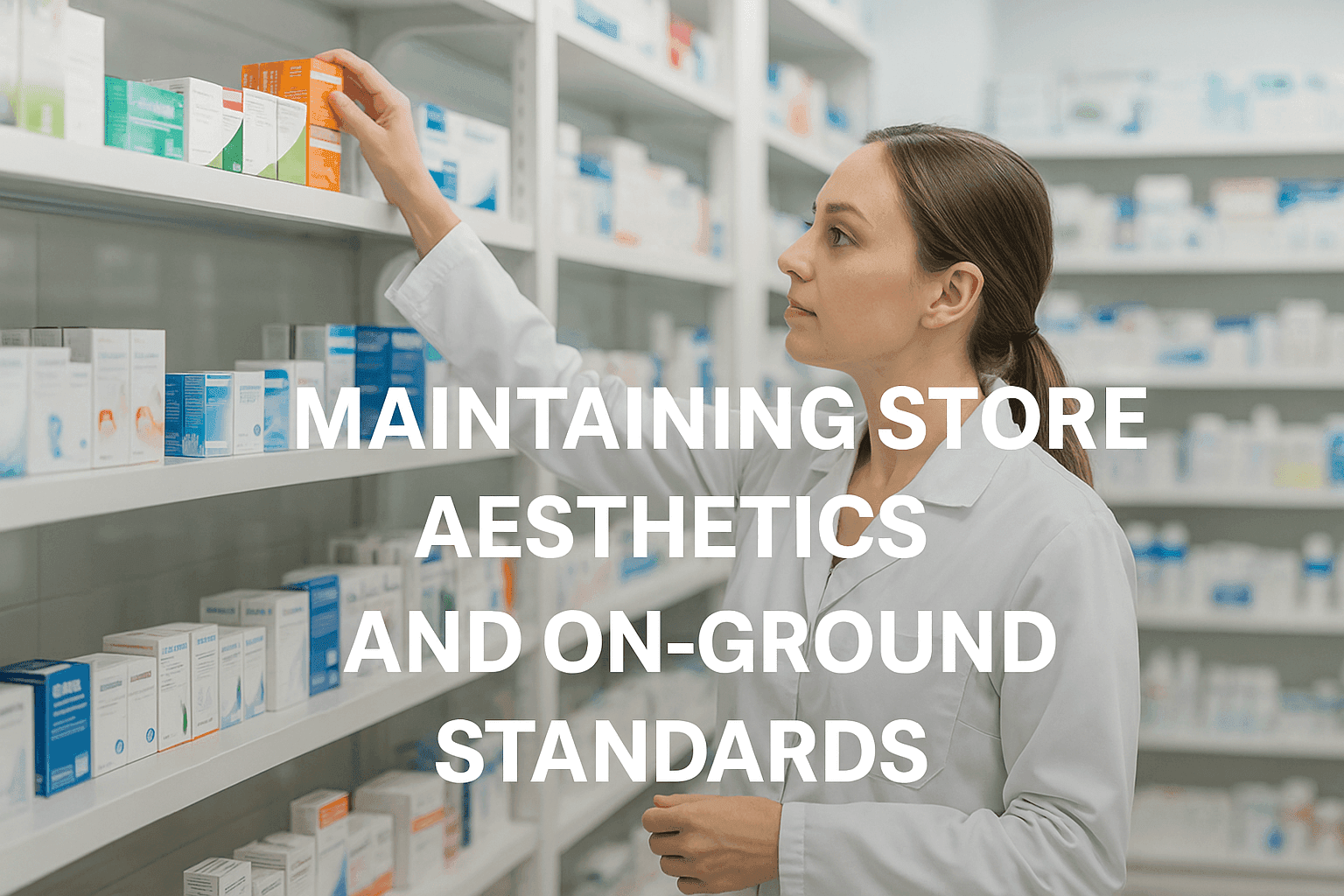
Coordinating Promotions and Ensuring Pricing Accuracy in a Regulated Environment
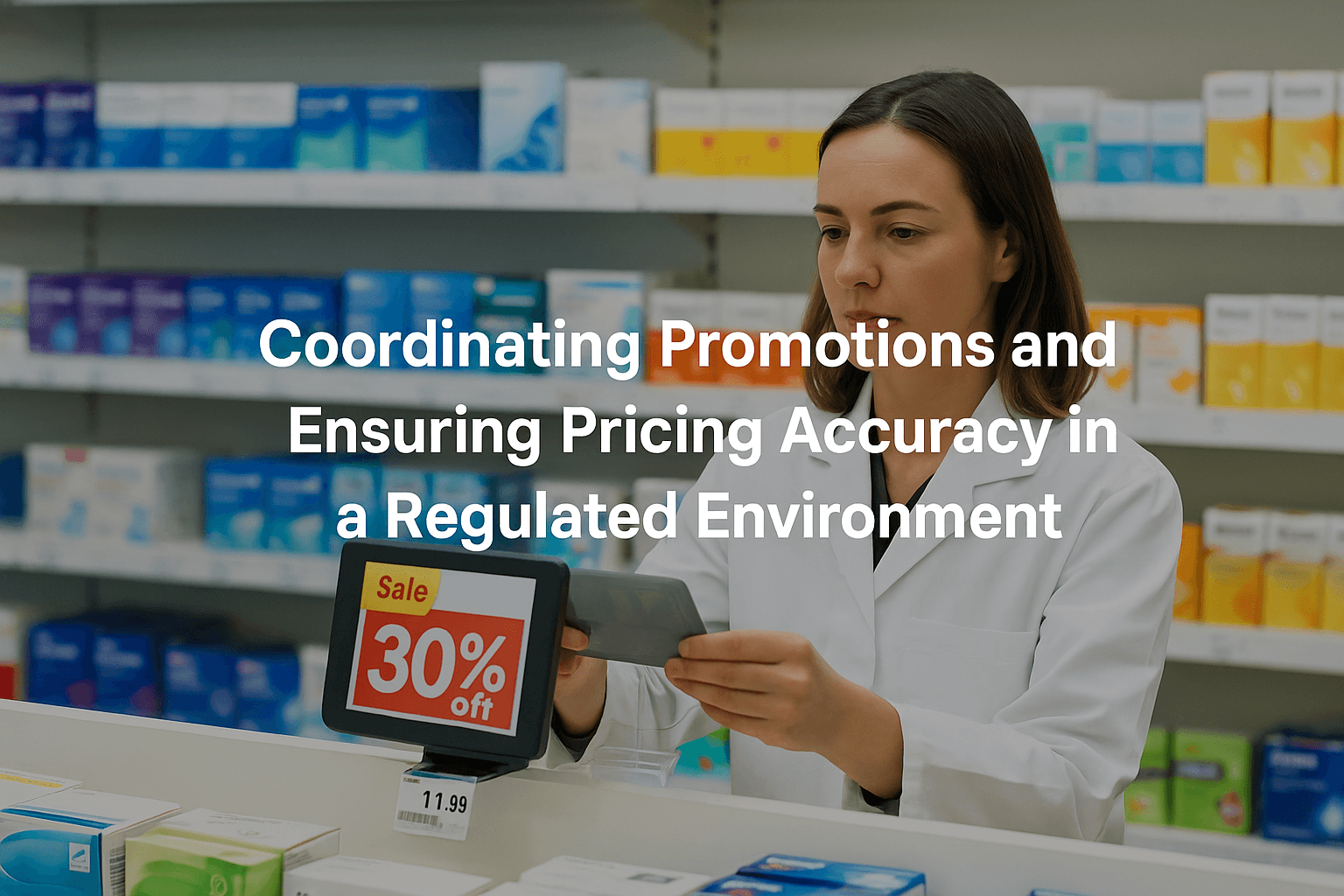
The execution of a promotional campaign within a Malaysian pharmacy is a symphony of coordination, where a single misstep can lead to regulatory non-compliance or consumer mistrust. This process demands a strategic and reliable collaboration between visual merchandisers, pharmacy distributor in Malaysia field teams, and outlet supervisors. The merchandiser’s role transcends simply putting up a discount tag; it involves ensuring that every point-of-purchase (POP) material, every promotional bundle, and every price reference is perfectly synchronized with the promotional agreement and, more critically, with Malaysian healthcare advertising regulations. For instance, during a campaign for diabetic care products, the visual merchandiser must ensure that any health claims on display materials are pre-approved and do not overstate efficacy, a sensitive area under KKM (Ministry of Health) scrutiny. This requires an efficient flow of approved artwork and compliance briefs from the brand, through the distributor pharmacy network, to the merchandiser executing at shelf-level. The practical implication is clear: accurate, compliant promotions protect the pharmacy’s license, uphold the brand’s integrity, and ensure the consumer receives clear, truthful information, which is the bedrock of a trusted healthcare relationship.
Learn more : Retail Pricing and Consumer Trust
Monitoring Sell-Through, Stock Movement, and Critical Merchandising KPIs
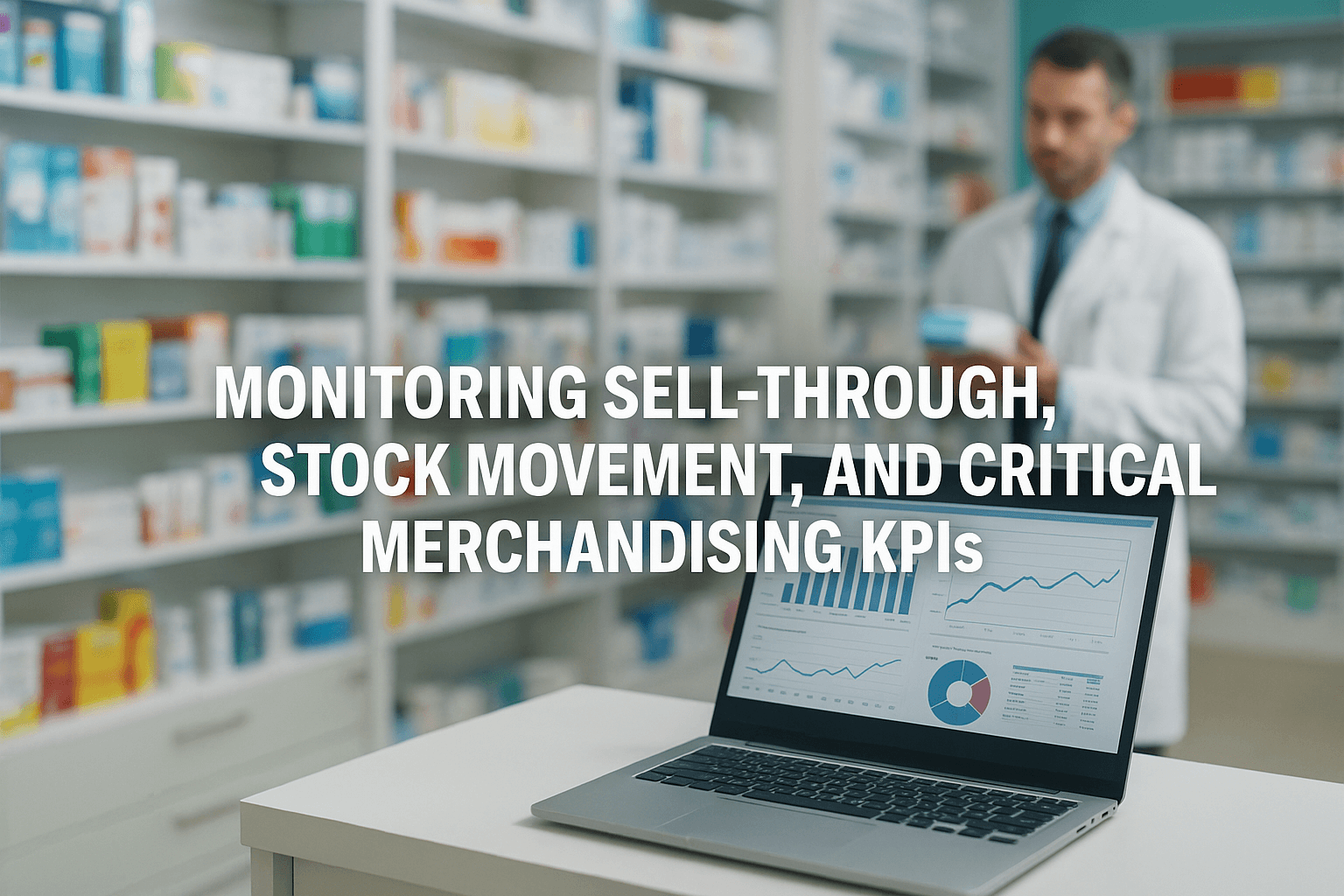
A visual merchandiser’s impact is quantified through a lens of key performance indicators (KPIs) that directly inform supply chain decisions. By meticulously tracking on-shelf availability, sell-through rates, and product turnover, they generate actionable intelligence for pharmacy wholesale distributors. This data is essential for predicting stock-out scenarios, optimizing replenishment cycles, and validating the effectiveness of a planogram layout. Consider a Malaysian-specific scenario like the pre-Hajj season, where demand for specific supplements and travel health kits spikes in certain regions. An expert visual merchandiser, by monitoring real-time shelf movement and visibility scores, can provide proven feedback to the distributor pharmacy team, prompting strategic pre-emptive stock allocation to stores in areas like Kelantan or Terengganu, where pilgrim numbers are high. This transforms the merchandiser from a passive executor into an active retail intelligence agent, whose on-ground observations are a reliable component of efficient inventory management. The choice of operational model—whether using an in-house team or leveraging distributor-supported merchandising—significantly influences the depth and immediacy of this KPI monitoring.
| Criteria / Metric | In-House VM Team | Distributor-Supported VM |
|---|---|---|
| Planogram Consistency & Compliance | Can vary between outlets based on internal training cycles. | High, driven by unified brand and distributor guidelines applied across the network. |
| Regulatory Adherence (KKM/NPRA) | Requires dedicated, ongoing internal training on healthcare compliance. | Built-in expertise; distributors often provide updates and audits as part of the service. |
| Cost & Operational Efficiency | Higher fixed overheads for salaries, training, and management. | More efficient through shared resources and scalable operations across multiple brands. |
| Sell-Through Data & Feedback Loop | Often slower, relying on internal reports that may not link directly to distributor systems. | Real-time, aligned feedback; insights flow directly into the distributor pharmacy’s supply chain planning. |
| Speed of Promotional Execution | Dependent on internal task prioritization and resource allocation. | Typically faster, as it’s a core, tailored service tied to distributor performance targets. |
Learn more : Top 3 Reasons to Buy from Pharmaceutical Wholesalers in Malaysia | Consumer Industry Insights
Working with Distributor Networks: A Framework for Unified Retail Execution
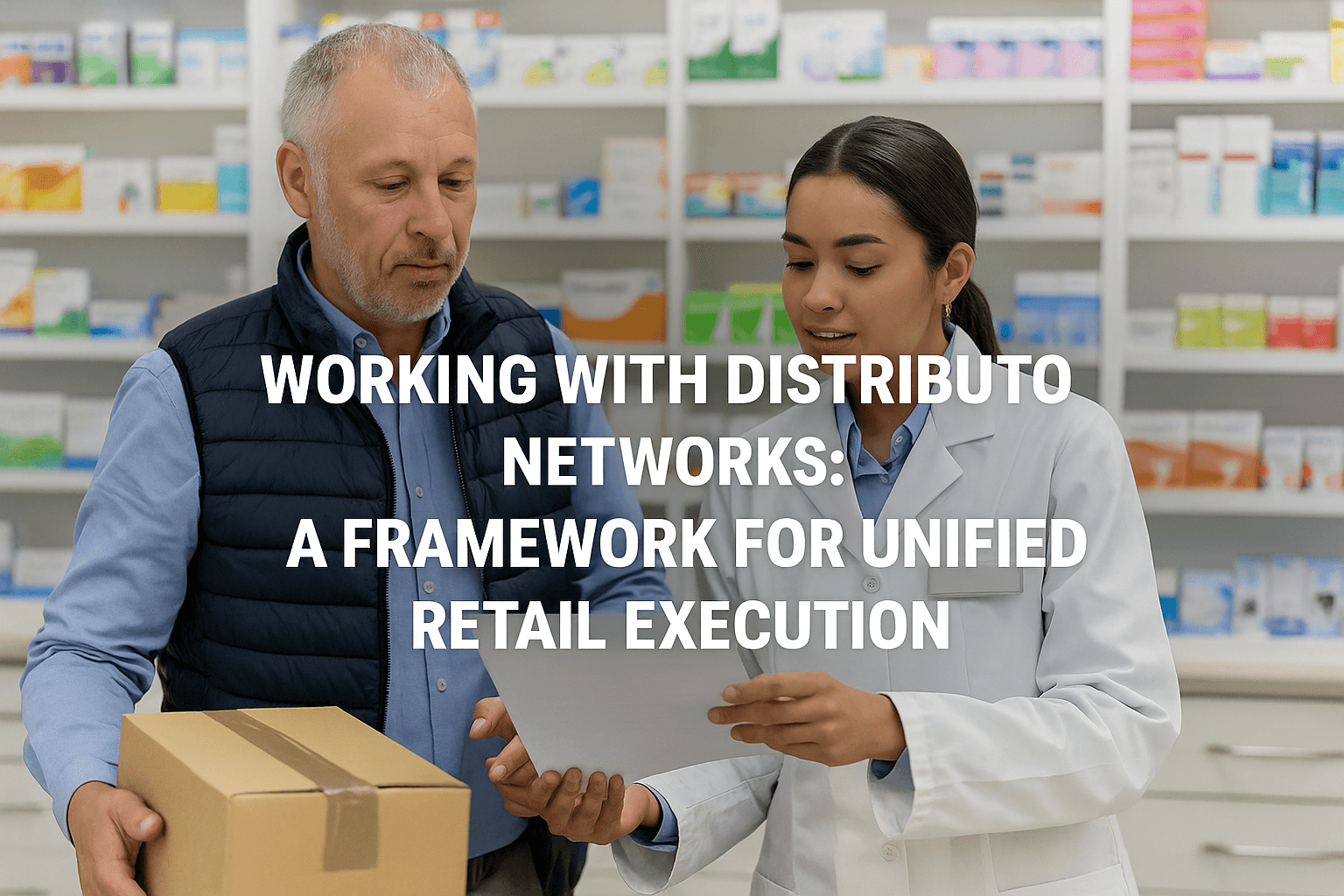
The fragmented nature of Malaysia’s pharmacy landscape—comprising large chains, independent pharmacies, and pharmacy wholesale distributors—makes a unified retail execution framework not just beneficial but strategically essential. Visual merchandisers operate at the nexus of a complex cross-functional communication model. This framework typically flows in two primary directions: firstly, from VM teams to distributor field forces and then to pharmacy managers, ensuring planograms are installed and maintained; and secondly, from VM teams back through distributor channels to brand owners and their regulatory teams, providing proof-of-execution and compliance audits. A trusted partnership with a distributor pharmacy in Malaysia means merchandising guidelines are implemented with a high degree of fidelity, whether in a major city outlet or a community pharmacy in a smaller town. For a brand launching a new medical device, this tailored framework ensures that the restricted product zone is set up correctly, all mandatory labelling is visible, and staff are briefed—all coordinated through the distributor’s existing and efficient route-to-market infrastructure. This alignment turns the distributor network into a force multiplier for brand consistency and regulatory safety.
Learn more :The Future of Retail Operations
Navigating Compliance Challenges and Embracing Future Trends
The core challenge in pharmacy visual merchandising remains steadfast adherence to a stringent regulatory framework. KKM and NPRA rules govern everything from the physical segregation of scheduled drugs to the wording on price tags for health supplements. A common pitfall is the overstated claim—a display suggesting a vitamin can “cure” rather than “support”—which can result in significant penalties. The visual merchandiser must be the final gatekeeper against such compliance risks. Looking forward, several emerging trends are set to redefine the space. Digital shelf labels (ESL) allow for real-time price updates and multilingual product information, enhancing accuracy and consumer education. Data-driven planograms, informed by sell-through analytics and shopper flow heatmaps, are moving layouts from intuition-based to evidence-based design. Furthermore, AI-powered image recognition audits, where field staff or even in-store cameras can automatically audit facing counts and promo compliance, are paving the way for more reliable and efficient monitoring at scale. Forward-thinking pharmacy distributors are already adopting these proven technologies to offer brands a more effective, transparent, and strategic merchandising partnership, moving beyond manual labor to intelligent retail execution.
Learn more :WHO Guidelines on Regulatory Practices
The Integral Role in a Health-Conscious Retail Ecosystem
The work of the visual merchandiser in a Malaysian pharmacy is, therefore, fundamentally strategic. It directly shapes the consumer health experience, influences product accessibility, and safeguards public trust in a regulated environment. By ensuring compliant, clear, and consumer-centric retail spaces, they strengthen the entire pharmacy distribution service value chain. This role enhances patient outcomes not through medical advice, but by creating a retail environment where accurate information, appropriate products, and health-conscious navigation converge seamlessly. The tangible impact is measured in improved medication adherence from better-organized chronic care zones, informed self-care choices from well-structured OTC sections, and ultimately, a more effective healthcare retail ecosystem that serves the unique needs of the Malaysian community.
Frequently Asked Questions (FQA)
Q1: What are the responsibilities of a visual merchandiser?
Answer: A visual merchandiser is responsible for creating attractive product displays, implementing planograms, improving store navigation, enhancing brand visibility, supporting sales goals, and ensuring compliance with retail standards.
Q2: What are the duties of a VM?
Answer: Core duties include designing visual layouts, arranging shelves, monitoring stock presentation, preparing promotional setups, analysing customer flow, and maintaining consistent brand identity across outlets.
Q3: What are the duties and responsibilities of a merchandiser?
Answer: A merchandiser ensures the right products are available, well-presented, correctly priced, and placed strategically. Responsibilities include inventory checks, product ordering, display execution, competitor monitoring, and reporting store insights.
Q4: What are the 7 functions of merchandising?
Answer: The seven functions are product selection, pricing, display planning, inventory control, promotion coordination, store layout management, and sales performance evaluation.
Q5: What are the 5 P’s of merchandising?
Answer: The 5 P’s are Product, Placement, Pricing, Promotion, and Presentation—key elements used to optimise retail visibility and shopper engagement.
Q6: What are the 10 principles of merchandising?
Answer: They include simplicity, balance, focal points, storytelling, colour harmony, customer flow, consistency, brand alignment, seasonal relevance, and clarity in communication.
Q7: What are the 5 R’s of merchandising?
Answer: The 5 R’s are Right Product, Right Place, Right Time, Right Quantity, and Right Price—guiding efficient retail operations.
Q8: Is merchandising a high-paying job?
Answer: It depends on industry and experience. Entry-level roles are moderate, while senior merchandisers, especially in large retail or pharmacy chains, can earn higher salaries due to strategic responsibilities.
Q9: What are the 7 R’s of merchandising?
Answer: The 7 R’s expand on the 5 R’s: Right Product, Right Place, Right Time, Right Quantity, Right Price, Right Promotion, and Right Customer.
Q10: What are the five qualities of merchandising?
Answer: Key qualities include creativity, attention to detail, analytical thinking, strong communication skills, and problem-solving ability.
How can we assist you today? 😊
Just let us know—we’re here to help!