

Malaysia’s pharmaceutical and healthcare landscape has undergone a significant transformation, particularly in the wake of a global shift toward preventative wellness and self-care. This evolution has spurred a growing demand for specialty food products that directly support nutrition, overall wellness, and specific health conditions. Wholesale food suppliers are no longer just vendors; they are now pivotal partners in supplying pharmacies with a diverse range of goods, from baby nutrition and functional beverages to targeted wellness foods. They ensure pharmacies have consistent access to essential, high-quality products that must simultaneously meet regulatory standards set by bodies like the NPRA and the evolving needs of health-conscious consumers. For pharmacy distributors, the decision to partner with a trusted wholesale food supplier is a strategic move—one that directly impacts their ability to maintain rigorous standards of product quality, supply chain traceability, and ultimately, customer satisfaction. As the lines between food and medicine continue to blur, selecting the right supplier becomes paramount to successfully navigating the demands of the modern Malaysian pharmacy sector.
Understanding the Pharmacy Distribution Landscape in Malaysia
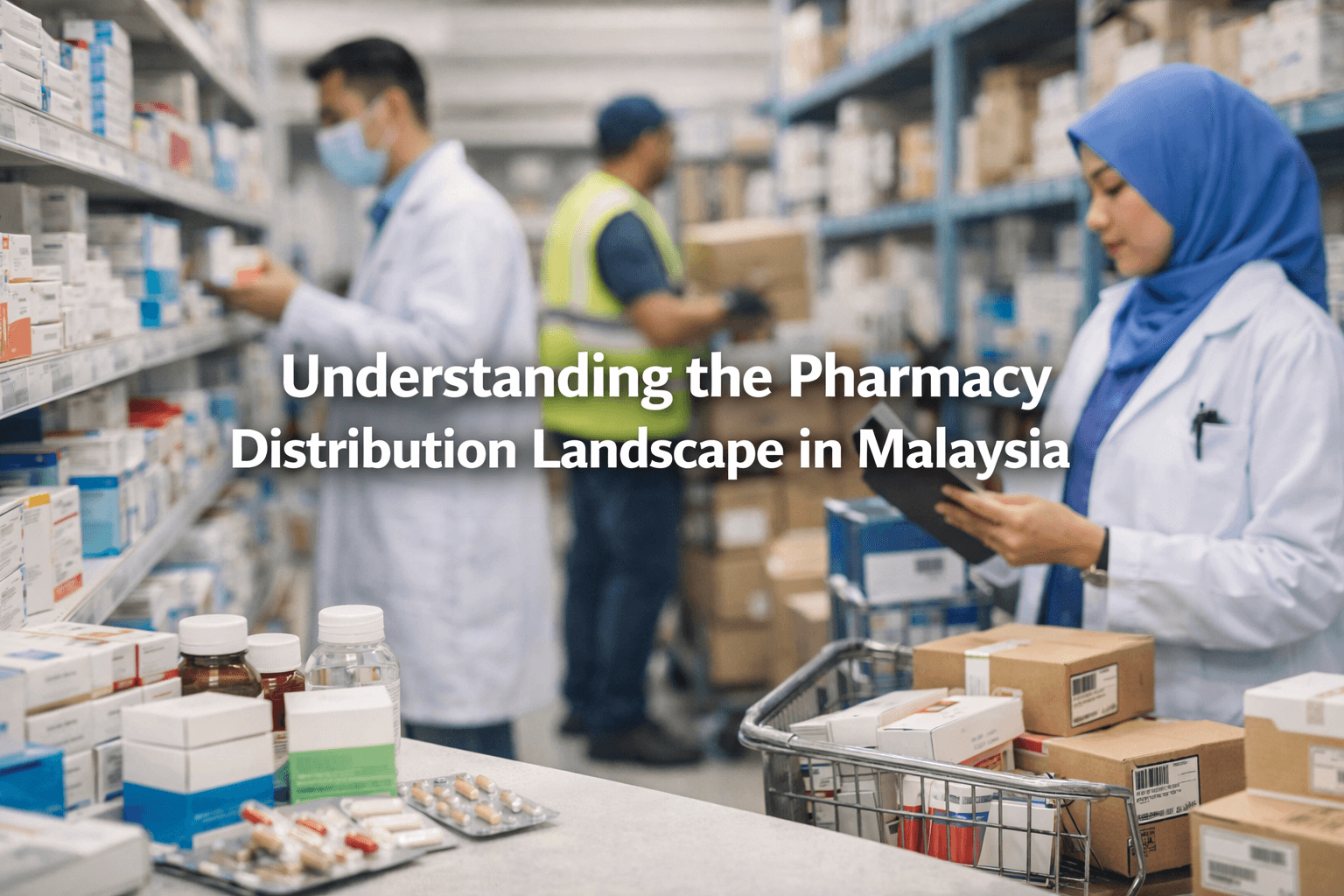
The pharmacy distribution network in Malaysia is a complex, multi-layered ecosystem. It’s not a simple path from manufacturer to consumer. Instead, it involves a coordinated effort between independent pharmacy distributors, large-scale pharmacy wholesale distributors, and direct supply agreements with major retail chains. These distributor pharmacies are the logistical backbone, managing the intricate flow of medicines, healthcare products, medical devices, and increasingly, nutrition supplements from warehouse shelves to the end customer. They act as the critical intermediary, ensuring that a pharmacy in Kuala Lumpur and a small clinic in rural Sabah both receive their necessary stock efficiently.
However, this network operates under the watchful eye of stringent regulatory bodies. The National Pharmaceutical Regulatory Agency (NPRA) and the Ministry of Health Malaysia (KKM) enforce a strict framework to ensure all products—including food items and supplements sold in pharmacies—adhere to high safety and efficacy standards. While these regulations are essential for public safety, they create significant operational challenges for distributors. For instance, compliance with Good Distribution Practices (GDP) is non-negotiable. This mandates that products must be stored and transported under specific conditions, with complete traceability maintained from the distributor’s warehouse right to the pharmacy counter. This level of oversight means that distributors cannot afford to work with just anyone; they require strategic partnerships with reliable, proven suppliers who understand and can operate within this highly regulated environment. A single lapse in the cold chain for a probiotic drink or a misstep in documentation for a baby formula shipment can lead to regulatory action and a loss of consumer trust, which is difficult to rebuild.
Learn more: How to Ensure Regulatory Compliance for Pharmacy Distribution in Malaysia | The Future of Pharma Operations
Key Wholesale Food Suppliers: Identifying Leading Brands in Malaysia
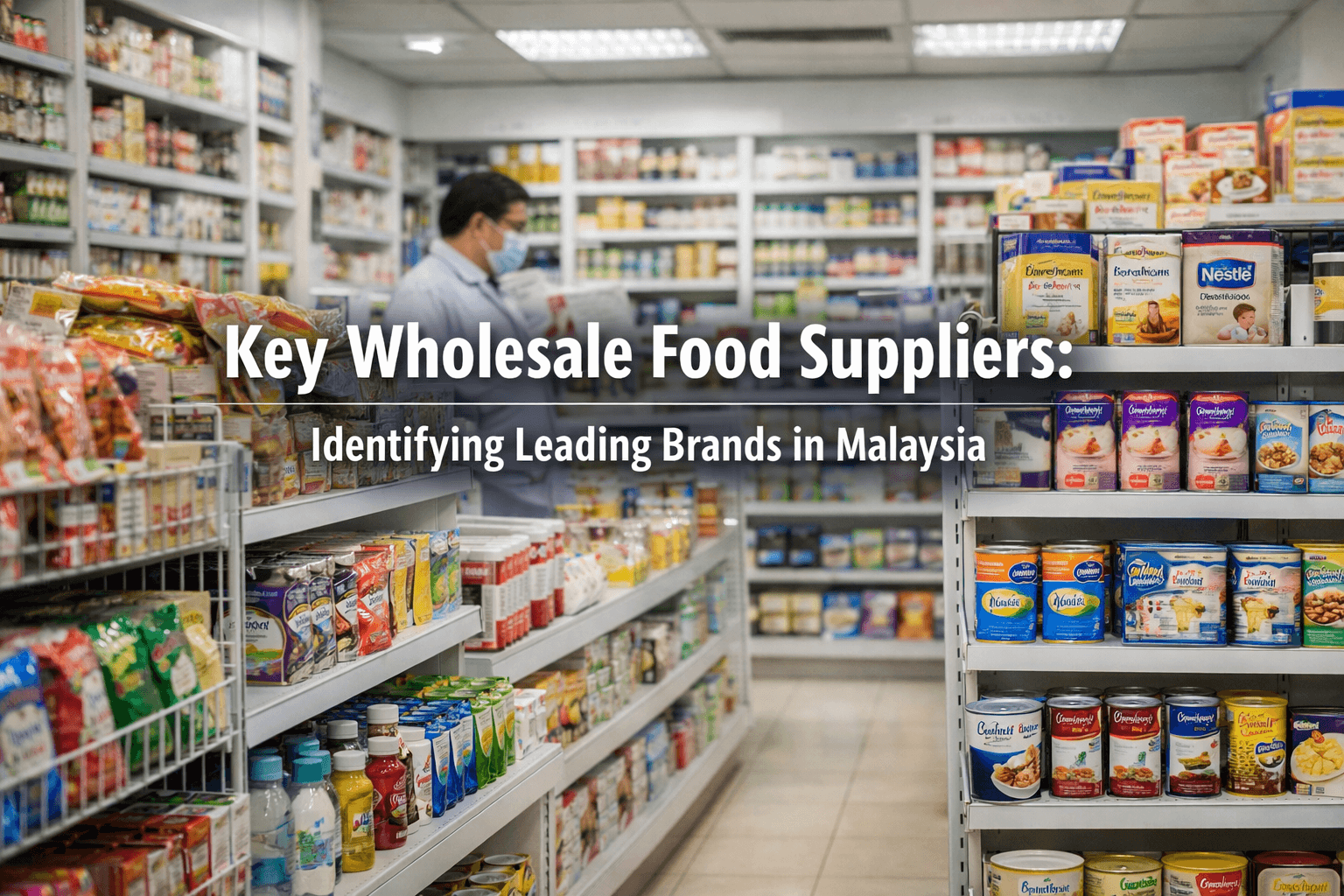
When selecting a supplier for pharmacy chains, the traditional metrics of cost and variety take a back seat to more critical factors. Quality assurance, unwavering regulatory compliance, and consistent product availability are the non-negotiable pillars of a successful partnership. The stakes are higher in a pharmacy setting because the products are often consumed by vulnerable populations—infants, the elderly, or those managing chronic conditions. Leading suppliers in Malaysia, such as Nestlé, FrieslandCampina, and Suntory, have established themselves as key players by offering products that fit seamlessly into the wellness and nutrition categories popular in modern pharmacies. Their portfolios often include pharmacy-friendly food categories, such as specialized functional beverages designed for energy or gut health, and a wide array of baby food products that cater to the growing demand for health-conscious and convenient options for parents.
These industry leaders do more than just bring products to the market; they bring a framework of compliance. They ensure their manufacturing processes hold GMP certification and their products secure the necessary KKM approval before they ever reach a distributor’s warehouse. Evaluating a supplier’s market reputation—how long they’ve been operating, their history of product recalls (if any), and their investment in R&D—offers pharmacy managers invaluable insight. Furthermore, the effectiveness of their delivery systems is a key differentiator. Can they guarantee stock during festive seasons? Do they have a system for handling expired or damaged goods efficiently? For a pharmacy manager, a supplier’s reliability is directly proportional to the pharmacy’s ability to serve its customers without interruption. A partnership with a proven supplier like Abbott, for example, which has a deep heritage in medical nutrition, brings an immediate layer of credibility and trust.
Learn more: Key Regulations Governing Pharmacy Distribution in Malaysia
Product Sourcing: Ensuring Quality and Compliance in Pharmacy Products
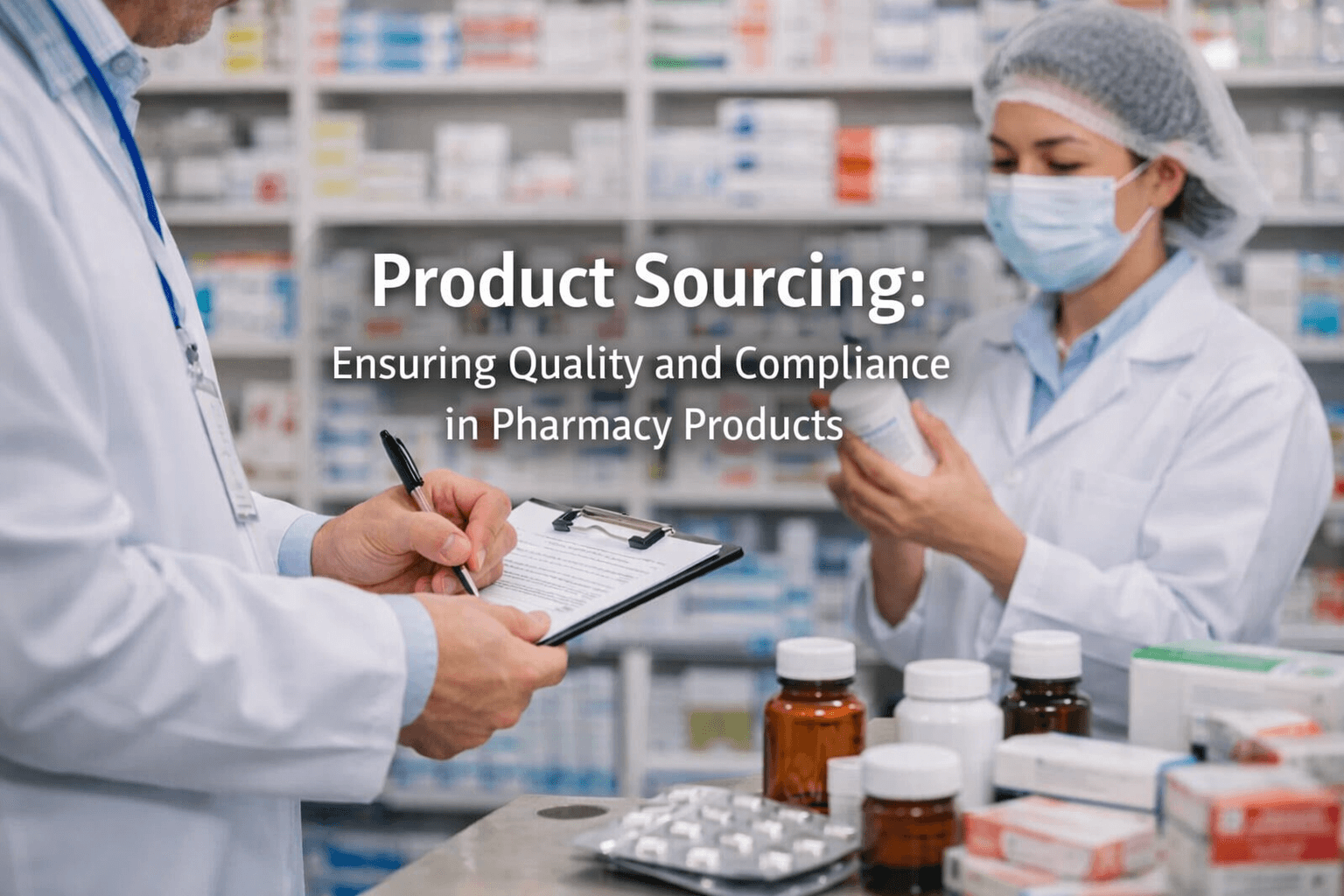
Pharmacy distributors must adopt a posture of vigilance when sourcing products. It is no longer enough to simply trust a supplier’s word; a proactive approach to verification is essential. The first and most critical step is ensuring that all food suppliers adhere strictly to Malaysian regulations. This means requesting and verifying documentation for KKM approval and GMP certification for every product, especially in sensitive categories like baby nutrition and wellness foods. For example, sourcing baby formula is an exercise in risk management. Partnering with suppliers who meet the highest international and local safety standards—like Abbott or Nestlé—is not just about regulatory compliance; it’s a direct strategy for building and maintaining consumer trust. A mother purchasing formula for her infant must have absolute confidence in its safety and nutritional profile, a confidence that is built on the reputation of the brands the pharmacy chooses to stock.
Distributor’s Compliance Checklist:
Verify NPRA notification for all food and supplement products.
Confirm Halal certification where applicable, a crucial factor for the Malaysian market.
Audit supplier’s traceability system—can they track a batch from raw material to finished good?
Review cold chain management protocols for temperature-sensitive items.
Furthermore, maintaining a strong focus on quality control extends beyond paperwork. It involves ensuring that products arrive at pharmacies in optimal condition. This is where the logistics partner’s capability becomes intertwined with sourcing decisions. Well-known suppliers in Malaysia, including Dole for nutritional juices and dried fruits, follow stringent regulations, but it is the distributor’s responsibility to maintain that integrity during transport and storage. By partnering with suppliers who are already compliant, pharmacies can confidently offer products that are both safe and effective. This dual focus on supplier vetting and internal quality control creates a robust system that protects the business and serves the customer well. It’s an effective strategy for risk mitigation in a high-stakes industry.
Learn more: The Legal Framework of Pharmaceutical Companies in Malaysia | Good Practice Guides (ISPE) | GMP Standards – World Health Organization
Strategic Partnerships with Pharmacy Wholesale Distributors
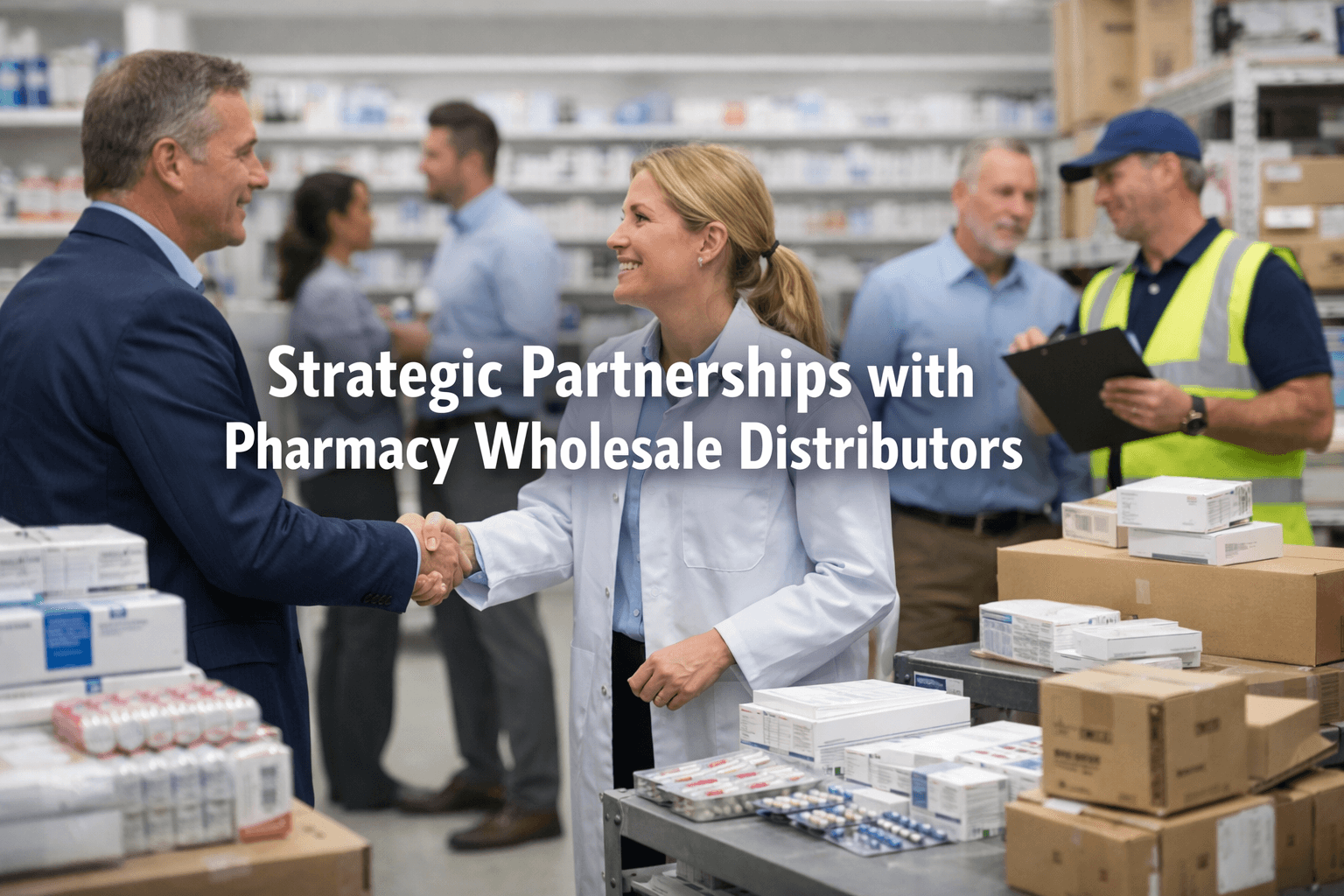
Building strategic relationships with trusted wholesale food suppliers is the cornerstone of an efficient and resilient supply chain. It moves the interaction from a transactional vendor-buyer dynamic to a collaborative partnership focused on mutual growth and problem-solving. Pharmacy wholesale distributors are instrumental in streamlining inventory management, using demand forecasting to minimize costly stockouts and prevent overstocking of perishable items. Strong partnerships with suppliers such as FrieslandCampina (for dairy-based nutrition) or Red Bull (for functional energy drinks) ensure that pharmacies have reliable access to these fast-moving consumer goods in a timely manner, allowing them to meet customer demand consistently.
From the perspective of a brand manager at a company like Suntory, a strong distributor partnership means their functional beverages are placed optimally in stores, with proper shelf-talkers and promotional materials, something that’s difficult to achieve without a committed local partner. For a pharmacist, this partnership translates to having the right products on hand when a customer seeks advice for, say, digestive health issues, recommending a specific probiotic drink they know is always in stock. Distributors who offer tailored services, such as dedicated temperature-controlled transportation for sensitive products like high-end baby formula or probiotic supplements, provide an undeniable layer of reliability. This ensures products are delivered not just on time, but in perfect, saleable condition, protecting the investment of both the distributor and the pharmacy. This integrated approach, involving multiple perspectives from the supply chain, creates a robust system that is far more resilient to disruptions than a fragmented one.
To illustrate the different value-adds, consider the roles within a pharmacy setting:
Comparative Table: In-House Staff vs. Supplier Support Roles
| Feature/Aspect | In-House Pharmacy Team | Dedicated Supplier Merchandiser (e.g., from Nestlé) |
|---|---|---|
| Primary Focus | Clinical services, dispensing, patient consultation, and overall store management. | Category management, shelf optimization, stock rotation for their specific brand portfolio. |
| Product Knowledge | Broad knowledge across all pharmacy categories (medicines, OTC, supplements). | Expert-level, in-depth knowledge of their specific product range, ingredients, and benefits. |
| Shelf Management | Manages overall store appearance but may have limited time for detailed facing. | Ensures their products are always optimally faced, front-of-shelf, and well-stocked. |
| Promotional Execution | Implements store-wide promotions as directed by management. | Sets up brand-specific displays, ensures promotional pricing is correct, and places point-of-sale materials. |
| Key Performance Indicator (KPI) | Prescription accuracy, customer satisfaction scores, overall store sales. | Sales growth of their specific brand, market share within the category, in-stock rate for their SKUs. |
By working closely with suppliers, pharmacy distributors can also unlock better pricing, more flexible delivery terms, and gain access to exclusive marketing support. These advantages can lead to significant cost savings, allowing pharmacies to offer more competitive pricing to their customers. It’s a symbiotic relationship: the supplier gets a dedicated channel to market, and the distributor gets a trusted partner who is invested in their mutual success, creating a strategic advantage in a crowded marketplace. The result is a more agile, responsive, and ultimately profitable operation for all parties involved. This collaborative framework is not just an operational nicety; it is a business imperative for success in Malaysia’s competitive pharmaceutical retail landscape.
Learn more: Traceability, Regulatory Pressures & Performance Management Tools – Deloitte
Key Pharmacy Segments: Focus on Baby Nutrition, Functional Beverages, and Wellness Foods
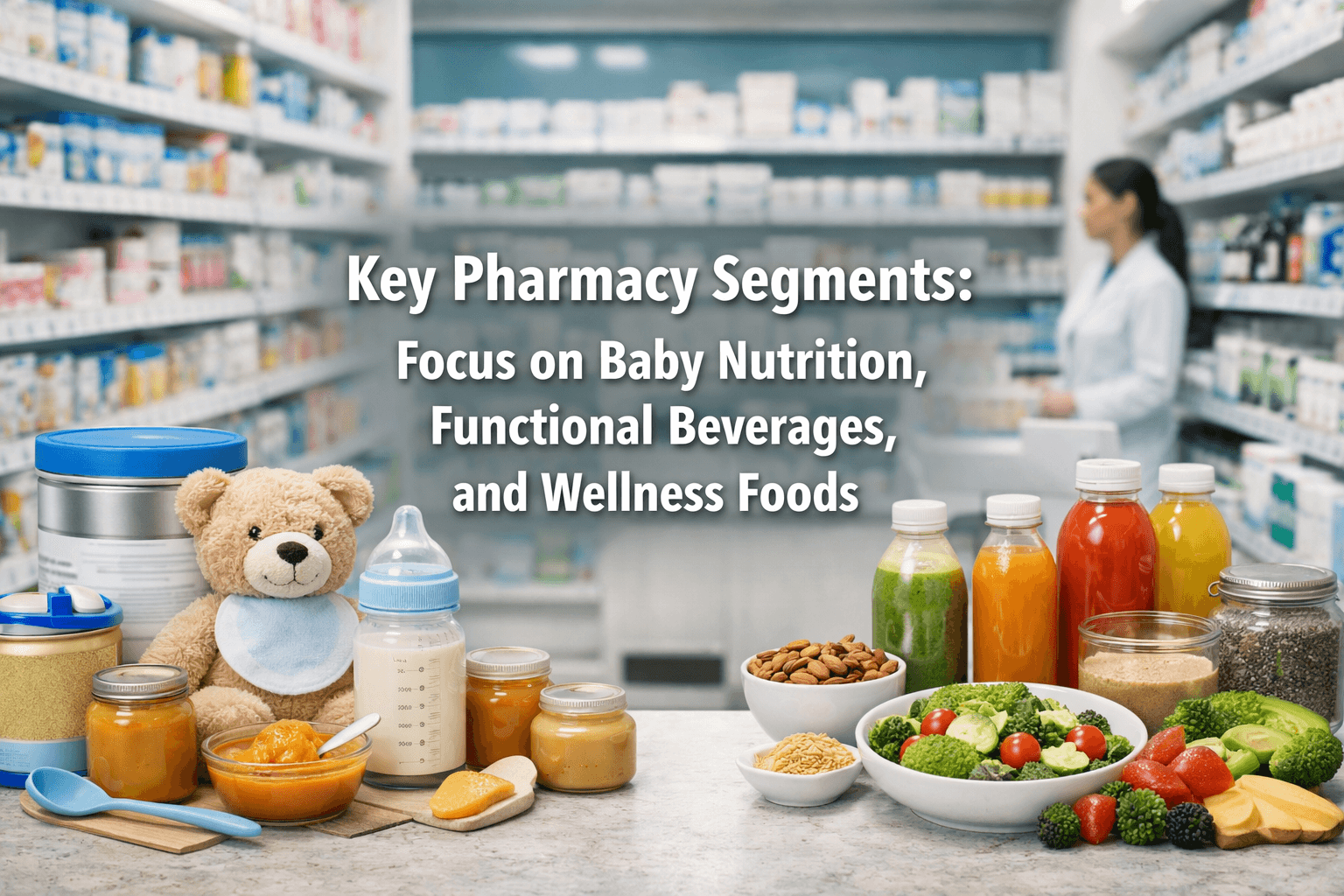
The strategic importance of specialized food categories—namely baby nutrition, functional beverages, and wellness foods—cannot be overstated for the modern Malaysian pharmacy. These segments represent far more than just ancillary revenue streams; they are pivotal in transforming pharmacies from mere dispensaries into comprehensive health and wellness destinations. Why the sudden surge? It’s driven by a fundamental shift in consumer behaviour. Malaysian parents are increasingly vigilant about early-life nutrition, seeking products that offer proven health benefits beyond basic sustenance. Simultaneously, a busy, health-conscious urban population is turning to functional beverages and wellness foods for convenient, targeted health support—whether it’s an energy boost, improved digestion, or enhanced immunity. This convergence of need and awareness makes these categories a trusted anchor for any pharmacy’s non-prescription portfolio.
Take baby nutrition, for instance. In Malaysia, this category is heavily regulated and trust-dependent. A young mother walking into a Guardian or a local clinic pharmacy in Kota Kinabalu isn’t just buying milk powder; she is placing her implicit trust in the pharmacy’s curation. This is where the pharmacy distributor’s role becomes essential. They act as the critical bridge, ensuring that products from globally reputable suppliers like Abbott (with its Similac and Gain ranges) and Nestlé (with its NAN and Lactogen lines) are not only available but are also stored correctly and comply fully with NPRA and KKM regulations. Similarly, in the functional beverages space, the demand for products that marry taste with health—think vitamin-enriched waters, prebiotic shots, or energy-boosting drinks—is skyrocketing. Distributors facilitating access to innovators like Suntory ensure pharmacies can cater to the consumer looking for a midday pick-me-up that is both effective and refreshing. For a pharmacy manager, the key takeaway is clear: stocking these specialized categories isn’t just about inventory; it’s about building a reputation as a holistic healthcare provider.
To maximize the potential of these segments, distributors and pharmacies must collaborate on a strategic stocking framework:
Demand Mapping: Use sales data to identify which baby formula variants (e.g., hypoallergenic, stage-based) and functional drink types (e.g., immunity, energy) are most popular in specific locations.
Supplier Vetting: Ensure suppliers hold valid KKM certifications and Good Manufacturing Practice (GMP) credentials.
Shelf-Life Management: Implement a First-Expiry-First-Out (FEFO) system, especially crucial for temperature-sensitive wellness shots and liquid baby nutrition.
Cross-Promotional Planning: Bundle baby nutrition with parenting essentials or place functional beverages near the supplement section to encourage basket-filling.
Navigating Supply Chain Challenges for Pharmacy Distributors
The pharmaceutical supply chain in Malaysia is a complex ecosystem, and for distributors of food-based health products, the challenges are uniquely demanding. It’s a high-stakes environment where a stockout of a specific baby formula can send anxious parents on a frantic city-wide search, potentially driving them to a competitor permanently. The core issues—regulatory bottlenecks, logistical hiccups, and the fragility of the products themselves—require a proactive and resilient approach. A delayed shipment at Port Klang due to customs documentation errors isn’t just an inconvenience; it’s a direct threat to a pharmacy’s sales and customer trust. Furthermore, the rise of e-commerce has fragmented demand, making accurate forecasting for physical stores more difficult.
To combat this, leading distributors are moving away from reactive models. They are implementing integrated digital supply chain tools that offer real-time visibility. For example, a distributor supplying Caring Pharmacy can use a cloud-based platform to monitor inventory levels at individual outlets. If the system detects that the stock of a popular functional beverage is running low at a branch in Penang, it can trigger an automatic replenishment order. This data-driven approach minimizes human error and ensures shelves stay stocked. Another critical layer is cold chain integrity. Products like probiotic drinks or certain infant formulas require strict temperature control from warehouse to shelf. A distributor must have proven, validated systems—including temperature-monitored vehicles and backup power for storage—to guarantee that product efficacy isn’t compromised during transit. For the pharmacy, this reliability means less time firefighting and more time serving customers.
Consider the perspective of different players in this scenario:
For the Pharmacist: A reliable supply chain means peace of mind. They can confidently recommend a product knowing that the distributor will ensure it’s in stock next week.
For the Distributor: An efficient supply chain is their competitive advantage. It’s what separates them from a simple logistics provider.
For the Brand Manager (e.g., at Nestlé): A distributor with robust cold chain and tracking capabilities is an invaluable partner in protecting brand reputation and ensuring market penetration.
Best Practices for Effective Distribution and Merchandising in Malaysian Pharmacies
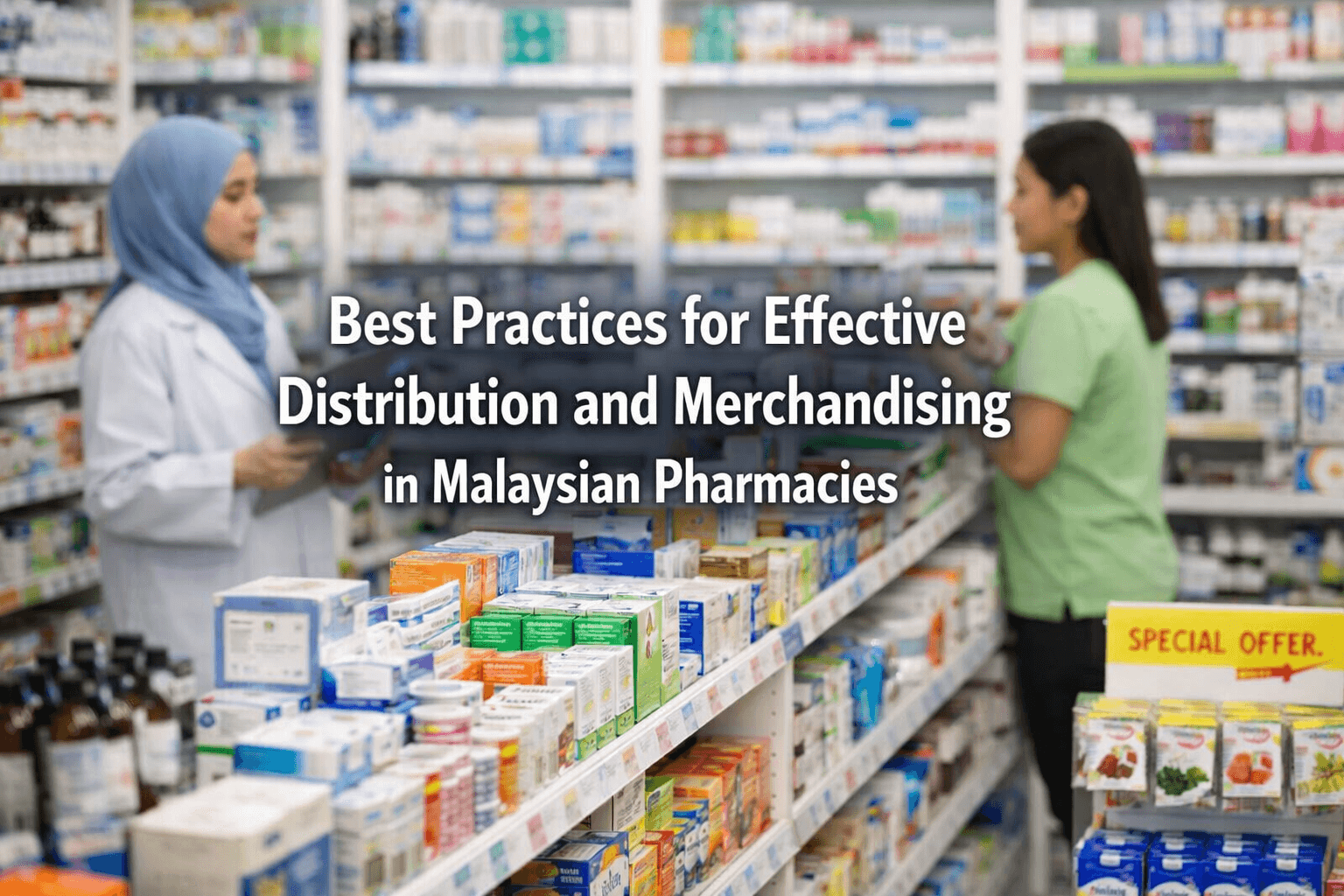
Getting the product to the pharmacy is only half the battle; the real art lies in getting it off the shelf and into the customer’s basket. In the visually cluttered environment of a modern pharmacy, effective merchandising and strategic product placement are the silent salespeople that drive category growth. It’s not enough for a wellness food or baby nutrition item to be in the store; it needs to be visible, accessible, and logically positioned to capture the consumer’s attention at the right moment. A new functional beverage might be a fantastic product, but if it’s hidden on the bottom shelf in the back corner, its sales potential remains untapped. The collaboration between pharmacy staff and distributors is crucial here, blending data with on-the-ground execution.
One of the most effective strategies is adjacent placement. For instance, placing baby nutrition products like cereals or purees directly next to infant formula creates a convenient one-stop-shop for parents. Similarly, positioning functional beverages near the pharmacy counter or adjacent to vitamin and supplement sections can trigger impulse buys from health-seekers. This is where the debate between in-house versus external merchandising teams comes into play. An in-house pharmacy team has deep knowledge of their regular customers but may lack the time for detailed category resets. Conversely, an external merchandising team provided by a distributor brings specialized expertise in a brand’s specific products and can ensure planograms are executed consistently. A strategic partnership—where the external team handles shelf resets and promotional displays, while the in-house staff focuses on customer consultation—often yields the best results.
Here is a simple comparison of these two approaches:
| Aspect | In-House Merchandising Team | External (Distributor-Provided) Merchandising Team |
|---|---|---|
| Product Knowledge | Broad, general store knowledge | Deep, specialized knowledge of specific brands/categories |
| Time Availability | Limited; shared with dispensing & customer service duties | Dedicated time for shelf optimization, restocking, and display setup |
| Relationship with Suppliers | Indirect; communicates via pharmacy management | Direct; acts as the supplier’s ambassador in-store |
| Primary Focus | Overall store appearance and customer flow | Maximizing visibility and sales of specific product lines |
| Cost to Pharmacy | Included in staff overhead | Typically covered by the distributor/supplier agreement |
Comparative Analysis of Top Wholesale Food Suppliers and Distributors
For pharmacy owners and managers navigating Malaysia’s competitive landscape, choosing the right wholesale partner is a decision that impacts everything from regulatory compliance to customer loyalty. Not all suppliers are created equal, and understanding the nuances of their strengths—particularly across different specialized categories—is essential for building a robust and profitable product mix. A “one-size-fits-all” approach to supplier selection can lead to gaps in availability, pricing inefficiencies, or even compliance risks. By conducting a comparative analysis, pharmacies can strategically align with distributors who are best equipped to meet their specific needs, whether that’s in baby nutrition, functional beverages, or wellness foods.
The following table offers a comparative snapshot of leading players in the Malaysian market, highlighting their core competencies and operational metrics. It’s designed to help decision-makers evaluate which supplier might be the most strategic fit for their pharmacy’s unique customer base and operational priorities.
| Supplier | Primary Product Category | Key Compliance Standards | Typical Delivery Lead Time (KL Valley) | Price Positioning | Unique Strength |
|---|---|---|---|---|---|
| Nestlé | Baby Nutrition, Wellness Foods | KKM, GMP, ISO 22000 | 2-3 Days | $$ (Mid-Premium) | Unparalleled brand trust and R&D in early childhood nutrition. |
| Abbott | Baby Nutrition, Medical Nutrition | KKM, GMP, FDA Standards | 1-2 Days | $$$ (Premium) | Strong clinical backing for specialized, science-based nutritional products. |
| Suntory | Functional Beverages | KKM, GMP, HACCP | 2-4 Days | $$ (Mid-Range) | Market leader in Asian-specific wellness beverages, strong brand recognition. |
| FrieslandCampina | Baby Nutrition, Dairy-based Wellness | KKM, GMP, ISO 9001 | 2-3 Days | $$ (Mid-Range) | Deep heritage in dairy, trusted for quality and nutritional value in family nutrition. |
As the table illustrates, a pharmacy focusing heavily on premium, clinically-proven baby nutrition might prioritize Abbott for its rapid delivery and specialized portfolio, while another aiming to capture the health-conscious millennial crowd might lean on Suntory for its innovative functional drinks. The most efficient pharmacies often work with a primary distributor who can manage a broad base of wellness foods, supplemented by specialized partners for niche, high-demand categories. This layered approach ensures a steady flow of the right products without overcomplicating the supply chain.
Navigating the Future of Wholesale Food Supply in Malaysian Pharmacies
Looking ahead, the trajectory for wholesale food supply within Malaysia’s pharmacy sector points unmistakably toward greater specialization and deeper integration. The demand for high-quality, targeted products—from scientifically formulated baby nutrition to lifestyle-oriented functional beverages—is not a passing trend but a fundamental evolution in how Malaysians approach their health. Pharmacies are no longer just places to pick up a prescription; they are becoming trusted hubs for proactive wellness. For distributors, this shift demands a move beyond simple logistics. The future belongs to those who can offer a complete package: regulatory expertise, cold chain reliability, data-driven merchandising support, and a portfolio of proven, high-demand brands.
As technology continues to advance, pharmacies will be even better equipped to manage this complexity. Imagine a system where inventory levels are automatically synced with a distributor’s warehouse, where predictive analytics prevent stockouts before they happen, and where digital planograms ensure optimal shelf placement across dozens of outlets. This is the emerging reality. By forging strong, collaborative partnerships with wholesale suppliers who prioritize these capabilities, pharmacies can navigate future challenges with confidence. They can ensure that every product on their shelf—whether a can of infant formula or a bottle of vitamin water—meets the highest standards of safety and quality that the Malaysian market expects. Ultimately, the goal is a seamless ecosystem where the supply chain is invisible, product quality is unquestionable, and customer health is always the primary focus.
Frequently Asked Questions (FAQ)
Q1: Who is the largest wholesale food distributor?
The largest wholesale food distributor in the world is Sysco, which operates in many countries and supplies a wide range of food products to businesses like restaurants, schools, and healthcare facilities.
Q2: What is an example of a wholesaler in Malaysia?
An example of a wholesaler in Malaysia is Ramly, which is a well-known food supplier providing various food products to retail businesses, restaurants, and supermarkets.
Q3: What is a wholesale food market?
A wholesale food market is a platform or facility where food products are sold in bulk to retailers, restaurants, and other businesses. These markets typically offer a wide variety of fresh produce, packaged goods, and other food products at discounted prices.
Q4: What is the most popular food in Malaysia?
The most popular food in Malaysia includes dishes like Nasi Lemak, Char Kway Teow, Satay, and Roti Canai, which are staples in local cuisine.
Q5: Who is the number one wholesaler?
The number one wholesaler globally is Sysco, which supplies food products to a wide range of industries, including restaurants, healthcare, and education.
Q6: How to find a food distributor for your product?
To find a food distributor for your product, research online, attend industry trade shows, connect with local wholesale food markets, and network with other food businesses. You can also contact food associations or use online platforms that connect suppliers with distributors.
Q7: Who is the biggest food retailer?
Walmart is the biggest food retailer globally, followed by companies like Costco, Tesco, and Carrefour, which are significant players in food retail.
Q8: Who is a food wholesaler?
A food wholesaler is a company or individual who buys food products in bulk directly from manufacturers and sells them to retailers, foodservice providers, and other businesses.
Q9: Which food company is the biggest?
Nestlé is one of the biggest food companies globally, with a broad portfolio of food and beverage products sold worldwide.
Q10: Who is a food distributor?
A food distributor is a business or individual that purchases food products from manufacturers and suppliers, and distributes them to retailers, restaurants, and other businesses in the food industry.
Ready to elevate your pharmacy’s product offering with a reliable, compliant, and efficient supply chain? Partner with PriooCare Malaysia for tailored distribution solutions, expert merchandising support, and strategic collaboration. Let’s work together to meet the growing demand for premium healthcare and wellness products across Malaysia. Contact our team today to discuss how we can support your pharmacy’s success.
How can we assist you today? 😊
Just let us know—we’re here to help!