Learn more: National Pharmaceutical Regulatory Agency (NPRA)


The Malaysian healthcare supply chain is a complex and highly regulated ecosystem, and at its very core lies the wholesale pharmacy sector. This industry is far more than a simple middleman operation; it is the critical link ensuring that life-saving medications, vaccines, and health supplements transition seamlessly from manufacturers to the patients who need them. The success of this entire chain hinges on the capabilities of distributors, both independent and large-scale, who manage intricate logistics, preserve stringent product integrity, and guarantee safe, timely delivery to retail pharmacies, hospitals, and clinics nationwide. A robust wholesale network doesn’t just move boxes; it safeguards public health by ensuring that every pharmaceutical product reaching the counter is authentic, effective, and safe for consumption. To truly appreciate this dynamic, one must understand the specific functions, challenges, and responsibilities shouldered by these essential supply chain partners.
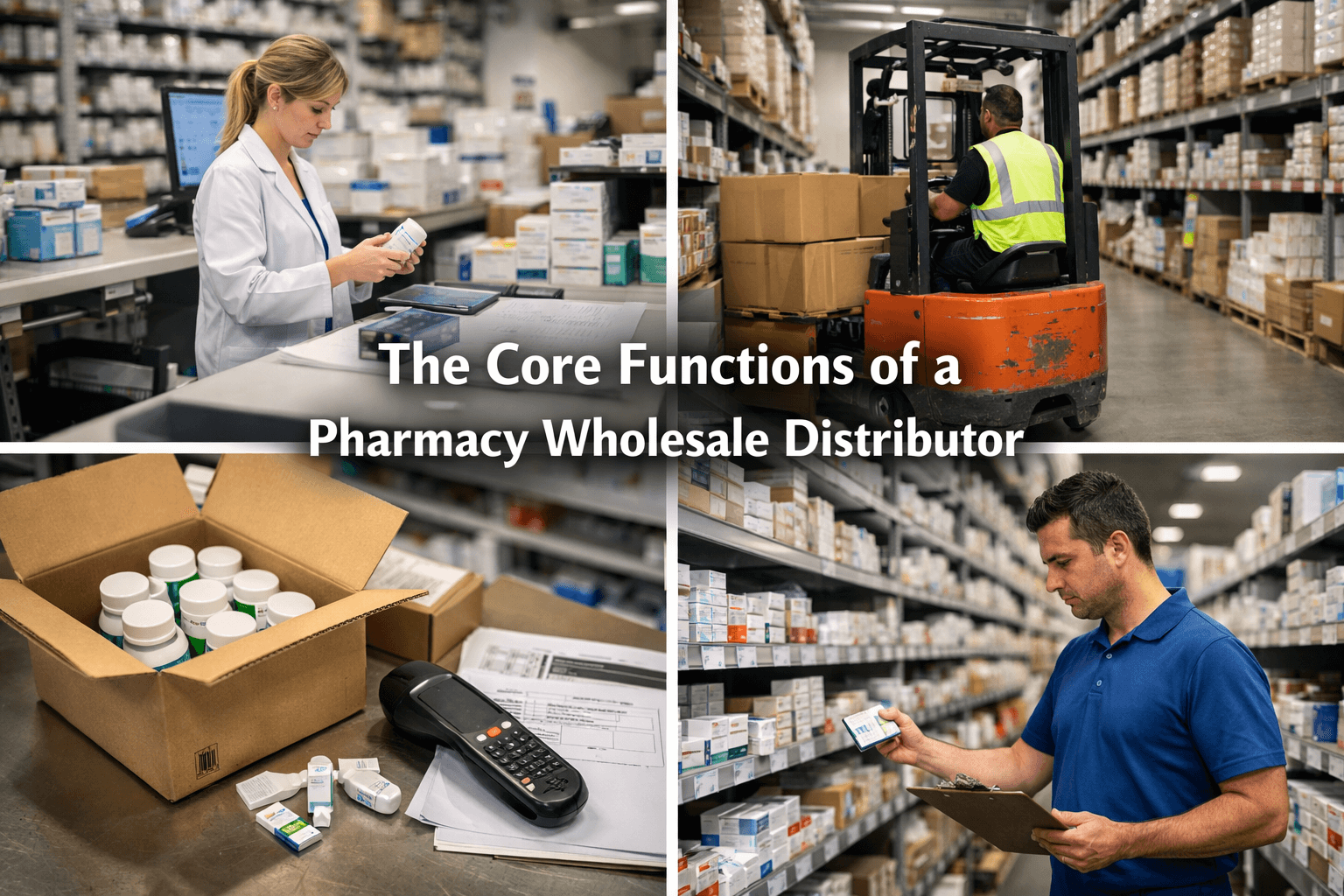
What exactly is the role of pharmacy wholesale distributors in Malaysia? They function as the operational and logistical engine of the pharmaceutical market. Their primary responsibility is acting as an intermediary, sourcing products from local and international manufacturers and distributing them efficiently to a diverse network of retail pharmacies, private and government hospitals, and specialized clinics. This role, however, extends well beyond simple transport. A reliable distributor is a strategic asset, providing value through several key functions.
Procurement and Inventory Management is a delicate balancing act. Distributors must forecast market demand with high accuracy to prevent both stock-outs, which can deprive patients of essential medication, and overstocking, which leads to financial waste and potential product expiry. This requires expert negotiation skills and deep, trusted relationships with a wide array of manufacturers, from global pharmaceutical giants to local producers. For a community pharmacy in Penang, a distributor’s ability to provide a consistent supply of both popular analgesics and niche, prescription-only medications is what allows them to serve their customers effectively.
Regulatory Compliance is a non-negotiable pillar of their operation. Distributors are the first line of defense against counterfeit or substandard products entering the market. They act as a verification checkpoint, ensuring that every item they handle is registered with Malaysia’s National Pharmaceutical Regulatory Agency (NPRA) and carries the requisite MAL or NOT numbers. This proven diligence protects the entire supply chain from legal repercussions and, more importantly, shields patients from potential harm. A single lapse in compliance can trigger a cascade of issues, leading to product recalls, damaged reputations, and severe penalties from the Ministry of Health Malaysia (KKM) .
Finally, the Distribution and Logistics function requires sophisticated, efficient systems. It’s not just about having a fleet of trucks; it’s about having a strategic network of warehouses and a robust tracking infrastructure. Distributors must manage complex delivery schedules, optimize routes for efficiency, and maintain real-time visibility of products in transit. For example, a distributor serving remote pharmacies in Sabah and Sarawak must overcome geographical challenges to ensure that medications arrive on time and in perfect condition, often coordinating multi-modal transport involving trucks, ferries, and even small aircraft.
Learn more: The Role of Distributor Pharmacies in Healthcare Supply Chains | NPRA Product Registration Guideline
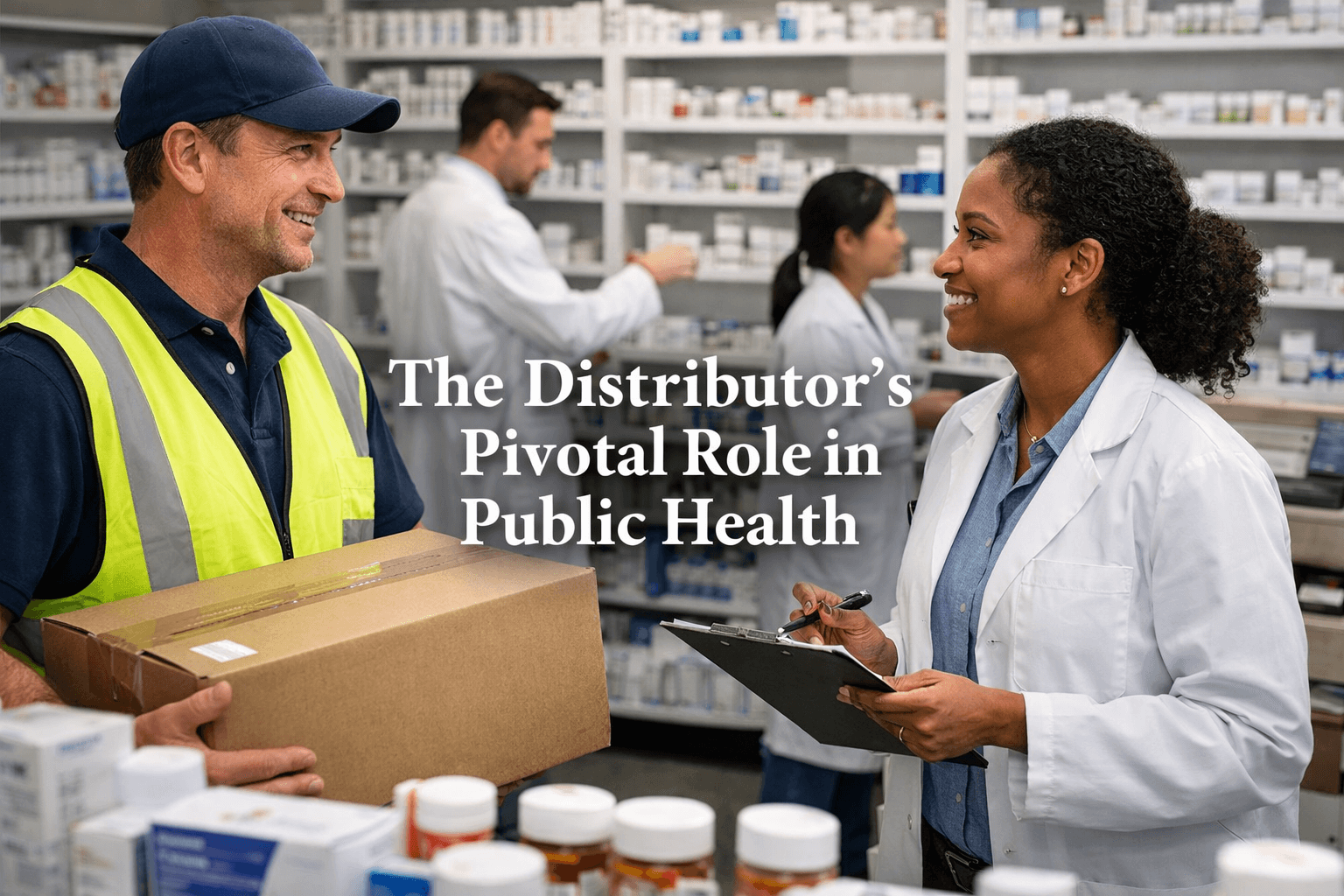
Beyond logistics and paperwork, the impact of a trusted pharmacy distributor is felt directly at the patient level. By ensuring a consistent and reliable flow of pharmaceuticals, they prevent treatment interruptions. A patient managing a chronic condition like diabetes or hypertension relies on the uninterrupted availability of their medication; a breakdown in the wholesale supply chain can have serious health consequences. Furthermore, distributors are key to market access for new, innovative drugs. When a new treatment is approved by the NPRA, it is the distributor’s network and reach that determines how quickly it becomes available to patients across the country, from urban Kuala Lumpur to rural Kelantan. They essentially bridge the gap between regulatory approval and real-world patient access, a role that underscores their importance in the national healthcare framework.
Learn more: Top 10 Pharmaceutical Companies in Malaysia
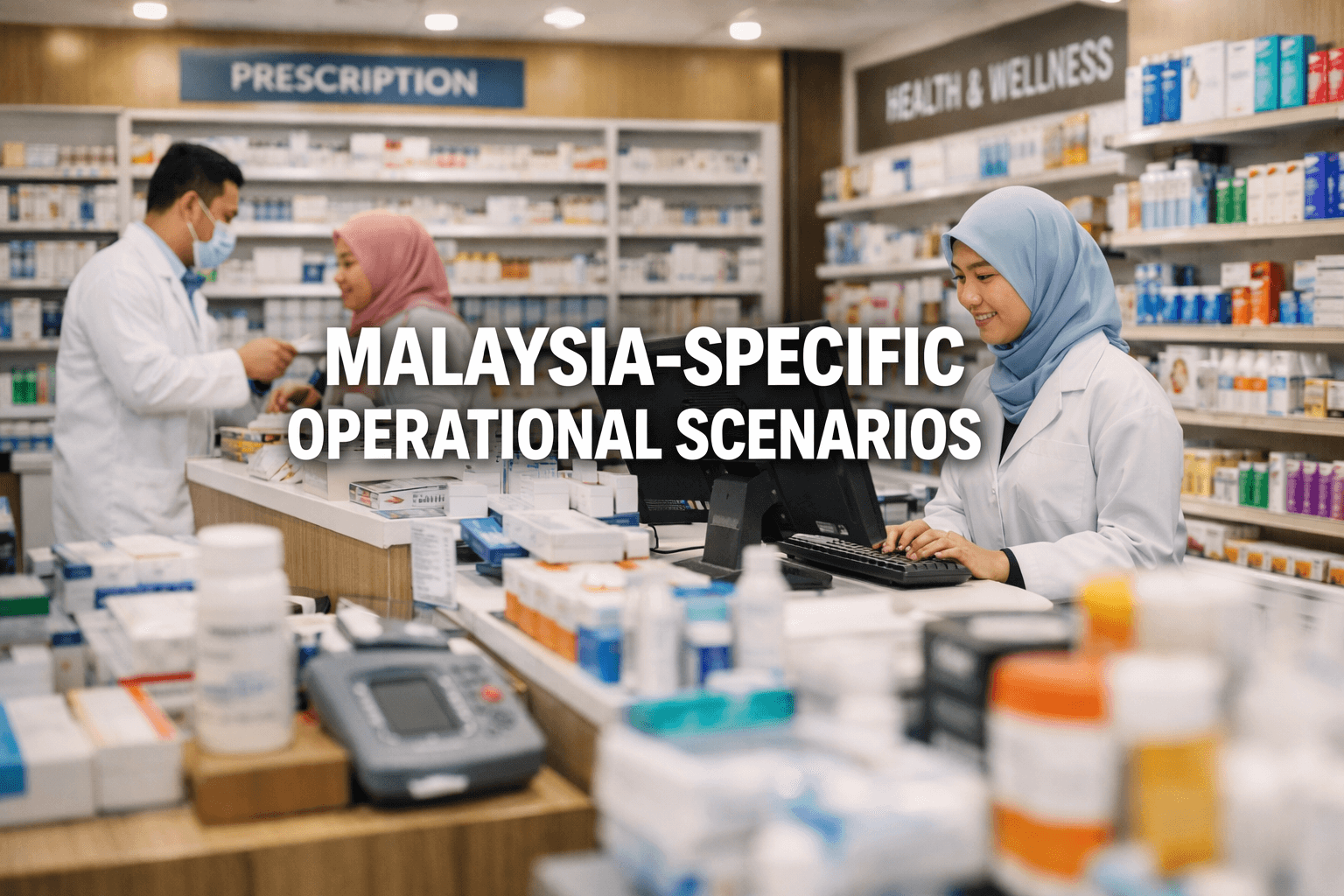
The Malaysian market presents unique operational demands for distributors. One clear example is managing the supply chain for traditional health supplements, a massive category in Malaysia. These products, while popular, must still adhere to NPRA guidelines. Distributors must navigate the specific storage and handling requirements for these diverse formulations, ensuring they are not contaminated by other pharmaceutical products and that their efficacy is maintained throughout the distribution process.
Another scenario involves supporting franchise pharmacy chains like Alpro Pharmacy or Caring Pharmacy. These chains demand a high level of service consistency across all their outlets. A distributor must be able to coordinate deliveries to dozens, if not hundreds, of locations, often with specific store-level requirements. Some outlets might need larger stocks of fast-moving consumer goods (FMCG) like vitamins, while others, located near medical clinics, require a higher volume of prescription drugs. The distributor’s ability to tailor its delivery schedules and inventory mix to these specific needs is a mark of an effective and valued partner.
A Comparative View of Distribution Models
To better understand the landscape, it’s helpful to compare the two primary models of pharmaceutical distribution operating in Malaysia. This comparison highlights the trade-offs and strategic choices available to pharmacies and manufacturers.
| Feature | Large-Scale National Distributor | Independent / Niche Distributor |
|---|---|---|
| Geographic Reach | Nationwide coverage, including East Malaysia. Strong logistics for remote areas. | Focused on specific regions (e.g., Klang Valley, Penang) or states. |
| Product Portfolio | Wide-ranging, from high-volume generics to patented drugs and FMCG health products. | Specialized in specific therapeutic areas (e.g., oncology, rare diseases) or product types (e.g., traditional remedies). |
| Service Model | Standardized, high-efficiency model with fixed delivery schedules. | Highly personalized service, often with more flexible order quantities and delivery windows. |
| Manufacturer Relations | Strategic partnerships with major multinational corporations (MNCs) and large local manufacturers. | Deep, expert relationships with smaller, specialized manufacturers or exclusive rights for certain niche brands. |
| Key Strength | Unmatched scale, efficiency, and ability to service high-volume accounts like government hospitals. | Agility, deep category knowledge, and personalized support for specialty pharmacies. |
This table illustrates that there is no one-size-fits-all solution. A small, independent pharmacy focusing on compounding and niche patient groups might find more value in an expert niche distributor, while a large chain pharmacy competing on volume and accessibility will naturally gravitate towards the efficiency of a national player. The coexistence of both models creates a resilient and comprehensive supply ecosystem.
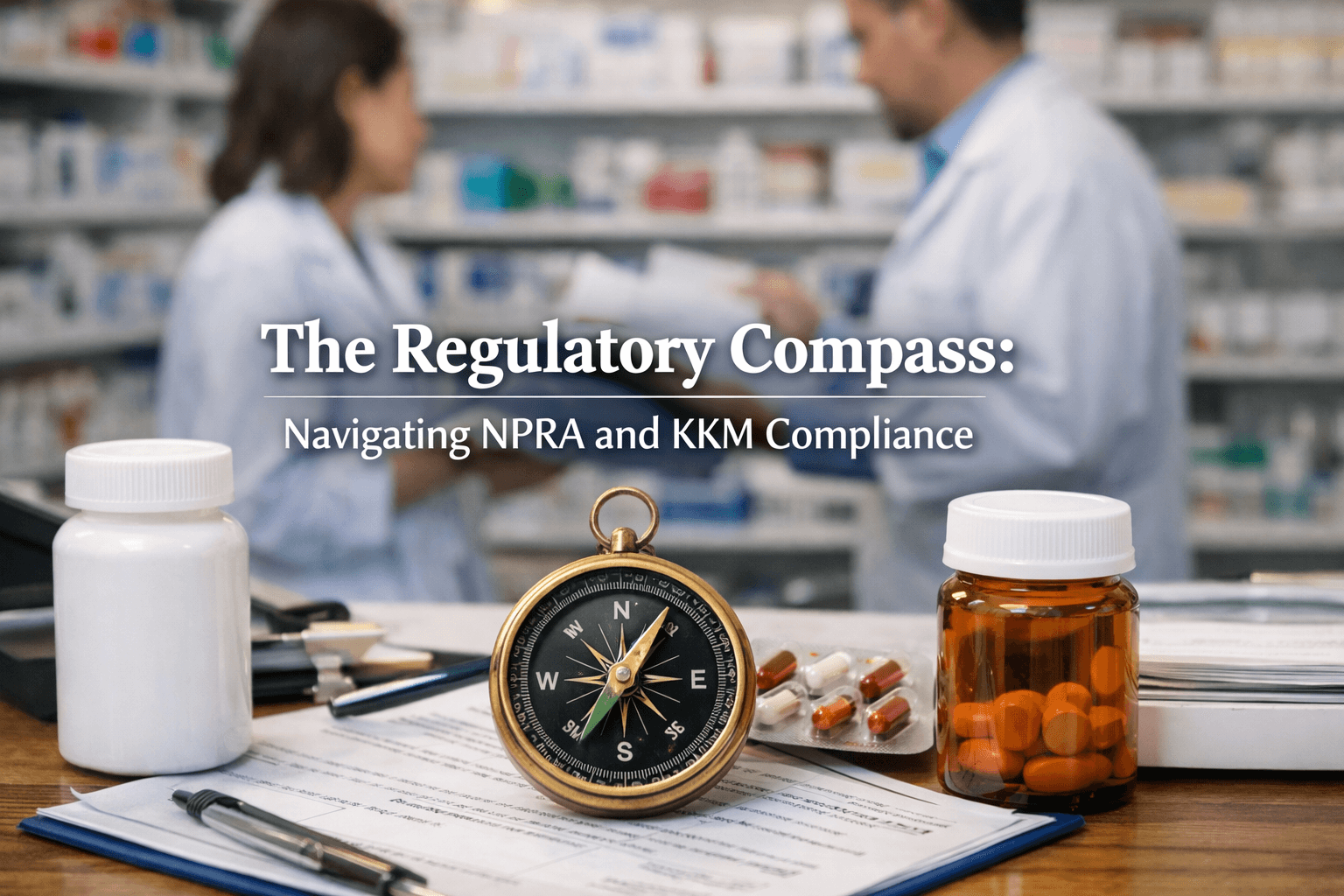
How does the regulatory framework shape the pharmaceutical distribution process? In Malaysia, the answer is: profoundly and comprehensively. The National Pharmaceutical Regulatory Agency (NPRA) , operating under the purview of the Ministry of Health Malaysia (KKM) , establishes and enforces the rules that govern every facet of drug distribution. This framework is designed with the singular goal of safeguarding public health by maintaining the safety, quality, and efficacy of pharmaceutical products from the point of manufacture to the point of dispensing. For wholesale distributors, compliance is not merely a box-ticking exercise; it is the foundational requirement for operating legally and ethically.
The core of this regulatory oversight begins with Licensing and Registration. All entities involved in the wholesale distribution of pharmaceuticals must obtain the appropriate licenses from NPRA and KKM. This is a rigorous process designed to vet potential distributors and ensure they have the infrastructure, standard operating procedures, and qualified personnel necessary to handle pharmaceutical products responsibly. Operating without these licenses is a serious offense, leading to business closure and legal action.
A critical daily task for any compliant distributor is Product Verification. Before a product ever enters their warehouse, the distributor must verify that it is a registered pharmaceutical product with the NPRA. This is confirmed by the presence of a MAL (Malaysia) number for prescription and certain over-the-counter (OTC) drugs, or a NOT (Traditional Product) number for health supplements and traditional medicines. This verification process is a crucial filter that prevents unapproved, counterfeit, or substandard goods from entering the legitimate supply chain. A distributor’s warehouse is essentially a controlled gateway, and only products with the correct “key”—the MAL or NOT number—are allowed to pass through.
Furthermore, the regulatory bodies mandate Periodic Audits to ensure ongoing compliance. These are not superficial checks; they are in-depth inspections of a distributor’s facilities, processes, and documentation. Auditors from NPRA or KKM will scrutinize storage conditions, examine temperature logs, review transportation protocols, and verify staff training records. These audits ensure that standards are not just met on paper but are actively practiced every day. For example, an auditor might review the documentation for a batch of insulin, tracing its journey from the manufacturer, through the distributor’s cold storage, and finally to its delivery to a hospital pharmacy, verifying that the cold chain was never compromised at any point.
Maintaining unwavering compliance with NPRA and KKM regulations is the bedrock upon which trust in the pharmacy distribution service in Malaysia is built. Distributors who consistently meet and exceed these standards become the preferred partners for manufacturers who want to protect their brand reputation and for pharmacies who want to guarantee the authenticity of their stock. Conversely, distributors who cut corners or fail to keep pace with evolving regulations face severe consequences: hefty financial penalties, suspension or revocation of their license, and irreparable damage to their business reputation. In an industry built on trust, compliance is the ultimate currency. A compliance failure isn’t just a business setback; it’s a potential public health crisis waiting to happen. This is why the most successful distributors invest heavily in compliance infrastructure, viewing it not as a cost of doing business, but as a strategic advantage. They build their entire operational model around regulatory requirements, creating a system that is both efficient and inherently safe.
From the perspective of a pharmacist, dealing with a GDP and NPRA-compliant distributor provides immense peace of mind. They can confidently dispense medication, knowing that the product’s integrity has been maintained throughout its journey. For a brand manager at a pharmaceutical company, partnering with a fully compliant distributor is essential for protecting their product’s market authorization and brand equity. It ensures that their products are handled correctly, stored properly, and reach their intended market without compromise, thus upholding the company’s reputation for quality and safety.
Learn more: World Health Organization (WHO)
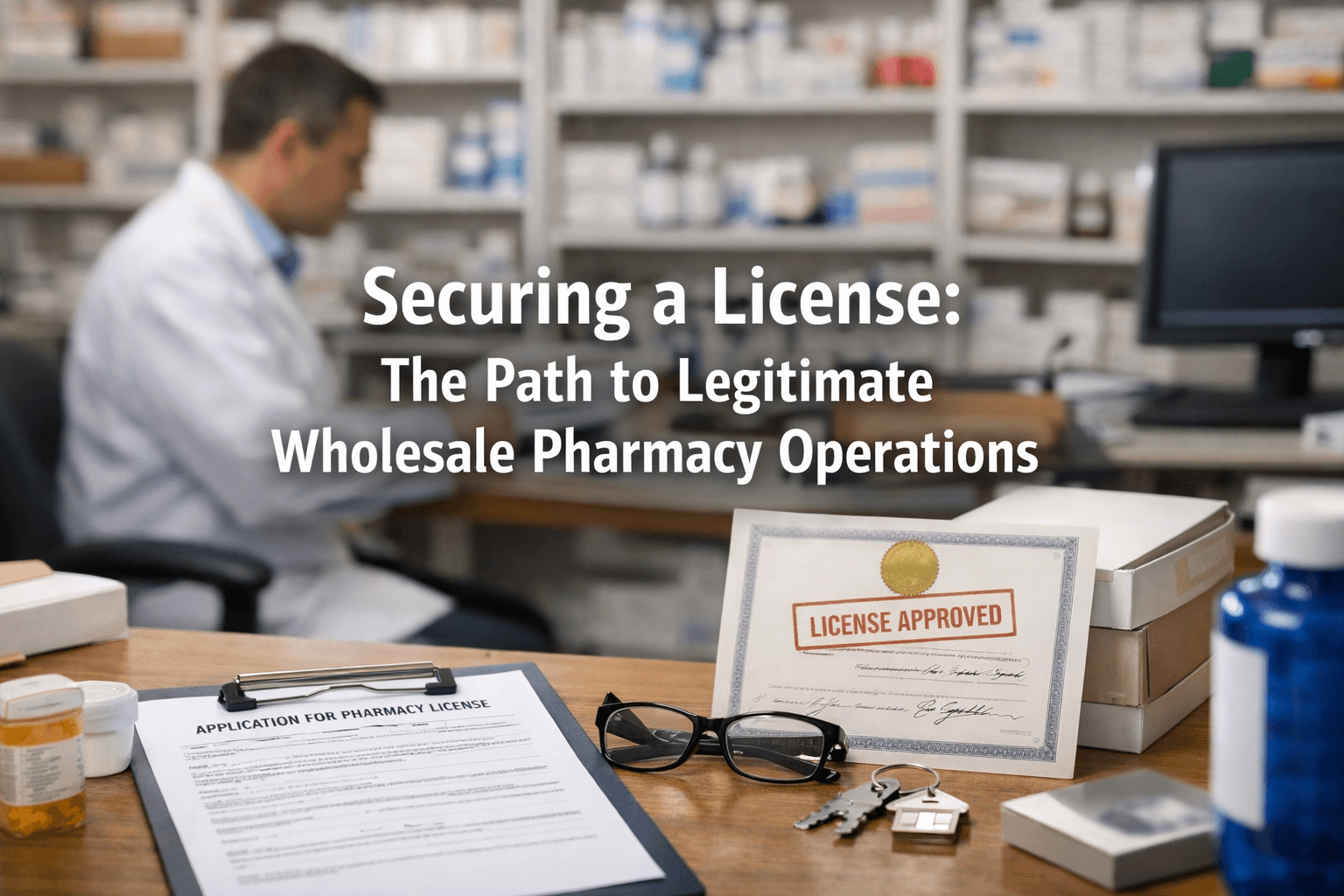
What steps should pharmacy distributors take to become licensed in Malaysia? The journey to obtaining a wholesale pharmacy license is a detailed and multi-stage procedure, demanding thorough preparation and a deep commitment to regulatory standards. It is a process designed to ensure that only capable and responsible entities are entrusted with the critical task of pharmaceutical distribution. For any aspiring distributor, understanding this pathway is the first and most crucial step toward establishing a legitimate and successful business.
The process formally begins with Application Submission to the NPRA. This is not a simple form-filling exercise. It requires compiling a comprehensive dossier of business documentation. This includes details of the company’s directors and shareholders, proof of a registered business address, and crucially, detailed plans of the proposed warehouse facility. The application must demonstrate that the facility meets stringent requirements for space, security, and environmental control. For instance, an applicant must provide evidence that their warehouse has separate, secure areas for receiving, storing, and dispatching goods, as well as a dedicated quarantine area for products awaiting verification or those that are suspected to be compromised.
Once submitted, the application undergoes a rigorous Verification of Compliance. This is where the NPRA assesses whether the applicant’s proposed operations align with their regulatory standards. A critical part of this stage is often a physical inspection of the premises. Inspectors will verify the warehouse’s conditions firsthand. They will check for proper temperature and humidity controls, adequate shelving and pallet racking to keep products off the floor, and robust security measures to prevent theft or tampering. They will also review the applicant’s proposed Standard Operating Procedures (SOPs) for handling returns, managing recalls, and maintaining product documentation. This stage is designed to identify any gaps in the applicant’s preparedness before a license is granted. An example of a practical challenge at this stage could be a distributor in Johor Bahru needing to demonstrate how their proximity to the Singapore border necessitates enhanced security protocols to manage the potential for parallel importation or diversion of goods, a specific concern for regulators in that region.
Upon successful verification, the applicant receives Licensing Approval in the form of a Good Distribution Practice (GDP) License. This official authorization grants them the legal right to distribute pharmaceutical products within Malaysia. The GDP license is a mark of approval, signaling to the entire market—manufacturers, pharmacies, and hospitals—that this distributor operates at the highest standards of quality and compliance. However, obtaining the license is not the final step; it is the beginning of an ongoing commitment.
The final, continuous stage is Renewal and Ongoing Compliance. A wholesale pharmacy license is not perpetual. It must be renewed periodically, typically on an annual or biennial basis. The renewal process requires distributors to submit updated documentation and demonstrate that they have maintained, and even improved, their compliance standards. They may be subject to further surprise audits or inspections to ensure that the high standards set during the initial licensing have not slipped. This continuous cycle of renewal and re-verification ensures that only distributors who are consistently reliable and compliant are allowed to remain in the market. It is a proven system that effectively raises the bar for the entire industry, constantly weeding out operators who fail to maintain the necessary standards. This meticulous licensing process is the primary mechanism by which Malaysia safeguards the integrity of its pharmacy supply chain, ensuring that the public’s health is protected by a network of qualified and accountable professionals.
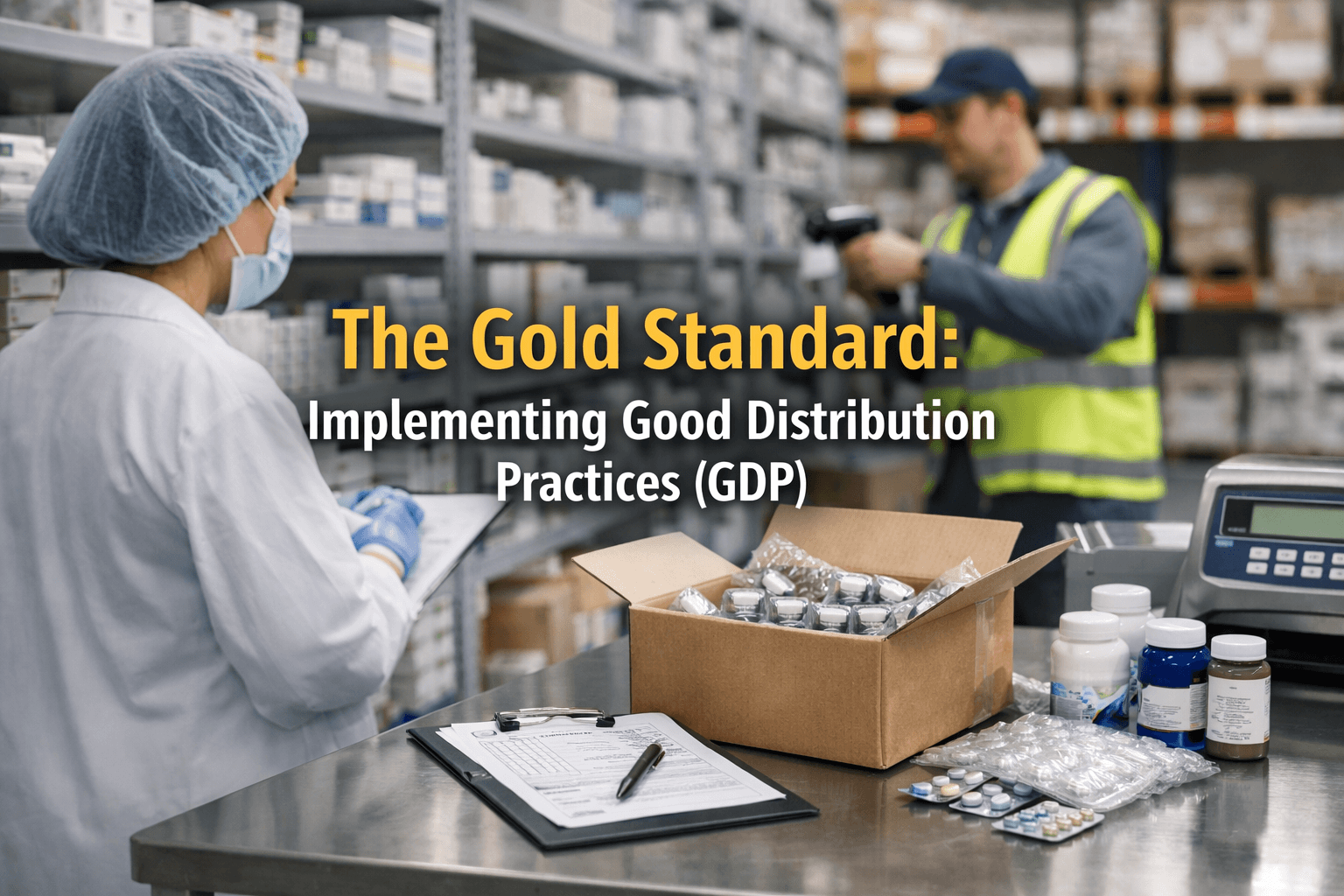
Why are Good Distribution Practices essential in pharmaceutical distribution? Good Distribution Practices are not merely a set of recommendations; they are the internationally recognized quality assurance standard for the pharmaceutical supply chain. In Malaysia, adherence to GDP is a mandatory requirement for licensed wholesalers, enforced by the NPRA. These practices are designed to ensure that pharmaceutical products maintain their complete integrity—their identity, strength, quality, and purity—throughout the entire journey from the manufacturer’s loading dock to the pharmacy’s receiving bay. Without strict GDP compliance, the efficacy and safety of medications can be compromised, potentially rendering them ineffective or even harmful to patients.
The first key element of GDP compliance is Storage and Handling. Pharmaceuticals are sensitive products. Many require storage within specific temperature ranges, often between 15°C and 25°C, while others, like vaccines and certain biologics, demand strict cold chain conditions between 2°C and 8°C. A GDP-compliant distributor must have warehouses equipped with climate control systems that can maintain these conditions consistently, regardless of Malaysia’s tropical climate. This includes having temperature monitoring devices with automated alarms that alert staff immediately if a temperature deviation occurs. It also means implementing a First-Expiry, First-Out (FEFO) inventory system to ensure that products with the shortest shelf life are distributed first, minimizing the risk of dispensing expired medication. A failure in storage, such as a prolonged power outage in a warehouse during a heatwave, could ruin an entire stock of life-saving insulin, a scenario with dire consequences for diabetic patients relying on that supply.
The second critical element is Transportation. The integrity established in a controlled warehouse must be maintained throughout the delivery process. This requires using vehicles that are specifically equipped to preserve the necessary environmental conditions. For standard medications, this might mean an air-conditioned, enclosed van. For cold-chain products, it requires specialized refrigerated vehicles (reefers) or validated cool boxes with sufficient quantities of pre-conditioned gel packs. Distributors must also conduct rigorous route planning and risk assessment. For instance, delivering to a pharmacy in the highlands of Cameron Plateau presents different challenges than a delivery in the congested streets of Georgetown. Transport routes must be planned to avoid excessive delays, and contingency plans must be in place for vehicle breakdowns to ensure the product’s safety. Imagine a delivery of vaccines destined for a public health clinic in Kuching getting stuck in a traffic jam for hours; without a properly validated cool box, the entire shipment could be compromised and must be discarded, leading to vaccine shortages and wasted public funds.
The third, often underestimated, element is Documentation. A fundamental GDP principle is that “if it isn’t documented, it didn’t happen.” Distributors must maintain meticulous records for every transaction and process. This includes detailed logs of temperature conditions in storage areas, maintenance records for refrigeration units, delivery notes with time-stamped proof of delivery, and records of any deviations from standard procedures. This comprehensive documentation trail provides verifiable proof of compliance. In the event of a product complaint or a recall, this documentation is invaluable. It allows the distributor and the manufacturer to trace the affected batch’s entire journey, identify precisely which pharmacies received it, and quickly remove it from the market, thereby containing the issue and protecting patients. This traceability is a cornerstone of a safe and reliable supply chain. GDP-certified distributors are not just logistics providers; they are the custodians of product quality, playing a pivotal role in ensuring that every medicine that reaches a Malaysian patient is exactly what the doctor prescribed—safe, effective, and potent.
Learn more: Gartner
How do distributors manage temperature-sensitive products like vaccines and biologics? The answer lies in a meticulously executed, end-to-end cold chain—a system where every link, from the warehouse to the pharmacy fridge, is fortified against failure.
Cold chain management is arguably the most critical battleground in pharmaceutical distribution, especially for temperature-sensitive products such as vaccines, biologics, insulin, and even certain high-end health supplements. Maintaining the correct temperature throughout the supply chain isn’t just a quality metric; it’s a matter of patient safety and product efficacy. A single break in this chain can lead to product spoilage, denatured active ingredients, or a complete loss of therapeutic value, resulting in significant financial loss and potential health risks.
The Unique Challenges in a Tropical Climate
Managing temperature consistency across long distances is a formidable task, and this challenge is amplified in Malaysia’s tropical climate. The ambient heat and humidity create a high-stress environment for temperature-controlled logistics. Distributors face a constant battle against temperature fluctuations that can occur during warehouse transfers, at loading docks, or inside delivery vehicles stopped in traffic. A vehicle’s refrigeration unit might be functioning perfectly, but frequent door openings in a humid environment can cause rapid temperature shifts. Compliance and monitoring are therefore not passive activities; they require robust, real-time systems. Distributors must implement stringent temperature monitoring systems and ensure that their cold storage and transportation units are compliant with the stringent Good Distribution Practice (GDP) standards set by authorities like the National Pharmaceutical Regulatory Agency (NPRA) .
Best Practices for Maintaining Cold Chain Integrity
To navigate these hurdles, leading distributors deploy a multi-layered strategy. First and foremost is the use of dedicated temperature-controlled vehicles. These aren’t just refrigerated trucks; they are sophisticated transport units with validated temperature mapping to ensure there are no hot or cold spots inside the cargo area. Pre-cooling the vehicle before loading is a non-negotiable step.
Beyond the vehicle itself, the use of advanced monitoring devices is essential. Real-time data loggers and IoT-enabled sensors now allow distributors to track the conditions of the products from the moment they leave the warehouse until they are handed over to the pharmacy staff. These devices provide continuous visibility, sending instant alerts if temperatures drift outside the predefined range, enabling immediate corrective action—such as rerouting a delivery or preparing a replacement batch.
Finally, a culture of regular audits and meticulous reporting forms the backbone of compliance. This involves routine calibration of sensors, validation of storage facilities, and thorough documentation of every journey. For distributors, maintaining cold chain integrity is not only a regulatory requirement but also an essential component of offering efficient, reliable services in the pharmaceutical supply chain of Malaysia. A distributor that can guarantee the integrity of a life-saving vaccine from its warehouse to a clinic in Penang or Kuching builds an unshakeable trust with its partners.
What strategies can distributors use to efficiently handle OTC and supplement distribution? It requires a blend of regulatory rigor and retail savvy.
Over-the-counter (OTC) products and health supplements represent a vibrant and rapidly expanding portion of the pharmacy distribution market in Malaysia. However, the distribution of these products requires a fundamentally different approach compared to prescription medications. While the health risks might be lower, the market dynamics are faster, the competition is fiercer, and the regulatory landscape, though distinct, is no less demanding.
Navigating the Regulatory Framework
Before any OTC product or supplement can reach a pharmacy shelf, it must clear the necessary regulatory hurdles. Like prescription medications, OTC products must be registered with the NPRA, ensuring they meet safety and efficacy standards before they can be distributed. For health supplements, this involves a rigorous evaluation of ingredients, manufacturing processes, and labeling claims. Furthermore, labeling and marketing compliance is a major focus area. Products must adhere to strict regulations that ensure accurate product information, clear usage instructions, and a ban on unsubstantiated health claims. A distributor’s role here is to act as a gatekeeper, ensuring that only fully compliant products enter their supply chain, thus protecting their pharmacy partners from potential regulatory action.
Strategic Execution at the Retail Level
Once compliance is assured, the focus shifts to effective market execution. Efficient inventory management systems are crucial for OTC products due to their high turnover rate and seasonal demand. For instance, vitamin C and immune-boosting supplements might see a surge during the monsoon season, while antacids could be in higher demand during festive periods. A data-driven approach to forecasting and stock rotation is essential to prevent both stockouts and overstocking of perishable goods.
Moreover, building strong retail partnerships goes beyond simply taking orders. It involves helping pharmacies optimize their shelf space. An expert distributor provides insights into which products are moving, suggests optimal product assortments, and ensures effective placement of promotional displays. They work collaboratively with pharmacy owners to run in-store promotions that drive traffic. For example, a distributor might suggest a cross-promotional display for a new pain relief gel next to popular muscle rubs. This kind of tailored support transforms a transactional relationship into a strategic partnership. Establishing a strategic, compliant, and reliable distribution network for OTC products is therefore not just about logistics; it’s about acting as a growth partner for retail pharmacies, helping them capture the full potential of this dynamic market segment.
Why should manufacturers consider working with independent pharmacy distributors in Malaysia? Because sometimes, the most effective solution is not the biggest, but the most tailored.
In a market often dominated by large logistics corporations, independent pharmacy distributors offer a compelling alternative, bringing flexibility and specialized services that are particularly valuable for smaller or niche products. These agile distributors often work more closely with manufacturers, ensuring customized solutions that may be overlooked by larger players focused on high-volume, mainstream products.
The Agility Advantage
The primary advantage of independent distributors lies in their specialized knowledge and personalized service. They often have deep expertise in specific therapeutic categories, such as traditional Chinese medicine, dermatological creams, or niche sports supplements. This specialized knowledge can be crucial for handling unique products that require specific storage conditions or targeted marketing to a particular patient demographic. For businesses looking to test new products or enter the market with limited quantities, independent distributors offer tailored services and the flexibility to scale up gradually without being locked into rigid, high-volume contracts.
The Scaling Challenge
However, this agility comes with its own set of hurdles. Compliance with regulations can become increasingly complex as smaller distributors scale their operations. Keeping up with the latest NPRA guidelines, managing product registration renewals, and ensuring all documentation is flawless requires significant administrative overhead. Furthermore, supply chain management on a larger scale presents a challenge. Maintaining a reliable supply chain while keeping costs competitive—especially in areas like cold chain logistics across Peninsular and East Malaysia—requires significant investment in infrastructure and technology. A small distributor might excel at servicing pharmacies in the Klang Valley but struggle to provide the same level of service to a pharmacy in Kota Kinabalu with the same cost-efficiency.
Despite these challenges, independent distributors offer significant advantages in terms of flexibility and tailored solutions. For a manufacturer launching a new, specialized dermatological cream, partnering with an independent distributor who has established relationships with key dermatologists and clinics can be a more strategic move than going through a generalist giant. They offer a level of care and commitment that is often the difference between a product getting lost in a warehouse and it being actively detailed to pharmacists.
What strategies can wholesalers employ to build effective relationships with retail pharmacies? It’s about moving from being a supplier to being a trusted business advisor.
Wholesale pharmacy distributors must establish strong, symbiotic relationships with retail pharmacies to ensure that their products are not just stocked, but actively recommended and sold. These effective distributor-retailer partnerships are not built on transactional exchanges, but on a foundation of trust, open communication, and genuinely shared goals.
Beyond the Transaction: Becoming a Partner
Building strong partnerships begins with a deep understanding of retail needs. Distributors must take the time to understand the specific needs of their pharmacy partners. What are their core customer demographics? What are their biggest inventory challenges? A distributor who asks these questions and listens carefully can then offer tailored solutions that align with the retailer’s goals. For a pharmacy in a busy medical hub, this might mean ensuring rapid replenishment of chronic disease medications. For a neighborhood pharmacy, it could be providing a curated selection of pediatric supplements and vitamins.
Adding Value Through Merchandising and Insights
Merchandising support is another powerful tool in a distributor’s arsenal. Distributors can support retailers by providing effective merchandising strategies, including attractive point-of-sale displays, educational brochures, and promotional materials. A well-designed display for a new joint supplement can significantly boost impulse purchases. Furthermore, a proactive distributor shares market intelligence. They might provide a pharmacy owner with data showing a rising trend in demand for a particular category of health supplements, enabling the pharmacy to adjust its purchasing decisions accordingly.
By fostering these deep, value-added partnerships, distributors can ensure long-term success in the highly competitive Malaysian pharmacy market. It is a relationship where the distributor’s success is directly tied to the success of the pharmacy, creating a powerful incentive for both parties to collaborate and innovate. This is the hallmark of a truly reliable supply chain partner.
What trends are shaping the future of pharmaceutical distribution in Malaysia? The industry is on the cusp of a digital-driven revolution.
The pharmaceutical distribution industry in Malaysia is not static; it is evolving rapidly, with new technologies and strategic models emerging that promise to revolutionize the sector. These trends, from digital transformation to data-driven solutions, are reshaping how distributors operate and deliver value.
The Digital Pulse of Modern Distribution
Foremost among these trends is the rise of e-commerce and digital transformation. The proliferation of e-commerce platforms has opened up new distribution channels for pharmacy wholesalers. It’s no longer just about business-to-business (B2B) sales to physical pharmacies. Distributors are now leveraging B2B portals that allow pharmacies to order stock 24/7 with real-time visibility into inventory levels and delivery schedules. This efficient digital interface reduces friction, cuts down on manual order errors, and streamlines the entire procurement process.
Parallel to this is the shift toward data-driven distribution. The use of data analytics to track sales, inventory levels, and demand patterns is becoming increasingly essential. Distributors are now using sophisticated software to predict which products will be in demand, optimize delivery routes to save fuel and time, and help manufacturers understand real-time market trends. This proven approach moves distribution from a reactive service to a strategic, predictive function.
Another emerging trend is the move toward more direct-to-pharmacy models, bypassing unnecessary intermediary steps. By streamlining the supply chain, distributors can offer better pricing and fresher stock to their pharmacy partners. Distributors who stay ahead of these trends—investing in digital tools, embracing data analytics, and optimizing their networks—will be better equipped to adapt to changing market dynamics and continue delivering exceptional value to their partners in an increasingly competitive landscape.
Learn more: McKinsey & Company
Q1: Which is the number 1 prescription pharmacy in Malaysia?
The number 1 prescription pharmacy in Malaysia is typically considered to be Guardian or Watsons, both of which have extensive networks and provide prescription and over-the-counter medications.
Q2: Is pharmacy in demand in Malaysia?
Yes, the pharmacy industry in Malaysia is in demand due to the growing healthcare needs, an aging population, and increasing health awareness among consumers.
Q3: Who is the API supplier in Malaysia?
API (Active Pharmaceutical Ingredient) suppliers in Malaysia include companies like Hovid, Pharmaniaga, and CCM Pharmaceuticals, which provide key ingredients for pharmaceutical manufacturing.
Q4: What is a pharmacy wholesaler?
A pharmacy wholesaler is a business that purchases pharmaceutical products in bulk from manufacturers and supplies them to pharmacies, hospitals, and other healthcare providers.
Q5: What are the big 3 pharmacy chains?
The big 3 pharmacy chains in Malaysia are Guardian, Watsons, and Caring Pharmacy, which dominate the retail pharmacy sector with extensive outlets across the country.
Q6: How much is a pharmacist’s salary in Malaysia?
A pharmacist’s salary in Malaysia typically ranges from RM 3,000 to RM 7,000 per month, depending on experience, location, and the type of establishment they work for.
Q7: What are the top 5 pharma companies?
The top 5 pharma companies globally include Pfizer, Novartis, Roche, Merck & Co., and Johnson & Johnson, all of which have significant operations in Malaysia as well.
Q8: What are the 7 stars of pharmacy?
The 7 stars of pharmacy typically refer to key pillars of pharmacy practice: drug knowledge, patient care, dispensing, management, ethics, communication, and professional development.
Q9: What is the most popular pharmacy?
Guardian and Watsons are the most popular pharmacies in Malaysia, known for their extensive reach, product variety, and customer service.
Q10: Who are the big 4 in pharma?
The big 4 in pharma include Pfizer, Roche, Novartis, and Johnson & Johnson, which are global leaders in the pharmaceutical industry.
The pharmaceutical distribution landscape in Malaysia is complex, demanding nothing less than expert, reliable, and strategic partnership. From the stringent demands of cold chain management to the nuanced strategies of OTC retail placement, success hinges on a distributor’s ability to be more than just a logistics provider.