

October 9, 2025
How often do great products sit on pharmacy shelves—completely unseen by customers? In Malaysia’s fast-evolving pharmacy industry, this is more common than we think. As consumer expectations rise and product choices multiply, the way products are displayed has become essential to retail success.
Today’s modern customer shops visually. Pharmacies must go beyond stocking the right products—they must present them effectively. Whether you’re an independent pharmacy distributor managing boutique chains or a pharmacy distributor in Malaysia overseeing national outlets, your retail strategy now depends on reliable merchandising execution.
This article explores why merchandising is no longer optional. It’s the backbone of visibility and a quiet driver of conversions across every pharmacy aisle.
The Link Between Product Visibility and Conversion Rates in Pharmacies
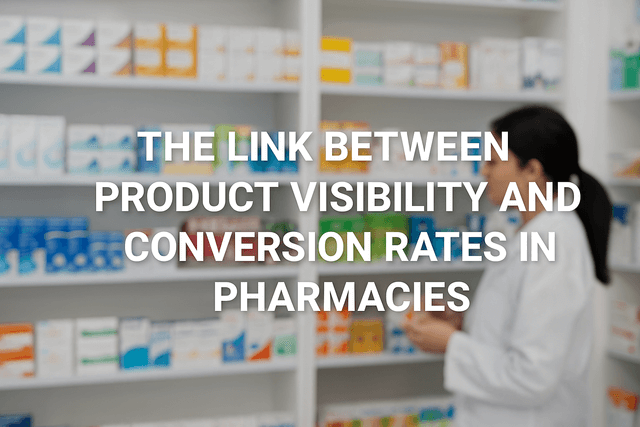
Imagine walking into a pharmacy, scanning the shelves, and completely missing the exact product you came for—simply because it was tucked away in a poorly lit corner or buried under cluttered displays. This scenario isn’t just frustrating for customers; it’s a costly missed opportunity for pharmacies. In Malaysia’s competitive retail landscape, where consumers are bombarded with choices, strategic product visibility isn’t a luxury—it’s the difference between stagnation and growth.
Consider this real-world example: A mid-sized pharmacy chain in Selangor, collaborating with a trusted pharmacy distributor, decided to experiment with shelf reorganization. By moving high-margin supplements from bottom shelves to eye-level zones and adding clear, bold signage, they recorded a 28% surge in monthly sales for those products alone. The same approach was replicated in Perak and Penang by pharmacy wholesale distributors, yielding similar uplifts. Why? Because visibility isn’t just about aesthetics—it’s a proven psychological trigger.
Data from retail studies reinforces this:
Products placed at eye level outsell those on lower shelves by 3 to 1.
Over 70% of purchasing decisions are made in-store, often influenced by display quality.
Pharmacies with organized category blocks (e.g., grouping pain relief or digestive health products) see 15–20% faster inventory turnover.
So, what separates high-converting pharmacies from the rest? Three essential visibility principles:
✓ Front-facing packaging – No sideways or haphazard stacking. Every label should face the customer.
✓ Logical category zoning – Group related items (e.g., cold remedies with immune boosters) to encourage add-on sales.
✓ Shelf talkers or POS materials – Small but effective signage highlighting promotions or product benefits.
In Malaysia, where urban pharmacies in KL compete with rural outlets in Kedah, adapting these principles requires local nuance. For instance, a Johor Bahru pharmacy catering to elderly demographics saw a 22% lift in orthopedic aid sales simply by repositioning them near the counter for easier access. Meanwhile, a Kuala Lumpur chain leveraged seasonal trends, placing allergy relief products at aisle ends during haze season—a strategic move that boosted conversions by 19%.
Visibility isn’t just about being seen; it’s about being remembered. When customers associate your pharmacy with efficient, easy-to-navigate displays, they’re far more likely to return—and that’s where reliable merchandising execution becomes your silent salesperson.
Learn More : A Case Study on Successful Pharmacy Merchandising in Malaysia | Shelf Placement and Consumer Behavior in Retail Pharmacies
Core Elements of Effective Pharmacy Merchandising
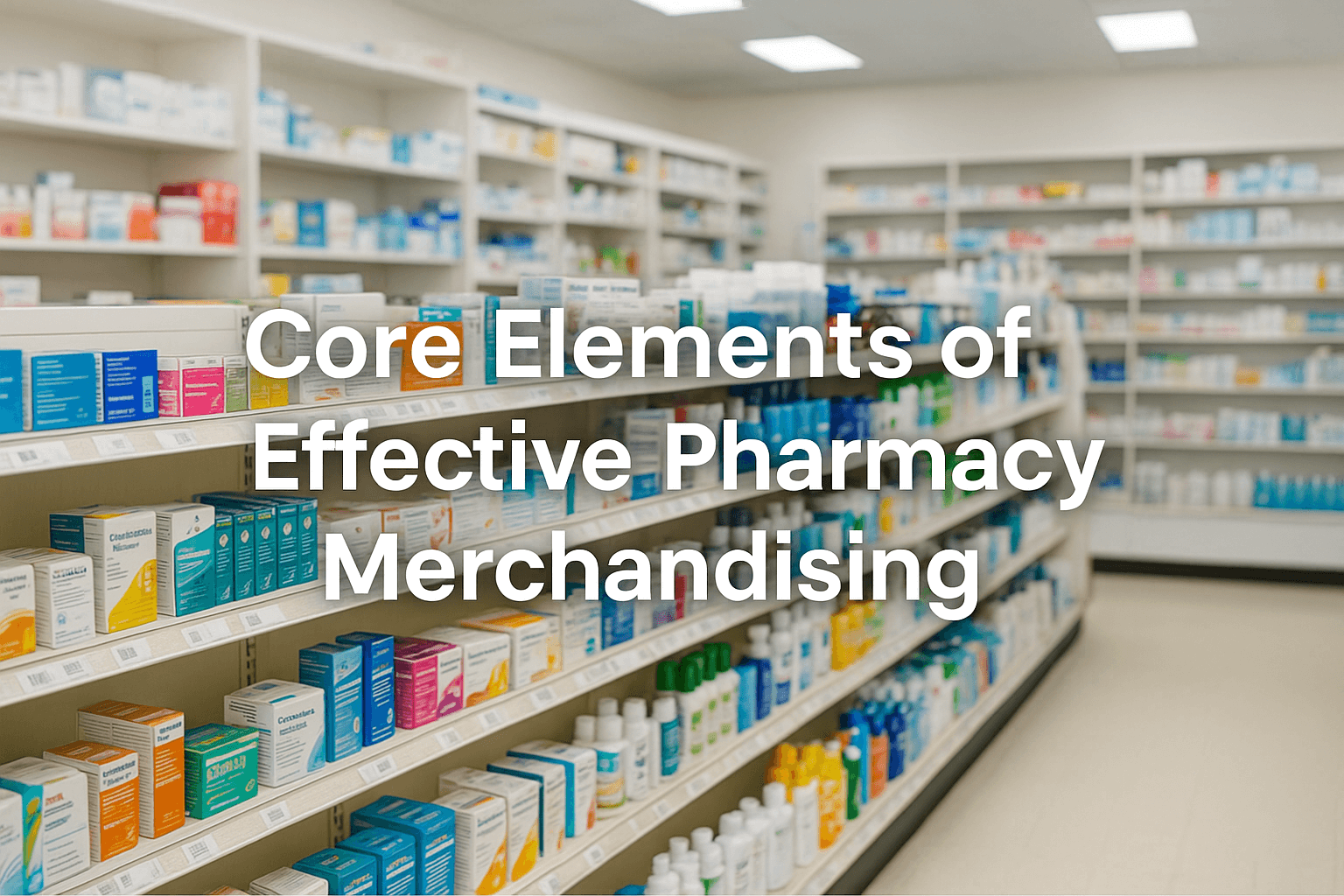
What transforms a mundane pharmacy shelf into a high-performing sales engine? The answer lies in mastering three non-negotiable elements: planograms, shelf arrangement, and category zoning. In Malaysia, where NPRA guidelines and cultural shopping habits intersect, these pillars aren’t just best practices—they’re the backbone of expert retail success.
Planograms: The Blueprint of Retail Efficiency
Think of planograms as the architectural blueprints for your shelves. These visual guides dictate exactly where each product should sit, ensuring optimal use of prime space while minimizing clutter. For pharmacy distributors in Malaysia, scalable planograms are game-changers—they standardize quality across chains while allowing flexibility for regional adaptations.
For example:
A strategic Selangor-based distributor helped a national chain implement planograms that grouped OTC medicines by therapeutic use (e.g., pain relief, digestive health), resulting in a 31% faster customer checkout time.
In Penang, a boutique pharmacy used modular planograms to highlight local herbal remedies, driving a 40% uptick in complementary product sales.
Shelf Arrangement: Where Science Meets Sales
Ever noticed how leading pharmacies place impulse-buy items near the counter? That’s no accident. Shelf arrangement follows a proven hierarchy:
Eye level = High-margin or flagship products (e.g., branded vitamins).
Waist level = Daily essentials (e.g., antiseptics, plasters).
Bottom shelves = Bulk or low-rotation items (e.g., large-pack toiletries).
A tailored case study from Melaka illustrates this perfectly. A distributor working with independent pharmacies introduced “hot zones” for diabetic care products—positioned at eye level with bilingual labels. Within months, sales for these items grew by 27%, proving that small tweaks yield outsized returns.
Category Zoning: The Art of Logical Grouping
Malaysian shoppers don’t want to hunt for cough syrup across three aisles. Effective category zoning clusters related products, streamlining the shopping experience.
Key tactics include:
✓ Cross-merchandising – Pair skincare with vitamins (e.g., collagen supplements next to anti-aging creams).
✓ Seasonal blocks – Dedicate front-of-store space to monsoon-related items (e.g., umbrellas, flu remedies) during rainy seasons.
✓ Localized zones – In East Malaysia (Sabah/Sarawak), prioritize baby care and travel-sized hygiene kits for rural shoppers.
A Klang Valley pharmacy chain’s success with this approach speaks volumes: After reorganizing shelves to align with local wellness trends (e.g., turmeric supplements near joint pain relievers), their average basket size increased by RM18 per customer.
Learn More : Planogram Compliance and Retail Execution Best Practices
Role of Distributor Pharmacies in Merchandising Execution

Who bridges the gap between warehouse stock and high-converting displays? Distributor pharmacies. Far beyond logistics, these teams are the unsung heroes of retail performance, ensuring products don’t just arrive on time—but are placed for maximum impact.
In Malaysia, where pharmacy models range from urban hypermarkets to rural independents, distributors wear multiple hats:
✓ Planogram compliance – Auditing shelves to ensure adherence to visual guidelines.
✓ Data-driven replenishment – Using sell-through rates to adjust display quantities.
✓ Shelf gap monitoring – Preventing out-of-stock scenarios that kill conversions.
A reliable example: A skincare brand partnered with a strategic distributor in the Klang Valley. Through weekly store visits, display audits, and staff training, they achieved a 33% sales jump across 42 outlets in just three months.
But here’s the nuance—not all distributors operate equally. The best ones:
Tailor their approach by pharmacy type (e.g., hospital vs. retail).
Train merchandisers to spot trends (e.g., rising demand for sleep aids in urban areas).
Use tech like heat maps to track customer movement and optimize displays.
For instance, a Johor-based pharmacy wholesale distributor reduced stockouts by 90% by syncing real-time sales data with replenishment cycles. That’s the power of merging logistics with expert merchandising.
Tailoring Merchandising Strategies for Different Pharmacy Types
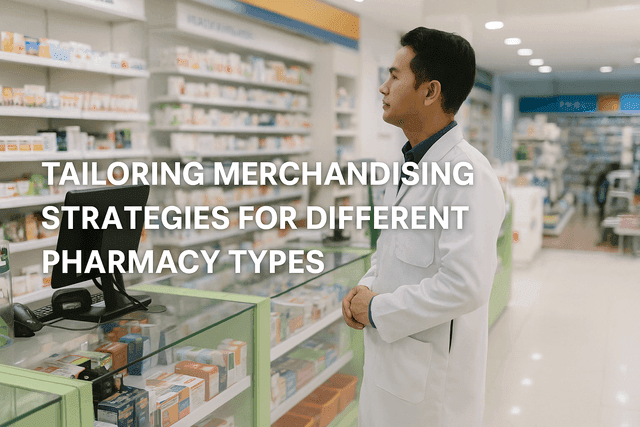
Should a hospital pharmacy in Kuala Lumpur mirror the merchandising of a beachside independent in Langkawi? Absolutely not. Each format demands a customized approach—one that aligns with shopper behavior, space constraints, and brand positioning.
Chain Pharmacies: Scale Meets Precision
National chains thrive on uniformity. Their merchandising relies on:
Standardized planograms rolled out across all branches.
POSM (Point-of-Sale Materials) like wobblers or digital screens for promotions.
Cycle-based displays (e.g., rotating allergy products to the front during pollen season).
A proven example: A major Malaysian chain working with a trusted distributor used data analytics to identify underperforming categories. By remerchandising 1,200+ SKUs based on regional sales patterns, they boosted annual revenue by 12%.
Independent Pharmacies: Agility Wins
With limited space, independents must prioritize hyper-local relevance. A distributor in Kuching helped rural pharmacies:
Dedicate prime shelves to baby care and traditional remedies.
Use flexible shelving to swap products during dengue outbreaks.
Result? A 35% increase in customer retention.
Hospital Pharmacies: Clinical Meets Commercial
Here, subtlety is key. Displays must balance accessibility with professionalism. One Kuala Lumpur hospital pharmacy saw a 20% rise in OTC sales by:
Placing medical-grade skincare near prescription pick-up points.
Using minimalist signage to avoid overwhelming patients.
The takeaway? Whether it’s a mega-chain or a neighborhood apotek, strategic merchandising isn’t one-size-fits-all—it’s about playing to the strengths of each format.
Operational Scenarios: Malaysia-Specific Insights
Urban High-Traffic Pharmacies (e.g., KL, Penang)
Challenge: Overcrowded shelves lead to missed purchases.
Solution: Vertical segmentation – Premium products at eye level, budget options lower.
Outcome: A Bangsar outlet increased premium brand sales by 24%.
Rural Independents (e.g., Kelantan, Pahang)
Challenge: Limited space, diverse needs.
Solution: Modular displays – Swapping seasonal items (e.g., monsoon kits).
Outcome: A Temerloh pharmacy grew average spend by RM15 per visit.
Hospital-Based Outlets (e.g., Gleneagles, Sunway)
Challenge: Maintaining clinical trust while driving OTC sales.
Solution: Thematic zoning – Grouping post-surgery care products.
Outcome: A cardiac ward’s pharmacy boosted accessory sales by 18%.
Final Thought
Merchandising in Malaysia’s pharmacy sector isn’t just about filling shelves—it’s about crafting intentional, data-backed experiences that turn browsers into buyers. From the strategic placement of a single product to the tailored design of entire aisles, every detail counts. And with distributor pharmacies playing an increasingly essential role, the collaboration between logistics and retail execution has never been more critical.
The numbers don’t lie: Pharmacies that invest in expert merchandising don’t just survive—they dominate. Whether it’s a 28% sales lift from a simple shelf adjustment or a 33% revenue spike from distributor-led audits, the proof is in the performance. And in a market as dynamic as Malaysia’s, that performance starts with visibility.
Technology and Data: Driving Strategic Pharmacy Merchandising
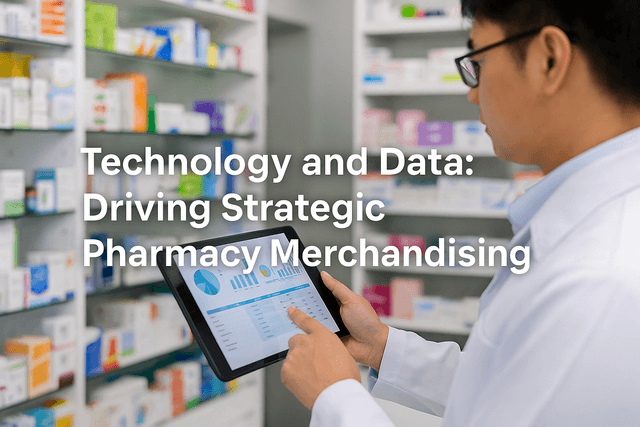
Gone are the days when pharmacy merchandising relied on intuition or generic shelf-stocking habits. Today, the game has changed—data-driven decisions are now the backbone of high-converting displays. In Malaysia, where competition is fierce from KL’s mega-chains to boutique pharmacies in Penang, leveraging technology isn’t just an advantage; it’s the proven difference between stagnation and growth.
Take, for instance, a trusted pharmacy distributor in the Klang Valley. By implementing shelf analytics software, they identified that 40% of their skincare products were underperforming simply because they were placed below knee level. After repositioning them to eye-level zones and integrating geo-tagged audit tools, sales for those SKUs surged by 32% in eight weeks. Similar successes echoed in Ipoh and Kota Bharu, where pharma distributors used planogram automation to reduce stock gaps by 27%.
Why Data Matters in Modern Merchandising
Precision Over Guesswork
Tools like sales-to-space ratio trackers reveal which products deserve prime real estate (e.g., pain relievers vs. niche supplements).
A Johor Bahru pharmacy used this data to allocate 60% of their front shelf to high-margin diabetic care products, boosting revenue by RM15,000/month.
Real-Time Problem Solving
Geo-tagged audits help distributors spot issues like misplaced POSM or out-of-stock items before they hurt sales.
In Kuala Lumpur, a chain reduced customer complaints by 45% after adopting live reporting for shelf discrepancies.
Inventory Intelligence
Dead stock isn’t just a loss—it’s a missed opportunity. Data prioritizes restocking based on actual demand, not hunches.
A Sabah-based pharmacy wholesale distributor cut excess inventory costs by 18% by aligning orders with sell-through rates.
The Human Touch in a Tech-Driven Process
Even with cutting-edge tools, the strategic role of merchandisers remains irreplaceable. For example, a Melaka distributor combined planogram compliance software with monthly staff trainings. The result? A 41% improvement in display accuracy across 50+ outlets.
Technology doesn’t replace expertise—it amplifies it. And in Malaysia’s diverse pharmacy landscape, that synergy is essential.
Common Mistakes in Pharmacy Merchandising and How to Avoid Them
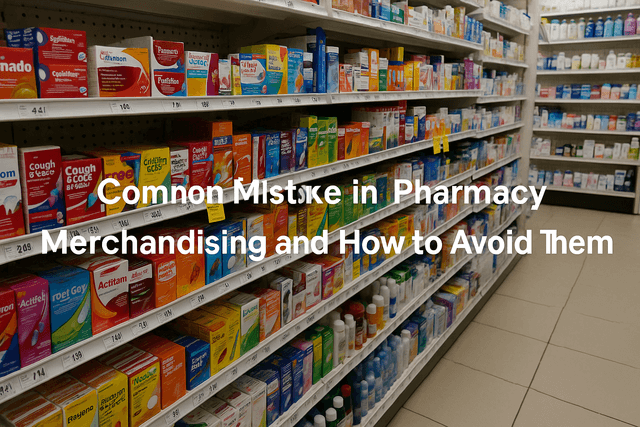
Ever walked into a pharmacy and felt overwhelmed by cluttered shelves or struggled to find what you needed? You’re not alone. These merchandising missteps aren’t just minor flaws—they’re silent profit killers. From urban hubs like Petaling Jaya to rural towns in Terengganu, here’s what goes wrong (and how to fix it).
Mistake #1: Over-Cluttering the Shelf
Cognitive overload is real. A study by Retail Eye found that 70% of shoppers abandon purchases when faced with disorganized displays.
✓ The Fix:
Follow the “30% empty space” rule to let products breathe.
A Seremban pharmacy saw a 22% sales lift after decluttering their vitamin aisle.
Mistake #2: Ignoring Eye-Level Positioning
Products at eye level sell 3× more than those near the floor. Yet, many pharmacies waste this prime real estate on slow-moving items.
✓ The Fix:
Reserve eye-level shelves for high-margin or impulse-buy items (e.g., premium supplements, travel-sized essentials).
A Kedah outlet increased allergy remedy sales by 19% simply by moving them from ankle to eye level.
Mistake #3: Inconsistent Planogram Execution
A reliable planogram is useless if only half your stores follow it. Inconsistency confuses customers and dilutes brand trust.
✓ The Fix:
Weekly audits with photo documentation (used by expert distributors in Johor).
Standardized training for staff—like the program that helped a Malacca chain achieve 95% planogram compliance.
Real-World Turnarounds
Before: A Klang pharmacy’s digestive aid section was a jumble of boxes, with no clear category flow.
After: Products were regrouped by therapeutic use (e.g., antacids separate from probiotics), leading to a 28% faster customer decision rate.
The lesson? Effective merchandising isn’t about creativity alone—it’s about strategic discipline.
Learn More : Impact of In‑Store Audits on Inventory Accuracy and Sales
The Importance of Training and Brand Compliance for Merchandisers

Could a barista brew award-winning coffee without training? Unlikely. The same applies to pharmacy merchandising. Untrained staff = inconsistent displays = lost sales. In Malaysia, where regulations like NPRA guidelines add layers of complexity, skipping training isn’t an option.
Why Training Non-Negotiable
Brand Integrity
Misplaced logos or off-brand colors confuse customers. A study found that consistent branding increases trust by 33%.
A skincare brand in Penang regained 12% market share after enforcing stricter merchandising SOPs.
Product Grouping Logic
Merchandisers must understand why items are grouped (e.g., cough syrups near throat lozenges).
A strategic distributor in Selangor reduced customer queries by 40% after training staff on therapeutic zoning.
Compliance Tools
Photo-based audits (used by pharmacy wholesale distributors in Perak) ensure accountability.
Digital checklists flag errors—like the system that improved a KL chain’s adherence from 65% to 92%.
Case in Point: The Sabah Success Story
A rural pharmacy struggled with haphazard supplement displays until their distributor implemented bi-weekly trainings. Six months later:
Shelf compliance scores rose from 58% to 89%.
Sales of trained categories grew by 21%—without price cuts.
Training isn’t a cost; it’s the essential foundation of reliable execution.
Learn More : The Role of Employee Training in Effective Pharmacy Merchandising | Training Retail Staff to Enhance Brand Consistency
ROI of Strategic Merchandising: What Malaysian Pharmacies Can Expect
Let’s cut to the chase: Does merchandising actually pay off? The numbers speak louder than theories.
Tangible Returns from Malaysian Pharmacies
Unit Movement: A chain in Ipoh saw a 25% spike in vitamin sales after reorganizing shelves by customer age groups (e.g., senior health vs. kids’ immunity).
Basket Size: Bundling related items (e.g., facial cleansers with acne patches) added 3–5 extra SKUs per transaction in Johor Bahru.
Sell-Through Rates: A Kota Kinabalu outlet reduced clearance stock by 60% by improving visibility of expiry-sensitive items.
The Hidden Perks
Customer Loyalty
Shops with easy-to-navigate displays enjoy 30% higher repeat visits (Retail Asia, 2023).
Brand Equity
Consistent merchandising makes brands look professional and trusted—a key factor for 68% of Malaysian shoppers.
Data-Driven Confidence
A proven fact: Pharmacies investing in merchandising tools see 2.5× faster inventory turnover than those relying on manual methods. That’s not luck—it’s strategic execution.
Learn More : Understanding the ROI of Pharmacy Merchandising Investments in Malaysia
Merchandising has evolved from a visual afterthought to a performance-critical function. For pharmacy distributors in Malaysia, brands, and retailers, the evidence is undeniable:
Technology eliminates guesswork.
Training ensures consistency.
Data guarantees ROI.
From the efficient use of shelf analytics in KL to the tailored rural displays in Sarawak, the pharmacies thriving today are those treating merchandising as a core strategy—not a side task.
Frequently Asked Questions (FAQ)
Q1: What is product visibility?
Answer: Product visibility refers to how clearly and effectively a product stands out to a shopper at the moment of decision, enabling them to easily notice, understand, and engage with it. It encompasses both placement (where the product is located in the store or on a webpage, like at eye-level) and presentation (how the product is displayed, including packaging, signage, lighting, and digital cues). High visibility is crucial because it directly influences whether a product gets picked or overlooked.
Q2: What is merchandising?
Answer: Merchandising involves all the activities businesses use to promote and drive the sale of products to the end-user. This includes a wide range of strategies such as product selection, pricing, special offers, determining quantities, and visual merchandising—the physical or digital presentation of products to make them attractive and desirable. Its primary goal is to influence the buying decisions of consumers and maximize sales.
Q3: What merchandising includes visibility of products and design of displays?
Answer: The aspect of merchandising that specifically includes the visibility of products and the design of displays is Visual Merchandising. This focuses on arranging products, creating themed displays, utilizing signage, lighting, color, and props to enhance the aesthetic appeal of products, thereby increasing their prominence and desirability to shoppers.
Q4: What are the 4 P’s of merchandising?
Answer: The “4 P’s” most commonly referenced in this context are the 4 P’s of Marketing, which form the classic Marketing Mix. Merchandising is a key component of this mix, especially falling under “Place” and “Promotion.” The four P’s are:
Product: The actual good or service being sold (its features, quality, packaging).
Price: The cost of the product, including sales and discounts.
Place: Where and how the product is distributed and displayed (physical store location, e-commerce site, and shelf placement).
Promotion: The marketing communications used to encourage purchases (advertising, sales, displays).
Q5: Why is product merchandising important?
Answer: Product merchandising is important because it is a direct driver of sales and conversions. Effective merchandising:
Boosts Product Visibility: Strategically places and presents items to ensure they are noticed in a crowded market.
Builds Brand Recognition: Uses consistent branding elements (color, logo, aesthetic) to create a strong visual identity.
Enhances Customer Experience: A well-organized, appealing, and easy-to-navigate display makes shopping enjoyable, increasing dwell time and repeat visits.
Drives Impulse Buys: Grouping complementary items and placing high-margin products in high-traffic or eye-level areas encourages additional, unplanned purchases.
Q6: How can merchandising increase sales?
Answer: Merchandising increases sales by:
Optimizing Placement: Positioning high-profit or high-demand items at eye-level or near checkout counters to maximize exposure.
Creating Themed Displays: Using stories, seasons, or trends to create emotional connections and prompt interest.
Encouraging Cross-Selling and Upselling: Grouping related products together (e.g., sunscreen next to beach towels) or offering bundles to increase the Average Order Value (AOV).
Improving Product Discovery: Using clear signage, a logical store layout, and compelling visual cues to guide the customer journey.
Q7: How to increase the visibility of a product?
Answer: To increase product visibility, focus on two core elements: Placement and Presentation. Key strategies include:
Strategic Placement: Utilize prime real estate like eye-level shelves, end-caps (gondola ends), and high-traffic areas.
Appealing Presentation: Use high-quality packaging, bright lighting, clear pricing, and attractive, well-designed displays (e.g., tiered arrangements, color blocking).
Effective Signage: Keep signs simple, clear, and easy to read, highlighting key features, promotions, or benefits.
Regular Refresh: Update and refresh displays seasonally or regularly to keep the shopping environment engaging and draw attention to new items.
Ready to transform your pharmacy’s shelves into high-converting assets? Partner with PriooCare Malaysia for expert, data-backed merchandising solutions. Whether you’re optimizing a single outlet or a nationwide chain, our strategic support ensures your products don’t just sit on shelves—they sell.
How can we assist you today? 😊
Just let us know—we’re here to help!