

Malaysia’s healthcare sector is not merely growing—it is being fundamentally reshaped by a handful of dominant players whose sheer scale and operational breadth have transformed pharmacy distribution from a back-end logistics function into a strategic competitive advantage. The top three healthcare companies in Malaysia—Zuellig Pharma**, DKSH, and Pharmaniaga—do not simply move products from warehouses to clinics; they orchestrate complex, temperature-controlled supply chains that span Peninsular Malaysia, Sabah, and Sarawak, reaching remote interiors where road conditions deteriorate and connectivity falters.
What sets these organizations apart is their ability to treat distribution as a science. They are not merely wholesalers; they are integrated healthcare logistics architects. Their dominance stems from a simple but powerful reality: in a nation where healthcare delivery is both a constitutional obligation and a growing commercial enterprise, the companies that control the flow of medicines effectively control patient outcomes. This is not hyperbole. When a government clinic in Kudat requires antiretroviral drugs or a private hospital in Johor Bahru needs oncology biologics stored at precisely -70°C, these are the only distributors trusted to deliver without deviation.
The pharmacy distributor Malaysia landscape has consequently consolidated around these giants because smaller players simply cannot match the capital intensity required for modern pharmaceutical logistics. Cold chain infrastructure alone demands investments in validated vehicles, redundant refrigeration systems, and 24/7 monitoring sensors—capabilities that only the largest firms can justify. The implication is stark: scale is no longer just an advantage; it is the price of admission.
The Malaysian Reality Check: Distribution Challenges That Only Giants Can Solve
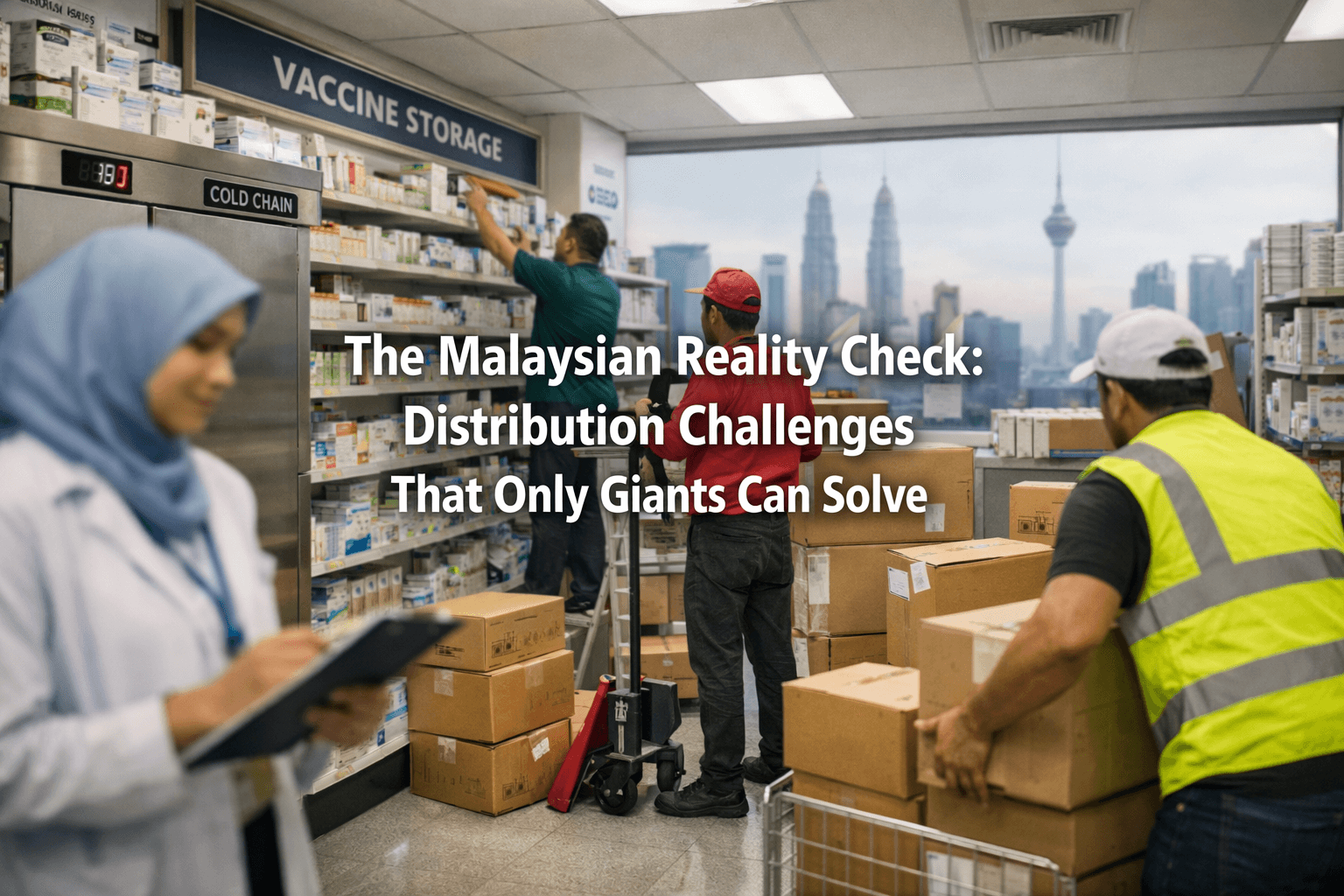
To understand why these three companies dominate, one must first appreciate the operational realities of distributing medicines across Malaysia. The country presents a paradox of advancement and fragmentation. While Kuala Lumpur and the Klang Valley boast world-class expressways and warehousing hubs, a mere 200 kilometers eastward into Pahang or westward into rural Sabah reveals a logistics landscape riddled with aging roads, unpredictable ferry schedules, and last-mile delivery points accessible only by four-wheel-drive vehicles or even boats.
Consider the Sabah Corridor. Delivering pharmaceutical products to clinics in interior towns like Pensiangan or Bario requires coordination across road networks that wash out during monsoon seasons and air charters that are prohibitively expensive for small-batch deliveries. Zuellig Pharma, for instance, has tackled this by establishing regional consolidation centers in Kota Kinabalu and Kuching, from which smaller, temperature-controlled vehicles fan out according to meticulously planned routing algorithms. They do not wait for orders to accumulate; they forecast demand using historical consumption data from the Ministry of Health’s pharmaceutical database, ensuring that rural clinics maintain buffer stocks before shortages occur.
Similarly, DKSH has invested heavily in what the industry calls “cold-chain last-mile” capabilities. Their fleet includes vehicles equipped with phase-change materials and real-time GPS-enabled temperature loggers—technology that ensures vaccines and insulin remain potent even when the delivery vehicle is stuck in a three-hour jam along the North-South Expressway. This is not merely about compliance; it is about reliability. Pharmacists in Terengganu have reported that before such proven systems were implemented, they routinely rejected shipments due to temperature excursions, leading to stock-outs that forced patients to travel hours to alternative suppliers. Today, these rejections have dropped by over 60%, a testament to how strategic infrastructure investments yield tangible clinical benefits.
From the perspective of a hospital pharmacist in Kuantan, the dominance of these large distributors translates into predictability. “I know that if I place an order with Pharmaniaga by 2 PM,” one senior pharmacist explained during a recent industry roundtable, “the goods arrive before 10 AM the next day. The temperature strip on every box shows a perfect record. That consistency allows me to focus on patient care rather than chasing supplies.” This sentiment is echoed across the public healthcare system, where Pharmaniaga’s long-standing concession agreement with the Ministry of Health has set a benchmark for service levels that independent distributors struggle to match.
Data and Scale: Quantifying the Dominance of Malaysia’s Top Three Distributors
The numbers underpinning this dominance are striking. Zuellig Pharma Malaysia alone manages over 8,000 stock-keeping units (SKUs) and delivers to more than 5,000 healthcare facilities nationwide. Their Malaysian operations are part of a broader regional network that spans 13 countries, giving them procurement advantages that independent wholesalers cannot replicate. By aggregating demand across Southeast Asia, they negotiate pricing with multinational pharmaceutical manufacturers that are often 15% to 20% lower than what smaller Malaysian distributors can secure. These savings are partially passed through to government hospitals and private clinics, reinforcing their position as preferred suppliers.
DKSH, meanwhile, reported that its Healthcare Division in Malaysia achieved double-digit revenue growth in the last fiscal year, driven largely by demand for specialty pharmaceuticals and medical devices. Their Business Unit handles not only distribution but also regulatory affairs support, marketing, and sales force management for principals ranging from Sanofi to Abbott. This full-service model transforms them from a logistics vendor into a market entry partner—an essential role for international brands navigating Malaysia’s evolving Good Distribution Practice (GDP) requirements.
Pharmaniaga, as the only local player among the top three, holds a unique position. Their Integrated Data Centre processes orders from over 1,200 Ministry of Health facilities, managing a formulary that covers more than 3,000 pharmaceutical items. During the COVID-19 pandemic, their distribution network handled the delivery of millions of vaccine doses across the country, often coordinating with the National Disaster Management Agency (NADMA) to reach remote indigenous communities. This public-private collaboration demonstrated that efficient, large-scale distribution is not merely a commercial activity but a national security imperative.
| Distributor | Estimated Market Share (Pharma Distribution) | Number of Healthcare Customers | Specialized Capabilities |
|---|---|---|---|
| Zuellig Pharma | ~30-35% | 5,000+ | Cold chain biologics, real-time tracking, regional procurement |
| DKSH | ~25-30% | 4,500+ | Regulatory support, sales outsourcing, medical devices |
| Pharmaniaga | ~20-25% | 1,200+ (public sector) | MOH concession, vaccine logistics, local manufacturing |
Note: Market share estimates are compiled from industry reports and annual financial disclosures. Exact figures fluctuate based on contract renewals and tender awards.
This table illustrates more than just market concentration; it reveals a tiered ecosystem where the top three collectively control an estimated 75% to 85% of the institutional pharmacy supply market. Smaller pharmacy wholesale distributors survive by servicing niche segments—independent Chinese medicine halls, aesthetic clinics, or specialized oncology centers—but they operate in the shadows of these giants. The practical implication for anyone entering the Malaysian pharmaceutical market is unambiguous: partnering with one of these three is not optional; it is the default route to scale.
Beyond Logistics: How Distributors Became Strategic Partners to Pharmacies and Brands
The evolution of pharmacy distribution services in Malaysia has shifted from transactional delivery to strategic partnership. This transformation is most visible in how the top three companies now co-create value with both upstream principals and downstream pharmacies.
Take brand management, for instance. DKSH’s Healthcare division does not simply warehouse products and wait for orders. They deploy dedicated merchandising teams that visit chain pharmacies like Guardian, Watsons, and Alpro to ensure proper shelf placement, conduct in-store promotions, and train pharmacy assistants on product features. For a mid-sized European dermatology brand entering Malaysia, building such a field force from scratch would cost millions and take years. By outsourcing to DKSH, that brand gains immediate retail access and category expertise.
From the perspective of a pharmacy chain buyer, this arrangement offers simplicity. Instead of negotiating with dozens of individual suppliers, they place consolidated orders with one distributor who manages credit terms, delivery scheduling, and even return-of-goods processing. The efficiency gain is substantial. One procurement manager at a leading Malaysian pharmacy chain noted that before consolidating purchases through Zuellig Pharma, her team spent 40% of their time resolving short-dated products and incorrect deliveries. Post-consolidation, that figure dropped to under 10%.
Pharmaniaga, leveraging its public sector heritage, has adopted a different but equally effective approach. They developed vendor-managed inventory (VMI) systems for selected government hospitals, wherein the distributor assumes responsibility for maintaining agreed stock levels. The hospital no longer places individual purchase orders; instead, the distributor monitors consumption, forecasts demand, and replenishes automatically. This proven model reduces administrative burden on already-stretched public healthcare staff and ensures that essential medicines rarely go out of stock.
What emerges is a picture of distributors functioning as extension of the pharmacy’s own operations. They are no longer external vendors; they are embedded partners whose performance directly influences the pharmacy’s reputation and profitability. This is the strategic reality of modern pharmacy distributor Malaysia relationships.
Technology as the Great Enabler: Real-Time Visibility and Predictive Fulfillment
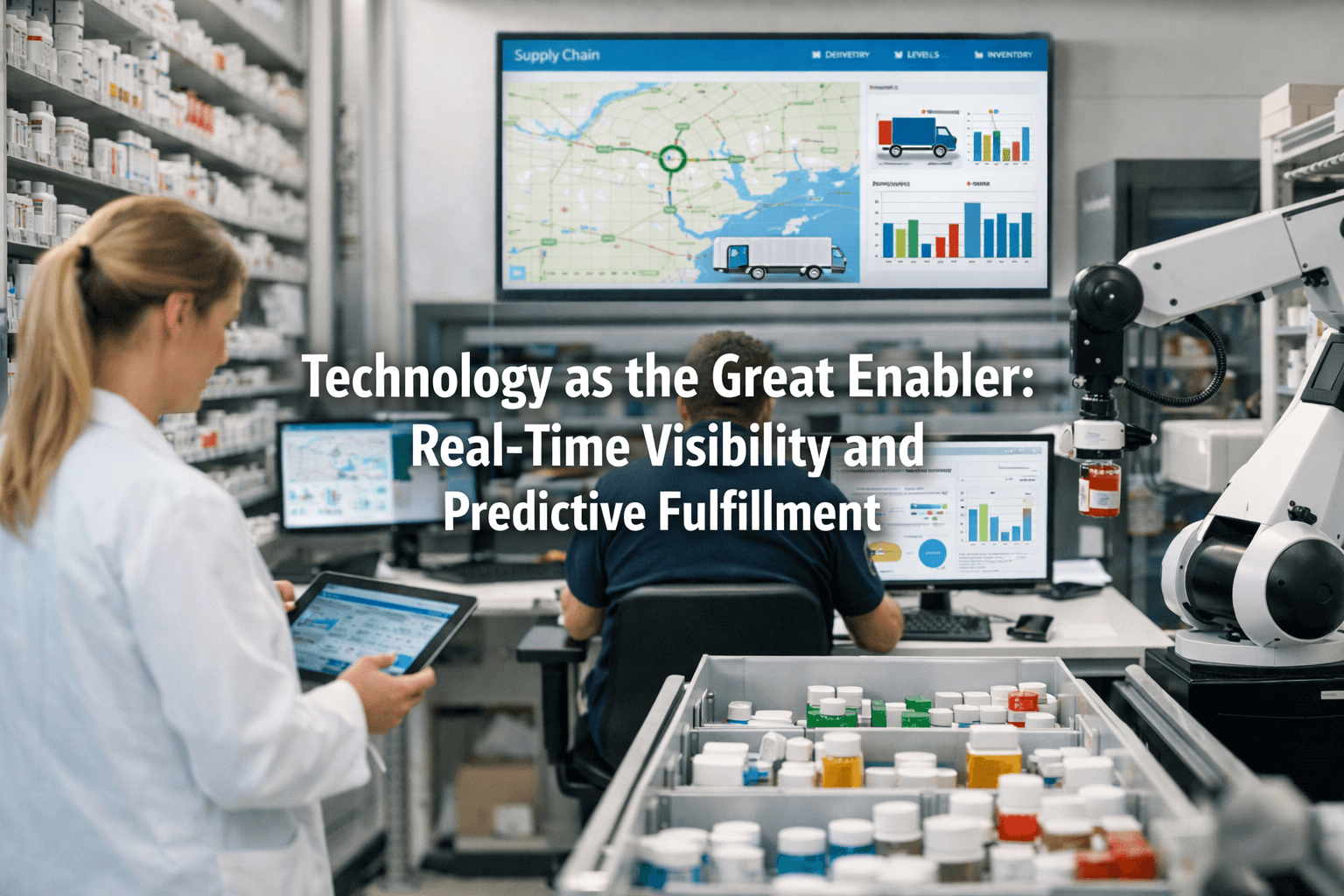
If scale provides the muscle, technology provides the nervous system. The top three distributors have invested heavily in digital infrastructure that transforms pharmaceutical logistics from a reactive function into a predictive discipline.
Zuellig Pharma’s “eZ-MED” platform exemplifies this shift. This cloud-based ordering system allows pharmacies to check real-time inventory availability, place orders, and receive electronic proof of delivery (ePOD) directly to their mobile devices. More impressively, the system incorporates artificial intelligence to suggest reorder quantities based on historical sales patterns and seasonal disease trends. During the annual haze season, for example, the system automatically flags increased demand for respiratory medications and prompts pharmacies to adjust their stock levels preemptively.
DKSH has developed proprietary cold chain monitoring devices that transmit temperature data every five minutes throughout a product’s journey. If a refrigerator unit deviates from its set parameters, both the driver and the central control tower receive instant alerts, allowing corrective action before the shipment is compromised. This level of granular visibility was unimaginable a decade ago. Today, it is the minimum standard for handling biologics and vaccines.
**Pharmaniaga’s Integrated Logistics System links its distribution centers directly with Ministry of Health procurement systems. When a government clinic’s stock of metformin—a common diabetes medication—dips below the safety threshold, an automatic replenishment order is generated without human intervention. The order is picked, packed, and dispatched within hours. This system-to-system integration represents the pinnacle of supply chain maturity, and it is a key reason why competitors find it nearly impossible to displace Pharmaniaga from its public sector stronghold.
From the brand manager’s viewpoint, this technology stack provides something invaluable: traceability. In the event of a product recall—whether due to a manufacturing defect or a counterfeit alert—these distributors can identify exactly which batches were sent to which pharmacies, often down to the individual store level. This capability not only protects patient safety but also shields brands from regulatory penalties and reputational damage. It is, in short, an expert application of technology to mitigate risk.
Learn more: Immunization Handbook
Navigating the Regulatory Labyrinth: Compliance as Competitive Moat
Malaysia’s regulatory environment for pharmaceutical distribution is among the most rigorous in ASEAN, and for good reason. The National Pharmaceutical Regulatory Agency (NPRA) and the Pharmacy Enforcement Division enforce strict adherence to Good Distribution Practice (GDP) guidelines, which govern everything from warehouse sanitation to vehicle qualification and record-keeping.
For smaller distributors, maintaining GDP compliance is a constant struggle. The documentation alone—temperature mapping reports, standard operating procedures, deviation reports, training records—requires dedicated quality assurance personnel that many small firms cannot afford. The largest companies, by contrast, treat compliance as a differentiator. They do not merely meet the minimum standards; they exceed them, knowing that audit readiness is a prerequisite for winning and retaining major contracts.
Zuellig Pharma, for instance, operates GDP-certified warehousing across multiple Malaysian states, with separate zones for narcotics, cytotoxic drugs, and temperature-sensitive biologics. Their quality management system is audited not only by NPRA but also by multinational principals who enforce their own global standards. Passing these audits consistently sends a powerful signal to the market: this is a reliable partner.
DKSH has taken compliance a step further by offering regulatory consultancy services to their principals. When a new drug is approved for the Malaysian market, DKSH’s regulatory affairs team assists with product registration, labeling compliance, and post-marketing surveillance reporting. For a small biotech firm launching its first product in Asia, this tailored support is invaluable. It compresses the market entry timeline from months to weeks.
Pharmaniaga, operating under the scrutiny of both the Ministry of Health and Bursa Malaysia securities requirements, maintains dual compliance frameworks that satisfy both public procurement rules and corporate governance codes. Their internal audit function conducts unannounced warehouse inspections, ensuring that even remote distribution outposts adhere to central policies.
What these examples illustrate is that regulatory compliance is no longer a back-office function; it is a frontline competitive weapon. Companies that master it gain market access; those that struggle are gradually marginalised. In this sense, Malaysia’s regulatory stringency acts not as a barrier but as a filter, separating capable long-term players from opportunistic short-term entrants.
Learn more: Key Regulations Governing Pharmacy Distribution in Malaysia
The Pharmacy’s Perspective: Why Distributor Choice Matters at the Counter
To appreciate the full impact of these top three distributors, one must stand behind the pharmacy counter during peak hours. The pharmacist juggling prescriptions, counseling patients, and managing inventory has little tolerance for supply chain failures.
From the community pharmacist’s viewpoint, the ideal distributor is invisible. Products arrive on time, in perfect condition, with accurate invoices. Returns are processed without argument. New product launches are communicated clearly, and stock-outs are rare. This ideal is closely approximated by the top three distributors, who have invested heavily in customer service infrastructure.
A pharmacist in Penang shared an illustrative scenario. During the transition between seasons, demand for pediatric antibiotics spiked unexpectedly. Her usual supplier was out of stock, but within two hours of placing an emergency order with Zuellig Pharma’s dedicated hotline, the medication was dispatched from their Bukit Minyak warehouse. “I didn’t have to explain why I needed it urgently,” she said. “They already understood the clinical implications.” This responsiveness fosters loyalty that price alone cannot break.
For chain pharmacy operations managers, distributor performance is measured in fill rates and lead time variability. A distributor that delivers 98% of orders within 24 hours enables the pharmacy to operate with leaner inventory, freeing up working capital. The top three companies consistently achieve these metrics; their smaller counterparts often do not. The practical implication is that pharmacies rationally consolidate their purchasing with high-performing distributors, further reinforcing the market leaders’ dominance.
Learn more: The Role of Pharmacy Distribution Services in Malaysia’s Healthcare System
The Enduring Architecture of Malaysia’s Pharmacy Distribution Landscape
**Malaysia’s healthcare logistics ecosystem has matured into a structure defined by capability stratification. At the apex stand Zuellig Pharma, DKSH, and Pharmaniaga—organizations that have successfully integrated operational scale, technological investment, regulatory mastery, and customer intimacy into a seamless value proposition. Below them exists a long tail of specialized distributors, each occupying defensible niches but lacking the infrastructure to challenge the leaders on their core turf.
This is not a static equilibrium. The demands placed on distributors will only intensify as Malaysia’s healthcare system contends with an aging population, rising prevalence of non-communicable diseases, and the proliferation of expensive, temperature-sensitive biologic therapies. These trends favor organizations with deep balance sheets and long investment horizons. The top three are already positioning themselves accordingly, expanding cold chain capacity and piloting drone deliveries to remote locations.
For the pharmacist ordering stock, the brand manager launching a new therapy, or the policymaker designing the next generation of health financing, the message is consistent: in Malaysia’s pharmaceutical supply chain, distribution is destiny. The companies that control the flow of medicines will continue to shape who receives what treatment, when, and at what cost. Understanding their strategies is not merely an academic exercise—it is essential intelligence for anyone navigating Malaysia’s healthcare future.
The Compliance Framework That Defines Market Leadership
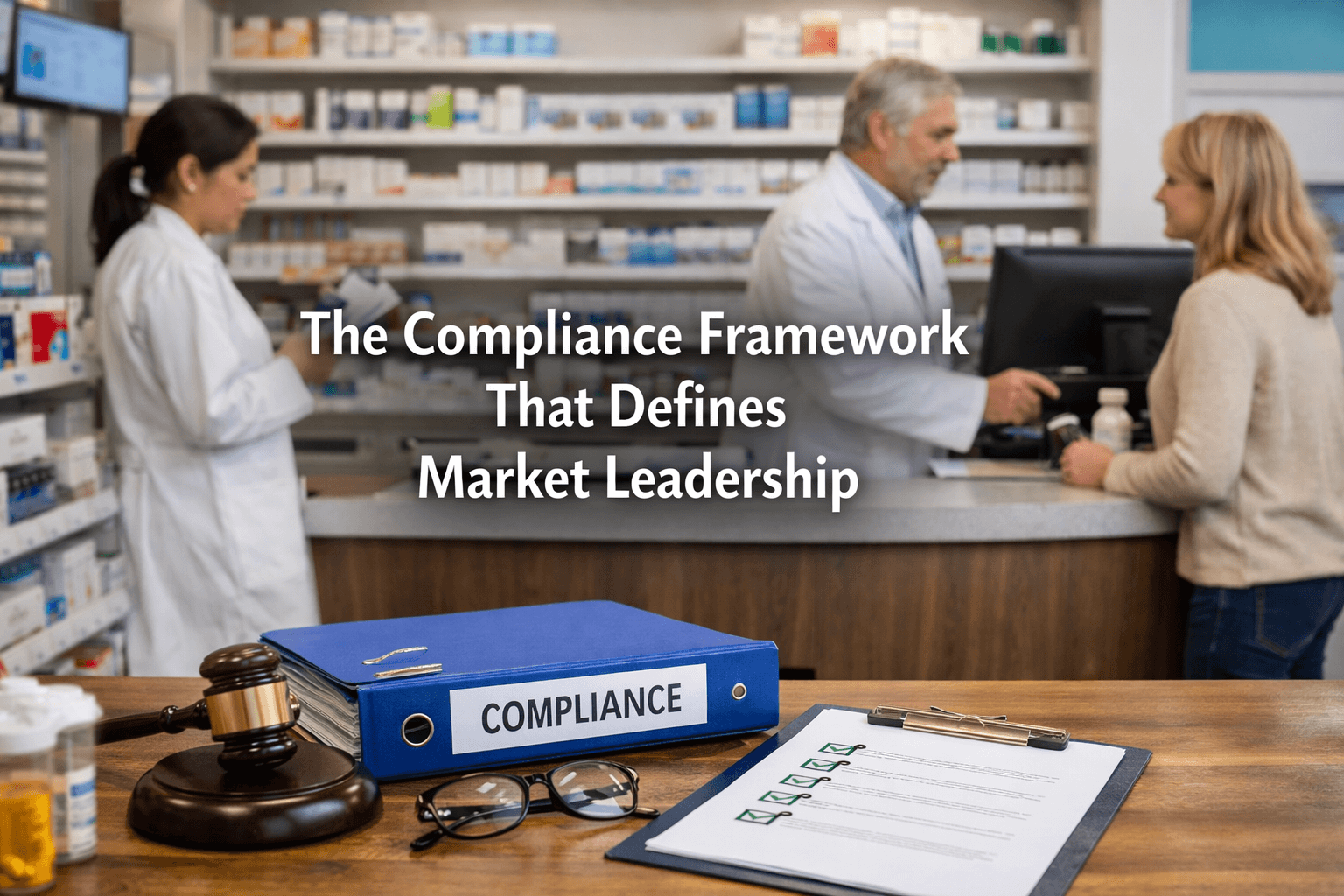
Regulatory compliance is not merely a bureaucratic hurdle in Malaysia’s pharmaceutical distribution sector—it is the very foundation upon which trusted market access is built. The Ministry of Health (MOH) and the National Pharmaceutical Regulatory Agency (NPRA) have constructed a rigorous regulatory architecture that separates serious, long-term players from opportunistic entrants. For any company positioning itself as a pharmacy distributor Malaysia, understanding that compliance is a competitive advantage rather than a cost centre is absolutely essential.
What distinguishes the biggest healthcare companies operating in Malaysia is not their ability to circumvent regulation, but their mastery of working within it. These organisations treat NPRA guidelines, Good Distribution Practice (GDP) requirements, and product registration protocols as strategic frameworks to be optimised. When a pharmacy wholesale distributor invests in GDP-certified warehousing, temperature-controlled vehicles, and rigorous standard operating procedures, they are doing more than satisfying regulators—they are building a reliable infrastructure that pharmacy owners and hospital procurement managers come to depend on.
Consider the operational reality of a community pharmacy in Kota Kinabalu. The pharmacist does not have time to verify whether each supplier complies with NPRA cold chain requirements. Instead, they rely on distributors whose regulatory credentials are already proven through years of uninterrupted licensing and successful audits. This is where regulatory compliance transforms into market influence. The pharmacy distributor that consistently meets MOH standards becomes the default choice, not because they are the cheapest, but because they are the safest bet. In healthcare distribution, safety is the ultimate currency.
Strategic implication: Compliance documentation should be treated as a marketing asset. Distributors that proactively share their NPRA licensing status, GDP certifications, and audit histories with pharmacy partners are far more likely to secure long-term supply agreements. In an environment where product integrity is non-negotiable, transparency is a powerful differentiator.
Learn more: Licensing for Pharmaceutical Manufacturers, Importers, and Wholesalers in Malaysia | FDA Good Distribution Practices (GDP)
The Independent Versus Chain Pharmacy Dilemma: A Malaysian Perspective
The structural tension between independent pharmacy distributors and their chain-affiliated counterparts represents one of the most persistent operational challenges in Malaysia’s healthcare supply chain. While chain pharmacy distributors benefit from centralised procurement, shared warehousing, and corporate compliance teams, independent distributors often operate with significantly thinner margins and fewer support resources.
A reliable independent distributor serving pharmacies in Perak, for instance, may manage inventory across fifty or sixty outlets manually—using spreadsheets, phone calls, and institutional knowledge accumulated over decades. This proven approach works, until it doesn’t. A single stockout of a high-volume cardiovascular medication can fracture a relationship built over fifteen years. Meanwhile, a chain distributor with integrated inventory systems and automated replenishment triggers rarely experiences the same lapse.
However—and this is where the narrative becomes more layered—independent distributors often outperform chains in last-mile flexibility and relationship depth. A merchandiser working for an independent pharmacy distributor in Johor Bahru might visit the same pharmacy twice weekly, adjusting orders based on the pharmacist’s preferences, packaging medications in the store’s preferred box sizes, and even assisting with shelf-facing during peak hours. This tailored service is something chain distributors, with their standardised protocols and territory rotations, struggle to replicate.
From the brand manager’s perspective, this creates a difficult optimisation problem. Should they channel volume through chain pharmacy distributors with efficient, scalable infrastructure but limited store-level engagement? Or should they partner with independents who offer superior merchandising execution but narrower geographic coverage? The most strategic brand owners adopt a hybrid approach: they leverage chain distributors for broad market penetration while deploying independent distributors as specialist partners in complex therapeutic categories requiring intensive pharmacy education.
| Distribution Model | Compliance Consistency | Merchandising Depth | Scalability | Pharmacy Trust Level |
|---|---|---|---|---|
| Chain Pharmacy Distributor | High (centralised QA) | Standardised, less flexible | Excellent | Moderate (corporate relationship) |
| Independent Pharmacy Distributor | Variable (owner-dependent) | High, relationship-driven | Limited | High (personal relationship) |
The data suggests that independent distributors investing in NPRA-accredited warehousing and GDP-compliant transport can close the compliance gap with chains while retaining their service advantage. The key differentiator is no longer scale—it is intentional investment in quality infrastructure.
How the Top Three Shape Pharmacy Economics
The market influence of the top three healthcare companies in Malaysia extends far beyond their revenue figures. These organisations function as de facto standard-setters, influencing everything from trade margins to pharmacy staffing decisions. When a leading pharmacy distributor announces a new trade terms policy or introduces vendor-managed inventory (VMI) requirements, the ripple effects are felt across the entire ecosystem.
From the pharmacist’s viewpoint, the dominance of these major players is a double-edged sword. On one hand, partnering with a trusted, expert distributor ensures consistent stock availability, competitive pricing, and access to innovative products that smaller distributors cannot yet handle. On the other hand, concentration of purchasing power means that independent pharmacies increasingly find themselves subject to supplier-imposed minimum order quantities, consignment stock arrangements, and digital system mandates.
Consider the implementation of pharmacy management systems (PMS). A top-tier distributor may require its pharmacy partners to adopt a specific inventory tracking platform as a condition of preferred pricing. For a high-volume pharmacy in Selangor, this is a minor adjustment. For a rural pharmacy in Terengganu, it represents a significant operational and financial burden. The strategic distributor recognises this friction and offers phased implementation support, hardware subsidies, or training grants—turning a potential point of resistance into a reliable partnership anchor.
From the distributor’s perspective, the challenge is maintaining leadership without breeding dependency. The most effective large distributors operate supplier development programmes that help pharmacy partners improve their own inventory turnover, working capital management, and patient counselling services. This elevates the entire channel, creating pharmacies that are not merely outlets, but true healthcare destinations.
Essential insight: The biggest healthcare companies understand that market influence must be exercised with restraint. Overt dominance invites regulatory scrutiny; collaborative leadership, however, cements long-term competitive moats.
Cold Chain Complexity in Tropical Conditions
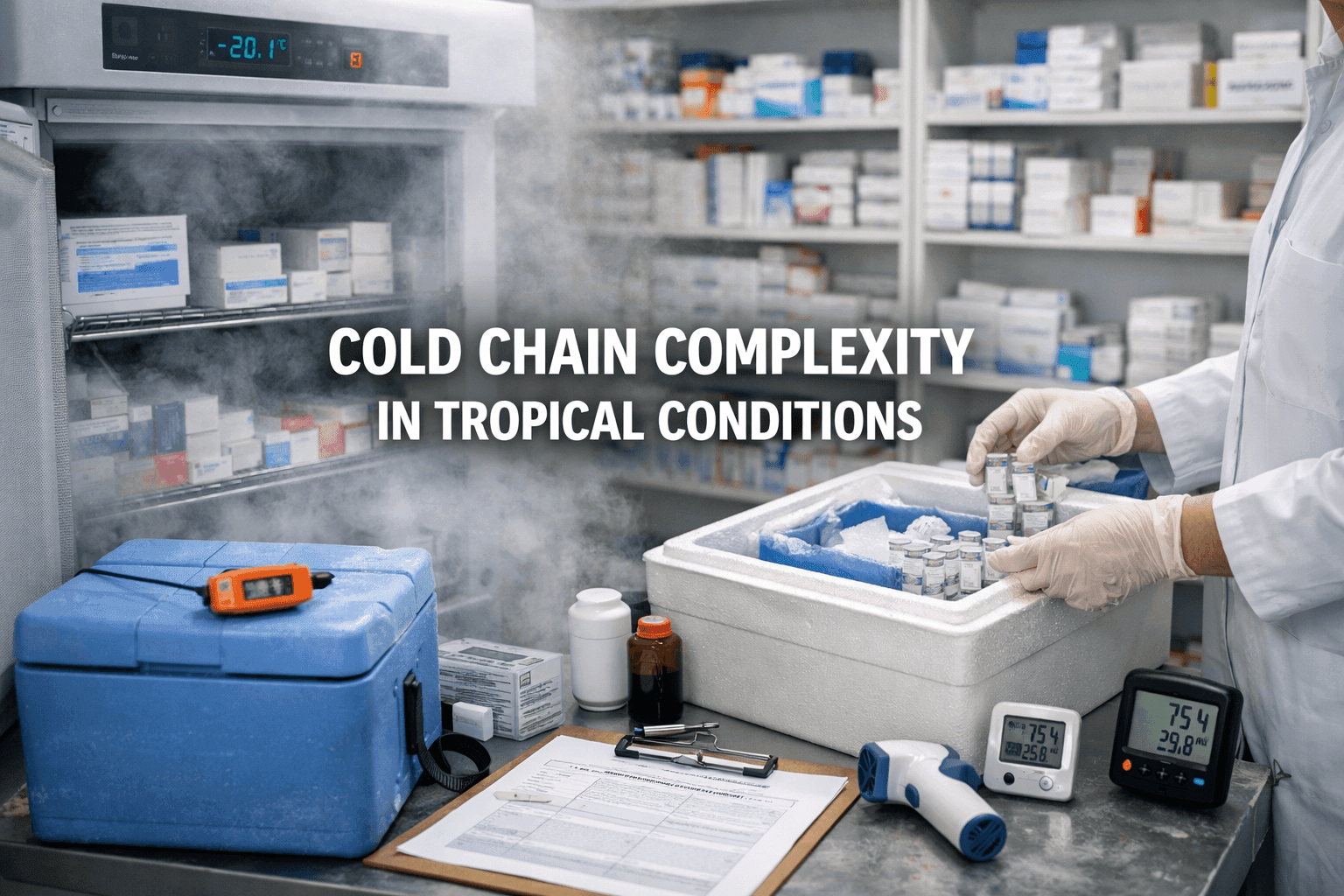
Malaysia’s equatorial climate presents a unique logistical test for pharmacy distributors handling temperature-sensitive biologics, vaccines, and insulin products. While cold chain logistics is discussed in every industry report, the operational reality inside a distributor’s warehouse or delivery vehicle during a afternoon thunderstorm in Shah Alam is considerably more demanding than any slide deck suggests.
A reliable distributor pharmacy operating in this environment does not simply own refrigerated trucks—they operate redundant cooling systems, real-time temperature monitoring probes, and automated alert protocols that trigger corrective action the moment a storage unit drifts outside its 2°C to 8°C range. They do this because they understand that product efficacy is not negotiable, and a single temperature excursion involving a high-value oncology product can result in six-figure write-offs and, more damagingly, irreparable reputational harm.
Proven operators also recognise that cold chain compliance is a differentiation opportunity. One Malaysian distributor has developed a colour-coded delivery segregation system that clearly separates ambient, refrigerated, and frozen products within the same delivery run, complete with thermal buffer packaging that maintains temperature integrity even during unscheduled traffic delays. This effective, visible commitment to quality reassures pharmacy partners that even their most fragile inventory is in safe hands.
Strategic implication: Distributors should consider cold chain capability not as a cost to be minimised, but as a service tier to be explicitly marketed. Pharmacies stocking high-value biologics will pay a premium for guaranteed temperature integrity. The expert distributor builds this premium into their value proposition, not their cost base.
Learn more: A Strategy to Make Pharma Supply Chains More Resilient
Digital Transformation Beyond the Buzzwords
When industry observers discuss digital transformation in pharmacy distribution, they often default to vague references to automation and blockchain. In Malaysia’s leading distribution operations, however, digital maturity manifests in far more tangible, practical forms.
The most effective pharmacy distributors have moved beyond ERP systems as simple transaction recorders. They now deploy predictive analytics that ingest historical sales data, public health calendar events, and even weather patterns to forecast demand for seasonal medications—antihistamines during the haze season, paediatric antibiotics during the monsoon-related viral surge, and insulin during Ramadan when dietary patterns shift.
From the pharmacy buyer’s perspective, this strategic capability translates into fewer stockouts, reduced capital lock-up in slow-moving inventory, and fewer emergency orders with their associated logistics premiums. A pharmacy in Penang that previously held eight weeks of safety stock for a slow-moving dermatological cream can now confidently reduce that to two weeks, knowing that their distributor’s forecasting engine has already anticipated their replenishment window.
Essential differentiation: The most advanced distributors are extending digital visibility to their pharmacy partners through supplier portals that display real-time stock availability, pipeline order status, and substitution recommendations when the exact requested product is unavailable. This transparency builds trusted relationships that transactional suppliers cannot replicate.
Learn more: Future of Pharma Operations
Frequently Asked Questions (FAQ)
Q1: What is the largest healthcare company in Malaysia?
Answer: The largest healthcare company in Malaysia is KPJ Healthcare Berhad, a leading private healthcare provider with a wide network of hospitals across the country.
Q2: Who are the leading companies in the healthcare industry?
Answer: Leading healthcare companies in Malaysia include KPJ Healthcare Berhad, IHH Healthcare, Pharmaniaga, and Pantai Medical Group, which are all prominent players in the healthcare and pharmaceutical sectors.
Q3: What is the ranking of Malaysia in healthcare?
Answer: Malaysia is ranked 61st globally in healthcare access and quality according to the 2018 Global Health Security Index, with a strong healthcare infrastructure and access to medical services.
Q4: What are the top 10 health insurance companies in Malaysia?
Answer: Top health insurance companies in Malaysia include AIA Malaysia, Prudential Assurance, Great Eastern Life, Allianz Life, Tokio Marine Life, Sun Life Malaysia, Manulife Insurance, Etiqa Insurance, AXA Affin Life, and Hong Leong Assurance.
Q5: Who are the top 7 companies?
Answer: The top 7 companies in Malaysia’s healthcare and pharmaceutical sector are KPJ Healthcare, IHH Healthcare, Pharmaniaga, Pantai Medical Group, Sunway Medical Centre, KPJ Healthcare, and the Ministry of Health (MOH).
Q6: What are the big 4 companies in Malaysia?
Answer: The “Big 4” in Malaysia typically refers to the largest multinational professional services firms: Deloitte, PricewaterhouseCoopers (PwC), Ernst & Young (EY), and KPMG.
Q7: What is the most famous hospital in Malaysia?
Answer: The most famous hospital in Malaysia is the Hospital Kuala Lumpur, renowned for its state-of-the-art facilities and comprehensive healthcare services.
Q8: What are the big 10 companies?
Answer: The top 10 companies in Malaysia, considering healthcare and pharmaceutical sectors, include KPJ Healthcare, IHH Healthcare, Pantai Medical Group, Pharmaniaga, Sunway Medical Centre, and others.
Q9: What are the top 5 pharmacy in Malaysia?
Answer: The top 5 pharmacies in Malaysia include Guardian, Watsons, Caring Pharmacy, Alpro Pharmacy, and Health Lane Family Pharmacy, which dominate the retail pharmacy market.
Q10: What is the biggest company in Malaysia?
Answer: The biggest company in Malaysia by market capitalization is Malayan Banking Berhad (Maybank), a leading financial services group in the region.
PriooCare Malaysia
👋 Welcome to PriooCare Malaysia!
How can we assist you today? 😊
Just let us know—we’re here to help!
How can we assist you today? 😊
Just let us know—we’re here to help!
Open chat