
List of food distributors in Malaysia

The modern Malaysian pharmacy is undergoing a significant transformation. No longer just a destination for prescription medication and first-aid supplies, it has evolved into a crucial retail hub for health and wellness. We are witnessing a steady, undeniable rise in consumer demand for food products within these spaces. Shoppers are increasingly proactive about their health, seeking out convenient, scientifically-backed nutritional options alongside their regular pharmaceutical needs. This shift has placed an immense responsibility on the shoulders of pharmacy wholesale distributors. They are the strategic link ensuring that these essential products—from immunity-boosting drinks to nutritious snacks—are consistently available. The role of pharmacy distributors Malaysia has become paramount; they are the backbone of a system that now caters to a more discerning, health-conscious public. Their efficiency directly impacts a pharmacy’s ability to meet consumer expectations, making them a trusted and essential partner in the healthcare ecosystem.
Key Categories of Food Products in Malaysian Pharmacies
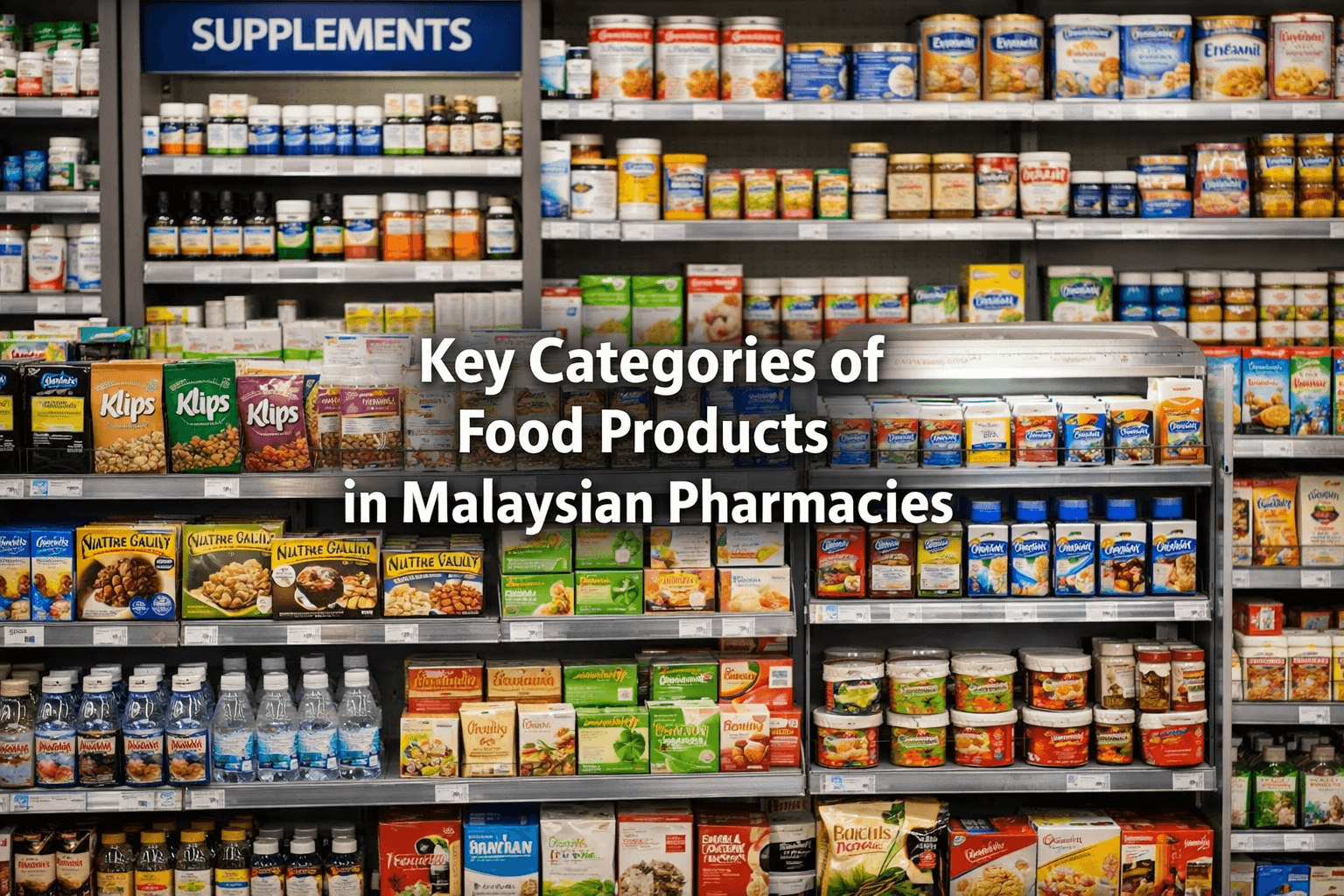
What exactly are consumers looking for when they browse the shelves of a modern pharmacy? The product mix is a strategic curation designed to address specific wellness needs. In Malaysia, this typically breaks down into several key categories, each serving a distinct purpose.
First, health snacks have exploded in popularity. The busy Malaysian professional, constantly on the go, often reaches for a granola bar, a pack of high-protein nuts, or a bag of baked, not fried, vegetable crisps. These items offer a convenient alternative to the traditional, less healthy kopitiam fare. Then there’s the rapidly expanding segment of functional foods. These aren’t just snacks; they are products engineered to provide a specific health benefit beyond basic nutrition. Think of fortified milk powders for bone health, probiotic drinks for gut wellness, or energy gels for the burgeoning community of urban runners and cyclists. These are tailored solutions for modern ailments and lifestyles.
Another critical category is baby food and infant nutrition. For many Malaysian parents, the pharmacy is the most trusted source for formula milk, organic purees, and vitamin drops. They rely on the pharmacist’s expertise to guide them towards products that are safe and nutritionally complete. This trust extends to specialized dietary products for adults as well, including meal replacements for weight management and sugar-free options for diabetics. The presence of these items underscores the pharmacy’s role as a holistic wellness provider. Each product on the shelf is there because it fulfills a specific, health-oriented need, making the pharmacy an essential destination for the modern Malaysian family.
The Critical Role of Pharmacy Distributors in the Supply Chain
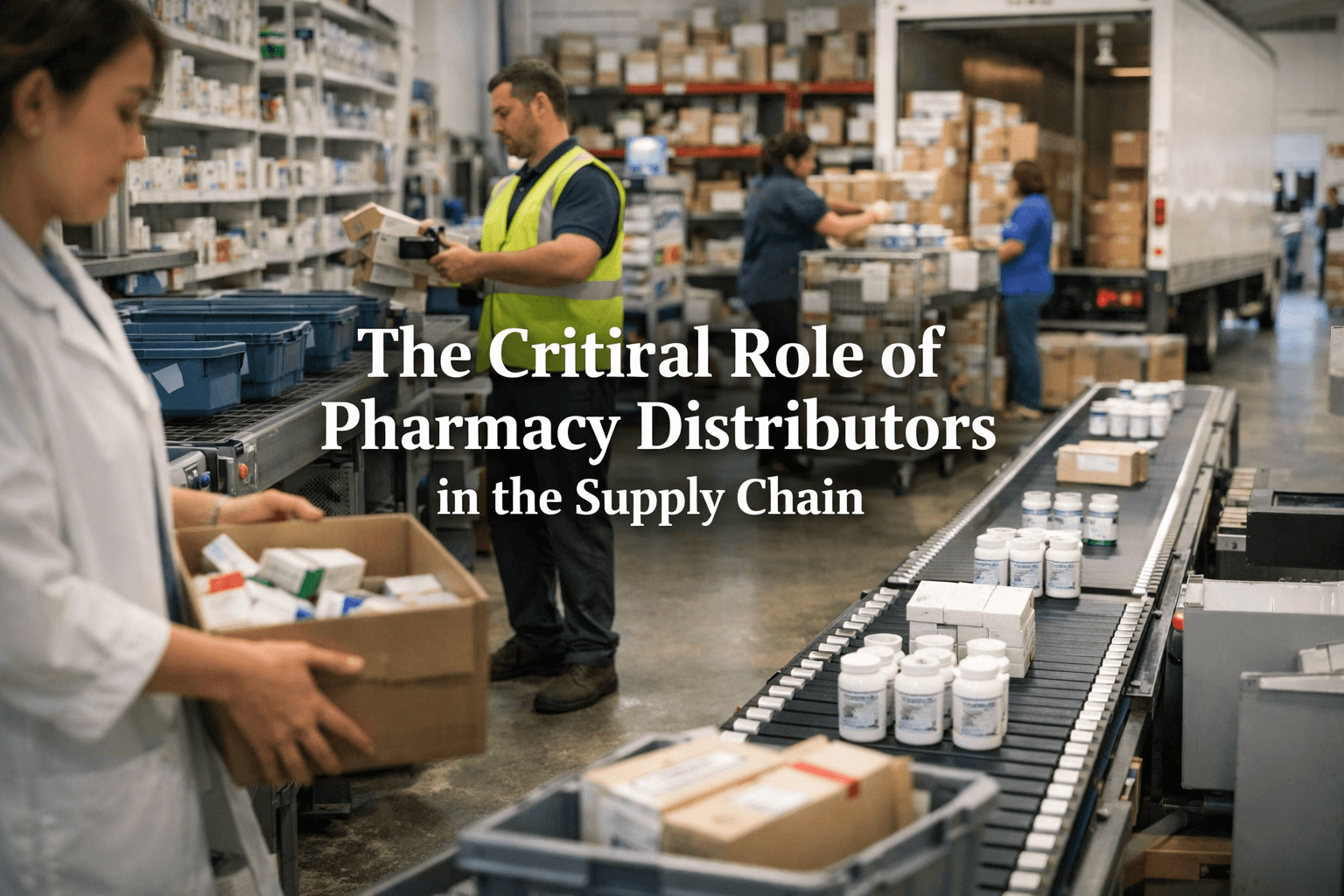
How do these diverse products arrive on pharmacy shelves, and what makes a distribution partner truly reliable? The answer lies in a complex, yet efficient, supply chain where pharmacy distributors Malaysia act as the critical conduit between international and local manufacturers and the retail endpoints. Their function is far more nuanced than simply moving boxes from point A to point B.
A reliable distributor pharmacy begins its role long before any product is shipped. They engage in expert sourcing, identifying products that are not only in demand but also align with the strict health standards of the Malaysian market. Once a product is selected, the distributor manages the logistical maze: warehousing, inventory management, and order processing. Their ability to ensure timely delivery is what keeps pharmacy shelves stocked and patients satisfied. A failure in this link can mean a diabetic patient cannot find their specific sugar-free snack, or a new mother has to visit three different stores to find her baby’s formula. This reliability builds a proven track record that pharmacies depend on. The best distributors use sophisticated inventory systems to predict demand, preventing both stockouts and costly overstocking. They act as a strategic partner, offering insights into which products are trending and helping pharmacists make informed purchasing decisions that drive sales and improve customer health outcomes.
Perspectives on the Partnership:
From the Pharmacist’s View: A distributor is a lifeline. They need a partner who understands the urgency of healthcare. A delayed shipment of fever relief medication is unacceptable; similarly, a delay on a popular health snack means a lost sale and a disappointed customer.
From the Distributor’s View: They must balance the needs of multiple pharmacies with the supply capabilities of manufacturers. Their expertise lies in forecasting and logistics, ensuring that a promotion in Penang doesn’t deplete stock meant for a pharmacy in Johor Bahru.
From the Brand Manager’s View: A distributor is the face of their brand at the point of sale. They rely on the distributor’s network and merchandising team to ensure their products are displayed correctly, stored properly, and presented to the pharmacist in a way that encourages recommendations.
Learn more :The Role of Pharmacy Distributors in the Supply Chain | Four Ways Pharma Companies Can Make Their Supply Chains More Resilient
Navigating Compliance and Regulatory Requirements

In a market as regulated as Malaysia’s, compliance isn’t just a box to be ticked; it is the foundation of consumer safety and trust. For any food product sold in a pharmacy, adherence to the guidelines set by the KKM (Ministry of Health Malaysia) and the NPRA (National Pharmaceutical Regulatory Agency) is non-negotiable. A distributor’s ability to navigate this complex regulatory landscape is what separates a proven partner from an unreliable one.
The primary requirement is that all health-related food products, particularly functional foods and supplements, must be registered with the NPRA. This process involves rigorous evaluation of the product’s safety, quality, and efficacy. Distributors must be intimately familiar with these procedures to ensure the products they import or distribute have the necessary certifications, such as the MAL (Malaysia Registration) number on their labels. This number is a visual cue for pharmacists and consumers alike, signifying that the product has met the expert standards of the national authorities. Beyond initial registration, a reliable distributor stays abreast of any regulatory changes. For instance, if the KKM updates its guidelines on nutrition labeling or restricts a particular ingredient, the distributor must immediately communicate this to their manufacturing partners and ensure affected products are either relabeled or removed from circulation. This proactive approach protects the pharmacy from penalties and, more importantly, safeguards consumer health. It builds a layer of trusted verification that is invaluable in the healthcare sector.
Comparative Table: Compliance Metrics of Distribution Partners
| Key Performance Indicator | Standard Distributor | High-Compliance, Expert Distributor |
|---|---|---|
| NPRA Registration Check | Basic verification at initial onboarding. | Continuous monitoring of registration status and expiry for all products. |
| Labeling Compliance | Ensures Bahasa Malaysia and English are present. | Verifies all health claims are NPRA-approved, ingredient lists are accurate, and allergen information is prominent. |
| Handling of Expired/Recalled Goods | Reactive removal upon pharmacy notification. | Proactive stock rotation at the warehouse and pharmacy level; immediate quarantine and retrieval upon any recall notice from KKM. |
| Documentation & Auditing | Paper-based, prone to errors. | Digital, auditable trail for every batch from manufacturer to pharmacy; ready for KKM audits at any time. |
| Regulatory Knowledge | General understanding of food laws. | Dedicated regulatory affairs officer who tracks legislative changes and briefs pharmacy partners. |
Learn more : Licensing for Pharmaceutical Manufacturers, Importers, and Wholesalers in Malaysia |Key Regulations Governing Pharmacy Distribution in Malaysia | How to Ensure Regulatory Compliance for Pharmacy Distribution in Malaysia | Guidance, Compliance & Regulatory Information – FDA
Spotlight on Top Food Distributors in Malaysia
Identifying the right partner is crucial for success. While many players exist, a select few have distinguished themselves through a combination of reliability, efficiency, and an unwavering commitment to compliance. These are the names that pharmacists across the country have come to trust. They serve as the benchmark for excellence in the industry, offering a proven blend of product range and logistical prowess. Here is an overview of the archetypes of top-performing pharmacy wholesale distributors in Malaysia.
Distributor A: The Functional Food Specialist
This distributor has carved a niche by focusing on the high-growth sector of functional foods and wellness products. Their strength lies in their deep understanding of nutritional science and their ability to source innovative, evidence-based products from around the globe. They are known for their efficient marketing support, often providing pharmacies with point-of-sale materials and product knowledge training for the staff. Their tailored approach ensures that a pharmacy in an affluent urban area receives a different, more premium product mix compared to one in a suburban neighborhood.
Distributor B: The Infant Nutrition and Family Health Expert
With decades of experience, this distributor is a household name in the industry. Their focus is on essential products for the family, particularly baby food and pediatric supplements. They have built an unshakeable reputation for reliable compliance, with every product in their catalog meticulously vetted by the NPRA. Pharmacists value them not just for their consistent, on-time deliveries, but also for the expert advice they provide on the latest developments in infant and child nutrition.
Distributor C: The Organic and Premium Niche Leader
Catering to the growing market for organic and clean-label products, this distributor is the go-to partner for pharmacies looking to differentiate themselves. They offer a curated selection of high-quality, often internationally sourced, organic snacks, superfoods, and natural wellness products. Their strategic advantage is their cold chain logistics capability, allowing them to distribute fresh, probiotic-rich foods and other temperature-sensitive items that standard distributors cannot handle. This operational excellence makes them a trusted partner for premium brands seeking to enter the Malaysian pharmacy market.
The landscape of food distribution in Malaysian pharmacies is dynamic and demanding. It requires partners who are not just logistics providers, but strategic allies in the pursuit of better public health. From understanding the nuances of regulatory compliance to mastering the art of inventory management, these distributors perform a function that is truly essential. Their work ensures that when a Malaysian consumer walks into a pharmacy seeking a healthier option, they will find it—safe, accessible, and ready to support their wellness journey. This synergy between pharmacy and distributor is the silent engine driving the nation’s shift towards a more proactive and health-integrated lifestyle.
How to Choose the Right Pharmacy Distributor for Your Business Needs
What should you consider when selecting a pharmacy distributor for food products? The decision is far more nuanced than simply comparing price lists or delivery schedules. Selecting the right pharmacy distributor is absolutely essential for ensuring smooth operations and maintaining high-quality product offerings on your shelves. When choosing a distributor pharmacy, factors such as service efficiency, product range, and regulatory compliance should be carefully evaluated—not as isolated metrics, but as interconnected pillars of a functional partnership. A strategic relationship with a distributor that truly understands your business needs and can offer tailored solutions will help streamline the supply process and dramatically improve product availability. It’s about finding a partner who sees the big picture alongside you.
Establishing clear expectations with distributors regarding delivery timelines, payment terms, and customer service is the bedrock of any successful collaboration. However, in the Malaysian context, this goes beyond basic logistics. It requires a partner who is reliable enough to navigate the unique geographical challenges of Peninsular and East Malaysia. For instance, a distributor servicing pharmacies in the Klang Valley might face very different infrastructural advantages compared to one operating in Kuching or Kota Kinabalu. The proven ability to maintain cold chain integrity for specific food products during transit to these regions is a non-negotiable capability. A trusted distributor doesn’t just deliver goods; they deliver peace of mind, ensuring that your pharmacy remains stocked with fresh, compliant products, ultimately fostering long-term, fruitful partnerships that drive mutual growth.
The Real-World Impact: When Distribution Works (and When It Doesn’t)
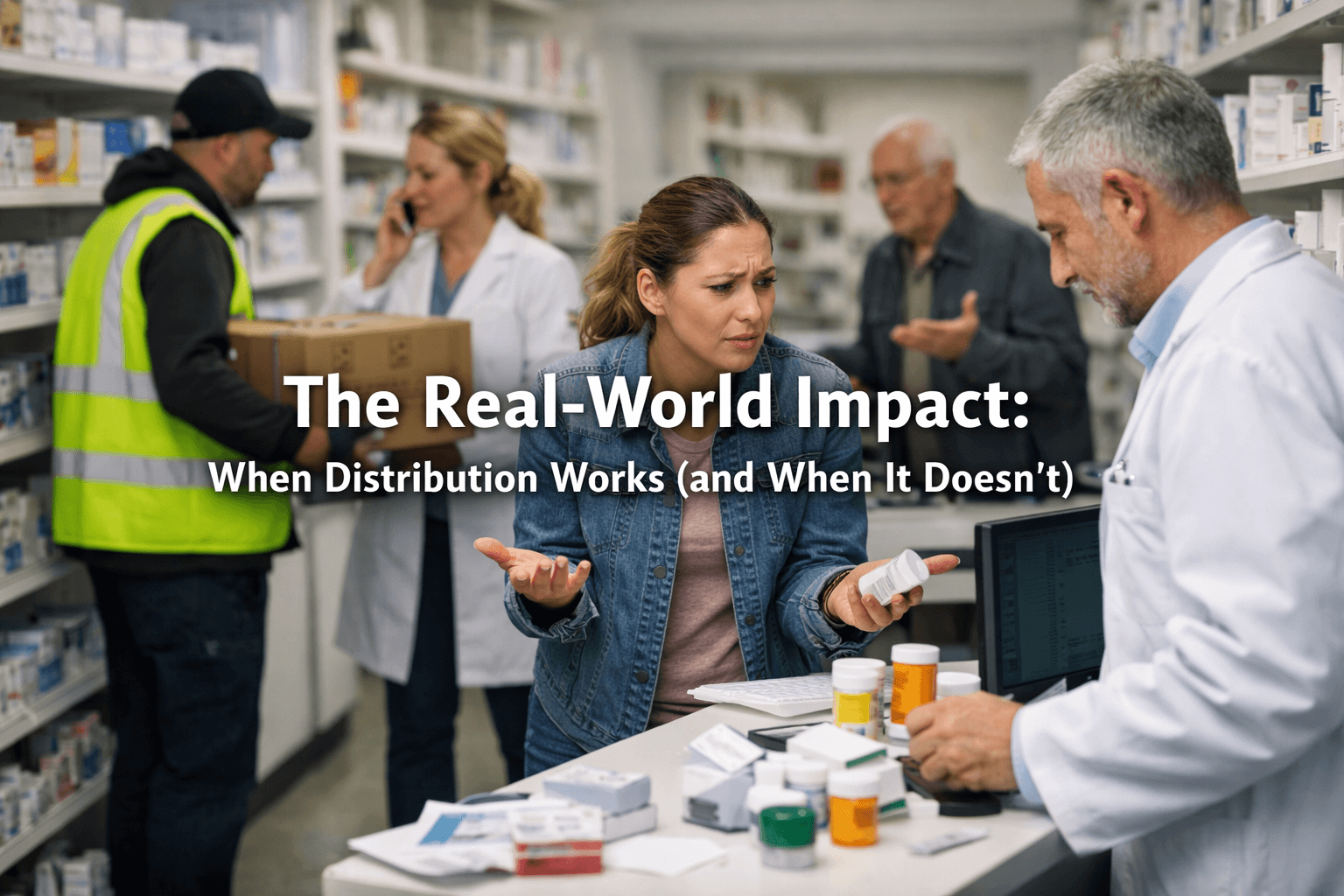
Theory is useful, but the reality of pharmacy distribution plays out on the ground, directly impacting your bottom line and customer satisfaction. Imagine a pharmacy in Penang that has built a loyal following for imported Japanese functional teas. They partner with a distributor who promises weekly deliveries. Initially, everything runs smoothly. But then, monsoon season hits, or there’s a last-minute customs clearance issue at the port. A less capable partner might simply throw up their hands and blame external forces. An effective and expert distributor, however, has already anticipated these potential disruptions. They have contingency plans—perhaps alternative warehousing in the north or a buffer stock system—to ensure their client’s shelves don’t run bare.
Conversely, consider a scenario where a distributor consistently fails to rotate stock, leaving your pharmacy with near-expiry products. This isn’t just an inventory problem; it’s a brand reputation issue. The customer who buys a stale health snack won’t blame the distributor; they’ll blame your pharmacy. This underscores why selecting a partner based on their operational discipline is as important as their product range. A strategic distributor acts as an extension of your own team, taking ownership of product quality from the moment it leaves their warehouse to the moment it’s placed in a customer’s hands. Their commitment to your success is demonstrated through consistent, error-free execution, which builds a layer of trust that generic logistics providers simply cannot match.
Navigating the Malaysian Landscape: Data-Driven Decisions
The Malaysian pharmacy distribution landscape presents both unique challenges and significant opportunities. One of the main challenges faced by pharmacy distributors is supply chain disruptions, which can be frequently caused by external factors such as shipping delays or sudden regulatory changes. However, the most successful distributors are those who harness digital tools and data analytics, which are essential in overcoming these hurdles. They use these tools not just to react, but to predict. By tracking inventory in real-time, optimizing delivery schedules based on traffic and order density, and using predictive analytics for demand forecasting, they turn logistics into a competitive advantage.
On the other hand, the growing demand for wellness products presents a massive opportunity for distributors to expand their product offerings and cater to the evolving preferences of Malaysian consumers. Data from sources like the Malaysia Retail Chain Association (MRCA) and the Department of Statistics Malaysia indicates a steady uptick in consumer spending on health and wellness, including functional foods. An efficient distributor leverages this data, advising pharmacy owners on which trending products—like collagen-infused gummies or probiotic drinks—are gaining traction in specific regions. This transforms the distributor from a mere vendor into a proven market intelligence partner. They are no longer just moving boxes; they are curating success.
To help visualize this, consider the following comparison of how a data-driven distributor differs from a traditional one:
| Operational Metric | Traditional Distributor | Data-Driven, Strategic Distributor |
|---|---|---|
| Inventory Management | Reactive, often leading to stockouts or overstocking. | Predictive, using sales data to anticipate demand fluctuations. |
| Delivery Route Planning | Fixed schedules, inefficient routes. | Dynamic optimization based on real-time traffic and order urgency. |
| Compliance Monitoring | Manual checks, prone to human error. | Automated alerts for regulatory changes and product registration expiry. |
| Shelf-Life Management | Basic FIFO, sometimes inconsistent. | Granular tracking by batch, ensuring fresh stock rotation at store level. |
| Market Insight Provided | Minimal, only transactional data. | Actionable analytics on category trends and consumer buying patterns. |
Learn more :Health Pharma Supply Chain Transformation – PwC
The Human Element: Multiple Perspectives on a Single Supply Chain
To truly understand the dynamics at play, it’s vital to look at the distribution chain through different lenses. From the pharmacist’s point of view, a distributor’s value is measured in reliability and support. Does the delivery come on time? Is the merchandiser friendly and helpful? Do they handle expired products gracefully? This is the front-line experience that defines the partnership. A pharmacist in Johor Bahru, for example, might value a merchandiser who helps rearrange a crowded shelf to feature a new high-protein snack, providing invaluable in-store execution that drives sales. They need a partner who is reliable and makes their daily operations easier, not harder.
From the distributor’s perspective, the challenges are about balancing scale with personalization. They must manage a portfolio of brands—perhaps a large multinational alongside a small local startup—each with different requirements. Their sales team in Ipoh must be as knowledgeable about the halal certification process for a new local brand as they are about the global marketing campaign for an international one. They act as the bridge, translating brand strategy into retail execution. Their success hinges on being effective communicators and logistics experts, ensuring that every product, regardless of its origin, reaches the consumer in perfect condition.
Finally, consider the brand manager’s viewpoint. For a company launching a new line of sugar-free snacks, getting shelf space in top pharmacy chains like Guardian or Watsons is a major win. But the real work begins after the listing. They rely on the distributor to ensure their product isn’t buried at the back of a bottom shelf. They depend on them for visibility data, sell-through rates, and feedback from pharmacy cashiers. They need a distributor who is not just a logistics provider but a strategic growth partner. This multi-faceted view reveals that the right distributor is a central nervous system, connecting the ambitions of brands with the needs of pharmacies and, ultimately, the health of the consumer.
Future Trends: Gearing Up for Tomorrow’s Challenges
The future of pharmacy food distribution in Malaysia will be undeniably shaped by digital transformation, e-commerce growth, and changing consumer preferences. As more consumers seek healthier and more convenient food options, pharmacies will continue to serve as important retail locations for these products, but the game is changing. The integration of e-commerce and digital platforms will allow pharmacy distributors to expand their reach and streamline their services in ways we are only beginning to see. For instance, a distributor might soon offer a proven direct-to-pharmacy ordering app that allows a small independent pharmacy in Seremban to order stock, check inventory levels at the warehouse, and track their delivery in real-time, with the same ease as ordering a ride-hailing service.
Furthermore, the rise in consumer interest in functional and wellness foods will continue to drive innovation in product offerings. This isn’t a passing fad; it’s a fundamental shift. Distributors must become expert curators, helping pharmacies navigate the influx of new products claiming various health benefits. They will need to verify claims, ensure proper storage for sensitive ingredients, and provide training to pharmacy staff so they can confidently recommend these products. This moves the distributor into a value-added service provider role. They are no longer just a middleman but a strategic advisor in the health and wellness journey of the consumer, helping pharmacies transform into true community health hubs.
Frequently Asked Questions (FAQ)
Q1: Who is the top food distributor?
The top food distributors globally include companies like Sysco, US Foods, and Metro AG. These companies are known for their large-scale operations and extensive distribution networks in the food industry.
Q2: What are the top 10 food companies?
The top 10 food companies include Nestlé, PepsiCo, Coca-Cola, Unilever, Tyson Foods, Danone, Kraft Heinz, General Mills, Mondelēz International, and Mars, Inc., all of which are global leaders in the food and beverage sector.
Q3: Which food rider is best in Malaysia?
In Malaysia, food delivery services such as Foodpanda, GrabFood, and Deliveroo are among the most popular and widely used food riders, known for their fast delivery services and extensive restaurant networks.
Q4: What is the most popular food in Malaysia?
The most popular food in Malaysia includes dishes like Nasi Lemak, Char Kway Teow, Satay, and Roti Canai, reflecting the country’s diverse culinary influences from Malay, Chinese, and Indian cuisines.
Q5: How to find a food distributor for your product?
To find a food distributor for your product, research local and international distribution companies, attend trade shows, connect with industry associations, and seek recommendations from business networks or trade platforms.
Q6: Who is the richest food company?
Nestlé is often considered the richest food company, with a market capitalization of over $300 billion, making it one of the largest and most profitable food companies in the world.
Q7: Who is number one in food delivery?
The number one food delivery company globally is DoorDash, followed by Uber Eats and Grubhub in the U.S. In Malaysia, GrabFood and Foodpanda dominate the food delivery market.
Q8: Who is the biggest food retailer?
Walmart is the largest food retailer globally, with a vast range of grocery and food products sold through its stores worldwide.
Q9: Who are the top 5 food retailers in the world?
The top 5 food retailers in the world are Walmart, Costco, The Kroger Co., Aldi, and Tesco, based on their sales volume and market presence.
Q10: Who is the most successful food chain?
McDonald’s is often considered the most successful food chain globally, known for its massive network of restaurants and its consistent profitability over decades.
Our Services
Our marketing and sales teams use their strong relationships with the channel to create demand for your product at every stage of its lifecycle.
Demand creation services we offer:
Market Access Services
Regulatory Registration Services
Pharma Product Listing Services
Merchandising services (RSMS)
Brand Management
Logistic & Warehousing
Exclusive Merchandising Services
Visual Merchandising
Discover More About Our Solution
How can we assist you today? 😊
Just let us know—we’re here to help!