

Malaysia’s healthcare sector isn’t just a public service—it’s an economic powerhouse. It pulses at the intersection of medical necessity and industrial growth, delivering essential services to nearly 33 million people while attracting significant domestic and international capital. The industry has evolved rapidly, shifting from a purely reactive care model to a proactive, innovation-driven network. Yet, beneath the headlines about hospital expansions and vaccine rollouts lies a less visible but equally critical engine: the pharmacy distribution network. Without this infrastructure, the most advanced medicine remains stranded in a warehouse, useless to the patient waiting at a clinic in Kota Kinabalu or a pharmacy in Johor Bahru.
At the very heart of this ecosystem are large healthcare companies. These entities function as the driving force behind medical innovations and act as the operational muscle for pharmaceutical distribution services. Specifically, pharmacy distributors and pharmacy wholesale distributors provide the crucial infrastructure that ensures medications flow seamlessly from manufacturing plants to healthcare providers. This section analyzes the top-tier players dominating Malaysia’s healthcare landscape. By dissecting their roles, we uncover not just who the giants are, but how they wield influence and why their operational excellence is inseparable from the nation’s health outcomes.
The Core Players: Defining Sub-Sector Dominance in Malaysia’s Medical Market

Malaysia’s healthcare sector is not a monolith; it is a diverse tapestry of specialized sub-sectors. To truly grasp market dynamics, one must categorize the key players by their primary function. This isn’t just an academic exercise—it is a strategic necessity for pharmacists deciding who to stock from, brand managers planning launches, and investors tracking growth vectors.
Pharmaceutical Distribution Companies form the absolute backbone of the supply chain. Entities like Pharmaniaga and Hovid are not merely vendors; they are institutional pillars with a long-standing presence that predates many modern healthcare policies. Their services are comprehensive, covering bulk distribution, government concessions, wholesale operations, and direct-to-consumer retail services.
In contrast, Medical Equipment Providers such as Top Glove and Hartalega operate on a different scale. While they don’t move pills, they enable the very environment in which healthcare operates. They ensure the availability of critical supplies, from personal protective equipment (PPE) during pandemics to diagnostic tools used in daily checkups. Then, there are the Healthcare Service Providers like KPJ Healthcare and IHH Healthcare. They are the face of medicine—running hospitals, clinics, and specialized facilities nationwide. They are the demand generators that the distributors must serve.
To provide a clearer perspective on how these entities stack up against each other, the comparative table below outlines their market share, sub-sector, and core operational focus.
| Company Name | Estimated Market Share (%) | Primary Sub-Sector | Core Operational Focus & Key Services |
|---|---|---|---|
| Pharmaniaga | ~25% | Pharmaceutical Distribution | Government concessions, retail pharmacy, logistics; stronghold in public sector supply. |
| Hovid | ~15% | Pharmaceutical Distribution | Manufacturing, retail distribution, generic drug production; integrated supply chain. |
| KPJ Healthcare | ~20% | Healthcare Services | Private hospital operations, specialized care networks; high patient throughput. |
| IHH Healthcare | ~35% | Healthcare Services | Tertiary hospitals, premium medical services; regional hub for medical tourism. |
| Top Glove | ~25% (Global share) | Medical Equipment | Rubber gloves, PPE manufacturing; largest producer by volume globally. |
Note: Market share percentages are approximations based on industry revenue within their specific reported sub-sector verticals.
The Distributor’s Mandate: Beyond Logistics to Strategic Healthcare Enablement
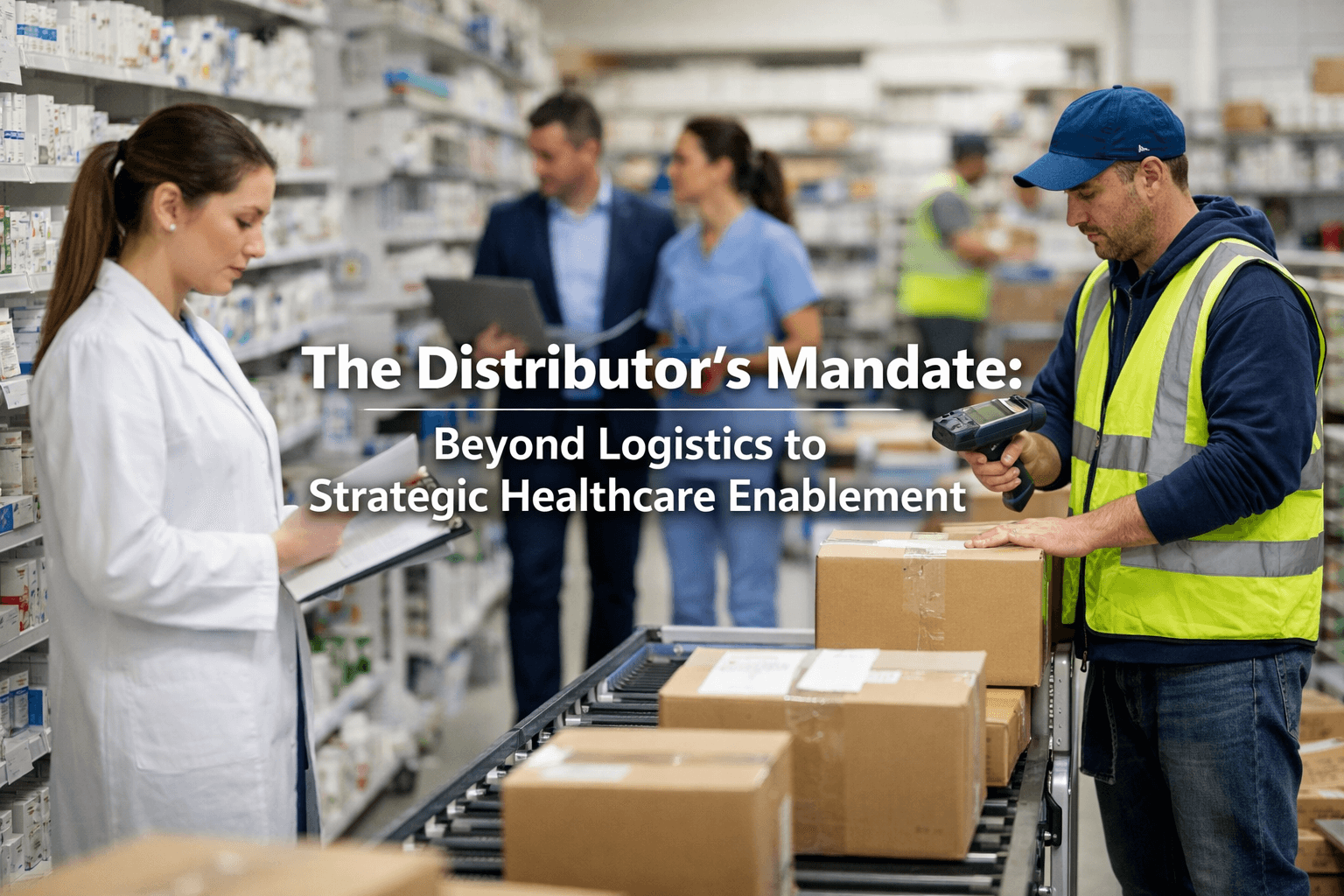
The role of a pharmacy distributor in Malaysia is frequently misunderstood. Outsiders often view it as simple trucking—moving boxes from Point A to Point B. In reality, it is a high-stakes operation of regulatory navigation and clinical risk management. These distributors serve as the critical bridge between pharmaceutical manufacturers and end consumers, but they do far more than deliver parcels.
They are the gatekeepers of regulatory compliance. In Malaysia, the KKM (Ministry of Health) and NPRA (National Pharmaceutical Regulatory Agency) mandate rigorous protocols. A distributor is legally responsible for ensuring that every product handled meets safety standards. This includes the reliable management of cold chain logistics—a particularly essential capability in a tropical country where ambient temperatures can destroy biologic drugs within minutes.
Consider a Malaysia-specific operational scenario: A shipment of insulin arrives at Port Klang. It is destined for a rural clinic in Sabah. The pharmacy wholesale distributor cannot simply put it on a truck. They must:
✅ Verify NPRA registration status for the batch.
✅ Maintain temperature integrity (2°C to 8°C) during warehousing.
✅ Execute inventory control to prevent overstocking, which leads to expiry waste.
✅ Ensure GDP (Good Distribution Practice) compliance during last-mile delivery.
Pharmaniaga and Hovid have refined these processes into a science. They have developed efficient, trusted practices that create a buffer against supply shocks. When a global shortage hits, it is their operational excellence that keeps Malaysian shelves stocked. Without this layer of expert logistics, the healthcare system would fracture, proving that distribution is not merely a support function—it is a strategic determinant of national health.
Learn more: The Role of Pharmacy Distribution Services in Malaysia’s Healthcare System | Pharmaceutical Distribution and the Role of Technology
The Digital Inflection: E-Commerce and Cold Chain as Growth Catalysts
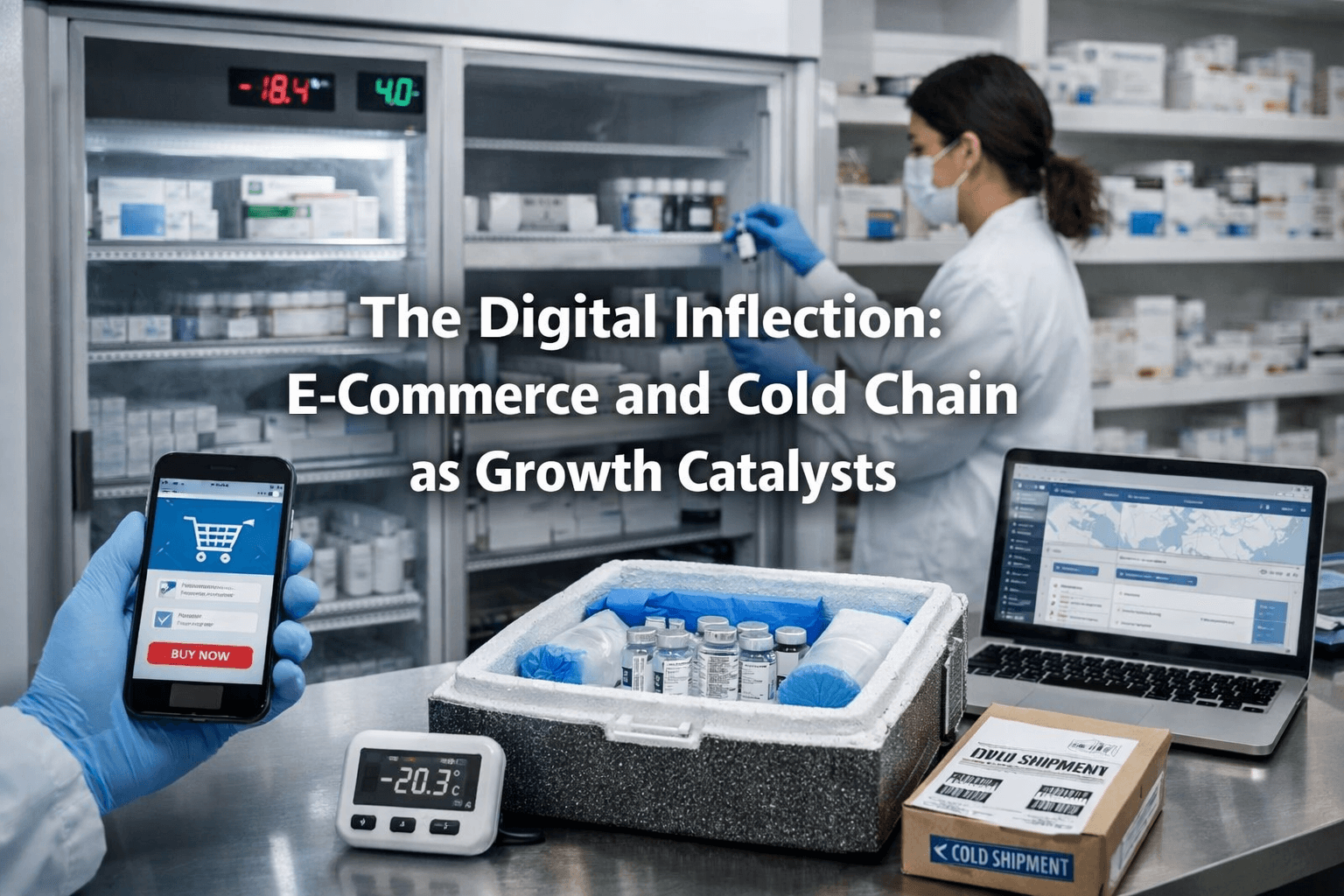
The pharmacy distribution service in Malaysia is currently undergoing its most significant transformation since the National Pharmaceutical Control Bureau was established. This shift is not gradual; it is an acceleration driven by digital technologies and irreversible changes in consumer behavior. Distributors who cling to legacy manual systems are already losing ground.
E-Commerce for Pharmacies is the most visible trend. The modern Malaysian patient no longer wants to stand in line for maintenance medication. They expect a seamless omnichannel experience. Guardian Malaysia, a major retail player, has aggressively integrated digital strategies into its distribution network. They are not just shipping to stores anymore; they are enabling direct-to-patient deliveries. This forces traditional wholesalers to reimagine their inventory architecture—shifting from bulk pallets to micro-fulfillment centers.
Simultaneously, cold chain logistics has moved from a niche specialty to a mainstream requirement. The pandemic highlighted this. Vaccines, biologics, and even certain eye drops require temperature-sensitive distribution. Companies are now investing heavily in validated storage facilities and IoT-enabled transporters that alert managers if a freezer door is left ajar. This is not just an investment in hardware; it is an investment in public safety.
From the perspective of a brand manager launching a new biosimilar, this trend is critical. They cannot rely on a distributor who lacks proven cold chain capabilities. Similarly, pharmacists now expect real-time visibility. Digital platforms that track stock levels, automate reordering, and facilitate real-time communication are no longer “nice to have”—they are the baseline for operational partnership. This convergence of e-commerce agility and cold chain rigor defines the new standard for effective pharmaceutical distribution.
Learn more: Global Pharmaceutical Supply Chain Trends and Insights | The Future of Cold Chain Logistics in Pharma
The Regulatory Tightrope: Why Compliance Dictates Commercial Viability
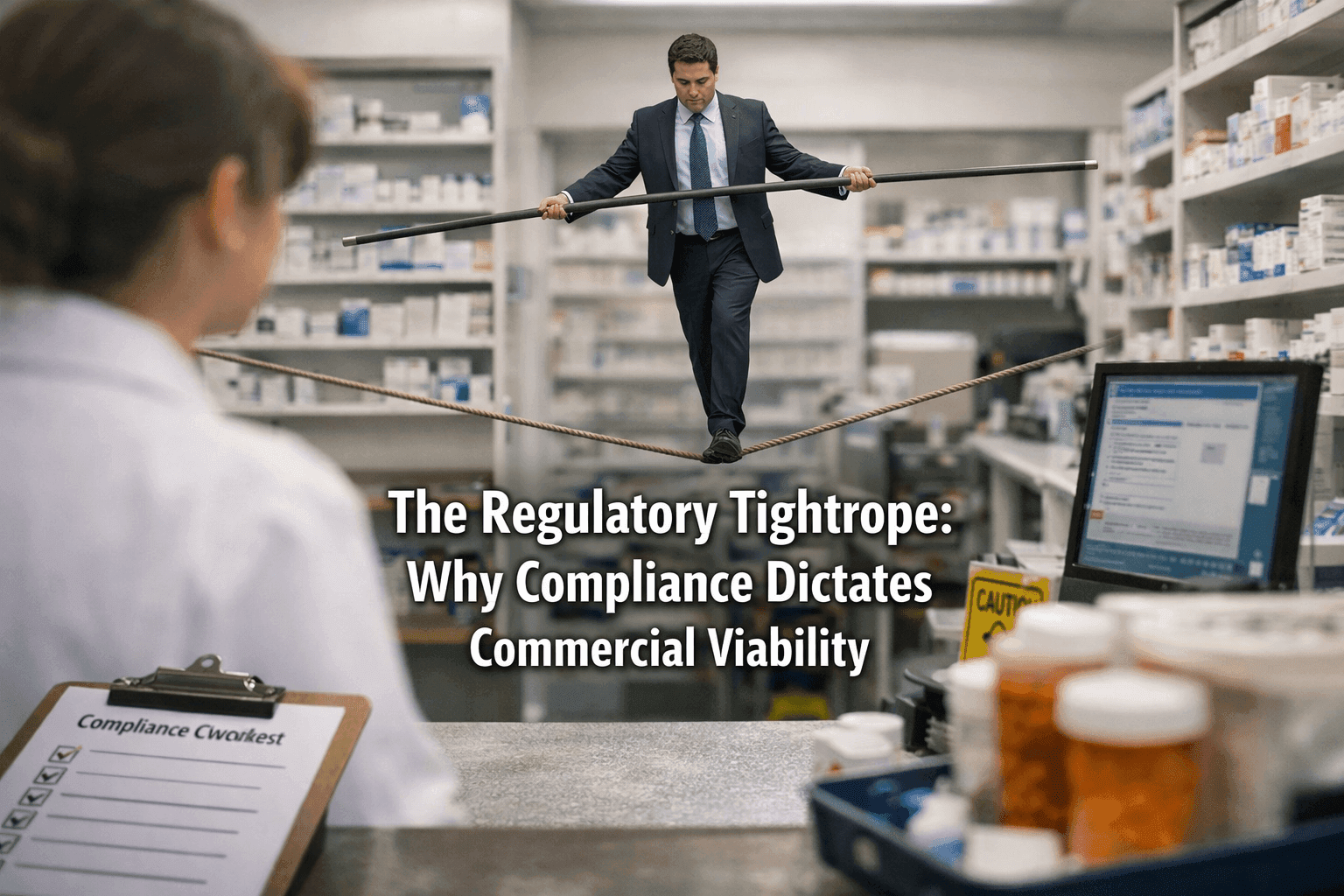
In Malaysia, you cannot separate commercial success from regulatory compliance. The two are symbiotic. The KKM and NPRA do not merely advise; they enforce. Their stringent guidelines govern every facet of the pharmaceutical journey—from the approval of active ingredients to the storage conditions of the final tablet and the transportation protocols used to move it.
For a pharmacy distributor, viewing compliance as a bureaucratic checkbox is a fatal error. Instead, it must be treated as the foundation of business sustainability. Distributors must implement proven systems for tracking and controlling inventory, ensuring full traceability from manufacturer to patient. This is especially relevant in operations involving controlled substances or high-cost oncology drugs, where any discrepancy triggers immediate regulatory scrutiny.
Take a Malaysian operational scenario: A distributor is contracted to supply a public hospital. A single audit finding regarding improper temperature logging can result in suspension from the tender list for years. The financial damage is immediate, but the reputational damage is permanent.
This reality forces a divergence in market dynamics. Smaller independent distributors often struggle to afford the sophisticated ERP systems and qualified persons required for full GDP compliance. In contrast, large players build entire departments dedicated solely to regulatory intelligence. They employ expert regulatory affairs officers who interpret upcoming NPRA circulars before they are enforced. This proven compliance capability becomes a tailored selling point. It assures international principals that their brands will not be compromised by local negligence. Reliable compliance is the currency that buys market access in Malaysia’s trusted healthcare economy.
Learn more: Key Regulations Governing Pharmacy Distribution in Malaysia | Regulatory Harmonization in Southeast Asia
The Market Dichotomy: Independent Agility vs. Chain Dominance
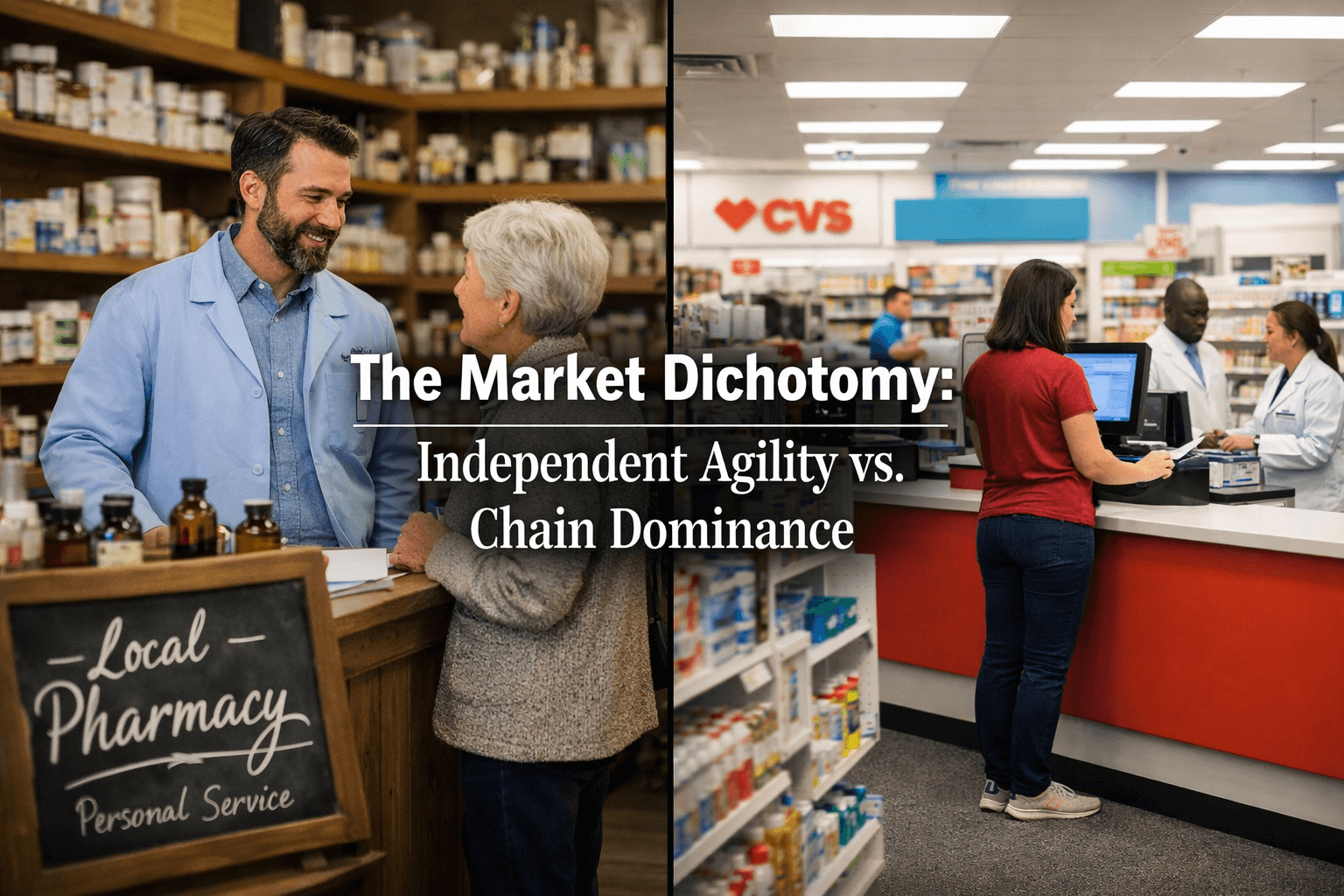
The Malaysian pharmacy distribution landscape is not a level playing field; it is a dynamic dichotomy. Two distinct models compete for supremacy: the independent distributor and the chain pharmacy distributor. Each brings a unique value proposition, and neither is inherently superior. Success depends entirely on alignment with market context and customer needs.
Independent Pharmacy Distributors operate with the agility of a speedboat. They are often family-owned or regionally focused. Their advantage lies in personalized services. They can tailor credit terms for a small clinic in Kuantan in a way that a national chain cannot. They possess granular, local knowledge. They know which doctor prefers which generic brand and which rural postcode has the highest incidence of chronic disease. However, their limitation is scale. They lack the purchasing power to negotiate aggressive pricing from multinational manufacturers. Resource limitations also restrict their ability to invest in advanced warehouse management systems, sometimes forcing them to rely on manual inventory tracking which is prone to error.
Conversely, Chain Pharmacy Distributors like Watsons and Guardian (backed by their respective regional supply chains) operate like aircraft carriers. They benefit from immense economies of scale, allowing them to offer competitive pricing and absorb logistics costs that would cripple smaller rivals. Their broader reach ensures a consistent brand experience from Bangsar to Penang. However, this size comes with rigidity. Their operations can be less agile and highly standardized, making it difficult to accommodate niche product requests or unusual delivery schedules.
For a brand manager launching a premium dermocosmetic, the choice is strategic. Going with a chain guarantees immediate shelf space in 500 outlets, but the product may get lost among thousands of SKUs. Going with an independent yields deeper engagement with pharmacists who actively recommend the product, but limited physical footprint. This tension enriches the market, ensuring that no single model achieves a complacent monopoly. The strategic interplay between these models ultimately drives higher service levels across the board, benefiting the entire healthcare value chain.
As these dynamics continue to shape inventory flow and corporate strategy, the emphasis remains on building systems that are not only efficient but resilient enough to withstand the next wave of disruption, ensuring that Malaysia’s pharmacy network remains both reliable and responsive.
Learn more: Licensing for Pharmaceutical Manufacturers, Importers, and Wholesalers in Malaysia
Impact of Major Healthcare Companies on Local Pharmacies
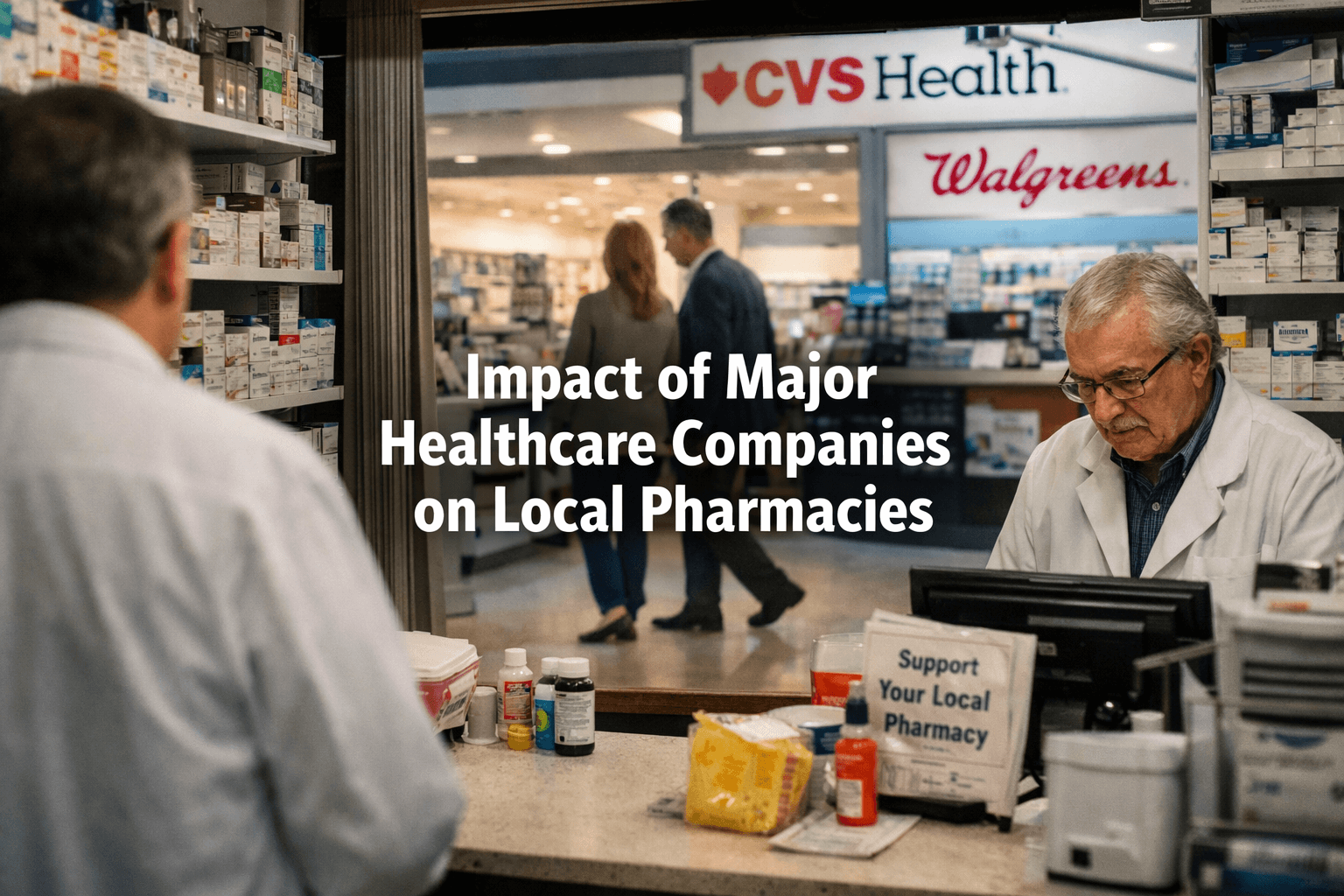
Large healthcare corporations cast a long shadow over Malaysia’s retail pharmacy sector. Their influence is neither subtle nor optional; it is structural. Pharmacy distributors and wholesale distributors effectively shape local markets by ensuring that only products which meet National Pharmaceutical Regulatory Agency (NPRA) standards move from factory floors to pharmacy shelves. This gatekeeping role carries weight. It guarantees safety, yes—but it also dictates which brands thrive and which remain invisible.
For independent pharmacy owners, aligning with a major distributor is often less a choice and more a necessity. These partnerships unlock access to broader product portfolios, from multinational innovator drugs to high-demand generics. Better pricing follows. So do reliable delivery systems that spare the pharmacist the embarrassment of telling a patient, “We are out of stock.”
Yet the ecosystem is not without friction. Independent pharmacies frequently operate on thinner margins than chain competitors. When large chain distributors leverage volume to negotiate deeper procurement discounts, independents feel the squeeze. A pharmacist in Kota Kinabalu may watch a national chain open two blocks away, stocked with identical products at promotional prices the smaller outlet cannot match.
Here, however, the independent pharmacy often deploys its most underrated asset: local intimacy. The pharmacist knows not only the patient’s name, but their mother’s medical history, their child’s asthma triggers, their preferred payment method. Large distributors may offer economies of scale, but they rarely offer this. When independents couple tailored service delivery with expert local knowledge, the result is customer loyalty that no discount campaign can dismantle overnight.
Comparative insight: A 2023 survey by the Malaysian Pharmacists Society indicated that 68% of patients who regularly visited independent pharmacies cited “trust in pharmacist” as their primary reason, versus 41% for chain pharmacies where price was the dominant driver.
From the distributor’s perspective, servicing independent pharmacies is more logistically demanding than servicing chains. Independent outlets are geographically scattered; order volumes are smaller; delivery routes less efficient. Yet these pharmacies often serve underserved communities—the suburban fringe, the rural interior—where chain presence remains thin. Efficient distributors recognize that supporting independents is not merely charitable; it is strategic. It expands their catchment area and entrenches their brand in locations competitors have overlooked.
For brand managers, the calculus is similarly layered. Should marketing funds be concentrated on chains that guarantee shelf facings, or should merchandisers be deployed to independents where conversion is higher per interaction? The proven model among Malaysia’s top pharmaceutical brand teams involves hybrid deployment: dedicated in-house teams for key accounts, supplemented by trained merchandiser agencies for independent pharmacy clusters.
One effective framework used by PriooCare Malaysia in the Klang Valley involves tiered pharmacy segmentation:
| Pharmacy Tier | Example Profile | Distributor Strategy | Merchandiser Role |
|---|---|---|---|
| Tier 1: Chain | Big Pharmacy, Alpro, Guardian | Central procurement, automated replenishment | Compliance auditing, planogram setup |
| Tier 2: Independent High-Potential | Family-owned, high-footfall | Direct delivery, flexible credit terms | Product training, display optimization |
| Tier 3: Independent Rural | Single-outlet, remote location | Hub-and-spoke consolidation | Basic order generation, cold chain monitoring |
This approach ensures that resource allocation matches commercial potential while preventing the “one-size-fits-none” trap.
Case Studies: Success Stories from Top Healthcare Companies
Real-world examples translate theory into blueprint. In Malaysia, the trajectory of healthcare leaders reveals patterns that smaller players can adapt, not merely admire.
Pharmaniaga Berhad offers a compelling study in adaptive logistics. As the Ministry of Health’s primary concessionaire, Pharmaniaga operates at a scale few can replicate. Yet their recent success lies not in size, but in strategic localization. During the Movement Control Order (MCO) periods, the company pivoted rapidly, deploying temperature-controlled vehicles to deliver chronic disease medications directly to patients’ homes via affiliated community pharmacies. This was not merely a pandemic workaround. It became a permanent channel. By strengthening ties with 600+ independent pharmacies as collection points, Pharmaniaga turned a logistical challenge into a durable competitive advantage.
What worked: The company did not treat independents as passive endpoints. Instead, it positioned them as last-mile partners, complete with digital training and real-time inventory visibility.
KPJ Healthcare, meanwhile, approached pharmacy distribution from the provider side. With 28 private hospitals nationwide, KPJ possessed something most distributors lack: captive prescribing channels. Their strategic insight was to integrate pharmacy services directly into outpatient care pathways. A patient leaving a KPJ specialist consultation no longer needs to visit an external pharmacy; medication is dispensed in-clinic, often before the parking ticket is validated. For brand managers, this represented a high-compliance environment where physician recommendation directly translated to dispensed units.
Success metric: KPJ Pharmacy’s internal data reportedly showed dispensing turnaround times reduced by 43% post-integration, with a corresponding drop in patient leakage to external competitors.
Why this matters for independents: It demonstrates that proximity to prescribers is pharmacy’s ultimate moat. Independent pharmacies physically located near clinics—especially those without in-house dispensaries—can position themselves as preferred partners through consistent service and reliable stock availability. Some in Penang have formalized this via memoranda of understanding with nearby GP clinics, guaranteeing same-day delivery for any prescribed item not currently in stock.
Distributors who enable this capability become essential to both clinic and pharmacy. They are not merely moving boxes; they are facilitating continuity of care. That is the difference between a vendor and a trusted healthcare partner.
Strategic Insights for Malaysian Pharmacy Professionals
Survival in this environment requires more than operational competence. It demands strategic repositioning. Pharmacists, brand managers, and distributor executives each occupy different nodes in the supply chain, yet their futures are interdependent. The following insights are drawn from observing how top healthcare companies in Malaysia have adapted—and where they are placing their next bets.
1. Adapt to Market Demands—But Discern Signal from Noise
Digitalization is inevitable, but its implementation must be contextual. A community pharmacist in Johor Bahru does not need a multi-vendor e-commerce platform; they need a mobile-optimized ordering system that connects them to their primary distributor with two clicks. Conversely, a central procurement manager at a chain requires API integration with wholesalers to automate inventory triggers.
Effective distributors now offer tiered digital access: basic SMS/WhatsApp ordering for rural pharmacies, full enterprise resource planning (ERP) integration for chains, and merchandiser mobile apps for field teams conducting store-level compliance checks. The technology is not the point. The point is reduced friction.
2. Streamline Logistics Through Visibility, Not Speed Alone
Malaysia’s geography—peninsular and East—imposes natural logistics friction. Distributors who compete solely on transit time will bleed margin chasing impossible targets. The smarter play: predictive reliability. Pharmacies can tolerate a 48-hour delivery window if they know with 90% certainty when the truck arrives. Uncertainty forces them to overstock, tying up capital in slow-moving inventory.
Cold chain logistics represent the next frontier. With biologics and vaccines increasingly moving into retail pharmacy channels (influenza, HPV, travel vaccines), distributors lacking temperature-controlled last-mile capability will be disintermediated. Those investing in validated passive cooling boxes and real-time temperature loggers are already winning tenders from multinational principals seeking reliable Malaysian partners.
3. Cultivate Strategic Partnerships—Vertically and Horizontally
Vertical alignment means locking in procurement terms with key wholesalers. Horizontal partnership means something different: independents forming buying groups to aggregate purchasing power. This model has matured in states like Perak and Selangor, where clusters of 15–20 pharmacies jointly negotiate rebates with distributors. The distributors benefit from consolidated deliveries; the pharmacies gain chain-like pricing while retaining independent branding.
For brand managers, this necessitates rethinking merchandiser deployment. A merchandiser visiting an independent pharmacy today should not merely check stock. They should present category analysis: how the pharmacy’s sales of antihypertensives compare to regional benchmarks, which slow-moving SKUs should be pruned, and which new launches align with the pharmacy’s patient profile. This elevates the merchandiser from order-taker to business advisor—a shift that deepens loyalty beyond price competition.
Checklist: Distributor Readiness Indicators
Do we offer tiered service levels based on pharmacy size and location?
Can our merchandisers generate digital reports at store level, not just handwritten notes?
Have we mapped our cold chain gaps for biologic expansion?
Do we provide business insights to pharmacies, or only invoices?
Are our delivery windows communicated proactively, especially during monsoon seasons?
The Future of Pharmacy Distribution in Malaysia
This sector no longer rewards mere participants. It rewards those who recognize that pharmacy distribution is not a commodity play—it is a trust-intensive, relationship-driven ecosystem. The companies that will lead Malaysia’s next decade of healthcare access are not necessarily the largest. They are the most strategic, adaptive, and embedded in the daily reality of pharmacy practice.
Emerging trends confirm this shift. Digital platforms will continue to evolve, but their value lies in enabling relationships, not replacing them. Cold chain capabilities will separate credible distributors from also-rans. Regulatory harmonization under ASEAN’s pharmaceutical mutual recognition frameworks will eventually allow cross-border distribution—but only for players with proven compliance records.
For the independent pharmacist, the future is not grim. It is different. The era of “open shop, wait for customers, order from whoever calls first” is closing. In its place: a more intentional practice, where inventory reflects patient demographics, where distributors are chosen for reliability not rebates, and where the pharmacy becomes a health hub rather than a retail outlet.
For distributors and brand owners, the mandate is clear: enable this transition. Provide the data, the logistics reliability, and the merchandising expertise that independents need to compete. Those who do will not merely survive consolidation—they will be consolidators.
Frequently Asked Questions (FAQ)
Q1: What is the largest healthcare company in Malaysia?
Answer: The largest healthcare company in Malaysia is KPJ Healthcare Berhad, a leading private healthcare provider with a wide network of hospitals across the country.
Q2: Who are the leading companies in the healthcare industry?
Answer: Leading healthcare companies in Malaysia include KPJ Healthcare Berhad, IHH Healthcare, Pharmaniaga, and Pantai Medical Group, which are all prominent players in the healthcare and pharmaceutical sectors.
Q3: What is the ranking of Malaysia in healthcare?
Answer: Malaysia is ranked 61st globally in healthcare access and quality according to the 2018 Global Health Security Index, with a strong healthcare infrastructure and access to medical services.
Q4: What are the top 10 health insurance companies in Malaysia?
Answer: Top health insurance companies in Malaysia include AIA Malaysia, Prudential Assurance, Great Eastern Life, Allianz Life, Tokio Marine Life, Sun Life Malaysia, Manulife Insurance, Etiqa Insurance, AXA Affin Life, and Hong Leong Assurance.
Q5: Who are the top 7 companies?
Answer: The top 7 companies in Malaysia’s healthcare and pharmaceutical sector are KPJ Healthcare, IHH Healthcare, Pharmaniaga, Pantai Medical Group, Sunway Medical Centre, KPJ Healthcare, and the Ministry of Health (MOH).
Q6: What are the big 4 companies in Malaysia?
Answer: The “Big 4” in Malaysia typically refers to the largest multinational professional services firms: Deloitte, PricewaterhouseCoopers (PwC), Ernst & Young (EY), and KPMG.
Q7: What is the most famous hospital in Malaysia?
Answer: The most famous hospital in Malaysia is the Hospital Kuala Lumpur, renowned for its state-of-the-art facilities and comprehensive healthcare services.
Q8: What are the big 10 companies?
Answer: The top 10 companies in Malaysia, considering healthcare and pharmaceutical sectors, include KPJ Healthcare, IHH Healthcare, Pantai Medical Group, Pharmaniaga, Sunway Medical Centre, and others.
Q9: What are the top 5 pharmacy in Malaysia?
Answer: The top 5 pharmacies in Malaysia include Guardian, Watsons, Caring Pharmacy, Alpro Pharmacy, and Health Lane Family Pharmacy, which dominate the retail pharmacy market.
Q10: What is the biggest company in Malaysia?
Answer: The biggest company in Malaysia by market capitalization is Malayan Banking Berhad (Maybank), a leading financial services group in the region.
Malaysia’s pharmacy distribution landscape is consolidating—but consolidation favors the prepared. Whether you are an independent pharmacy owner seeking more reliable supply, a brand manager needing professional merchandising execution, or a distributor evaluating cold chain expansion, PriooCare Malaysia provides strategic, tailored support grounded in real operational experience.
How can we assist you today? 😊
Just let us know—we’re here to help!